
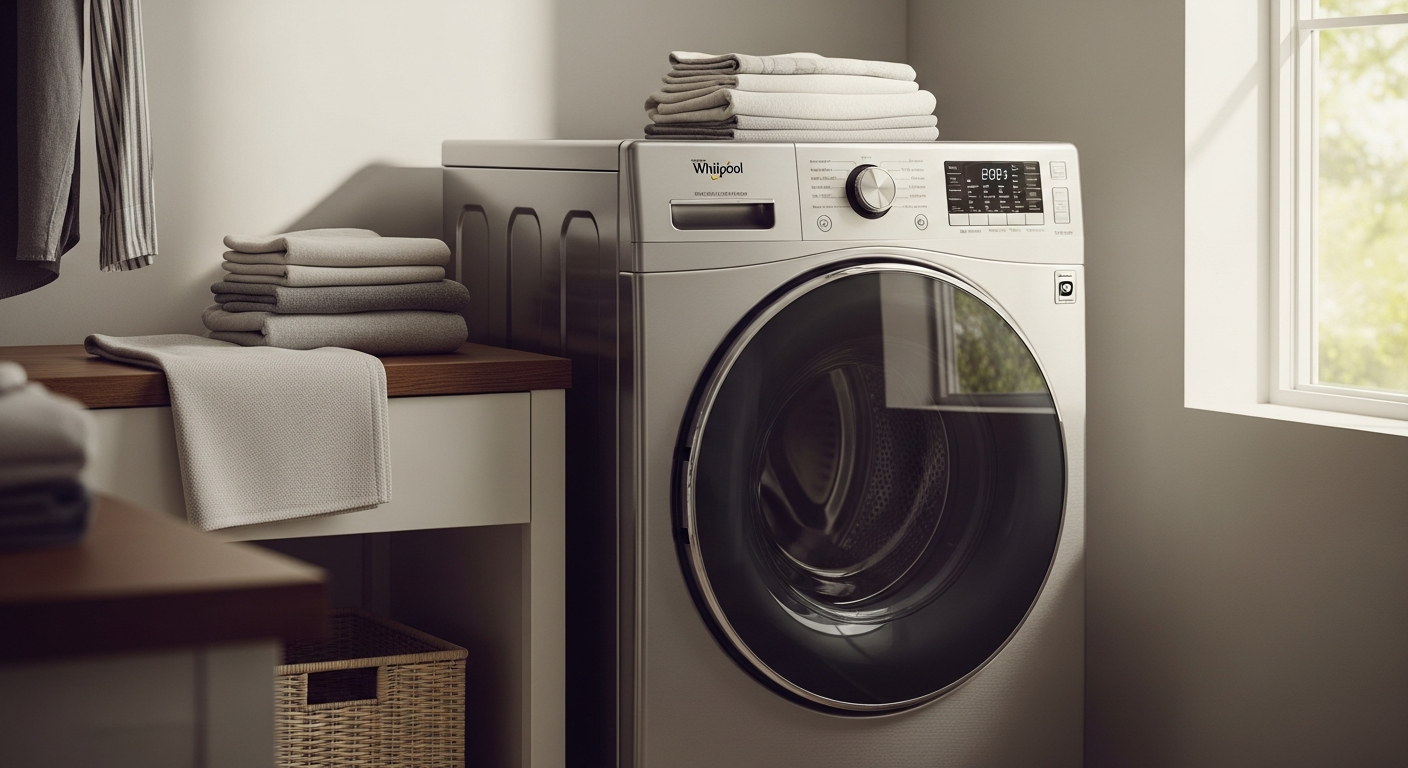
Discover why the Whirlpool WPD 2836W ADS IT washer dryer is perfect for busy families. Learn about its 12kg capacity, Class A energy efficiency, and space-saving design in this comprehensive guide for Italian households.
Families with children spend an average of 8+ hours per week on laundry—and that's before folding. Between school uniforms, sports gear, bedding, and everyday wear, the mountain of dirty clothes never seems to stop growing. The Whirlpool WPD 2836W ADS IT represents a shift in how modern Italian households approach laundry, combining 12 kg of washing capacity with 8 kg of drying power in one sleek unit.
This combined appliance addresses a real problem: the endless cycle of transferring wet clothes from washer to dryer, managing two separate machines, and finding floor space for both. For families struggling with laundry logistics, this model offers a straightforward solution that doesn't compromise on performance.
Discover the Whirlpool WPD 2836W ADS IT on Supermedia.it and transform your laundry routine today. Throughout this guide, you'll discover everything that makes this model stand out for family households: its impressive capacity for handling weekly laundry loads, genuine savings on energy bills, practical space-saving benefits, and honest trade-offs you should know about before purchasing.
The Family Laundry Problem That This Washer Dryer Solves
Large household loads without multiple cycles
The 12 kg washing capacity eliminates the need to split loads for families of 4 or more members. This means running fewer wash cycles per week—a significant time saver when you're juggling work, kids, and household responsibilities.
Time reclaimed from laundry day
Combined wash-and-dry functionality reduces the number of machine transitions and manual transfers. Instead of moving clothes from washer to dryer, setting the dryer, then moving them again, you load once and walk away. That's meaningful time savings when laundry day already consumes your schedule.
Space constraints in modern apartments
Single-unit design is ideal for Italian homes where separate washer and dryer setups consume valuable floor space. Many modern apartments simply don't have room for two machines, making a combined unit the practical solution rather than a luxury choice.
Reducing laundry frequency
Larger capacity means washing less often—critical for busy parents and working professionals. Instead of running loads every other day, you can consolidate to once or twice weekly, freeing mental energy for other priorities.
Consolidated utility setup
One appliance to maintain, install, and troubleshoot instead of managing two separate units. You won't worry about one machine breaking down while the other runs, and installation becomes straightforward rather than complex.
Accessibility for users with mobility concerns
Front-loading design sits at an appropriate height for easier loading and unloading, particularly beneficial for elderly household members or anyone with back concerns.
Breaking Down the Capacity: Is 12kg Washing + 8kg Drying Enough?
Real-world load scenarios
The 12 kg washing capacity translates differently depending on fabric type. Heavy items like jeans, towels, and bedding consume more capacity than lightweight clothing. For a family of four, this capacity typically handles a full week's laundry of mixed clothing in two to three loads.
Understanding the capacity gap
The drying capacity (8 kg) being smaller than washing capacity (12 kg) isn't a design flaw—it's standard across the industry. Wet clothes take up less physical space than dry clothes need for adequate airflow. This means a full 12 kg wash load will require splitting into two drying cycles or removing some items to dry separately.
Load-splitting strategies
You'll need to divide loads when running full 12 kg washes through the drying cycle. The practical approach involves running the dryer with 8 kg, then adding the remaining items for a second cycle. This sounds inconvenient, but you're still ahead of managing two completely separate machines.
Fabric-specific capacity considerations
Delicate items take up more space relative to their weight due to air circulation requirements. Heavy fabrics like winter coats or thick towels also consume disproportionate capacity. Mixed loads—the reality of most households—naturally manage capacity efficiently.
Comparison to separate units
Separate washer-dryer combinations can theoretically run simultaneously, but they require double the space and double the utility connections. The Whirlpool's combined approach sacrifices simultaneous operation for spatial efficiency.
Seasonal load variations
Winter brings heavier items: bedding, coats, and thermal clothing. Summer loads are lighter and drier faster. The 12 kg capacity handles winter peaks comfortably, making seasonal variation less problematic than in smaller-capacity combined units.
Fabric-specific considerations
Different materials behave differently at these capacities. Cotton items compress well during washing, while synthetics and blends maintain bulk, affecting how full the drum feels.
Energy Efficiency That Actually Reduces Your Monthly Bills
Class A energy rating explained
Class A certification means this unit operates in the top tier of energy efficiency for its category. This translates to lower electricity consumption per wash and dry cycle compared to older models or less efficient current appliances.
Estimated annual energy consumption
Similar models with Class A ratings typically consume 150-190 kilowatt-hours annually for combined washing and drying. At Italian electricity rates averaging €0.30 per kWh, that's roughly €45-57 yearly for energy alone—considerably less than operating two separate units.
Water usage efficiency
Modern wash cycles minimize water waste through sensor technology that adjusts water levels based on load size. This reduces both water consumption and the energy required to heat that water, compounding efficiency gains.
Drying efficiency mechanics
Heat pump or condensation drying technology in modern appliances extracts moisture without excessive heat, reducing energy demands. The mechanism recycles warm air rather than constantly heating fresh air, which is where older dryers waste energy.
Long-term ROI calculation
If you're replacing a 15-year-old separate washer and dryer combination, annual energy savings could reach €120-150. Over a 10-year lifespan, that's €1,200-1,500 in operational savings—meaningful money when considering the initial purchase price.
Environmental impact
Energy efficiency directly reduces your household's carbon footprint. Lower electricity consumption means fewer fossil fuels burned for power generation. Over its operational lifetime, this unit prevents several tons of CO₂ emissions compared to inefficient alternatives.
Smart features for energy optimization
Sensor-based drying automatically stops when clothes reach the desired moisture level rather than running predetermined times. Partial-load detection adjusts water and energy usage for smaller washes, preventing waste when running less-than-full loads.
Space-Saving Design for Compact Italian Living Spaces
Footprint dimensions and placement options
The compact footprint fits into standard laundry closets, kitchen corners, or dedicated utility areas common in Italian apartments. Exact dimensions matter—measure your space carefully before committing.
Stackability and alternative configurations
This model isn't designed for stacking, but its front-loading design allows placement in various orientations. Some installations position it under countertops or beside kitchen cabinetry for integrated appearance.
Design aesthetics
Stainless steel or white finish options complement contemporary home interiors. The clean lines and compact profile don't dominate a room aesthetically, fitting naturally into modern kitchens and laundry spaces.
Ventilation and installation requirements
Proper airflow around the unit ensures condensation doesn't accumulate. Installation requires considering exhaust management—whether through external venting or condensation drainage systems.
Accessibility in tight spaces
The door swing radius needs clearance for comfortable loading and unloading. In very constrained spaces, this becomes a practical consideration that shouldn't be overlooked.
Integration with existing appliances
The unit coordinates well with standard kitchen appliances, fitting alongside dishwashers, refrigerators, and ovens without requiring special modifications or unusual configurations.
Wash and Dry Programs: What You're Actually Getting
Standard wash cycles
Delicate, normal, heavy-duty, and specialty fabric programs cover typical household needs. Each cycle adjusts water temperature, spin speed, and agitation intensity for appropriate fabric care.
Quick wash options
Express cycles for lightly soiled items run 15-30 minutes, ideal for time-pressed households or refreshing garments between full washes.
Temperature and spin speed controls
Flexibility across cycles lets you match settings to fabric requirements. Cold water cycles preserve colors while hot water tackles heavily soiled items.
Drying program variety
Timed drying allows manual duration selection, while sensor-based drying automatically stops when moisture reaches desired levels. Low-temperature options protect delicate fabrics from heat damage.
Eco modes and reduced-consumption settings
Dedicated energy-saving programs reduce water and electricity without sacrificing cleaning quality, appealing to environmentally conscious users.
Cycle duration expectations
Combined wash-dry cycles typically range 3-5 hours depending on load size and program selection. This is longer than individual machines running separately, but represents genuine convenience when considering manual transfers and waiting periods.
Control interface
Digital displays with intuitive button layouts make program selection straightforward. Most users learn the essential cycles within a few uses without consulting the manual repeatedly.
Pricing Strategy and Where to Find the Best Deals
Supermedia.it competitive positioning
Supermedia.it positions itself as a competitive retailer offering attractive pricing on premium appliances. This Italian electronics retailer combines broad selection with price advantages that make quality appliances more accessible.
Typical price range
Expect €500-€900 depending on promotions, bundles, and seasonal sales. Timing your purchase around major retail events can yield significant savings within this range.
Financing options
Payment plans and installment offers make the purchase more manageable for Italian consumers. Many retailers including Supermedia.it offer 12-24 month interest-free financing on qualifying purchases.
Warranty coverage
Standard manufacturer warranty typically covers parts and labor for 2-3 years. Extended protection plans add coverage beyond manufacturer periods, though actual necessity depends on your risk tolerance.
Delivery and installation costs
These hidden expenses add €100-200 to your total purchase price. Factor in professional installation if you're not comfortable with electrical and plumbing connections.
Promotional timing
Best purchasing seasons typically coincide with post-holiday sales (January), spring cleaning season (April-May), and end-of-summer promotions (August-September). Black Friday and Cyber Monday also offer substantial discounts.
Trade-in programs
Recycling incentives for replacing older appliances sometimes reduce your net purchase cost. Ask Supermedia.it about current trade-in values for your existing washer or dryer.
The Honest Trade-Offs You Should Know About
Longer cycle times
Combined wash-dry cycles take more time than separate units running simultaneously. You sacrifice the option of washing one load while drying another, which matters if you run laundry constantly.
Drying capacity limitations
Requiring load splitting for heavier items or larger washes adds cycles beyond what separate machines would need. This partially offsets the time savings from consolidated operation.
Condensation management
Moisture handling in compact spaces can create humidity concerns if ventilation isn't adequate. Proper exhaust management becomes essential rather than optional.
Repair complexity
Servicing a combined unit sometimes costs more than repairing separate appliances because specialized technicians are less common. Parts availability can occasionally be slower.
Resale value considerations
Combined units sometimes hold value less predictably than separate appliances in secondhand markets. Buyers' preferences vary by region and timeframe.
Program flexibility constraints
Limited simultaneous operation means you can't wash one load while drying another, unlike separate units. This matters primarily for heavy-use households.
Noise and vibration levels
Operational sound during wash cycles remains typical for modern machines, but drying cycles can generate notable noise due to circulation fans. This varies by installation location and surrounding materials.
The Bottom Line for Your Laundry Routine
The Whirlpool WPD 2836W ADS IT delivers genuine value for Italian households prioritizing space efficiency, energy savings, and convenience. Its 12 kg washing capacity genuinely handles substantial weekly loads, while the Class A energy rating translates into measurable monthly savings on your utility bills. The device works best for households washing for 4 or more people, those living in space-constrained apartments, or anyone wanting to streamline laundry processes.
Before committing, honestly assess whether your household generates enough laundry volume to justify the investment and whether your space can accommodate the footprint comfortably. The trade-offs around drying capacity and longer combined cycles matter less if you're replacing two separate machines or currently outsourcing laundry due to space limitations.