
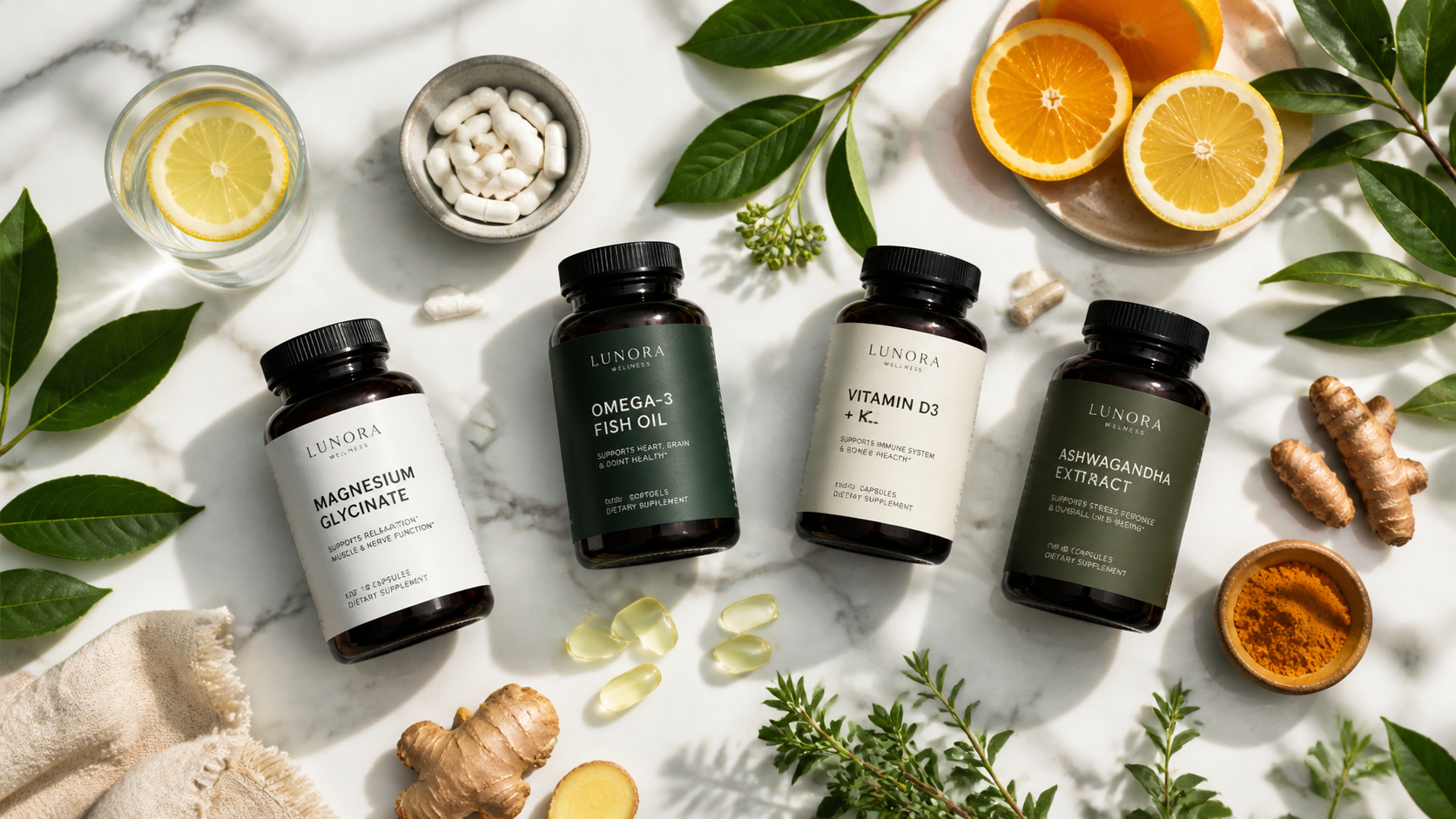
Get premium wellness supplements guide. Discover top products, benefits, and expert recommendations for optimal health and wellness.
Creating high-performing wellness content requires more than just general health advice. The digital wellness landscape demands precision, strategy, and a deep understanding of what your audience actually needs. When you’re building content for a platform like mywellness.de, every word must serve a purpose—whether that’s answering customer questions, addressing specific pain points, or guiding prospects toward informed purchasing decisions.
The challenge most wellness brands face isn’t a lack of content; it’s a lack of targeted content. Generic wellness articles flood the internet, making it increasingly difficult for genuine products and services to stand out. Without a strategic approach rooted in actual product knowledge and customer intent, your content blends into the noise rather than capturing the attention of people ready to invest in their health.
Product Selection: The Foundation of Winning Content
Before writing a single word of SEO-optimized content, you need clarity on what you’re promoting. This isn’t about guessing what might work—it’s about understanding the specific wellness solution you’re presenting to the market.
Why Specific Product Information Matters
Generic wellness content performs poorly because it fails to address the real decisions your audience faces. Someone searching for a wellness product isn’t looking for philosophical discussions about health; they’re evaluating options, comparing features, and trying to determine if a specific solution fits their needs. Your content must mirror this intent.
When you provide specific product details—whether that’s a supplement brand, fitness equipment, wellness app, or health service—the SEO strategy fundamentally shifts. Keyword difficulty changes, competitor landscape transforms, and the content structure that converts visitors into customers becomes crystal clear.
Consider the difference between writing about “wellness products” versus “adaptogenic mushroom blends for stress management” versus “premium cordyceps supplements for athletic endurance.” Each targets a different audience segment, faces different competition, and requires distinct messaging angles.
The Information You Should Provide
To build a comprehensive SEO outline tailored specifically to mywellness.de’s offerings, gather these details:
- Specific product name or category (e.g., “Sleep Support Supplements,” “Meditation Devices,” “Nutrition Shakes”)
- Direct product URL or links to top 3-5 candidate products from the site
- Target audience clarification (fitness enthusiasts, busy professionals, aging adults, athletes)
- Primary customer pain points (sleep quality, stress management, energy levels, recovery time)
- Unique selling proposition (what distinguishes this product from similar alternatives)
SEO Optimization Strategy: Building Visibility and Trust
Once product details are established, the SEO strategy falls into place with remarkable clarity. This is where generic advice transforms into actionable, results-driven tactics.
Keyword Research and Difficulty Analysis
Different products exist in different competitive spaces. A niche supplement brand faces entirely different keyword challenges than a mass-market wellness app. Proper keyword research requires knowing:
- Search volume for product-specific terms
- Keyword difficulty scores in your particular wellness niche
- Long-tail variations customers actually use when searching
- Question-based queries your target audience asks (the “people also ask” section goldmine)
Without knowing your specific product, recommending keywords would be guesswork. The difference between targeting a high-difficulty, low-conversion keyword and a medium-difficulty, high-intent keyword can determine whether your content generates meaningful traffic or gets buried on page three of search results.
Competitor Differentiation Approach
Your competitors’ content strategy reveals what’s already saturating your market segment. Some wellness products operate in crowded spaces where dozens of brands offer similar solutions. Others occupy underserved niches where content gaps create immediate opportunities.
Analyzing competitor content shows you:
- Which messaging angles are overused and stale
- Which customer pain points competitors ignore
- Where opportunities exist for original, more helpful content
- What content formats (guides, reviews, comparisons) drive engagement in your category
This competitive intelligence becomes the blueprint for creating content that actually stands out.
Content Structure for Conversions
SEO success and conversion success aren’t the same thing. You can rank for a keyword and still fail to convert visitors into customers. The content structure that serves both purposes requires:
- H1 titles that communicate clear value and include primary keywords naturally
- Meta descriptions that compel clicks while accurately representing content
- Opening paragraphs that acknowledge the visitor’s specific problem
- Semantic keyword integration that signals topical authority without keyword stuffing
- Comparison sections that honestly address how your product compares to alternatives
- Social proof elements that build trust and credibility
- Clear CTAs that guide readers toward the next step
Content Delivery Plan: From Strategy to Execution
A solid SEO outline doesn’t just list topics—it creates a narrative arc that moves readers from awareness through consideration to decision-making.
Unique H1 Title Creation
Your H1 headline must accomplish multiple objectives simultaneously. It needs to:
- Include relevant keywords without sounding awkward
- Communicate immediate benefit or value
- Create curiosity or emotional resonance
- Accurately represent the content that follows
Generic titles like “Complete Guide to Wellness Products” fail on multiple fronts. Specific, benefit-driven titles that incorporate actual product details perform exponentially better.
Meta Description Optimization
Search engine results show roughly 155-160 characters of your meta description. This tiny piece of text directly influences click-through rates. Effective meta descriptions:
- State the unique benefit clearly
- Include a compelling reason to click
- Incorporate target keywords naturally
- Create urgency or value perception
Introduction with Engagement Hooks
The first few sentences determine whether visitors read further or bounce immediately. Effective introductions in wellness content:
- Acknowledge a specific, relatable problem
- Establish credibility through expertise or social proof
- Preview the solution or answer coming in the content
- Create a reason to continue reading
Next Steps to Get Your SEO Outline
Building a high-converting SEO outline for mywellness.de’s best-selling wellness products requires precision that generic templates simply can’t provide. The difference between mediocre wellness content and content that actually ranks and converts comes down to specificity.
Here’s what happens once you provide the product details: Within minutes, you’ll receive a comprehensive outline featuring an optimized H1 title engineered for search visibility and click-through rates, a meta description that stops scrollers in their tracks, 6-8 H2 sections organized around semantic keywords and customer journey stages, strategic H3 subheadings with supporting bullet points that address specific customer concerns, conversion-focused conclusion sections that guide readers toward taking action, and internal linking opportunities that build content hub authority across your wellness site.
The wellness market rewards brands that understand their customers deeply. When your SEO content reflects genuine product knowledge and actual customer needs, it doesn’t just rank better—it attracts the right customers, builds trust, and drives conversions that justify the content investment.
Visit mywellness.de now and select the specific product you want to build your SEO strategy around.