
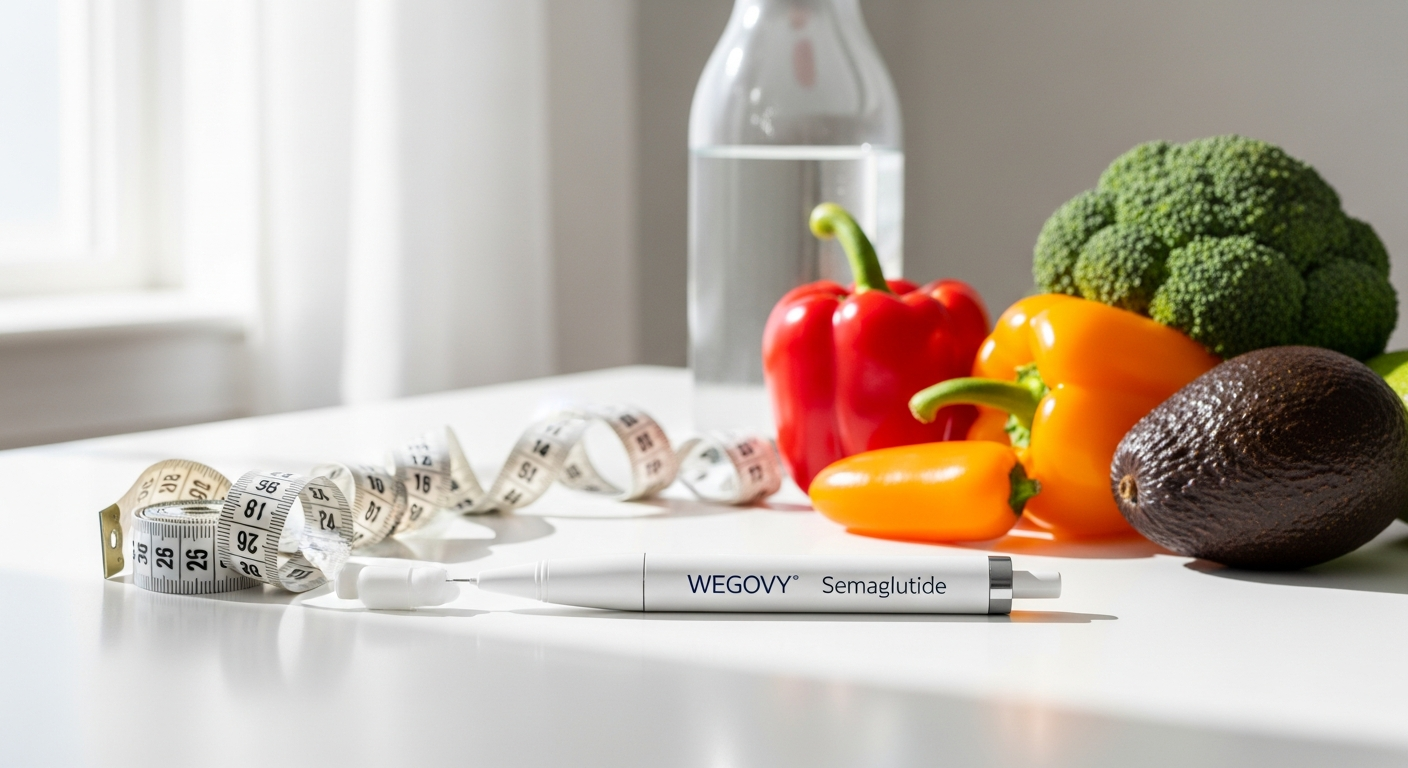
Discover how Wegovy semaglutide injections work for weight loss, dosing schedules, side effects, and whether this prescription medication is right for you. Evidence-based guide.
Nearly 42% of adults in the UK struggle with obesity, yet most traditional dieting approaches fail within the first year. The cycle repeats: restrictive eating, initial weight loss, then a slow drift back to old patterns. This isn’t a failure of willpower—it’s the reality of fighting your body’s natural hunger signals without proper support. Semaglutide-based treatments like Wegovy are rewriting this story entirely, offering a clinically-backed alternative that works alongside your body’s appetite regulation systems rather than against them.
Wegovy represents a genuine breakthrough in pharmaceutical weight management, targeting the hormonal mechanisms that drive hunger and cravings at their source. Unlike older appetite suppressants that left patients feeling jittery or anxious, this weekly injectable medication offers a practical solution for people managing obesity or weight-related conditions. The difference lies in how it functions: instead of forcing your body into submission, semaglutide communicates with the brain’s hunger centers to reduce “food noise”—that constant mental chatter about eating that derails so many weight loss attempts.
Discover how Wegovy can transform your weight loss journey with The Independent Pharmacy today.
How Semaglutide Actually Reduces Appetite and Food Cravings
Semaglutide works as a GLP-1 receptor agonist, mimicking a naturally occurring hormone in your body that signals fullness to your brain. This isn’t artificial suppression—it’s biological communication that your body already understands. When you eat, your gut naturally releases glucagon-like peptide-1 (GLP-1) to tell your brain you’ve had enough. Semaglutide amplifies this signal, making it louder and more persistent, so portion control becomes effortless rather than a constant battle of willpower.
The Science Behind Food Noise Reduction
Food noise—that relentless mental focus on eating, snacking, and the next meal—keeps many people trapped in an endless cycle. Semaglutide targets the satiety hormones in your brain, particularly in regions responsible for hunger perception. By activating GLP-1 receptors, the medication slows gastric emptying (how quickly food leaves your stomach), increases feelings of fullness, and reduces the reward signals your brain receives from food. The result? You think about food less, crave less, and naturally eat smaller portions without deprivation.
Most users report noticing appetite suppression within 1-2 weeks of starting treatment, though the effect strengthens as your dose increases. This timeline matters because it means you’re not waiting months to experience relief—the benefits appear relatively quickly, providing motivation and proof that the treatment is working.
How Semaglutide Compares to Traditional Approaches
Traditional calorie restriction alone forces you to fight your body’s hunger signals constantly. You’re hungry, you ignore it, you use willpower. This approach fails because hunger is a powerful biological drive, not a character flaw. Semaglutide changes the equation by reducing actual hunger rather than requiring you to override it. Clinical evidence shows that people using semaglutide lose more weight with less reported difficulty than those dieting alone, and they’re far more likely to maintain results.
The real-world impact is measurable: users report naturally cutting portions in half, losing interest in snacks, and feeling satisfied with smaller meals. These aren’t conscious restrictions—they’re automatic adjustments driven by genuine physiological changes.
Wegovy Dosing Schedule and Titration Protocol
Safety drives the dosing strategy with Wegovy. You won’t start at the therapeutic dose because your body needs time to adapt to semaglutide’s effects. Starting too high causes significant gastrointestinal side effects that most people find unbearable. Instead, treatment follows a careful escalation pattern over 12-16 weeks.
The Four-Week Escalation Pattern
Your journey begins with 0.25mg once weekly for four weeks. This low starting dose allows your body to adjust to the medication while minimizing nausea and other digestive effects. After four weeks, your dose increases to 0.5mg for another four-week period. This pattern continues with progressive increases to 1.0mg, then 1.7mg, then 2.4mg at four-week intervals.
The maximum therapeutic dose reaches 7.2mg weekly, though not everyone requires this highest strength. Your healthcare provider determines the appropriate maintenance dose based on your individual response, tolerance, and weight loss progress. Some patients achieve excellent results at 2.4mg, while others benefit from continuing to the maximum dose.
Why Gradual Titration Minimizes Side Effects
This slow escalation serves multiple purposes. First, it allows your gastrointestinal system to adapt gradually to semaglutide’s effects, significantly reducing nausea and vomiting compared to starting at higher doses. Second, your body becomes accustomed to the medication’s satiety effects, so the appetite suppression feels increasingly natural rather than forced. Third, the gradual approach identifies the minimum effective dose for your body, potentially reducing unnecessary medication exposure.
Most people reach their therapeutic dose within 12-16 weeks, at which point they settle into a maintenance schedule of weekly injections at their established dose. Long-term treatment considerations vary—some patients take Wegovy continuously, while others may pause or discontinue after achieving weight loss goals under medical guidance.
Start your Wegovy treatment journey with a consultation at The Independent Pharmacy.
Injection Technique and Administration Basics
Self-injection intimidates many people initially, but the FlexTouch pen design makes the process straightforward. The pen holds a pre-filled dose of semaglutide, ready to inject into subcutaneous tissue (the layer beneath your skin).
Injection Sites and Rotation
You have three primary injection site options: the abdomen, thigh, or upper arm. Rotating between sites prevents lipodystrophy—thickened or dimpled skin tissue that can develop from repeated injections in the same location. A simple rotation pattern might involve using your abdomen the first week, then switching to your thigh, then your upper arm, then back to the abdomen. This variation keeps any single area from bearing repeated trauma.
Proper rotation also maintains consistent medication absorption, ensuring steady semaglutide levels in your bloodstream rather than variable amounts that might affect efficacy.
Step-by-Step Self-Injection Process
The FlexTouch pen includes a built-in needle that you don’t handle directly. To inject, you remove the pen from refrigeration, let it sit at room temperature for 15-30 minutes (cold injections are uncomfortable), wipe the injection site with an alcohol swab, and press the pen against your skin at a 90-degree angle. A click confirms the needle has entered the subcutaneous tissue. You then hold the pen steady for several seconds while the medication delivers, then withdraw.
Storage matters significantly for medication stability. Wegovy requires refrigeration between 2-8°C until first use. After opening, the pen remains effective for 28 days at room temperature (up to 25°C) or in the refrigerator. Protecting the medication from direct sunlight and extreme temperatures preserves its potency.
Timing and Consistency
Choose the same day each week for your injection to establish a reliable routine. Most people select a day that fits naturally into their schedule—perhaps Sunday evening for the week ahead, or Wednesday when they’re in an established rhythm. This consistency helps prevent missed doses while making the injection routine feel like a normal part of your week.
Managing injection anxiety, especially for first-time users, involves starting in a comfortable environment where you can relax. Many people find their anxiety diminishes after the first injection when they realize the process isn’t painful—the small needle causes minimal discomfort, and having a concrete routine reduces the mental anticipation that often feels worse than the actual injection.
Weight Loss Results and Clinical Evidence
The clinical data supporting Wegovy’s effectiveness is robust. Randomized controlled trials demonstrate that patients using semaglutide lose significantly more weight than those receiving placebo, with many losing 15-21% of their starting body weight over a year of treatment.
Average Weight Loss Outcomes
Real-world results vary based on multiple factors. Someone starting at 120kg might lose 15-25kg over a year, while another person starting at 100kg might lose 12-20kg. The percentage of body weight lost tends to be more consistent across different demographics than absolute weight numbers. Factors affecting individual outcomes include baseline metabolism, genetics, diet quality, exercise consistency, and how your body responds to semaglutide specifically.
Visible results typically emerge within 4-8 weeks of consistent treatment, though some people notice changes in how their clothes fit before the scale shifts significantly. This timeline matters psychologically—early visible progress fuels motivation for dietary changes and exercise that maximize results.
Metabolic Benefits Beyond Weight Reduction
Weight loss is just one benefit. Many users with type 2 diabetes experience improved blood sugar control independent of weight loss, suggesting semaglutide’s metabolic effects extend beyond appetite regulation. Blood pressure often improves as weight decreases. Inflammation markers decline, reducing disease risk. Cholesterol profiles frequently improve. These cascading health benefits mean Wegovy addresses not just weight but the underlying metabolic dysfunction that causes or accompanies obesity.
Compared to other weight loss medications and bariatric surgery options, semaglutide offers advantages in terms of non-invasiveness, reversibility, and relative side effect tolerance. Surgery produces faster initial results but carries surgical risks and permanent anatomical changes. Older weight loss medications often caused serious adverse effects. Semaglutide sits in a sweet spot of efficacy, tolerability, and safety.
Side Effects and Safety Considerations
Understanding potential side effects helps you manage them effectively rather than abandon treatment prematurely. Most side effects are gastrointestinal and temporary, occurring primarily during dose escalation phases.
Common Gastrointestinal Side Effects
Nausea affects roughly 40% of users, particularly as doses increase. Most experience mild-to-moderate nausea rather than severe vomiting, and the effect typically subsides within days or weeks as your body adapts. Constipation and diarrhea occur as your digestive system adjusts to semaglutide’s effects on gastric motility. Some users experience both during the same treatment phase, reflecting the medication’s powerful impact on digestion.
Managing these effects involves several practical strategies. For nausea, eating smaller, more frequent meals prevents overwhelming your system. Avoiding fatty or greasy foods reduces nausea triggers. Staying well-hydrated supports digestion and reduces symptom intensity. Timing meals several hours after injection can help. Most people find symptoms are worst on injection day and improve significantly within 48 hours.
Rare but Serious Adverse Events
Pancreatitis—inflammation of the pancreas—is rare but serious, occurring in less than 1% of users. Symptoms include severe upper abdominal pain, vomiting, and elevated pancreatic enzymes on blood work. Gallbladder issues, including gallstones and inflammation, develop in a small percentage of patients, possibly related to rapid weight loss affecting bile composition. These conditions require immediate medical attention and usually warrant discontinuing Wegovy.
Contraindications include personal or family history of medullary thyroid carcinoma and multiple endocrine neoplasia syndrome type 2, as semaglutide affects thyroid C-cell growth. Anyone with a personal history of pancreatitis or gallbladder disease requires careful medical evaluation before starting treatment. Pregnancy and breastfeeding contraindicate semaglutide use due to limited safety data.
Drug Interactions and Medical Oversight
Semaglutide may interact with medications affecting blood sugar, particularly insulin or other diabetes drugs, potentially requiring dose adjustments to prevent low blood sugar. Medications that affect stomach emptying may interact with semaglutide’s effects on gastric motility. These interactions require medical oversight—part of why regular check-ins with your healthcare provider matter throughout treatment.
Lifestyle Integration and Maximizing Treatment Success
Semaglutide doesn’t work alone. The medication quiets appetite signals, but you still need to make dietary choices and move your body. The combination produces powerful results; either element without the other produces suboptimal outcomes.
Nutritional Guidelines and Calorie Intake
During Wegovy treatment, most people naturally consume 1200-1500 calories daily as appetite suppression makes larger intakes uncomfortable. Rather than strictly counting calories, focus on nutrient density. Prioritize protein—eggs, fish, lean meat, legumes—to maintain muscle mass while losing fat. Include vegetables for fiber, micronutrients, and volume that creates physical fullness. Healthy fats from nuts, olive oil, and fish support hormone production and satiety despite their caloric density.
Aim to lose 0.5-1kg weekly, which typically requires a 500-750 calorie daily deficit. Faster losses often come from muscle tissue as well as fat. Slower losses may indicate an insufficient deficit or medical factors affecting metabolism. Your healthcare provider can help adjust expectations based on your individual circumstances.
Exercise Recommendations
Exercise amplifies weight loss results and preserves muscle during rapid fat loss. Aim for 150 minutes of moderate-intensity aerobic activity weekly (brisk walking, cycling, swimming) combined with resistance training twice weekly. This combination builds or maintains muscle while semaglutide drives fat loss. The result? Better body composition and lower risk of weight regain compared to diet-only approaches.
Movement also provides mood benefits that support long-term adherence. Many people find that as appetite suppression removes constant food preoccupation, they have mental energy and time to prioritize exercise they previously neglected.
Behavioral Strategies for Sustained Weight Loss
Sustaining weight loss after discontinuing Wegovy requires behavioral habits established during treatment. Use the period when appetite is suppressed to develop reliable meal patterns, reduce portion sizes habitually, and increase physical activity until these feel automatic rather than effortful. The medication helps you develop new behaviors; those behaviors sustain results after the medication ends.
Psychological aspects of appetite suppression include adjusting to eating when you’re not particularly hungry—a departure from most people’s normal eating patterns. Some individuals find this liberating; others experience boredom with food. Both responses require intentional management. Consider mindful eating practices, social connection around meals, and culinary exploration to maintain food enjoyment despite reduced appetite.
Social considerations become more prominent with semaglutide because reduced appetite makes typical social eating situations feel foreign. Dining out may involve ordering less than companions without embarrassment. Family meals where others expect you to eat normally might require explanation or simple matter-of-fact eating less. Food-centered celebrations and holidays shift from food focus to social connection. These adjustments are manageable with clear communication and mental reframing.
Cost, Access, and Obtaining Wegovy Through The Independent Pharmacy
Wegovy is a private prescription medication in the UK, meaning costs aren’t covered by NHS formularies (though individual circumstances occasionally permit exceptions). Understanding the financial investment helps you make informed decisions.
Pricing and Treatment Options
Pricing varies based on dosage and treatment duration. Lower starting doses cost less than maintenance doses because you’re receiving smaller amounts of medication per injection. The Independent Pharmacy provides transparent pricing for different dosage strengths and treatment packages. A month of 0.25mg costs less than a month of 7.2mg. Most people budget for at least 12-16 weeks of treatment during the escalation phase, then ongoing costs for maintenance doses.
Discount codes and promotional pricing occasionally become available through The Independent Pharmacy, reducing treatment costs during specific periods. Signing up for their communications ensures you’re aware of special offers. Some patients also explore payment plans and financing solutions, spreading costs across multiple months to improve affordability.
Consultation Fees and Total Treatment Cost
Medical consultation fees typically range from £40-100, depending on assessment complexity. These consultations involve healthcare professional review of your medical history, contraindications screening, and eligibility determination. Consultation fees sometimes apply toward medication costs if you proceed with treatment through the same provider. The total treatment investment includes consultation plus medication costs, so budgeting for both matters.
The Independent Pharmacy’s online consultation process removes travel costs and time requirements compared to in-person medical appointments, reducing overall treatment friction. Discreet delivery protects privacy while ensuring medication arrives safely and on schedule.
Medical Consultation Requirements and Eligibility Criteria
Not everyone qualifies for Wegovy treatment. Eligibility criteria exist for safety and efficacy reasons.
BMI Thresholds and Health Conditions
Wegovy is approved for adults with a BMI of 30 or higher (obese category), or those with BMI of 27-29.9 (overweight) who have weight-related health conditions including type 2 diabetes, high blood pressure, or cardiovascular disease. These criteria focus treatment on people most likely to benefit from appetite suppression and weight loss.
Pre-treatment assessment involves comprehensive health screening. You’ll discuss your medical history, current medications, previous weight loss attempts, lifestyle factors, and health goals. Blood work may include thyroid function tests (essential because semaglutide affects thyroid tissue), pancreatic markers, and glucose levels. This thorough evaluation identifies contraindications and establishes baseline health metrics to monitor during treatment.
Contraindications and Medical History Factors
Personal or family history of medullary thyroid carcinoma absolutely contraindicates semaglutide use. History of multiple endocrine neoplasia syndrome type 2 also prevents treatment. Recent or recurrent pancreatitis, active gallbladder disease, severe kidney disease, or uncontrolled high blood pressure may preclude treatment or require additional monitoring. Pregnancy and the intention to become pregnant within the next three months typically defer treatment until postpartum or after the relevant period.
The Independent Pharmacy’s Consultation Approach
The Independent Pharmacy’s healthcare professionals conduct thorough consultations assessing your individual circumstances, ensuring semaglutide is appropriate for you specifically. They don’t rubber-stamp approvals—they genuinely evaluate whether treatment suits your health status and goals. This scrutiny protects you from inappropriate treatment while confirming eligibility when treatment makes sense.
Questions to prepare for your consultation include clarifying your weight loss goals (specific numbers versus general improvement), previous weight loss experiences and why they didn’t sustain, current activity levels and willingness to increase them, diet quality and typical eating patterns, relevant family medical history, and any concerns about side effects. Clear answers help your healthcare provider tailor recommendations and set realistic expectations.
Ongoing medical supervision throughout treatment involves follow-up appointments to monitor side effects, assess weight loss progress, and adjust doses if needed. Regular contact ensures your treatment remains safe and effective while providing accountability that many people find motivating.
Your Path Forward With Semaglutide Treatment
Wegovy represents a legitimate clinical tool for individuals struggling with obesity and weight-related health complications. The weekly injection format, backed by substantial clinical evidence showing up to 21% body weight reduction, offers a meaningful alternative to the endless cycle of failed diets. However, semaglutide works best when you’re genuinely committed to dietary changes and physical activity. It’s not a magic solution, but rather a powerful ally that quiets the constant mental battle with food cravings and appetite.
If you’ve tried conventional weight loss methods and hit a plateau, or if you’re managing conditions like type 2 diabetes alongside excess weight, Wegovy warrants serious consideration. The gradual dosing schedule minimizes side effects, the once-weekly injection fits seamlessly into most routines, and The Independent Pharmacy’s streamlined online consultation process removes unnecessary barriers to access. Your body’s hunger signals have been working against you for years—semaglutide simply resets those signals to a healthier baseline, making weight loss achievable rather than a constant uphill struggle.
Your next move is straightforward: reach out to The Independent Pharmacy to schedule your medical consultation with genuine commitment to lifestyle modifications. The treatment awaits those ready to take it seriously.
Get started with your Wegovy treatment consultation at The Independent Pharmacy now.