
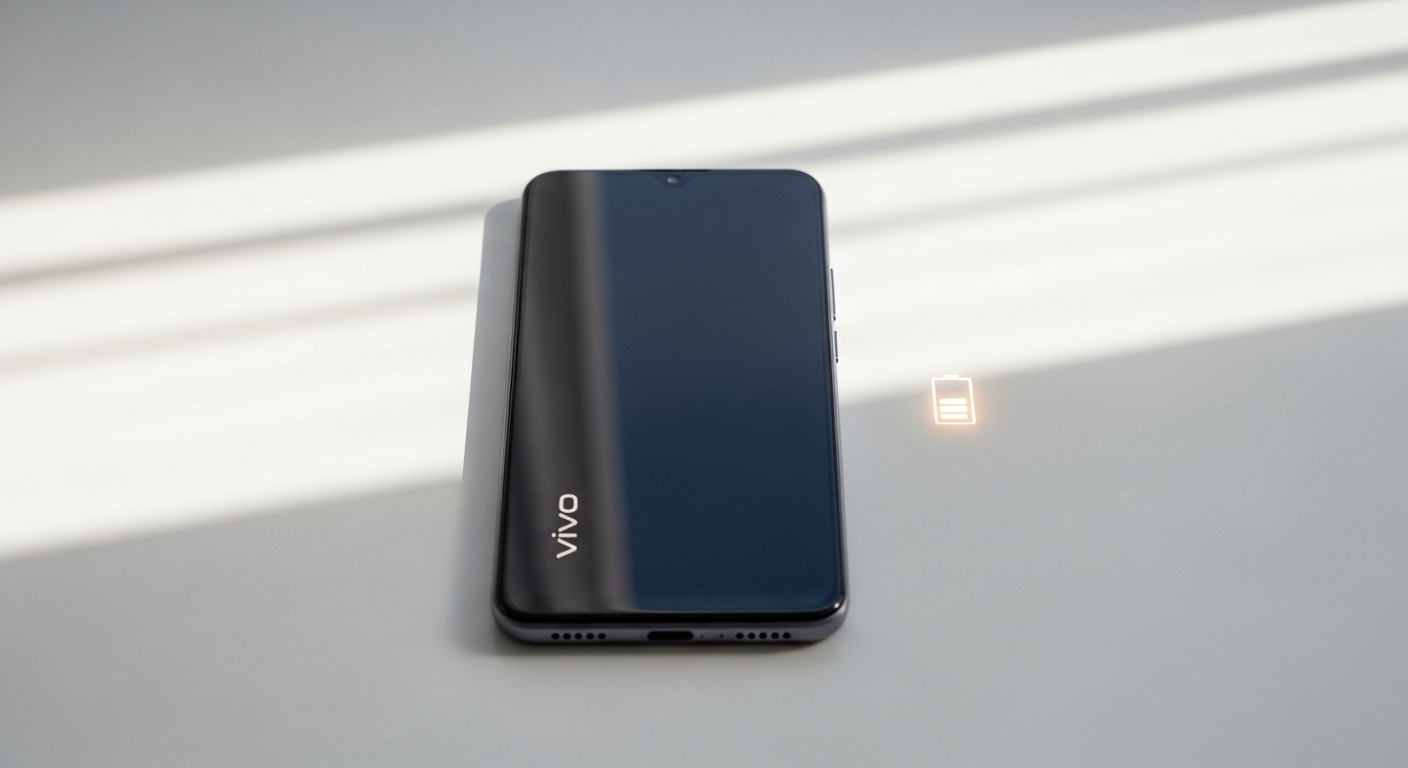
Discover the Vivo Y28’s legendary battery performance, durability features, and real-world longevity. Learn why this budget-friendly smartphone keeps going strong for years.
Milliamp-hours measure the amount of electrical charge a battery can hold. Think of it like a fuel tank—the larger the capacity, the longer your device can run before needing a refill. The Vivo Y28’s 6000mAh battery represents a genuinely substantial capacity for a budget smartphone. This isn’t marketing speak; it’s physics. A larger mAh rating directly translates to more time between charges, which means fewer moments scrambling for an outlet or sacrificing features to preserve battery.
How the 6000mAh Capacity Compares to Competitors in the Budget Segment
In the budget-friendly smartphone market, the Y28’s 6000mAh battery stands out meaningfully. Many competitors in this price range offer 5000mAh batteries, and some even dip below that figure. The extra 1000mAh might sound modest numerically, but it represents a 20% capacity advantage—enough to add several hours of real-world usage to your day. This positioning gives the Y28 a competitive edge that budget-conscious buyers genuinely notice.
Real-World Usage Scenarios: Typical Screen-On Time Across Different User Behaviors
What does 6000mAh actually mean in hours? That depends heavily on how you use your device. A user focused on messaging, light social media, and calls can easily stretch the Y28 to two full days of usage. Heavy users who stream video, game, or use demanding applications might see 15-18 hours of screen-on time before needing a charge. Moderate users—the majority—typically experience a full day of heavy use plus significant evening usage before reaching the charging point.
Why Larger Batteries Reduce Charging Cycles and Extend Overall Device Lifespan
Here’s where the long-term durability calculation becomes crucial. Every time you charge a battery, it undergoes a charge cycle. Batteries degrade with each cycle, which is why the Y28’s massive capacity matters for longevity. With a 6000mAh battery, you’re reducing the number of charge cycles needed annually compared to a 4000mAh alternative. Fewer cycles mean less degradation, which directly supports Vivo’s claim about 80% battery health retention after four years.
44W Fast Charging: Speed Without Sacrificing Battery Health
How 44W Fast Charging Technology Works and Its Efficiency Standards
The Y28’s 44W fast charging technology uses higher voltage and current delivery to push power into the battery more aggressively than standard charging. The system maintains efficiency by converting AC power to the right voltage and current levels without excessive heat generation. This balanced approach—raw speed paired with heat management—is what separates reliable fast charging from the kind that degrades batteries rapidly.
Charging Time Breakdown: 0-50%, 50-100%, and Full Charge Scenarios
Fast charging typically employs adaptive technology: aggressive power delivery during the first half of the charge cycle, then gradual tapering as the battery approaches full capacity. With the Y28, you’re looking at approximately 30-40 minutes to reach 50% charge—ideal for a quick midday top-up. The second half typically takes another 40-50 minutes, bringing total charge time to around 70-90 minutes from empty to full. This tapering in the final stages protects the battery from stress during vulnerable charging periods.
Safety Mechanisms That Prevent Overcharging and Heat Damage
Multiple protection systems work in concert within the Y28’s charging infrastructure. Temperature sensors monitor heat levels continuously, throttling charging speed if temperatures rise beyond safe thresholds. Voltage regulation prevents overcharging by cutting power once the battery reaches full capacity. These aren’t afterthoughts—they’re engineering fundamentals that separate devices with healthy four-year batteries from those that degrade rapidly.
Adaptive Charging Features That Protect Battery Cells During Overnight Charging
The Y28 includes intelligent charging algorithms that recognize patterns. When you charge overnight, the system can learn your typical wake time and adjust its charging profile accordingly. Rather than maintaining maximum voltage all night (which stresses the battery), adaptive systems reduce charging speed during extended charging periods, then resume faster charging closer to your wake time. This seemingly minor adjustment substantially reduces cumulative battery stress over months and years.
Explore the Vivo Y28’s advanced charging technology and battery performance features today.
IP64 Dust and Water Resistance: Built to Survive the Unexpected
What IP64 Rating Means and Its Practical Protection Level
IP ratings follow a standardized system. The “6” refers to dust protection (completely dust-tight), while the “4” indicates water protection against splashing from any direction. The Y28 can handle accidental water splashes—a dropped phone in the sink, rain during a commute, or water sprayed nearby. It won’t survive submersion or high-pressure water jets, but for everyday accidents, IP64 provides genuine peace of mind that many budget smartphones lack entirely.
Real-World Scenarios Where Dust and Water Resistance Proves Invaluable
Picture this: you’re at the beach enjoying the sun, and you set your phone down nearby as waves crash against the shore. Salt spray lands on your device, but the IP64 rating protects the internal components. Or you’re caught in an unexpected downpour, and light rain soaks your pocket. The Y28 survives both scenarios unscathed. These aren’t worst-case catastrophes—they’re situations users encounter regularly, and IP64 transforms them from potential disasters into minor inconveniences.
Limitations of IP64: What It Won’t Protect Against
Understanding the limits matters equally. IP64 won’t protect your Y28 if you submerge it in water for extended periods or take it underwater. High-pressure water jets—like those from a hose or power washer—exceed the protection level. You also shouldn’t rely on it for dusty industrial environments. The rating protects against incidental exposure, not deliberate or extreme conditions.
Design Elements That Support Durability: Slim 7.99mm Build Without Compromising Protection
The Y28 achieves 7.99mm thickness while maintaining IP64 protection, which requires precise engineering. Sealed ports, reinforced edges, and strategic material placement work together to keep the device slim without sacrificing durability. This design approach reflects a philosophy prioritizing both aesthetics and resilience—you get a sleek phone that can actually withstand daily life.
Materials and Design: The Foundation of Long-Lasting Performance
Premium Material Choices That Withstand Daily Wear and Tear
The Y28’s construction uses materials selected specifically for durability. The frame and back panel resist common damage sources: scratches, dents, and stress cracks. Gorilla Glass protection on the display provides scratch resistance, while the overall construction absorbs impacts that would damage phones using lower-quality materials. These choices compound—a phone that resists scratching after one year maintains its aesthetic appeal and structural integrity for four.
Color Options (Agate Green, Gleaming Orange) and Their Durability
The Y28’s available colors—Agate Green and Gleaming Orange—aren’t purely aesthetic choices. These finishes incorporate protective coatings that resist fading and discoloration from sunlight, sweat, and daily handling. The color retention over years of use contributes to the phone feeling relatively new even after extended ownership, maintaining both function and appearance.
Slim, Lightweight Design That Reduces Stress on Internal Components
Weight and thickness directly impact internal component longevity. A heavy phone stresses the solder joints connecting components, increasing failure risk over time. The Y28’s lightweight construction minimizes mechanical stress, reducing the probability of component failure from physical stress. The slim profile also improves ergonomics, encouraging users to actually use the device rather than favoring it with special treatment.
Side-Mounted Fingerprint Sensor Reliability Over Extended Use
The side-mounted fingerprint sensor placement proves more durable than under-display alternatives. Without direct exposure to repeated screen pressure, the sensor maintains consistent accuracy over years. The mechanism itself involves fewer moving parts than some competing designs, further supporting long-term reliability.
Storage Expansion and Performance Longevity: Why 1TB Expandability Matters
8GB RAM + 8GB Extended RAM Technology for Sustained Multitasking
The Y28’s 8GB RAM provides genuine multitasking capacity, allowing smooth operation when running multiple applications simultaneously. The additional 8GB extended RAM feature—virtual RAM created from storage space—offers extra breathing room. This isn’t a replacement for physical RAM, but it prevents your device from becoming sluggish when you’re juggling numerous apps, which would encourage users to close and reopen applications repeatedly.
128GB and 256GB Storage Options Explained
The choice between 128GB and 256GB reflects different usage patterns. The 128GB model suits users focused on social media and messaging with selective photo storage. The 256GB variant accommodates users who store more photos, videos, and applications. Either option provides substantial space for most users, preventing the storage exhaustion that degrades phone performance.
MicroSD Expansion Up to 1TB: Preventing Storage-Related Slowdowns
The Y28’s expandable storage—up to 1TB via microSD—addresses a critical factor in phone longevity. As phones age, storage fills naturally: apps receive updates, system files grow, and cached data accumulates. Without expansion options, users face deletion decisions or accept slowdowns. The Y28’s expansion capability prevents this forced upgrade cycle, allowing users to refresh storage capacity affordably rather than replacing the entire device.
How Adequate Storage Prevents Performance Degradation Over Time
A phone with constantly full storage operates under stress, which manifests as lag, slower app launches, and sluggish interfaces. The system dedicates resources to managing limited space rather than running efficiently. Adequate storage, especially with expansion options, maintains consistent performance throughout the device’s lifespan. This engineering insight explains why the Y28’s storage configuration matters for the four-year durability promise.
Maximizing Your Y28’s Lifespan: Practical Maintenance Strategies
Battery Optimization Settings and Habits That Extend Capacity
Operating systems offer battery optimization features that matter for long-term health. The Y28 supports aggressive power management modes that reduce performance slightly but dramatically extend battery life. Using these modes during less demanding activities—browsing, messaging, casual use—preserves capacity while reserving full performance for moments requiring it. Additionally, avoiding extreme temperature exposure and maintaining charge levels between 20-80% during storage periods supports battery longevity.
Storage Management to Prevent Performance Degradation
Regularly deleting unused applications, clearing app caches, and organizing files maintains storage health. These practices prevent the gradual performance creep that accompanies storage bloat. Monthly storage reviews—identifying and removing large unused files—keep your Y28 running smoothly.
Thermal Management: Keeping Your Device Cool During Heavy Use
Heat represents one of the biggest threats to smartphone longevity. During intensive gaming or video recording, ensure your device has proper ventilation. Using cases that don’t trap heat and avoiding sunlight exposure during heavy use reduces thermal stress on batteries and processors. Periodic checks of background applications using excessive CPU resources prevent unnecessary heat generation.
Software Updates and Their Role in Long-Term Stability
Vivo releases software updates addressing security vulnerabilities, improving efficiency, and optimizing battery management. Keeping your Y28 updated throughout its lifespan ensures you benefit from years of accumulated improvements. These aren’t optional—they’re fundamental to maintaining a healthy device. Each update typically includes battery optimizations and performance improvements unavailable at launch.
Your Four-Year Smartphone Companion Awaits
The Vivo Y28 isn’t just another budget smartphone that’ll fade into irrelevance after a year. It’s engineered for staying power. With its massive 6000mAh battery, 44W fast charging, IP64 durability rating, and thoughtful design choices, this device genuinely delivers on the promise of long-lasting performance without draining your wallet. I’ve walked you through every dimension of its longevity—from the battery technology that retains 80% health after four years, to the expandable storage that prevents performance slowdowns, to the robust materials that withstand daily life. The Y28 strikes that rare balance where affordability and reliability coexist. Whether you’re a Gen Z user prioritizing social media readiness, a Millennial seeking escape from the upgrade treadmill, or simply someone tired of replacing phones every 18 months, the Vivo Y28 answers the call. It’s time to stop viewing budget smartphones as disposable. Ready to experience a phone that actually lasts?
Discover the Vivo Y28 and invest in a smartphone built for the long haul.