
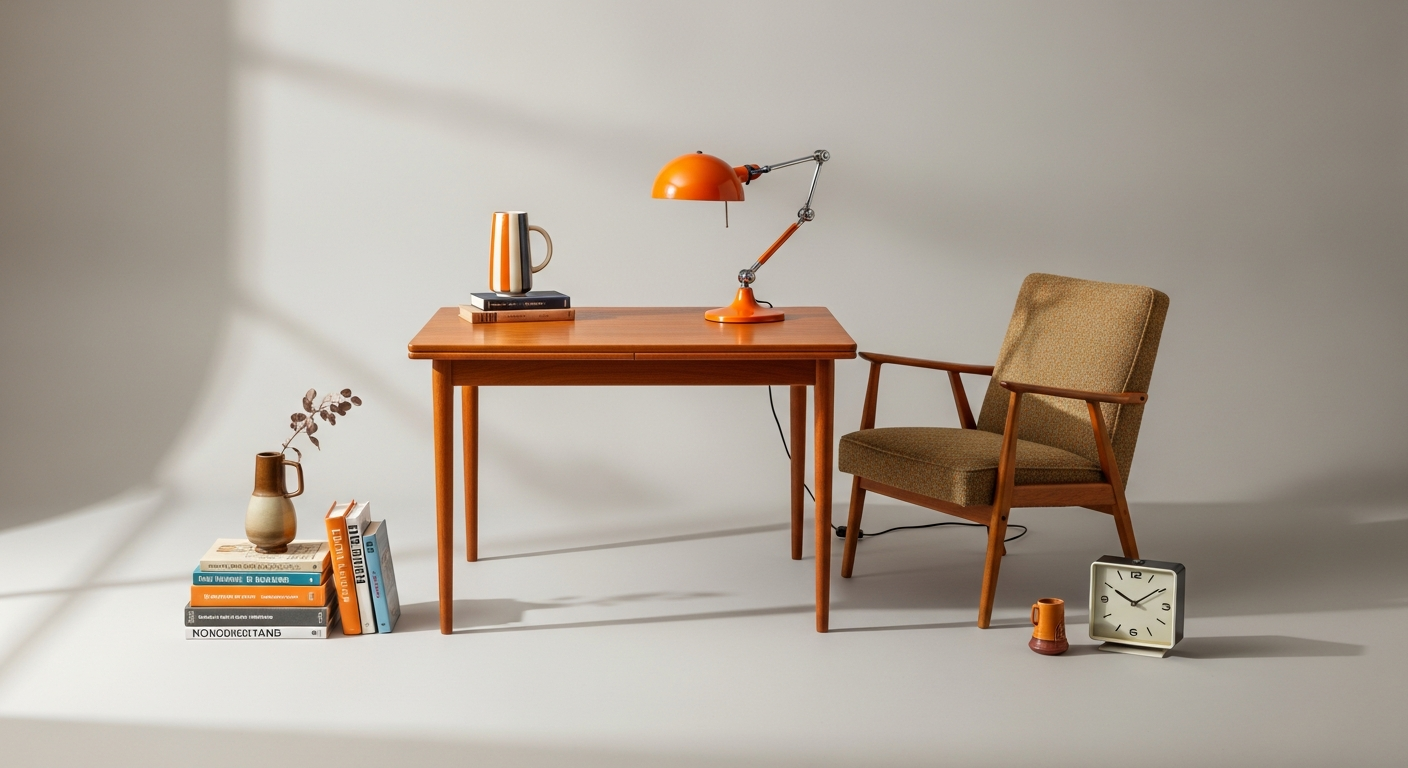
Learn how to verify authentic vintage designer furniture and lighting pieces. Discover expert authentication tips, red flags, and where to find certified pre-owned designer items with confidence.
Over 60% of luxury furniture buyers now prioritize sustainability without compromising on quality—and vintage designer pieces have become the ultimate status symbol for the eco-conscious collector. The thrill of discovering an authentic mid-century modern sofa or a rare Philippe Starck lamp at a fraction of its original retail price is intoxicating. But here's the catch: the booming resale market for high-end designer furniture has also attracted counterfeiters and misrepresented listings that can leave unsuspecting buyers with expensive mistakes.
I've spent considerable time researching platforms that have revolutionized how we buy and sell curated vintage designer furniture and lighting. These marketplaces operate on rigorous authentication standards, ensuring that every piece—from a leather Poltrona Frau sofa to a sculptural lamp—meets strict quality benchmarks. What makes these platforms valuable isn't just the inventory; it's the verification process that separates legitimate collector's items from imposters.
Understanding Designer Authentication Standards
How authentication processes work on curated resale platforms
Authentication on high-quality resale platforms involves multiple layers of verification. Each piece undergoes visual inspection by trained specialists who examine construction, materials, and design elements against known specifications from the original designer. Photographs are cross-referenced with archival records, patent documentation, and production databases maintained by luxury brands. This systematic approach catches inconsistencies that would escape casual observation.
The importance of provenance documentation and certificates of authenticity
Provenance tells the story of ownership and handling. Original purchase receipts, design house certificates, and chain-of-custody documentation dramatically increase a piece's credibility. Certificates of authenticity from recognized appraisers carry significant weight, particularly for investment-grade pieces. When a seller can produce documentation showing the piece's journey from manufacture through previous ownership, you're holding concrete evidence of legitimacy.
Differences between first-edition, reproduction, and counterfeit pieces
First editions represent original production runs directly from the designer's studio or licensed manufacturer. Reproductions are authorized copies, often made years later with the designer's permission—these are legitimate but carry lower value than originals. Counterfeits are unauthorized copies created with intent to deceive, using inferior materials and construction methods. Understanding these distinctions is fundamental to making informed purchases.
Industry standards set by designer houses and luxury brands
Major design houses like Herman Miller, Vitra, and Cassina maintain strict standards for what qualifies as authentic vintage stock. These companies publish design specifications, authentication guides, and sometimes offer verification services. Familiarizing yourself with official documentation from these houses provides a benchmark against which all pieces can be measured.
Role of condition reports in verifying authenticity
Professional condition reports document the piece's physical state, noting wear patterns consistent with genuine aging. Skilled assessors can distinguish between natural patina development and artificial distressing. These reports describe materials, construction techniques, and any repairs or restorations, creating an objective record that supports authenticity claims.
What original condition really means versus restoration claims
Original condition indicates the piece has undergone minimal intervention since manufacture—perhaps cleaning or minor touch-ups, but no structural rebuilding. Restored pieces have been refinished, reupholstered, or reconstructed, which affects both value and authenticity perception. Transparency about restoration work is essential; pieces should be marketed honestly based on their actual condition.
Red Flags That Signal Counterfeit or Misrepresented Pieces
Suspiciously low prices compared to market averages
Pricing significantly below market rates for comparable pieces warrants investigation. While occasional deals exist, substantially underpriced items often indicate problems. Counterfeiters price aggressively to move inventory quickly before authenticity questions surface. Always cross-reference asking prices against similar pieces from multiple sources.
Vague or overly generic product descriptions lacking specific details
Legitimate sellers provide comprehensive descriptions including designer name, production year or era, dimensions, materials, condition specifics, and any known history. Generic listings that lack these particulars suggest the seller either doesn't know the piece's background or is deliberately obscuring information. Authentic pieces have stories; fake ones often lack documented details.
Missing designer markings, stamps, or serial numbers
Most designer pieces feature identifying marks—labels, stamps, serial numbers, or maker's marks. Their absence raises serious questions. Some vintage items have worn labels, but internal construction should still show manufacturing evidence. Request high-resolution photographs of all identifying features before purchasing.
Inconsistent materials or construction methods from the original design
Authenticated designers used specific material combinations and construction techniques particular to their work. If a supposed mid-century modern chair uses contemporary materials or fastening methods inconsistent with the era, it's likely not genuine. Studying reference pieces helps you recognize these inconsistencies instantly.
Seller history and feedback patterns to investigate
Review seller ratings thoroughly, noting patterns in customer feedback. Multiple complaints about authenticity, condition discrepancies, or poor communication suggest problems. New sellers with limited history warrant extra caution, especially for high-value items. Professional showrooms typically have extensive, verifiable track records.
Poor-quality photography that obscures details or construction
Quality sellers provide clear photographs showing all angles, materials, condition, and identifying marks. Blurry images, limited angles, or strategically positioned shots that hide details are classic warning signs. Legitimate listings include close-ups of construction, materials, and any wear patterns.
Grammatical errors or unprofessional language in listings
Professional sellers maintain polished communication. Numerous spelling errors, awkward phrasing, or inconsistent language throughout listings suggest either carelessness or non-native fluency potentially masking deception. Counterfeit operations often originate from overseas with translation issues.
Claims of authenticity without supporting documentation
Any seller asserting authenticity must provide evidence. Statements like "guaranteed authentic" without certificates, condition reports, or documentation should trigger skepticism. Confidence in authenticity should be backed by verifiable proof, not just assertion.
Key Authentication Markers for Vintage Designer Furniture
Identifying genuine wood types and joinery techniques used by luxury makers
Premium designers specified particular wood species—teak, walnut, rosewood, oak—chosen for grain patterns and durability. Joinery techniques like mortise-and-tenon construction or dovetail joints indicate hand-craftsmanship and quality. Learning to identify wood species through grain, color, and weight helps verify authenticity. Research the specific designer's wood preferences and examine pieces for matching patterns.
Leather quality indicators: grain patterns, patina development, and aging characteristics
Genuine leather from luxury producers develops distinctive patina over decades. Natural grain variations, color deepening, and subtle creasing patterns tell authentic aging stories. Synthetic leather or cheap hide doesn't develop this character. Examine aging patterns across the piece—genuine patina should be consistent with claimed age and use history.
Metal components: plating, oxidation patterns, and manufacturer stamps
Metal fittings—hinges, handles, fasteners—reveal much about authenticity. Genuine chrome or brass develops specific oxidation patterns over time. Manufacturer stamps on metal pieces provide verification. Poor plating quality or inconsistent oxidation suggests reproduction or counterfeit status.
Fabric weaves and dye consistency in original upholstery
Vintage designer fabrics feature specific weaves, dye lots, and construction methods. Examining fabric under magnification reveals weave patterns consistent with the era. Original upholstery should show aging appropriate to its claimed age. Replacement fabrics indicate restoration but don't necessarily indicate inauthenticity if disclosed.
Hardware details: hinges, handles, and fasteners that match era-specific production
Each manufacturing period used characteristic hardware. 1950s Herman Miller pieces featured different fastening systems than 1970s production. Learning these details helps authenticate pieces instantly. Mixing hardware from different eras flags inconsistencies suggesting assembly from mixed sources.
Construction methods unique to specific designers and production periods
Eames designs employed specific joinery and assembly techniques unmistakable to informed observers. Knoll pieces featured distinctive frame construction. Studying production methods specific to each designer creates a mental checklist for verification. Construction quality should match the designer's known standards.
Label placement and typography variations across manufacturing decades
Designer labels evolved over time, with typography, positioning, and material changing across decades. Knowing these variations helps date pieces accurately. A label with typography inconsistent with the claimed production year signals problems. Reference multiple authenticated pieces to understand label variations.
Lighting Pieces: Specific Authentication Challenges
Electrical components and safety certifications for vintage lighting
Vintage lighting presents electrical complexity beyond furniture authentication. Original wiring may not meet current safety codes, though this doesn't invalidate authenticity. Certification marks changed across decades and regions. Understanding era-appropriate electrical standards helps identify pieces that have been authentically maintained versus dangerously rewired.
Identifying original versus replacement wiring and fixtures
Authentic vintage lamps feature original wiring, sockets, and internal components appropriate to their manufacturing period. Original cloth-wrapped wiring, bakelite sockets, and brass fixtures tell authentic stories. Replacement components, while sometimes necessary, indicate restoration. Photographs of internal components help verify authenticity before purchase.
Signature design elements that define authentic designer lamps
Iconic lamps like Arteluce designs or Artemide fixtures feature unmistakable design elements—specific proportions, material combinations, and form language. Studying signature pieces teaches you what authentic examples should display. Subtle variations in proportion or material immediately flag counterfeits.
Recognizing restoration work that affects authenticity and value
Some restoration enhances value while maintaining authenticity; other work damages both. Complete rewiring with modern components is often necessary and acceptable. Refinishing original materials or replacing original shades significantly diminishes value. Transparency about restoration work should be paramount in any listing.
Verifying rare production runs and limited-edition lighting designs
Limited-edition lighting commands premium prices, making authentication critical. Production records, numbered editions, and certificates of authenticity matter tremendously. Some designers produced pieces in small runs with numbered documentation. Verify these claims against official archives.
Common counterfeits in high-demand designer lighting categories
Certain iconic lamps attract counterfeiters disproportionately. Arteluce, Artemide, and Memphis-era pieces face significant counterfeit pressure. High demand plus easily reproduced design creates opportunity for fakes. Familiarity with counterfeits in popular categories helps you spot suspicious pieces immediately.
How to assess functional condition without compromising original materials
Testing electrical function requires care with vintage pieces. Never force components or apply excessive pressure. Request sellers to demonstrate functionality before shipping. Understand that non-functional pieces may lack value or present safety concerns, making condition assessment essential before purchase.
Evaluating Seller Credibility and Platform Trust
What to look for in seller ratings and customer reviews
Examine not just overall ratings but specific feedback patterns. Look for comments mentioning authenticity accuracy, condition match to description, and communication quality. Detailed reviews provide insight seller trustworthiness cannot fake. Multiple five-star reviews with substantive comments beat generic praise.
How curated marketplaces like Deesup IT vet their sellers
Premium resale platforms implement rigorous seller verification. This includes background checks, inventory audits, and authentication testing. Curated marketplaces maintain reputational investment in seller quality, removing bad actors quickly. Platforms handling high-value goods actively police their networks to protect marketplace credibility.
Importance of seller specialization and inventory consistency
Sellers specializing in particular designers or eras typically demonstrate deeper expertise. Consistent inventory patterns suggest sustainable business models. Sellers switching between wildly different product categories might be liquidators or less informed merchants. Specialization correlates with authentication rigor.
Communication responsiveness as an authenticity indicator
Responsive sellers answering detailed authentication questions suggest confidence in their pieces. Poor communication, evasiveness about provenance, or refusal to provide additional details warrant caution. Legitimate dealers welcome scrutiny and provide whatever information they possess.
Return policies and buyer protection guarantees
Strong return policies and buyer protection mechanisms indicate seller confidence. Platforms offering authentication guarantees or money-back promises if pieces prove inauthentic provide valuable protection. These policies rarely exist among counterfeiters because they can't sustain them.
Verification badges and certification programs
Many platforms award verification badges to sellers meeting strict standards. Understanding what these badges signify matters tremendously. Some indicate authentication training, others denote years of successful transactions. These credentials should match your confidence requirements.
Difference between private sellers and professional showrooms
Professional showrooms typically maintain higher authentication standards and bear greater legal liability for misrepresentation. Private sellers may lack authentication expertise, creating risk despite good intentions. Showrooms provide accountability and recourse mechanisms unavailable with private transactions.
Documentation and Provenance: Building Your Collector's Record
Types of documentation that increase piece value and authenticity
Original purchase receipts, designer certificates, appraisal documents, and exhibition catalogs dramatically enhance value and authentication. Insurance documentation creates verified records. Award letters or design competition recognitions add credibility. Every document strengthens provenance narratives.
How to request and evaluate condition reports
Condition reports should detail materials, construction, wear patterns, repairs, and restoration work. Professional reports include photographs and specific measurements. Ask sellers for reports from certified appraisers rather than accepting in-house assessments. Compare reports from multiple sources if evaluating high-value pieces.
Photographing your purchase for insurance and resale purposes
Upon receipt, photograph every aspect of your purchase—all angles, details, materials, condition, identifying marks. These images establish baseline documentation for insurance and future sales. Professional photography significantly enhances resale appeal when you eventually pass pieces along.
Creating a provenance timeline for your collection
Document your purchase with receipt, seller information, and acquisition date. If the piece has known history, record previous owners, exhibition participation, or publication features. This timeline increases value and provides narrative context that enriches ownership experience.
Digital certificates and blockchain verification emerging in luxury resale
Some platforms experiment with digital certificates and blockchain authentication. These technologies create immutable ownership and authentication records. While still emerging, understanding these tools positions you ahead of verification trends likely dominating the future market.
Organizing receipts and authentication documents for future sales
Create systems—digital or physical—organizing all documentation. This organization dramatically streamlines future sales or insurance claims. Organized provenance packages significantly improve resale prices and buyer confidence.
Building relationships with appraisers for high-value pieces
Developing relationships with certified appraisers specializing in vintage design provides ongoing authentication resources. Appraisers become familiar with your collection, enhancing assessment accuracy and efficiency over time. These relationships prove invaluable for insurance, estate planning, or sale purposes.
Price Validation: Knowing What You Should Actually Pay
Researching comparable sales across multiple platforms
Don't rely on single listings for pricing reference. Search across multiple resale platforms, auction results, and designer archives for comparable pieces. Price variations reflect condition differences, rarity factors, and market conditions. Multiple comparable sales create reliable pricing benchmarks.
How condition grades impact pricing for vintage designer pieces
Condition significantly impacts pricing, sometimes more than rarity. Museum-quality pieces command premiums; pieces with visible wear cost substantially less. Understanding condition grading standards helps you evaluate whether asking prices reflect actual condition accurately. Common grading runs from "poor" through "excellent," with intermediate grades affecting prices substantially.
Rarity factors that justify premium pricing
Limited production runs, unique colors or materials, or pieces from specific periods command premium pricing. Researching production numbers helps determine rarity levels. Some pieces remain undervalued simply because their rarity isn't widely recognized yet.
Regional price variations in the global resale market
Pricing varies significantly across regions. European pieces often cost less in Europe; American designs command premiums in North America. Understanding regional pricing prevents overpaying for items worth substantially less in other markets.
Seasonal trends affecting vintage furniture demand
Demand for vintage furniture peaks during spring and fall, affecting prices. Winter months sometimes produce deals as demand softens. Summer often sees reduced inventory and higher prices. Timing purchases strategically can yield better pricing.
Understanding the gap between retail replacement cost and resale value
Never use original retail prices as valuation reference. Vintage pieces typically resell for 40-60% of original retail, depending on condition and rarity. Some iconic pieces appreciate, but most depreciate. Understanding this gap prevents overpaying based on original cost assumptions.
Negotiation strategies for private sellers versus fixed-price marketplaces
Private sellers often accept negotiation, especially on multiple purchases. Fixed-price platforms typically don't negotiate, though some sellers consider offers on higher-priced items. Knowing when negotiation is possible helps secure better pricing.
Investment Potential: Which Vintage Designer Pieces Hold Value
Designer brands with consistently strong resale performance
Established brands—Eames, Herman Miller, Vitra, Knoll, Cassina—maintain consistent demand and pricing. Their pieces rarely depreciate and sometimes appreciate. Emerging designers show variable performance; some become collected while others fade from interest.
Iconic designs that transcend trend cycles
Timeless designs like the Eames lounge chair, Barcelona chair, or Egg chair maintain value regardless of trend cycles. These pieces appear in museum collections, authentication guides, and permanent design histories. Investing in recognized icons provides stability.
Limited-edition and numbered pieces versus mass-produced items
Limited editions and numbered pieces typically command premiums and maintain value better than mass-produced variants. Understanding production volumes helps identify potentially appreciating pieces.
How material quality influences long-term value retention
Premium materials—leather from respected tanneries, solid wood from specified species, quality metal fittings—support long-term value. Pieces with material compromises depreciate faster. Quality craftsmanship visible in construction details supports appreciation potential.
Condition's role in investment-grade vintage furniture
Investment-grade pieces should be in excellent condition with appropriate patina, not excessive wear. Well-maintained pieces appreciate; heavily used pieces stagnate or depreciate. Condition preservation significantly impacts long-term value.
Emerging designers whose work is gaining collector interest
Postmodern designers, Memphis Group pieces, and certain 1980s-90s work show appreciation potential. Following design museum exhibitions and collector publications helps identify emerging collector interests before pieces appreciate.
Building a curated collection with appreciation potential
Rather than random accumulation, strategic collecting focuses on recognized designers, limited productions, and condition preservation. This approach yields collections valuable both aesthetically and financially.
Your Path to Confident Vintage Designer Collecting
The vintage designer furniture and lighting market rewards informed buyers. Armed with knowledge about authentication markers, seller credibility, and fair pricing, you're positioned to make purchases that bring both aesthetic joy and genuine value to your home. Whether you're hunting for a statement lighting fixture or a rare mid-century sofa, platforms specializing in curated designer pieces have democratized access to works that once required insider connections or luck to acquire.
The real investment isn't just in the furniture itself—it's in understanding what makes a piece authentic, valuable, and worth your money. Start by examining listings with a critical eye, asking sellers detailed questions about provenance, and never hesitating to walk away from deals that feel off. Your future self, surrounded by genuinely exceptional pieces, will thank you for the diligence you invest today.