
Discover why authentic Victorian plaster coving is the preferred choice for period property restoration. Learn about handmade designs, installation considerations, and how to maintain this timeless architectural feature.
Over 70% of homeowners restoring period properties cite authentic architectural details as their top priority—and authentic Victorian plaster coving consistently ranks as the most coveted element. These aren't casual design choices; they're deliberate commitments to preserving the soul of 19th-century craftsmanship.
Authentic Victorian plaster coving represents far more than a decorative trim. It's a gateway to preserving historical integrity, maintaining property value, and honoring the original vision of 19th-century architects and craftsmen. When you select genuine plaster coving over mass-produced alternatives, you're making a statement about what your home represents and the standards to which you hold your restoration.
Explore authentic Victorian plaster coving options from specialist suppliers today.
The Hallmarks of Genuine Victorian Plaster Design
Signature Decorative Motifs
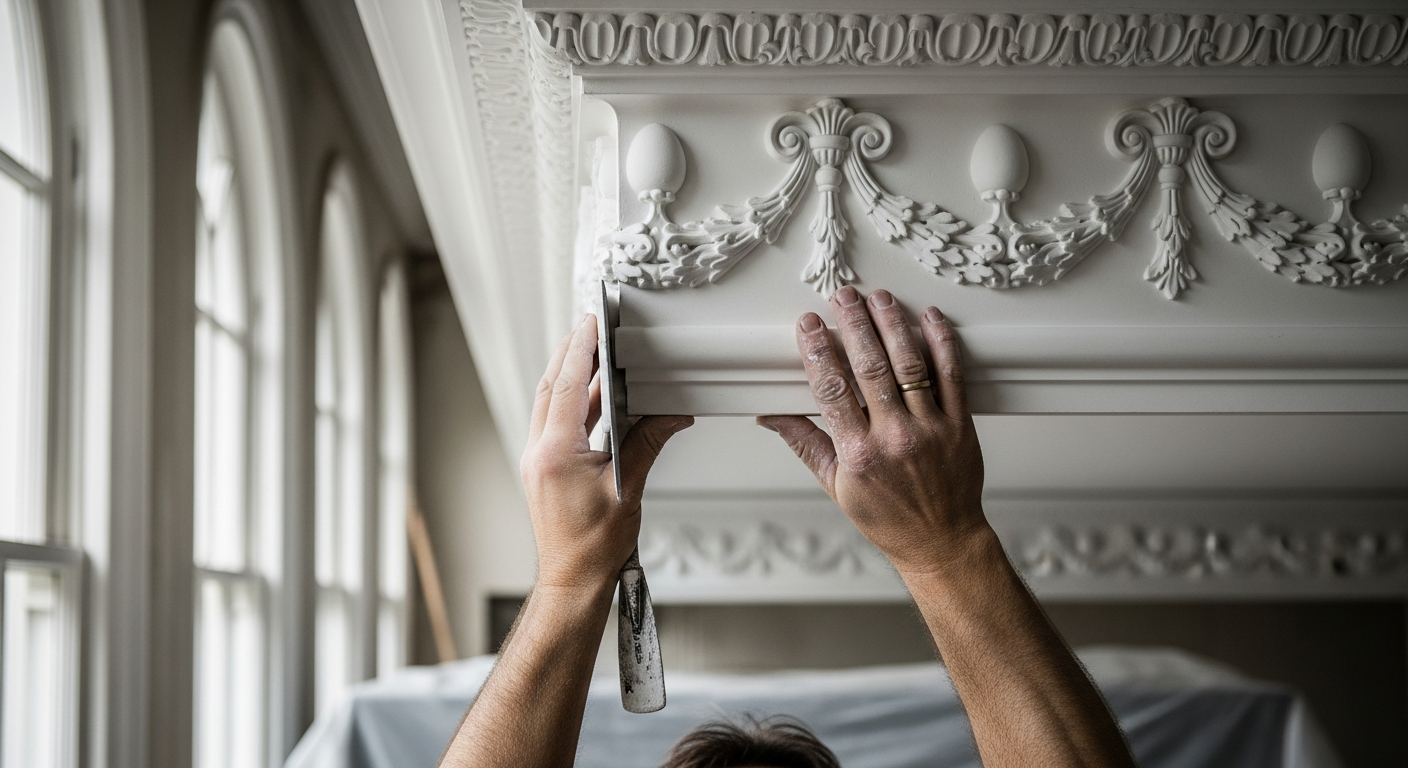
The defining characteristics of authentic Victorian plaster coving emerge immediately when you examine the detailing. Acanthus leaves unfurl across the surface with botanical precision. Grape vines wind through elaborate designs, and egg dart carvings create rhythmic patterns that catch light and shadow. Dentil patterns—those distinctive rows of small rectangular blocks—add architectural authority. Each motif tells a story about the period's aesthetic values and the artisan's technical mastery.
Hand-Carved Detailing and Shadow Play
Victorian architects understood that authentic beauty lies in three-dimensionality. The hand-carved detailing on genuine plaster coving captures depth and shadow play that flat, machine-produced alternatives simply cannot replicate. When afternoon light streams across an authentic Victorian cornice, the shadows deepen the visual character of the room. Mass-produced Victorian-style coving, by contrast, offers the appearance of detail without the substance—the shadows fall flat, and the eye recognizes the difference immediately.
Precise Projection Specifications
Authentic Victorian proportions follow mathematical precision that modern restorers respect. A genuine piece might feature a 260mm projection to the ceiling and 120mm down the wall—these exact measurements reflect how 19th-century craftsmen understood spatial relationships and visual balance. These specifications aren't arbitrary; they're the result of centuries of architectural refinement.
The Role of Skilled Craftsmanship
Each authentic piece represents countless hours of skilled work. Craftspeople study Victorian design principles, understand plaster composition, and develop the manual dexterity required to carve complex patterns. This isn't work that machines can replicate with genuine quality. The craftsmanship distinguishes authentic Victorian coving from its mass-produced counterparts—one bears the mark of human expertise, the other the uniformity of industrial production.
Material Characteristics That Define Plaster Coving
Traditional Plaster Composition
Traditional plaster remains superior for capturing fine detail because of its inherent properties. The material accepts and holds carving marks with precision, allowing artisans to create the intricate patterns that define Victorian design. As plaster cures, it hardens to a density that protects these delicate details for centuries. Modern alternatives like polyurethane or MDF, while convenient, lack this natural ability to preserve fine work.
Durability and Longevity Compared to Alternatives
When properly maintained, authentic plaster coving outlasts modern alternatives. Polyurethane yellows and becomes brittle over decades. MDF degrades when exposed to moisture and shows wear patterns that betray its synthetic nature. Polystyrene lacks structural integrity for complex designs. Plaster, conversely, actually improves with age—developing a patina that adds character rather than detracting from it. Heritage properties throughout Britain feature original Victorian plaster coving that remains structurally sound and aesthetically superior after 150+ years.
How Plaster's Weight and Structural Integrity Support Design Complexity
The weight of plaster isn't a disadvantage; it's a structural asset. Plaster's density provides the stability needed to support complex Victorian designs without sagging or warping. Lighter alternatives require reinforcement or compromise design complexity. Plaster's inherent rigidity means that the acanthus leaves and grape vines remain sharp and true for generations, rather than gradually softening and losing definition.
Moisture Sensitivity and Proper Sealing
Plaster does require proper moisture management, particularly in period properties with older damp-proof courses or exposure to external walls. However, this isn't a weakness—it's a call for appropriate maintenance. Proper sealing protects plaster from moisture infiltration while allowing the material to breathe naturally. In well-maintained period properties, this represents a manageable consideration, not a dealbreaker.
Aesthetic Advantages and Authentic Patina
The natural finish of plaster develops character over time. Minor variations in tone and texture add authenticity that uniform synthetic materials cannot achieve. The refined appearance of genuine plaster coving elevates entire rooms, creating a sense of permanence and quality that influences how occupants and visitors perceive the space. This aesthetic superiority directly impacts property perception and valuation.
Browse premium Victorian plaster coving designs and specifications.
Installation Realities: What Period Property Owners Should Know
Professional Installation Requirements
DIY installation of authentic plaster coving isn't recommended, and heritage specialists consistently advise against it. The material's fragility, the precision required to align complex patterns, and the risk of damage make professional installation non-negotiable. Specialist contractors possess the equipment, experience, and insurance to handle plaster safely and achieve the results that your investment deserves.
Structural Assessment Considerations
Before installation begins, qualified surveyors assess the ceiling structure to identify potential issues. Are joists stable? Does the ceiling require reinforcement? Are there hidden structural concerns that might affect long-term stability? This assessment phase prevents costly mistakes and ensures that the installation foundation is sound.
Ceiling Preparation and Alignment Techniques
Period properties rarely feature perfectly level ceilings. Walls may have settled unevenly, and surfaces might show centuries of subtle movement. Skilled installers use leveling techniques and careful measurement to align coving so that the pattern lines read correctly to the eye, even when actual measurements reveal minor variations. This expertise separates professional work from amateur attempts.
Period-Appropriate Adhesives and Fixings
The materials used to fix plaster coving matter significantly. Traditional lime-based mortars and period-appropriate fixings work with the coving rather than against it, allowing for natural movement while maintaining security. Modern construction adhesives, by contrast, can create stress points that lead to cracking as the building naturally shifts and settles.
Timeline Expectations
Professional plaster coving installation typically requires specialist contractors working over several weeks, depending on room count and design complexity. This isn't a weekend project—it's a carefully sequenced process that includes structural assessment, preparation, installation, drying time, and finishing work. The timeline reflects the attention required to honor both the material and the installation craftsmanship.
Maintenance and Long-Term Care of Plaster Coving
Routine Cleaning Methods
Dust accumulates on coving surfaces, particularly in the recesses of intricate designs. Soft brushes and careful vacuuming remove dust without damaging the plaster. Gentle, pH-neutral cleaners protect the surface finish without causing deterioration. Aggressive cleaning products or high-pressure washing cause irreversible damage to fine details.
Moisture Management Strategies
Period properties benefit from humidity management systems that maintain stable moisture levels. This protects not only the coving but the entire structure. Proper ventilation, functioning gutters, and maintained damp-proof courses prevent the moisture-related issues that plaster cannot tolerate indefinitely.
Repainting and Redecorating
The finish on authentic plaster coving can be refreshed periodically without compromising the underlying details. Specialist decorators understand how to prepare surfaces, select appropriate paints, and apply finishes that preserve fine carving while updating the aesthetic. This balance between maintenance and respect for original craftsmanship defines proper period property care.
Identifying and Addressing Minor Issues
Small cracks, minor chips, or evidence of settling should be assessed by specialists. Not all plaster damage requires immediate intervention—some movement is natural and expected. However, monitoring these issues prevents small problems from becoming structural concerns.
Professional Restoration Services
When sections require restoration, specialist contractors possess the skills to repair or replace damaged coving in ways that match the original work. This restoration work maintains the integrity of the installation and preserves the property's authentic character.
Authentic Plaster vs. Modern Alternatives: A Practical Comparison
Plaster Coving Advantages
Authentic plaster coving offers unmatched authenticity and detail capture that no alternative replicates convincingly. The durability of properly maintained plaster exceeds modern materials by decades or centuries. The aesthetic superiority—that refined, three-dimensional quality—remains apparent to anyone with an eye for period detail. For heritage properties, these advantages justify the investment.
Polyurethane Coving Considerations
Polyurethane offers lightweight benefits that appeal to some installers, as it's easier to handle and install. However, its modern appearance and inability to capture fine detail make it inappropriate for authentic period restoration. Polyurethane yellows over time, revealing its synthetic nature—something that becomes increasingly apparent as years pass.
MDF Coving Trade-offs
MDF delivers cost advantages that attract budget-conscious renovators. However, the period-appropriate concerns cannot be overlooked. MDF degrades when exposed to moisture and lacks the longevity required for heritage properties. The financial savings in the short term become false economy when replacement becomes necessary within decades rather than centuries.
Polystyrene Options
Polystyrene coving suits non-period properties where historical accuracy matters less. For period restoration, its practical limitations and visual inadequacy make it unsuitable regardless of cost.
Resale Value Implications
Property valuations for period homes reflect the authenticity and quality of restoration work. Homes featuring authentic Victorian plaster coving command premiums compared to those with synthetic alternatives. Heritage property buyers recognize and value genuine materials—this recognition translates directly to higher resale valuations.
The Enduring Legacy of Victorian Craftsmanship in Modern Period Restoration
Authentic Victorian plaster coving stands apart because it represents genuine craftsmanship, not compromise. The handmade detailing, superior material properties, and unmatched aesthetic authenticity make it the clear choice for homeowners and specialists serious about period property restoration. Yes, the investment is substantial. Yes, professional installation is non-negotiable. Yet the return on that investment—measured in property value, visual impact, and the satisfaction of honoring your home's original architectural vision—proves worthwhile time and again.
Period restoration isn't about cutting costs; it's about making deliberate choices that reflect your property's heritage and your commitment to preservation. When you select authentic plaster coving, you're not simply purchasing a product—you're investing in continuity with the craftspeople and architects who created your home's original character. That investment endures across generations, becoming more valuable as time passes and original materials become increasingly rare.
Start your authentic Victorian plaster coving project with heritage specialists today.