
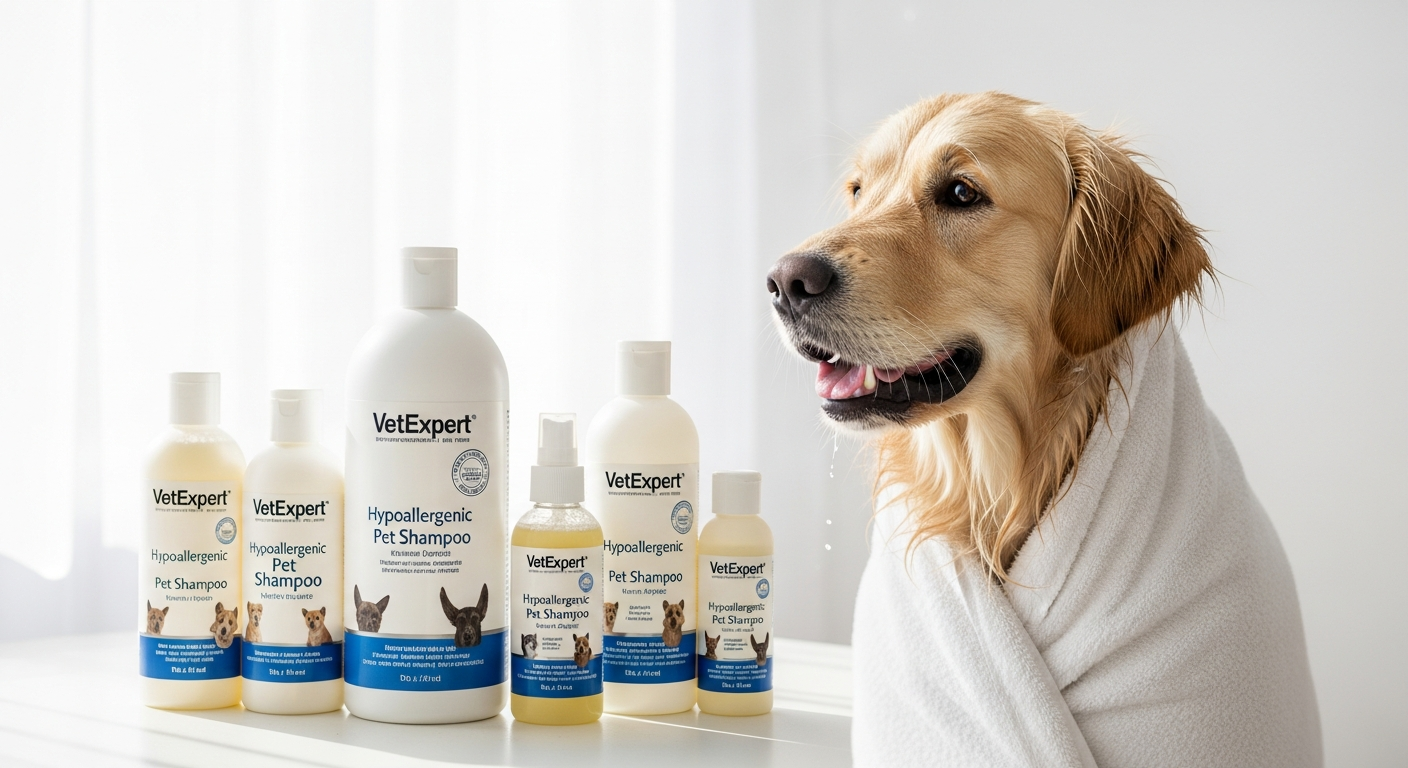
Discover how VetExpert Hypoallergenic Pet Shampoo soothes irritated skin and reduces itching in dogs and cats. Learn about natural ingredients, application tips, and why vets recommend it for sensitive pets.
Nearly one-third of pet owners battle their dog or cat's chronic skin problems, often without realizing that the wrong shampoo might be amplifying the issue rather than solving it. The culprit? Harsh surfactants and chemical additives that strip away natural protective oils, leaving skin more vulnerable to irritation and infection. VetExpert Hypoallergenic Pet Shampoo has risen to bestseller status precisely because it takes the opposite approach—combining gentle cleansing with natural, skin-regenerating ingredients that veterinarians consistently recommend.
This dermocosmetic formula addresses a fundamental truth about pet skin health: sensitive animals need products specifically engineered for their delicate barrier, not generic shampoos designed for hardy, normal skin. The 250ml bottle contains a carefully calibrated blend of oat proteins, aloe extract, lanolin, panthenol, allantoin, and hydrolyzed keratin—each ingredient selected for its ability to soothe, moisturize, and repair rather than strip and irritate.
This guide walks you through the complete picture: the science behind the formula, which skin conditions it effectively addresses, real-world application techniques, and why it has become the go-to choice for sensitive pets across Europe. Whether your pet struggles with chronic itching, flakiness, allergic reactions, or post-environmental damage, understanding how VetExpert works will help you make an informed decision about their skincare routine.
Understanding Sensitive Skin in Pets: Why Standard Shampoos Fall Short
Common triggers of pet skin sensitivity and irritation
Pet skin sensitivity stems from multiple sources, each capable of triggering the inflammation and discomfort that leads to excessive scratching, redness, and flaking. Environmental factors like pollen, dust mites, and mold spores can penetrate weakened skin barriers and provoke allergic responses. Food sensitivities—often to chicken, beef, wheat, or corn—manifest as skin problems long before digestive issues appear. Contact irritants including certain fabrics, cleaning products, and even chlorinated water can inflame sensitive skin.
Parasites represent another critical trigger, though some pets develop allergic reactions to flea bites even when infestation is minimal. Yeast and bacterial overgrowth flourish on compromised skin, creating a vicious cycle where inflammation weakens the barrier further, allowing more pathogens to colonize. Seasonal changes, stress, and hormonal fluctuations can all destabilize skin health, making previously stable pets suddenly susceptible to flare-ups.
How harsh surfactants and chemical additives damage the skin barrier
The skin barrier functions as the body's first line of defense, with a slightly acidic pH and a lipid layer that locks in moisture while excluding harmful pathogens. Standard pet shampoos often contain sulfate surfactants designed to strip away oils aggressively—a strategy that works for heavily soiled coats but devastates sensitive skin. These harsh cleansers disrupt the acid mantle, elevate pH, and remove essential lipids that maintain hydration and barrier integrity.
Chemical additives including artificial fragrances, dyes, and preservatives can trigger allergic contact dermatitis in susceptible animals. Parabens, phenols, and synthetic musks accumulate in skin tissue and may trigger delayed hypersensitivity reactions. When the barrier is compromised by repeated exposure to these irritants, even water-soluble allergens penetrate deeper, intensifying inflammation and creating the chronic itching cycle that drives pet owners to seek alternatives.
The difference between dermocosmetic and regular pet shampoos
Dermocosmetic shampoos occupy a distinct category, formulated with therapeutic intent rather than basic cleansing. They contain active ingredients—botanical extracts, amino acids, and natural emollients—that provide measurable benefits beyond removing dirt. While regular shampoos aim for efficient lathering and rinsing, dermocosmetics prioritize skin health, barrier repair, and symptom relief.
Regular shampoos often contain more surfactant by volume, allowing manufacturers to achieve dramatic lather and quick rinse cycles. Dermocosmetics use milder surfactants in lower concentrations, sacrificing dramatic lather for genuine gentleness. They include film-forming agents and humectants that remain on the skin after rinsing, continuing therapeutic action long after bath time ends. This distinction explains why dermocosmetic options cost more—they contain expensive, bioactive ingredients rather than cheaper filler compounds.
Why puppies and kittens require gentler formulations
Young animals possess skin that is still developing its full protective capacity. The acid mantle hasn't fully established, the barrier lipids are less robust, and the microbiome is still stabilizing. Using standard adult shampoos on puppies and kittens accelerates barrier disruption and increases the risk of early-life allergic sensitization—a phenomenon where exposure to irritants during critical developmental windows increases lifelong allergy risk.
Growing animals also experience higher metabolic rates and greater skin cell turnover. Irritating shampoos interfere with normal skin development during this critical window, potentially establishing chronic sensitivity that persists into adulthood. Gentle formulations protect this delicate developmental process, allowing the skin barrier to mature properly without disruption from harsh chemicals.
The Science of VetExpert's Natural Ingredient Complex
Oat proteins and oat grain extract for moisture retention and protective barrier formation
Oat proteins represent one of nature's most effective skin-soothing compounds, with a molecular structure that allows penetration into outer skin layers where they bind water molecules and provide anti-inflammatory benefits. When applied topically, oat proteins form a protective film that reduces moisture loss through evaporation—a critical mechanism for dry, sensitive skin that cannot retain hydration efficiently on its own.
Oat grain extract contains avenanthramides, bioactive compounds with documented anti-inflammatory properties superior to standard emollients. These compounds directly suppress inflammatory signaling pathways within skin cells, reducing redness and the itching sensation that drives chronic scratching. The proteins also fill microscopic gaps in damaged skin texture, creating a smoother surface that feels softer and reflects light more effectively—the source of the visible shine improvements reported by users.
Aloe extract with anti-inflammatory properties and redness reduction mechanisms
Aloe vera's reputation for skin healing stems from its complex biochemistry, featuring polysaccharides that stimulate immune cells, reduce inflammatory cytokines, and accelerate fibroblast activity—the cells responsible for collagen production and tissue repair. When applied to inflamed skin, aloe extract penetrates quickly and begins suppressing histamine release within minutes, providing tangible relief from itching sensations.
The extract also contains compounds that stabilize mast cells, preventing them from degranulating in response to minor irritants. This means pets with atopic dermatitis experience fewer spontaneous flare-ups as the skin becomes less reactive to environmental triggers. Aloe's hydrating capacity rivals synthetic humectants while providing additional antioxidant protection against free radical damage that accumulates during chronic inflammation.
Lanolin, panthenol, allantoin, and hydrolyzed keratin for skin regeneration and repair
Lanolin functions as a true emollient, with a lipid composition remarkably similar to natural skin oils. Rather than simply sitting on the surface, lanolin integrates into the stratum corneum—the outer skin layer—where it replaces missing lipids and restores barrier function. This mechanism makes it particularly valuable for pets with compromised barriers that cannot produce sufficient natural oils.
Panthenol (provitamin B5) penetrates skin rapidly and converts to pantothenic acid, a molecule essential for the synthesis of coenzyme A, which controls cellular energy production and protein synthesis. Skin cells with adequate pantothenic acid regenerate faster and maintain better hydration. Allantoin complements this effect by stimulating proliferation of healthy keratinocytes while suppressing scar tissue formation—crucial when addressing damage from chronic scratching or environmental insults.
Hydrolyzed keratin represents the structural protein that forms hair and the outer skin layer. This ingredient bonds directly into the hair shaft, filling microscopic damage, strengthening the cuticle layer, and creating a protective coating that reduces breakage and improves shine. Unlike conditioning silicones that merely coat the surface, hydrolyzed keratin integrates into hair structure itself, creating longer-lasting conditioning benefits.
What makes these ingredients superior to synthetic alternatives
Synthetic conditioning agents like silicones provide immediate coating effects but offer no therapeutic benefit to underlying skin or hair health. These petroleum-derived polymers accumulate with repeated use, eventually creating buildup that makes coat texture worse rather than better. Natural alternatives like hydrolyzed keratin and lanolin integrate into skin tissue, providing genuine structural support rather than illusory improvement that washes away.
Synthetic anti-inflammatory compounds often operate through a single mechanism, while natural extracts like aloe and oat provide multi-target benefits. A single ingredient delivers moisture retention, barrier repair, anti-inflammatory effects, and antioxidant protection simultaneously. This synergistic approach produces faster, more comprehensive results with fewer side effects than mono-mechanism synthetics.
Addressing Common Pet Skin Conditions with This Formula
Itching and scratching relief mechanisms for sensitive pets
Chronic itching in sensitive pets originates from multiple sources: inflammatory cytokine release, histamine activation, and hyperresponsive nerve endings that misinterpret normal sensations as intense irritation. VetExpert addresses each mechanism simultaneously. Aloe and oat proteins suppress inflammatory signaling within hours, reducing the chemical cascade that generates itch sensations. Panthenol and allantoin accelerate skin regeneration, allowing damaged nerve endings to repair and regain normal sensitivity thresholds.
The protective barrier created by oat proteins and lanolin prevents new irritants from reaching nerve endings, eliminating the external triggers that sustain itch-scratch cycles. Pet owners typically observe reduced scratching intensity within three to five days, though maximum benefit emerges over two to three weeks as the skin barrier fully restores and inflammation resolves completely. The formula achieves this without antihistamines or corticosteroids, making it safe for long-term maintenance use.
Effectiveness for flaky, dry, and irritated skin conditions
Flakiness results from either excessive moisture loss or accelerated skin cell turnover in response to inflammation. VetExpert targets both mechanisms through multi-pronged hydration and anti-inflammatory action. Oat proteins, lanolin, and panthenol lock moisture into the skin barrier, preventing the desiccation that produces flaking. Simultaneously, aloe and allantoin reduce the inflammatory signals that accelerate cell turnover, allowing the skin to return to normal shedding rates.
Dry skin conditions improve visibly within one to two weeks as hydration levels normalize. Pets with seborrheic dermatitis—excessive oil and flaking combined—benefit equally because the formula's barrier repair reduces the skin's compensatory sebum overproduction. Once the barrier stabilizes, sebaceous glands modulate to appropriate output levels, eliminating both excessive oiliness and the associated flaking.
Managing allergic reactions and contact dermatitis safely
Allergic skin reactions involve both IgE-mediated responses (immediate histamine release) and T-cell mediated delayed hypersensitivity (developing over hours to days). VetExpert stabilizes mast cells through aloe's polysaccharide content, reducing acute histamine release during allergen exposure. The barrier repair simultaneously prevents allergen penetration, reducing the triggering events that initiate allergic cascades.
For contact dermatitis specifically, the complete absence of common irritants and allergens means the shampoo itself won't trigger or worsen reactions. The formula's gentle surfactants remove environmental allergens without damaging the barrier further, while active ingredients suppress the inflammatory response already underway. Pets with known allergies to specific ingredients benefit from the transparent ingredient list and notable absences—no chicken, beef, wheat, corn, or artificial additives.
Supporting skin recovery after environmental or chemical damage
Environmental damage from chlorinated water, salt, pollution, or sun exposure disrupts the barrier and causes oxidative stress. Chemical damage can result from harsh shampoos, dips, or topical treatments. VetExpert provides multi-layered recovery support through antioxidants in aloe and oat extracts, which neutralize free radicals generated during environmental stress.
Panthenol and allantoin accelerate repair of damage to skin cells and collagen structures. Keratin compounds rebuild structural integrity in hair, preventing the brittleness and breakage that follow chemical exposure. Within two to three weeks of consistent use, pets show visible recovery with restored coat luster, normalized pH, and eliminated sensitivity to minor irritants that previously triggered flare-ups.
What Makes VetExpert Different: Ingredient Transparency and Safety Standards
Complete absence of harsh chemicals, silicones, and synthetic irritants
VetExpert's formulation defines itself as much by what it excludes as by what it includes. The absence of sulfate surfactants means gentler cleansing that doesn't strip natural oils. No silicones prevent buildup that diminishes coat quality over time. No artificial fragrances eliminate a common trigger for allergic contact dermatitis in sensitive animals.
The formula excludes parabens, phenols, synthetic dyes, and harsh preservatives that accumulate in skin tissue and trigger delayed hypersensitivity reactions. Sodium lauryl sulfate and sodium laureth sulfate—common in budget pet shampoos—remain absent despite their cost-saving appeal. This exclusion-based approach requires more expensive preservation systems and plant-derived surfactants, explaining the premium pricing but justifying it through tangible safety benefits.
Allergen-free composition and veterinarian endorsement
The ingredient list contains no common allergens like chicken, beef, wheat, corn, soy, or dairy. This matters profoundly for pets with food sensitivities, as topical allergen exposure can trigger systemic reactions or worsen existing digestive sensitivities. Veterinarians consistently recommend VetExpert because they trust the formulation philosophy—prioritizing therapeutic benefit over cost-cutting measures that compromise safety.
Professional endorsement extends beyond marketing. Dermatology specialists recommend this formula because it doesn't interfere with diagnostic workups for allergies or other skin conditions. The gentle nature means it won't mask underlying issues, allowing vets to identify root causes accurately. Compatibility with medicated treatments means it can be used alongside prescription skincare without contraindications.
Bestseller status with clinical testing and safety certifications
VetExpert's consistent bestseller designation on major European pet health retailers reflects genuine customer satisfaction, not marketing hype. This status requires sustained positive reviews and repeat purchases from thousands of pet owners across different regions. The formula maintains this position because results are reproducible—different pets with similar skin conditions experience similar improvements.
Safety certifications and testing standards appropriate for dermocosmetics ensure the formula meets stringent European requirements for cosmetic products. The manufacturer's commitment to quality control means batch consistency—every bottle contains the same precise ingredient ratios, eliminating the variability common in mass-market alternatives.
Comparison with competitor hypoallergenic shampoos in the market
Competitor hypoallergenic shampoos often sacrifice cleaning effectiveness to achieve gentleness, requiring longer contact times or repeat applications. VetExpert achieves an optimal balance—thorough cleansing with significantly reduced irritation risk. Many competitors use hydrolyzed wheat or soy proteins, creating risk for pets with grain sensitivities. VetExpert's oat-based protein system provides superior hypoallergenicity.
Price-per-application comparisons often favor VetExpert despite higher per-bottle cost because the concentrate lathers efficiently, extending the 250ml bottle further than dilute competitor formulas. The therapeutic ingredients mean fewer repeat applications are necessary to achieve results, unlike budget alternatives that require washing twice weekly for effect.
Application Guide: Getting Maximum Results from the 250ml Bottle
Step-by-step washing technique for optimal lather and coverage
Begin by thoroughly wetting the coat with lukewarm water, allowing water to penetrate to the skin layer rather than remaining on the hair surface. Apply a small amount of VetExpert—approximately the size of a dime for small dogs and cats, a quarter-sized amount for medium pets, and a half-dollar sized amount for large breeds. The concentrate is potent, and excessive quantities waste product without providing additional benefits.
Work the shampoo into a rich lather using gentle circular motions, focusing on areas prone to irritation: between toes, armpits, facial areas, and anywhere previous scratching has damaged skin. Allow the lather to remain in contact with skin for 3–5 minutes. This contact time permits active ingredients to penetrate and begin anti-inflammatory action. Particularly for pets with acute flaking or severe itching, the full 5-minute contact window maximizes efficacy. Massage gently during this period to stimulate blood flow and distribute products evenly.
Rinse thoroughly with lukewarm water until the coat is completely free of lather and residue. Inadequate rinsing leaves mineral deposits and product residue that can irritate sensitive skin, negating the benefits of the gentle formula. Use your fingers to separate the coat and confirm water is reaching skin layers. Continue rinsing for at least 2–3 minutes, longer for thick or double-coated breeds.
Recommended water temperature and proper contact time for absorption
Water temperature significantly affects ingredient absorption and barrier permeability. Lukewarm water (approximately 38–40°C or 100–104°F) opens the cuticle layer slightly, enhancing ingredient penetration without triggering inflammation. Hot water, while providing temporary comfort, over-opens the cuticle, increases transepidermal water loss, and can exacerbate existing irritation.
The 3–5 minute contact time represents the optimal window for ingredient absorption. Extended contact beyond 5 minutes provides minimal additional benefit while potentially over-hydrating the stratum corneum, which paradoxically destabilizes the barrier. This contact time should be observed consistently—rushing through shampooing diminishes results, while excessive contact doesn't improve them. For puppies and very young kittens, begin with 2–3 minute contact and gradually extend as the animal demonstrates tolerance.
Frequency of use for different skin conditions and pet types
For acute skin flare-ups characterized by intense itching, redness, and flaking, wash twice weekly for the first 2–3 weeks. This frequency accelerates barrier repair and suppresses inflammation while the skin is most compromised. Once acute symptoms resolve, reduce frequency to weekly washing for maintenance. Never exceed twice-weekly frequency long-term, as even gentle shampoos can disrupt normal skin microbiome balance with excessive use.
For chronic mild irritation or allergy management, once or twice weekly washing maintains skin health without over-treating. Puppies and kittens benefit from once-weekly bathing until approximately 6 months of age, as their developing barrier requires minimal disruption. Seasonal flare-ups warrant increased frequency during high-allergen periods. Senior pets with thinning skin and reduced barrier function require less frequent bathing—once every 10–14 days is often optimal.
Storage considerations and shelf-life information
Store the 250ml bottle in a cool, dark location away from direct sunlight and temperature extremes. Bathroom cabinets beneath sinks work well, though ensure good ventilation to prevent moisture accumulation. Avoid storing in hot areas like windowsills or above heaters, as elevated temperatures can degrade natural ingredients and reduce shelf life.
Unopened bottles maintain full potency for approximately 3 years under proper storage conditions. Once opened, use the product within 12 months for maximum efficacy, as exposure to air and light gradually degrades bioactive compounds. Store with the cap tightly sealed, and ensure no water enters the bottle during pet bathing. A 250ml bottle typically provides 8–12 full bathing sessions depending on pet size, making it moderately economical for regular use.
Real Results: What Pet Owners Report After Using VetExpert
Before-and-after coat condition improvements and texture enhancements
Pet owners consistently report visible coat improvements within 2–3 weeks of regular use. Before treatment, coats appear dull, rough, and matted due to flaking and compromised hair structure. Hydrolyzed keratin and aloe begin rebuilding hair integrity immediately, creating visible smoothness and shine within the first week. After 3 weeks, coats transform noticeably—matte texture becomes glossy, tangles release more easily during grooming, and hair appears visibly stronger.
These improvements persist long-term because the formula continues repairing underlying skin health rather than merely coating hair temporarily. Pets previously requiring daily brushing to manage mats and tangles find their coats remain smooth for extended periods after shampooing. The texture becomes visibly softer when touched, a change owners appreciate and pets likely notice during petting.
Reduction in scratching frequency and behavioral changes
Itching reduction represents perhaps the most striking improvement owners report. Pets that were scratching dozens of times hourly before treatment show measurable reduction within days. The acute, frantic scratching episodes decrease first, then chronic low-level scratching gradually diminishes as inflammation fully resolves. By week three, many owners report 80–90% reduction in scratching behavior compared to baseline.
Behavioral changes accompany these physical improvements. Pets previously restless and sleep-disrupted by itching become noticeably calmer and sleep more soundly. Anxiety-related behaviors like excessive licking, skin chewing, and destructive scratching of furniture resolve as the driving itch sensation disappears. Owners describe a palpable shift in their pet's overall demeanor—from frustration and discomfort to contentment and normal activity levels.
Long-term skin health stabilization and visible results timeline
Week one typically brings reduced acute symptoms and early coat texture improvements. Week two shows continued itch reduction and visible flaking diminishment. By week three, most pets achieve stable improvement with dramatically reduced scratching and normalized skin appearance. This timeline holds true across different pets and conditions, though some severe cases require an additional week or two.
Long-term stability emerges as the dominant theme in owner reports. Rather than temporary improvement followed by flare-ups, pets maintaining the shampooing regimen experience sustained skin health. Flare-up episodes, if they occur, are minor and resolve quickly with a return to the regular routine. Pet owners describe the product as life-changing because it finally breaks the itching cycle rather than providing temporary symptomatic relief.
Customer testimonials and verified reviews from European pet owners
Verified reviews consistently highlight relief from itching and visible skin improvements. German and Austrian pet owners specifically praise the formula's effectiveness for atopic dermatitis and environmental allergies. French owners frequently mention the product's suitability for puppies and young animals, noting healthier skin development compared to previous shampoos.
Long-time users emphasize reliability and consistency—they continue purchasing because results are predictable. Pet owners with multiple animals note differential responses based on severity, with more severely affected pets showing more dramatic improvements. Particularly compelling are testimonials from owners who had resigned themselves to chronic itching and expensive veterinary treatments before discovering VetExpert provided sustainable improvement at a fraction of the ongoing treatment cost.
Safe for All Life Stages: From Puppies to Senior Pets
Gentle formulation for growing animals and sensitive development stages
Puppies and kittens have developing skin barriers and immune systems that require gentle products without irritating chemicals. VetExpert's formulation was specifically designed with growing animals in mind—the absence of harsh surfactants, allergens, and synthetic compounds means it won't trigger early-life allergic sensitization. Starting young animals on properly formulated shampoos establishes healthy skin patterns that persist into adulthood.
The formula supports normal skin development during the critical window when the acid mantle and microbiome are establishing optimal balance. Young animals bathed with harsh shampoos show higher lifetime allergy rates, while those using gentle formulations from the start develop more resilient barriers. This developmental advantage becomes most apparent at maturity, when previously sensitized animals struggle with chronic itching while peers maintain excellent skin health.
Age-appropriate usage recommendations and safety profile
Puppies can safely use VetExpert from approximately 8 weeks of age, once fully weaned and stable on solid nutrition. Young animals require bathing less frequently than adults—once every 10–14 days is usually sufficient for cleansing while protecting their developing barrier. Kittens can begin use at similar ages, though cat owners should ensure thorough rinsing since cats groom themselves and ingesting residue is a concern.
Adult dogs and cats benefit from once-weekly to twice-weekly use depending on activity level and skin condition. Senior pets (over 10 years for dogs, over 12 for cats) typically require less frequent bathing—once every 10–14 days—because their skin becomes thinner and the barrier more fragile. Age-related skin thinning means senior pets are actually more sensitive to harsh products than young animals, making the gentle formula particularly valuable in later life stages.
Compatibility with medicated treatments and other skincare routines
VetExpert doesn't interfere with prescription medicated shampoos or other veterinary treatments. In fact, the gentle formula complements medicated treatments by maintaining barrier health and supporting healing between therapeutic washes. Many veterinarians recommend using VetExpert on non-treatment days to maintain skin health while medicinal products handle acute issues.
The formula remains compatible with topical treatments like ear solutions, spot-on flea prevention, and prescription creams. The absence of harsh surfactants means it won't compromise the efficacy of applied medications. Pet owners managing complex skin conditions appreciate that they can use VetExpert as their primary shampoo while incorporating medicated treatments as needed without contraindications.
Transitioning from other shampoos without causing irritation
When switching from standard shampoos to VetExpert, sudden changes can sometimes trigger temporary increased itching as the barrier rebalances. To minimize disruption, veterinarians recommend a gradual transition over 2–3 weeks. Use the old shampoo mixed with VetExpert (approximately 75% old, 25% new) for the first week, transitioning to equal parts the second week, then primarily VetExpert (75% new, 25% old) the third week before switching completely.
This gradual approach allows the skin microbiome to adjust and the barrier to begin healing without the shock of abrupt change. Pets with particularly reactive skin may need an even slower transition. During the transition period, maintain normal bathing frequency—don't increase washing frequency, as this can exacerbate temporary adjustment reactions. Once fully transitioned, most pets experience their most dramatic improvements during weeks 2–4 of exclusive VetExpert use.
Beyond the Bottle: Holistic Skin Health Strategies
Complementary grooming practices that enhance shampoo results
Regular brushing supports shampoo results by removing dead hair and promoting blood circulation to the skin. Brushing before bathing removes loose debris and mats, allowing the shampoo to make full contact with skin rather than just hair surface. Post-bath brushing distributes natural oils evenly and prevents matting as the coat dries. For pets with significant flaking, gentle brushing with a soft slicker brush during the weekly wash routine accelerates dead skin removal.
Nail trimming prevents the skin damage caused by excessive scratching. Dull nails reduce injury severity when pets scratch, minimizing secondary infections and accelerated barrier damage from the scratching itself. Ear cleaning prevents otitis (ear infections), which frequently co-occur with skin conditions and perpetuate overall inflammation. Paw care including regular trimming of interdigital hair prevents moisture accumulation and infection between toes, a common site of persistent irritation.
Nutritional support for skin health and environmental factors
Skin health originates partially from within through diet. Omega-3 and omega-6 fatty acids are essential for barrier lipid production and anti-inflammatory signaling. Pets receiving adequate fish oil or flaxseed supplementation show faster healing rates and more stable skin conditions than those on deficient diets. Protein quality directly impacts collagen and keratin synthesis—premium diets with easily digestible proteins support faster skin regeneration.
Environmental management complements topical treatment. Reducing exposure to known allergens (seasonal pollen, specific food triggers, household chemicals) dramatically improves outcomes. Air purification helps minimize dust mite and pollen exposure. Frequent laundering of bedding removes accumulated allergens. For pets with seasonal allergies, paw washing after outdoor time removes pollen and environmental irritants before they can penetrate the skin barrier. Humidity control (maintaining 40–60% indoor humidity) prevents excessive moisture loss that exacerbates dry skin conditions.
When to consult a veterinarian about persistent skin issues
While VetExpert addresses many common skin conditions effectively, persistent issues despite consistent use warrant veterinary evaluation. If scratching doesn't improve by week four of regular use, bacterial or yeast secondary infections may require treatment. Unusual odors, excessive oiliness despite treatment, or spreading skin lesions suggest infectious complications beyond simple irritation.
Symptoms like head shaking, paw chewing concentrated in specific areas, or facial swelling might indicate environmental allergies requiring professional testing for targeted management. Persistent ear infections accompanying skin conditions suggest parasites or yeast overgrowth requiring prescription treatment. Weight loss, dull coat despite treatment, or signs of systemic illness indicate internal health issues—potentially thyroid disease or nutritional deficiencies—that shampoo alone cannot address.
Building a complete pet skincare routine for optimal results
A comprehensive routine begins with VetExpert used at appropriate frequency for the individual pet's condition. Supplement with regular brushing (2–3 times weekly for long-coated breeds, weekly for short-coated) to support barrier health and circulation. Include monthly nail trimming and as-needed ear cleaning to prevent complicating infections.
Nutritionally, ensure adequate protein and omega fatty acids through quality diet or supplements. Consider probiotics or omega-3 supplements specifically formulated for pets, as these address inflammation from systemic rather than just topical angles. Environmental management completes the approach—allergen reduction, humidity control, and regular laundering minimize triggering factors. This multi-faceted strategy produces superior results compared to any single intervention alone, with VetExpert serving as the cornerstone of topical care.
Your Path to Healthier, Happier Pet Skin Starts Here
VetExpert Hypoallergenic Pet Shampoo represents a meaningful shift in sensitive pet skincare, moving away from band-aid solutions toward genuine barrier repair and inflammation management. What distinguishes this formula extends beyond its natural ingredient composition—it's equally defined by deliberate exclusions. No harsh sulfate surfactants strip the skin's protective lipid layer. No silicones accumulate with repeated use, gradually degrading coat quality. No artificial fragrances trigger allergic contact dermatitis. No parabens or phenols persist in skin tissue.
The science backing each ingredient is straightforward: oat proteins lock in moisture while providing soothing benefits, aloe reduces inflammation through multiple mechanisms, lanolin restores missing barrier lipids, and panthenol accelerates cellular regeneration. Hydrolyzed keratin rebuilds hair structure damaged by years of scratching and environmental stress. These components work synergistically, addressing different aspects of compromised skin health simultaneously rather than providing temporary symptomatic relief.
If your pet shows signs of irritation—chronic itching, flaking, redness, or sensitivity to previously tolerated products—consider starting with a single 250ml bottle. Give the formula two to three weeks to demonstrate its full potential, as initial improvements appear within days but maximum benefits require time for barrier restoration and inflammation resolution. Your pet's comfort, better sleep quality, and freedom from the frustration of chronic itching are worth the investment.