
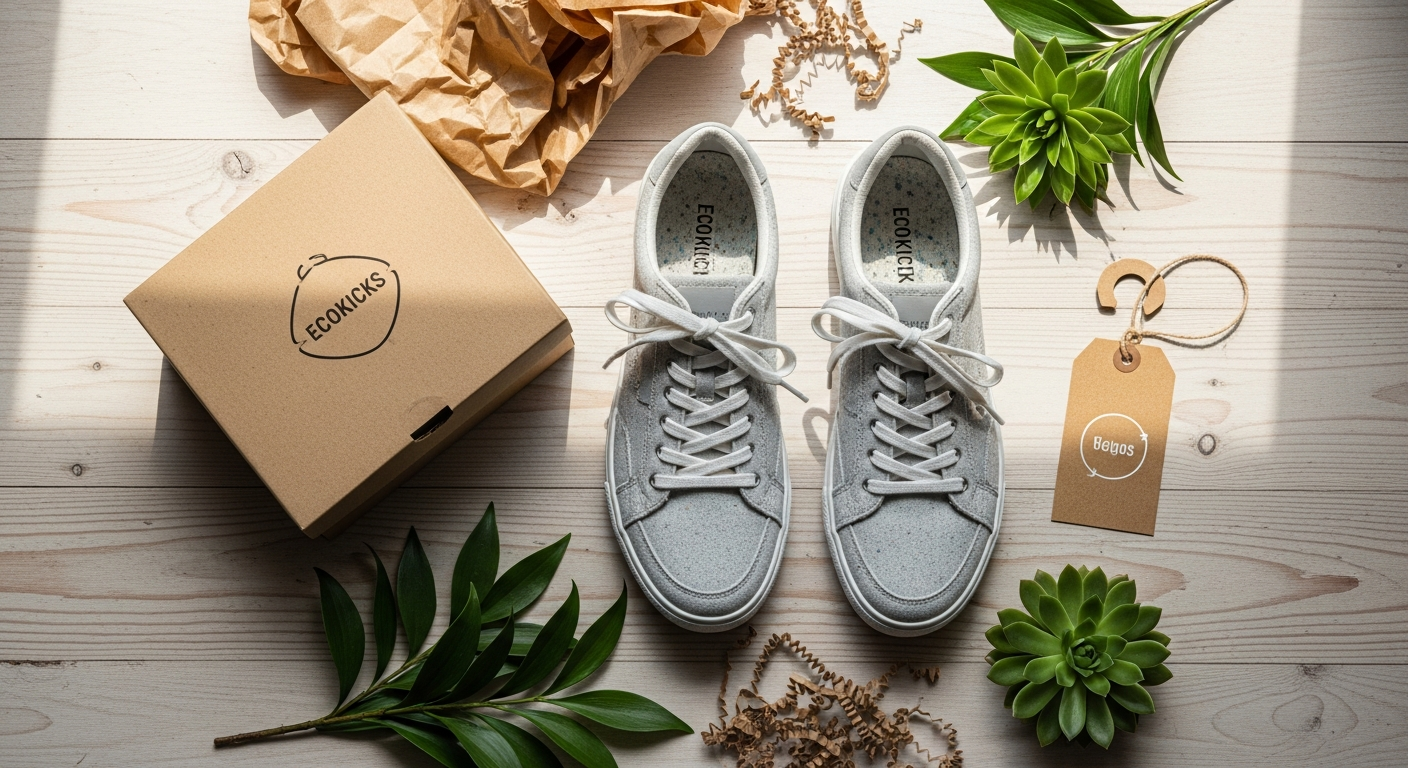
Discover how vegan eco-friendly everyday sneakers combine sustainable materials like Piñatex and recycled rubber with ethical production. Learn what makes these cruelty-free shoes worth the investment for conscious consumers.
Every year, the footwear industry churns out over 24 billion pairs of shoes. Behind those numbers lies a staggering reality: conventional manufacturing devours millions of gallons of water, relies on harsh chemicals, and depends on animal products to meet global demand. The environmental and ethical cost of a single pair of conventional sneakers ripples across ecosystems and labor communities worldwide.
Enter vegan sneakers—a category that’s quietly revolutionizing what shoes can be. These aren’t compromises or sacrifices. Modern vegan sneakers feature innovative materials like pineapple leather (Piñatex), apple-based polymers, and recycled ocean plastics woven into sleek, versatile designs that work with virtually any outfit you own. Brands carried by platforms like Shop Like You Give A Damn have proven that style, comfort, and ethics can coexist.
This guide will uncover the science behind alternative vegan leathers, explore how ethical manufacturing actually works, help you understand the true cost of sustainable footwear, and reveal whether these sneakers deliver on their promises of durability and comfort. Explore the best vegan sneaker options available today.
The Innovation Behind Vegan Leather Alternatives
Piñatex Technology: Growing Leather from Pineapple Leaves
Piñatex represents one of the most elegant solutions in sustainable material innovation. This leather alternative comes from pineapple leaf fibers—a byproduct of existing agricultural practices in countries like the Philippines and Kenya. Farmers already harvest pineapples for fruit; the leaves, traditionally burned or discarded, now become raw material for footwear.
The process extracts fibers from these leaves, which are then combined with a PU (polyurethane) binder and a polyester backing. The result is a material that rivals traditional leather in appearance and durability while generating zero additional waste. Piñatex-clad sneakers handle water exposure remarkably well, resisting the kind of water damage that once made plant-based leathers impractical for everyday wear. The material develops a subtle patina over time, much like genuine leather, giving wearers a sense of authenticity and character.
Recycled Plastic Uppers: Transforming Waste Into Wearables
Your discarded beverage bottles have a second life in vegan sneakers. Recycled PET plastic—the same material used in soft drink containers—gets collected, processed, and transformed into durable shoe uppers. This approach serves a dual purpose: it diverts plastic from landfills and oceans while reducing the demand for virgin petroleum-based synthetics.
The sourcing process involves collecting post-consumer plastic waste, which undergoes sorting and cleaning before being shredded into small flakes. These flakes are melted and spun into yarn or fabric, which is then dyed and woven or knitted into sneaker uppers. The resulting material is lightweight, water-resistant, and remarkably strong. Many wearers report that recycled plastic uppers feel more breathable than traditional synthetic leather, allowing better air circulation during warm weather.
Apple Leather & Corn-Based Polymers: Agricultural Waste Reimagined
Beyond pineapple and plastic, innovative brands are tapping into agricultural waste streams most people never consider. Apple leather, for instance, uses leftover pulp and skin from juice and cider production. This material is combined with polyurethane to create a supple, textured alternative that performs similarly to traditional leather while reducing food waste.
Corn-based polymers work through a different mechanism. Manufacturers extract polylactic acid (PLA) from corn, which is then processed into a durable thermoplastic. This material offers excellent resistance to wear and maintains its color over time. The environmental benefit extends beyond waste reduction: corn-based polymers are biodegradable under industrial composting conditions, offering a genuine end-of-life advantage over synthetic alternatives. However, these materials remain newer to the market, and their long-term durability is still being documented through extended real-world use.
Fair Labor & Ethical Manufacturing Standards
Fair Wage Practices: Beyond Minimum Wage
Ethical sneaker brands distinguish themselves by committing to living wages—not the often-inadequate minimum wages set by individual countries. A living wage means workers earn enough to cover basic needs like housing, food, healthcare, and education without relying on government assistance or working multiple jobs.
Brands verified by platforms like Shop Like You Give A Damn conduct regular audits of their manufacturing facilities. They maintain transparency about factory locations, worker wages (often published publicly), and benefit structures. Across different regions, wage standards vary significantly. A living wage in Vietnam might be €300–400 monthly, while the same standard in Eastern Europe could reach €600–800. Ethical brands adjust their compensation accordingly, ensuring workers benefit equitably regardless of geography.
Safe Working Conditions: Transparency and Verification
Factory safety isn’t abstract—it’s about workers having clean water, functioning equipment, reasonable hours, and protective gear when needed. Ethical sneaker manufacturers implement strict protocols covering chemical safety, ergonomic workstations, and emergency procedures. Many brands go beyond minimum legal requirements, implementing additional safeguards and investing in worker education programs.
Third-party audits verify these conditions regularly. Organizations like the Fair Labor Association conduct surprise inspections, interview workers confidentially, and review documentation. Some brands publish annual transparency reports detailing audit findings, remedial actions taken, and worker complaints. This level of openness allows consumers to see exactly how their purchase impacts real people’s lives.
PETA-Approved Vegan Certification: What It Actually Means
PETA-Approved Vegan certification goes beyond simply avoiding animal products. The certification requires manufacturers to confirm that no animal ingredients are present in the final product, and that no animal testing occurred during material development. However, the certification doesn’t address labor practices or broader environmental concerns—it’s specifically about the absence of animal exploitation in the product itself.
Brands that hold PETA certification often pursue other certifications simultaneously, such as Fair Trade or environmental standards, to address these additional dimensions. When evaluating a vegan sneaker, look for multiple certifications rather than relying on one alone. This multi-layered approach ensures you’re supporting brands genuinely committed to comprehensive ethical production.
Discover ethical sneaker brands with verified certifications and fair labor practices.
Design, Comfort & Everyday Wearability
Minimalist Aesthetic: Versatility Across Contexts
Vegan sneakers succeed commercially because they don’t require wardrobe upheaval. Their classic silhouettes in white, black, grey, and subtle earth tones integrate seamlessly into existing wardrobes. Wear them with weekend jeans, casual work trousers, or even dresses for an unexpected contrast. Some brands offer vibrant color options—deep navy, rust red, forest green—that add personality without sacrificing versatility.
The low-top and mid-top designs feel contemporary without trending too aggressively, meaning your purchase won’t feel dated in two seasons. This longevity of aesthetic appeal, combined with material durability, justifies the higher upfront investment. You’re buying sneakers that remain relevant and wearable for years.
Cushioning Technology: Comfort Without Compromise
Quality vegan sneakers prioritize foot comfort through removable insoles, padded collars and tongues, and arch support systems. Unlike traditional athletic shoes that can feel bulky, ethical everyday sneakers maintain a streamlined profile while still providing support for all-day wear. The cushioning materials often include recycled foam or plant-based alternatives, maintaining the sustainability promise throughout.
Removable insoles offer flexibility for wearers with specific orthotic needs or personal comfort preferences. The padding in the collar prevents irritation during the initial break-in period, and quality arch support reduces fatigue during extended standing or walking. Many users report that these sneakers feel more comfortable than conventional options after just a few days of wear.
Sole Construction: Grip, Flexibility, and Durability
Recycled rubber and natural rubber soles deliver the combination of traction, flexibility, and longevity that everyday sneakers require. Recycled rubber—often sourced from old tires—provides excellent grip on wet and dry surfaces while maintaining the environmental integrity of the overall product. Natural rubber, derived from rubber trees, offers similar performance with the added benefit of being completely biodegradable.
The sole construction affects more than just durability; it influences how the shoe feels underfoot. Quality soles flex naturally with your foot’s motion, reducing strain on joints and muscles. Thicker soles provide more shock absorption for urban walking on hard pavement, while thinner soles maintain a more minimal feel and ground connection.
The Price Reality—Why €90–€180 Isn’t Arbitrary
Sustainable Material Sourcing: The R&D Premium
Alternative vegan leathers cost significantly more than petroleum-based synthetics because they require extensive research, development, and specialized sourcing. Piñatex production, for example, involves partnerships with agricultural communities, investment in fiber extraction equipment, and quality control across multiple production stages. These innovations aren’t standardized like conventional plastic leather; each requires customized supply chains and processing methods.
Compare the cost structure: petroleum is abundant, extraction is industrialized, and synthetic leather manufacturing is mature technology requiring minimal innovation investment. Vegan alternatives demand ongoing R&D to improve performance, reduce costs, and scale production. These research investments get reflected in product pricing, but they also position the industry toward future affordability as production scales.
Fair Wage Impact: The True Cost of Ethics
Fast-fashion sneakers produced in low-wage regions can be manufactured for €15–25, then sold for €40–60. Ethical brands operating in the same regions choose not to exploit wage differentials. They pay €8–12 per hour instead of €2–3, provide benefits, and invest in worker safety—decisions that immediately increase manufacturing costs by 40–60%.
Additionally, ethical brands often manufacture in regions with higher baseline labor costs, such as parts of Europe or developed Asian markets, where workers have stronger labor protections. This choice limits profit margins but ensures workers benefit substantially from your purchase. The price difference between a €50 fast-fashion sneaker and an €120 ethical alternative largely reflects fair wages, not brand markup.
Quality & Longevity: Cost-Per-Wear Mathematics
A pair of ethical sneakers at €120, worn daily for three years, costs approximately €0.11 per wear. Compare that to €45 fast-fashion sneakers that require replacement every 12–18 months, costing €0.08–0.12 per wear—and that’s before accounting for the environmental damage of faster turnover and the human cost of exploitative labor.
Durability testing shows that quality vegan sneakers maintain structural integrity and aesthetic appeal through 400–600 wears (roughly 2–3 years of daily use), while cheaper alternatives deteriorate notably after 200–300 wears. Your investment in higher-quality ethical sneakers reduces overall consumption, aligns with environmental values, and distributes your spending across a longer timeframe.
Addressing Skepticism—Do These Sneakers Really Perform?
Material Durability Myths: Evidence From Long-Term Wearers
Skepticism about vegan leather longevity persists, often rooted in experiences with early-generation synthetic alternatives from the 1990s and 2000s. Modern vegan leathers have evolved dramatically. Current Piñatex-based sneakers, for instance, show performance metrics comparable to genuine leather in tensile strength, tear resistance, and color stability.
Customer testimonials consistently report that well-maintained vegan sneakers remain unworn-looking after 18–24 months of regular use. The material doesn’t crack, peel, or delaminate when treated appropriately. Some users even prefer the minimal patina development of vegan leather to the scuffing that genuine leather exhibits. Recycled plastic uppers demonstrate similar longevity, with the material remaining supple and intact through years of wear.
Water & Stain Resistance: Practical Performance
Real-world durability extends to water resistance and stain management. Vegan sneakers handle rain exposure well—the material repels water rather than absorbing it like untreated canvas. Spills and minor stains wipe away easily with a damp cloth. For deeper cleaning, many brands recommend mild soap and water, with air drying to prevent damage. Some manufacturers offer care products specifically formulated for vegan leather, helping wearers maintain appearance and performance over time.
Notably, vegan leather doesn’t require the conditioning treatments that genuine leather demands. This removes a maintenance burden while eliminating the need for animal-derived products throughout the shoe’s life.
Comfort Break-In Period: Realistic Expectations
Most quality vegan sneakers require a 1–4 week adjustment period where the material softens and molds to your foot shape. This break-in is normal and expected—conventional leather shoes undergo similar processes. Many users find that the padded construction of ethical sneakers actually reduces break-in friction compared to stiff conventional alternatives.
Strategies to accelerate comfort adaptation include wearing the sneakers for shorter periods initially, using moisture-wicking socks, and walking on varied surfaces (carpet, pavement, grass) to encourage the material to flex naturally. By week three or four, most wearers report the shoes feel custom-fitted despite being mass-produced.
Finding Your Perfect Pair—A Buyer’s Guide
Identifying Your Use Case: Context-Driven Selection
Consider how you’ll actually wear these sneakers. Daily commuting on public transport and pavement benefits from designs emphasizing comfort, arch support, and durability. Weekend casual wear permits greater aesthetic experimentation—perhaps a vibrant color or distinctive design. Light professional settings call for minimalist aesthetics in neutral tones that blend with business-casual wardrobes.
Different use cases also inform material selection. Daily outdoor wear benefits from particularly durable soles and water-resistant uppers. Indoor-dominant wearers might prioritize breathability over weather resistance. Identifying your primary context helps narrow choices and ensures you select a pair suited to its intended purpose.
Foot Type Considerations: Support Matching
Flat feet require particular arch support to prevent fatigue and discomfort during extended wear. Many ethical brands specifically design models for flat feet, with firmer arch structures. Conversely, high-arched feet need less support but benefit from cushioning that accommodates the foot’s natural curve. Wide and narrow feet present different challenges; some brands offer width variations while others maintain standard sizing.
Brands like MoEa and SAOLA, stocked by Shop Like You Give A Damn, publish detailed information about their sizing and support profiles. Reading multiple customer reviews from people with your foot type provides invaluable insight into whether specific models will work for you. Many retailers accept returns, allowing you to test fit and comfort before committing.
Brand Spotlights: Philosophies and Features
MoEa emphasizes minimalist Dutch design combined with innovative vegan materials, often featuring Piñatex uppers. Their sneakers appeal to wearers seeking understated aesthetics and high-quality construction. SAOLA, a Vietnam-based brand, focuses on ethical production and environmental impact, incorporating recycled materials throughout their designs. Their aesthetic tends toward contemporary-casual with subtle design details.
Both brands maintain detailed transparency about their supply chains, labor practices, and material sourcing. Exploring their websites and reading product descriptions helps identify which design philosophy resonates with your style preferences and values. Shop Like You Give A Damn curates additional brands, each bringing distinct perspectives to ethical footwear design.
The Broader Impact—Why Your Sneaker Choice Matters
Reducing Animal Agriculture: Ecological Impact
Leather production depends on large-scale animal husbandry, which drives deforestation (particularly in the Amazon), consumes vast water resources, and generates significant greenhouse gas emissions. Cattle ranching ranks among the primary causes of Amazon destruction. By choosing vegan sneakers, you reduce demand for leather, weakening the economic incentive for these destructive practices.
This impact extends beyond environmental concerns. Animal agriculture for leather creates animal welfare issues throughout the supply chain. Choosing vegan alternatives removes your participation from this system, aligning your purchasing decisions with your values.
Plastic Waste Solutions: Circular Economy Contributions
Recycled plastic sneakers address one of the planet’s most pressing waste challenges: plastic accumulation in oceans and landfills. A single pair of sneakers might incorporate plastic equivalent to 10–15 recycled beverage bottles. At scale, thousands of vegan sneaker purchases collectively divert thousands of tons of plastic from environmental accumulation toward productive use.
This circular approach creates genuine value: waste becomes resource, reducing pressure on virgin plastic production and associated petroleum extraction. As recycling technology improves, future sneaker generations will likely incorporate even higher percentages of recycled content.
Supporting Fair Trade Movements: Labor Rights and Global Justice
Every ethical sneaker purchase strengthens market signals favoring fair labor practices. Brands that prioritize worker welfare grow their market share, while exploitative producers face diminishing demand. Collectively, conscious consumer choices fund expansion of ethical production infrastructure, creating more jobs with fair wages and safe conditions.
This ripple effect extends beyond footwear. Success in ethical sneaker production demonstrates market viability for ethical manufacturing across industries, encouraging investments in fair trade alternatives for clothing, accessories, and other goods. Your purchase supports worker movements globally and contributes to long-term shifts toward systemic fairness.
Your Next Step in Conscious Fashion
Vegan eco-friendly everyday sneakers represent a genuine shift in footwear innovation and ethical production. You’ve learned how materials like Piñatex and recycled plastics deliver durability without compromise, how ethical manufacturing ensures your purchase supports real people, and why the €90–€180 price tag reflects genuine value. The skepticism surrounding vegan leather has largely dissolved—these sneakers perform, they look great, and they align your daily choices with your values.
Your next pair of everyday sneakers could be the beginning of a broader shift toward conscious consumption, one step at a time. Start your ethical footwear journey with Shop Like You Give A Damn today.