
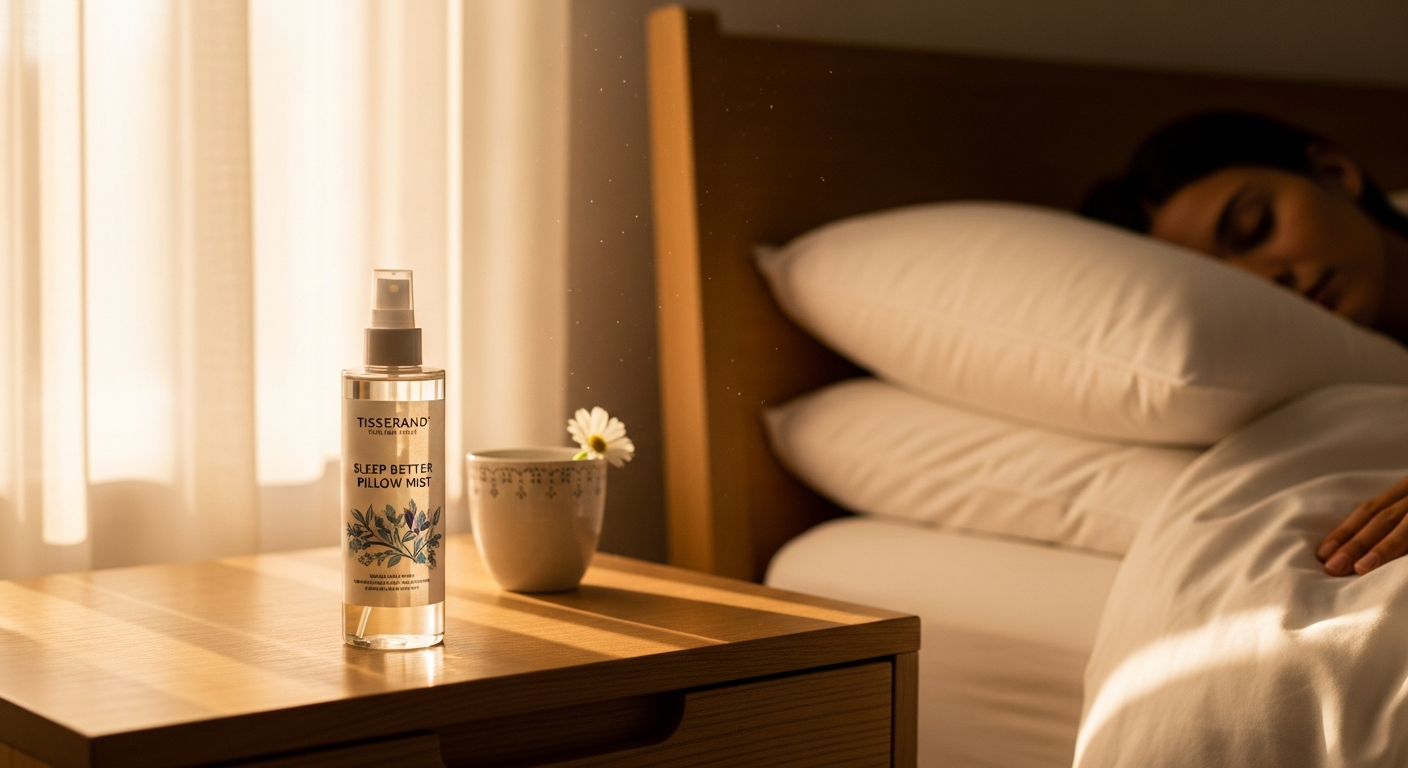
Discover how to use Tisserand Sleep Better Pillow Mist effectively for deeper sleep. Learn application techniques, optimal timing, and pro tips to enhance your nightly relaxation routine with natural essential oils.
Nearly 36% of adults struggle with sleep quality on a regular basis, yet many overlook one of the simplest solutions available: aromatherapy. A single spritz of the right pillow mist can transform your bedroom into a sanctuary of calm, signaling your body that it's time to unwind. Tisserand's Sleep Better Pillow Mist has earned its place as a bestseller across the UK and beyond, thanks to its award-winning formula of pure lavender, sandalwood, and jasmine essential oils.
Unlike synthetic sleep sprays loaded with artificial fragrances, this natural mist delivers genuine aromatherapeutic benefits without overwhelming your senses. The difference is immediately noticeable—you're not battling chemical odors that linger in your nostrils; instead, you're experiencing a carefully balanced blend designed specifically to ease your transition into sleep. This distinction matters, particularly for those with sensitivities or anyone who's grown tired of overpowering artificial scents masquerading as wellness products.
Discover how Tisserand Sleep Better Pillow Mist can transform your nightly routine.
Understanding the Essential Oil Blend Behind Sleep Better Mist
Lavender's calming science
Lavender essential oil operates at the neurological level to reduce anxiety and promote relaxation. The compound linalool, naturally present in lavender, interacts with your nervous system to lower cortisol levels and slow heart rate. This isn't marketing hype—decades of aromatherapy research support lavender's ability to quiet mental chatter that typically keeps you awake. When you inhale lavender from your pillow mist, your brain begins processing signals that safety and rest are approaching.
Sandalwood's grounding effect
Sandalwood brings a warm, woody foundation to the blend that enhances the mist's ability to quiet racing thoughts. Where lavender addresses anxiety, sandalwood provides anchoring—it pulls your mind away from spiraling worries and grounds you in the present moment. This woody note prevents the blend from feeling too ethereal or disconnected; instead, it creates a sense of stability that supports deeper relaxation.
Jasmine's subtle uplifting properties
Jasmine prevents the blend from feeling heavy or sedative, which matters because effective sleep support isn't about knocking you out—it's about inviting rest. The delicate sweetness of jasmine ensures the mist uplifts your mood while still facilitating calm. This balance prevents the formula from feeling cloying or overly medicinal, making it genuinely pleasant to use night after night.
The synergy of the three oils
These three oils work together in ways that individual oils cannot replicate. Lavender addresses anxiety, sandalwood provides grounding, and jasmine ensures the experience remains pleasant rather than clinical. Combined, they create a more effective sleep aid than using any single essential oil alone. This synergistic approach reflects Tisserand's expertise in aromatherapy formulation.
Concentration and potency
The 100% natural essential oils in this pillow mist mean genuine scent strength and therapeutic benefit. You're not dealing with diluted extracts or fragrance oils; you're getting concentrated botanicals that deliver actual aromatherapeutic value. This potency is why a few spritzes suffice—the formula is designed to work efficiently without requiring excessive application.
Absence of synthetic additives
Tisserand's natural approach protects sensitive sleepers from chemical irritants commonly found in mass-market sleep sprays. Synthetic fragrances often trigger headaches, respiratory irritation, or allergic reactions in sensitive individuals. By relying exclusively on natural essential oils, this mist eliminates those concerns entirely.
Application Techniques That Deliver Results
Direct pillow spraying
The optimal technique involves holding the bottle 15-20 centimeters from your pillow and applying 2-3 spritzes directly onto the fabric. This distance ensures even distribution without oversaturating the pillow. The goal is light, aromatic coverage—not enough to dampen the fabric, but sufficient to create a noticeable scent envelope as your head settles.
Bedding application
Misting sheets and blankets without over-saturating requires a light hand and strategic placement. Apply 1-2 spritzes to the area where your upper body will rest, allowing the mist to settle naturally rather than rubbing it in. This prevents the concentrated essential oils from transferring directly to your skin while still perfuming the bedding environment.
Room-wide diffusion
Using the mist to create ambient sleep environment throughout your bedroom expands its effectiveness. A single spritz into the air near your bed allows the scent to disperse naturally, surrounding you with the calming aroma without concentrating it in one spot. This approach works particularly well in larger bedrooms or for those who prefer subtle scent presence.
Targeted spray zones
Certain areas of your sleep space benefit most from the mist. The pillow itself is primary, but the headboard area, the space above your mattress, and the air just before you lie down all contribute to an immersive aromatic experience. Consider your breathing zone—the area where your nose and mouth will rest—as the priority application point.
Avoiding over-application
Less is genuinely more with aromatherapy pillow products. Over-application leads to scent fatigue, where your nose becomes desensitized to the aroma, reducing effectiveness. Additionally, excessive misting can dampen fabrics and potentially cause irritation for sensitive skin. Start with 2-3 spritzes and adjust upward only if needed after several nights of use.
Fabric compatibility
Using the mist safely on different pillow and bedding materials requires minimal consideration. The formula works on cotton, linen, synthetic blends, and other common fabrics. For delicate materials or those prone to staining, test on a hidden corner first, though the water-based mist rarely causes issues. Memory foam pillows respond particularly well to this mist, as the foam's density helps retain and gradually release the aromatic compounds.
Experience the full benefits of this award-winning sleep mist with proper application techniques.
Timing Your Misting for Optimal Sleep Onset
Pre-bedtime application window
Spray the mist typically 5-15 minutes before sleep. This timing allows the initial aromatic intensity to settle while remaining potent as you lie down. Applying too far in advance (30+ minutes) reduces the effectiveness because your olfactory system begins adapting to the scent. Applying immediately upon lying down works, though giving yourself a few minutes allows your breathing to normalize around the aroma before your eyes close.
Routine integration
Making the mist part of a consistent bedtime ritual strengthens its effectiveness through behavioral conditioning. When you perform the same action at the same time each night, your mind begins anticipating sleep the moment you reach for the bottle. This psychological component amplifies the physical aromatherapeutic benefits, creating a powerful sleep trigger.
Scent longevity considerations
Understanding why the initial potency matters more than lasting fragrance for sleep products clarifies the mist's design. You need noticeable scent presence as you're settling in—roughly the first 20-30 minutes before sleep takes hold. The fragrance naturally fading as you drift off actually supports deeper sleep rather than disrupting it. A mist that lingered all night might become intrusive or prevent you from entering the deepest sleep stages.
Cumulative effect benefits
Regular nightly use builds stronger sleep associations over time. Your brain gradually learns to recognize the lavender-sandalwood-jasmine aroma as the signal that rest is beginning. After two to three weeks of consistent use, many people find they begin relaxing the moment they smell the mist—before the pharmacological effects of the essential oils even register. This conditioned response becomes increasingly powerful.
Adjusting timing for your schedule
Personalizing application based on your unique sleep needs means experimenting within the 5-15 minute window. If you tend to lie awake after applying, move your spray time earlier. If you rarely catch the scent before falling asleep, apply closer to bedtime. Your optimal timing depends on how quickly you typically drift off and your personal sensitivity to aromatics.
Combining with other wind-down activities
Pairing the mist with meditation, reading, or breathing exercises amplifies its calming effects. The multisensory approach—aromatic experience combined with intentional breathing or gentle mental activity—engages multiple pathways toward relaxation. Consider spraying as you complete your final pre-sleep activity, creating a natural segue into actual sleep.
Who Benefits Most From This Pillow Mist
Stress and anxiety sufferers
Aromatherapy addresses the emotional barriers to sleep that keep many people awake. When worry dominates your thoughts, you need more than sleep medication—you need something that actually quiets the anxious mind. Lavender and sandalwood target the stress response directly, creating neural conditions more conducive to rest than pharmaceutical alternatives that simply force unconsciousness.
Shift workers and irregular sleepers
Using the mist to signal sleep time across changing schedules helps your body establish consistency despite irregular timing. Shift workers lack the natural circadian cues that typically trigger sleep onset. The consistent aroma serves as an artificial signal—telling your body "this is sleep time" regardless of whether it's noon or midnight. This becomes particularly valuable for those whose schedules rotate frequently.
Light sleepers
Natural scent-based solutions work better than pharmaceutical alternatives for those who wake easily. Light sleepers often find that even mild sleep medications cause next-morning grogginess or create dependency concerns. A pillow mist offers sleep support without those drawbacks, addressing the root issue (anxiety or restlessness) rather than forcing unconsciousness through sedation.
Parents seeking natural options
Safe, non-invasive sleep support appeals to health-conscious households. Parents increasingly prefer aromatherapy over other interventions for their own sleep challenges, modeling natural wellness approaches. The Tisserand formula's safety profile and lack of synthetic additives align perfectly with this preference for clean, plant-based solutions.
Travelers and hotel sleepers
Portable aromatherapy maintains sleep quality away from home, where unfamiliar environments often disrupt sleep patterns. A small pillow mist bottle easily fits into carry-on luggage, providing familiar comfort in new spaces. Hotels and temporary accommodations often lack the sensory cues that support sleep in your own bedroom; this mist bridges that gap by creating familiarity wherever you rest your head.
Individuals with sensory sensitivities
This product avoids triggering reactions common with synthetic fragrances. Those with chemical sensitivities, fragrance allergies, or conditions like multiple chemical sensitivity (MCS) often struggle to find sleep aids that don't provoke adverse reactions. Tisserand's pure essential oil approach eliminates the synthetic compounds that typically cause problems, making this mist accessible to people otherwise limited in their options.
Comparing Pillow Mists: Why Tisserand Stands Out
Natural vs. synthetic formulations
Award-winning natural formulations separate this mist from mass-market alternatives that rely on fragrance compounds and synthetic aromatics. Many commercial pillow sprays contain isopropyl alcohol and artificial scent molecules engineered to smell pleasant but lacking genuine aromatherapeutic properties. Tisserand's pure essential oil approach delivers both pleasant fragrance and actual therapeutic benefit—a combination rarely found at this price point.
Price-to-quality ratio
Tisserand delivers premium aromatherapy at accessible price points, typically £7.99 to £8.66. This affordability doesn't sacrifice quality; it reflects the brand's efficiency in sourcing and production. You're receiving legitimate essential oil aromatherapy without the premium pricing of boutique brands or the compromised quality of discount alternatives. This balance makes natural sleep support financially viable for most budgets.
Brand reputation and ethics
Tisserand's commitment to sustainable sourcing and quality control reflects decades of expertise in aromatherapy. The brand invests in understanding essential oil science, ensuring their formulations actually deliver on promised benefits. Their ethical sourcing practices and transparency about ingredient origins distinguish them from competitors cutting corners with cheaper extraction methods or questionable suppliers.
Customer satisfaction metrics
Bestseller status reflects genuine user results rather than marketing hype. A product doesn't achieve consistent popularity across major retailers without delivering actual sleep improvements. The volume of positive reviews, consistent repurchasing patterns, and retailer placement all indicate satisfied customers who find real value in this formula.
Award recognition
Industry accolades reveal product efficacy validated by independent assessment. When aromatherapy experts and wellness publications recognize a product as award-winning, it signifies that the formula meets professional standards for both safety and effectiveness. These recognitions provide third-party confirmation that Tisserand's formula genuinely outperforms alternatives.
Longevity and value
The 100ml bottle's typical lifespan means cost-per-use is remarkably low. With 2-3 spritzes per night, a single bottle lasts approximately 6-8 weeks of nightly use. This translates to roughly £0.02-£0.03 per night for sleep support—making it one of the most affordable natural remedies available. The economic value combined with genuine effectiveness creates compelling justification for regular purchase.
Maximizing Your Sleep Better Mist Investment
Storage best practices
Preserving essential oil potency requires keeping the bottle away from direct sunlight and heat sources. Essential oils gradually oxidize when exposed to light and temperature fluctuations, reducing both scent strength and therapeutic benefit over time. Store your mist in a cool, dark location—a bedroom drawer, cabinet, or closet works perfectly. Proper storage extends the product's effective lifespan and maintains full potency throughout use.
Complementary sleep products
Pairing the mist with other natural sleep aids amplifies results. Blackout curtains, white noise machines, cool room temperature, and a consistent sleep schedule all create conditions where aromatherapy works most effectively. Some users combine the mist with herbal tea, magnesium supplements, or weighted blankets—each addition supporting the overall goal of improved sleep quality.
Creating a complete sleep ritual
Building a multi-sensory bedtime routine around aromatherapy engages multiple senses in supporting sleep. Combine the mist with dim lighting, calming music, comfortable sleepwear, and perhaps a warm (non-caffeinated) beverage. This holistic approach creates a comprehensive wind-down experience where each element reinforces the others, making your bedtime routine genuinely restorative rather than simply exhausted collapse into bed.
Budget-friendly usage strategies
Making your bottle last longer without sacrificing effectiveness means understanding that misting the air requires fewer spritzes than direct pillow application. On nights when budget consciousness peaks, apply the mist to the room rather than directly to pillows—you still benefit from the aroma while using less product. Alternatively, mist only your pillow rather than both pillow and sheets, reducing consumption without eliminating benefits.
Seasonal adjustments
Adapting your application based on temperature and humidity changes optimizes the mist's diffusion. In humid climates, scents tend to linger longer; you might reduce application. In dry environments, the aroma dissipates faster; slight increases in spray frequency may enhance effectiveness. Winter heating systems dry air significantly, potentially requiring adjustment compared to summer application patterns.
Tracking sleep improvements
Monitoring changes in sleep quality validates the product's impact and helps you optimize its use. Keep a simple sleep log noting spray application, bedtime, wake time, and subjective sleep quality. After two to three weeks of consistent use, patterns typically emerge showing improvement. This data helps you identify whether timing, application technique, or frequency adjustments would further enhance results. Tangible tracking removes guesswork and provides motivation for continued use.
Addressing Common Questions and Concerns
Scent persistence and fade
The mist's initial strength matters more than all-night fragrance because sleep effectiveness depends on the transition period, not the full night. Your olfactory system naturally adapts to consistent scents within 20-30 minutes—a phenomenon called olfactory adaptation. This isn't product failure; it's actually beneficial because you need the aroma's presence during the critical wind-down period, not throughout sleep. As the scent naturally fades, it doesn't disrupt your deeper sleep stages.
Sensitivity and allergic reactions
Those with known essential oil sensitivities should patch-test before full use. Apply a small amount to your inner wrist and monitor for 24 hours. Watch for redness, itching, or irritation. Systemic reactions are rare with Tisserand's formula, but individual sensitivities exist. If you have a history of fragrance allergies or chemical sensitivities, start with a single spritz at distance rather than direct application, monitoring your response over several nights before increasing use.
Effectiveness timeline
Noticeable improvements in sleep quality typically appear within 3-7 days for some users, though 2-3 weeks of consistent application provides more reliable results. Your brain requires time to build the sleep association with the aroma. Initial improvements might feel subtle—slightly easier time falling asleep, marginally fewer nighttime awakenings—before progressing to more obvious changes like waking refreshed or reduced grogginess. Patience and consistency matter more than immediate dramatic transformation.
Compatibility with medications
General safety considerations for aromatherapy use rarely present issues with topical pillow mists, but individuals taking sedatives or sleep medications should consult healthcare providers about combining treatments. The mist's aromatic delivery means minimal systemic absorption, but interactions with certain medications theoretically exist. When in doubt, discuss with your doctor or pharmacist—most find aromatherapy compatible with standard sleep medications.
Pet and child safety
Guidelines for using the mist in homes with dependents require understanding that essential oils can affect pets and very young children differently than adults. Cats are particularly sensitive to certain essential oils; if you have feline companions, ensure they have unsprayed areas of your home where they can escape the aroma. For young children, use the mist in your bedroom rather than theirs, as their olfactory systems and bodies process essential oils differently. Older children and dogs typically tolerate the formula without issue.
Refund and satisfaction guarantees
Understanding Tisserand's customer protection policies provides confidence in your purchase. Most retailers offering Tisserand products include standard return policies; if you're unsatisfied with the mist's effectiveness, you can typically return it within 30 days for refund or exchange. This protection removes risk from trying the product—you're essentially sampling it risk-free to determine if it genuinely improves your sleep.
Your Path to Better Sleep Starts Tonight
The Tisserand Sleep Better Pillow Mist isn't simply another fragrance product gathering dust on your nightstand—it's a practical tool that bridges the gap between intention and action when it comes to sleep quality. By understanding the science behind its essential oil blend, mastering application techniques, and timing your use strategically, you unlock the full potential of this award-winning formula. The real magic happens when you commit to consistent use, allowing your mind and body to build a powerful sleep association with that calming lavender-sandalwood-jasmine aroma.
Whether you're battling occasional restlessness or seeking a natural alternative to sleep aids, this 100ml bottle offers genuine value at an affordable price point. Start tonight: spray your pillow, take three deep breaths, and experience the difference that purposeful aromatherapy can make. Your best night's sleep might be just one mist away.
Begin your better sleep journey with Tisserand Sleep Better Pillow Mist today.