
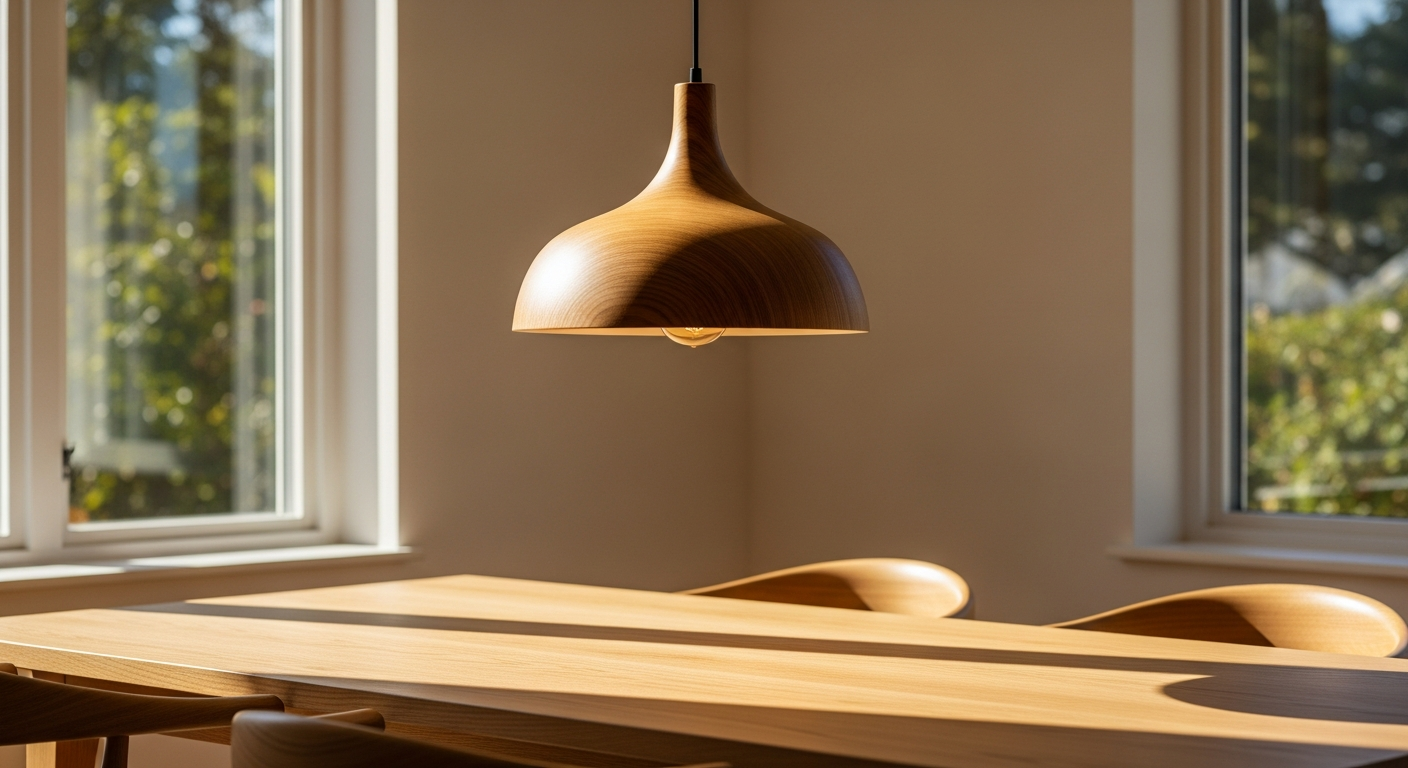
Discover how to select the ideal sustainable oak wood pendant lamp for your space. Learn about Lightineers’ handcrafted designs, eco-friendly materials, and timeless aesthetics that elevate modern interiors.
Understanding Sustainable Oak Wood as a Lighting Material
Nearly 60% of homeowners now prioritize sustainable materials when investing in home décor—yet many still struggle to find lighting that balances environmental responsibility with genuine style. The gap between intention and execution has created a void in the market, one where quality and conscience rarely meet on equal footing.
The Lightineers DE Sustainable Oak Wood Pendant Lamp represents a growing category of premium, handcrafted lighting solutions designed for the conscientious homeowner. These aren't mass-produced fixtures destined for warehouse clearance; they're deliberate creations engineered to last generations while maintaining their visual appeal.
Explore Lightineers' sustainable oak wood pendant lamps today.
Understanding Sustainable Oak Wood as a Lighting Material
Why oak wood stands out
Oak wood occupies a unique position in sustainable design. Its natural durability means pendant lamps crafted from this material resist warping and degradation far better than softer woods. The grain patterns create visual richness—no two pieces are identical, which appeals to anyone seeking individuality in their décor. Beyond aesthetics, oak possesses an inherent warmth that transforms how light behaves in a room, creating an inviting ambiance that synthetic materials simply cannot replicate.
Sustainability credentials
Responsibly sourced oak represents a meaningful commitment to environmental stewardship. When manufacturers prioritize FSC-certified wood, they're ensuring forests are managed for long-term health rather than short-term extraction. Oak's carbon footprint diminishes substantially when compared to synthetic lighting materials that rely on petroleum-based plastics and energy-intensive manufacturing processes. The lifecycle of an oak wood fixture—from forest to installation to eventual composability—demonstrates significantly lower environmental impact than conventional alternatives.
Longevity and aging
Oak wood develops character over time in ways that justify its premium positioning. Patina formation creates visual depth as the wood responds to light exposure and environmental conditions. Rather than degrading, authentic oak pieces often appreciate in value, functioning as decorative investments rather than disposable commodities. Homeowners frequently report that their handcrafted oak fixtures become more beautiful with age, accumulating stories through subtle transformations that mass-produced items never achieve.
Evaluating Craftsmanship and Quality Standards in Handmade Pendant Lamps
Artisan construction methods
Hand-finishing techniques distinguish genuine craftsmanship from industrial assembly. Skilled artisans employ precision joinery that ensures structural integrity without relying on plastic fasteners or adhesives. Each joint represents a decision point where quality either flourishes or falters. Attention to detail manifests in subtle ways—how wood grain aligns across panels, how hardware integrates seamlessly, how proportions relate to one another.
Quality indicators to assess
When evaluating handcrafted pendant lamps, look beyond initial impressions. Smooth finishes free from splinters or rough patches indicate proper sanding and preparation. Consistent grain alignment across the fixture suggests deliberate material selection and careful assembly. Hardware should feel secure and move smoothly; balanced weight distribution confirms that the fixture was engineered for stability, not merely aesthetics. These markers separate pieces made with intention from those assembled primarily for profit.
Lightineers' production philosophy
Lightineers operates under a "Perfection in Light" commitment that extends beyond marketing language. Their quality control processes reflect genuine standards rather than cost-cutting compromises. Brand heritage matters—a company with sustained reputation cannot hide behind shortcuts. The production philosophy emphasizes sustainable products designed for permanence, meaning each lamp receives the scrutiny and refinement necessary to justify its premium positioning.
Discover Lightineers' commitment to quality craftsmanship and sustainable design.
Design Aesthetics and Interior Integration Strategies
Scandinavian minimalism
Oak wood pendant lamps naturally align with Scandinavian design principles. Clean lines eliminate visual clutter, allowing the wood's natural beauty to command attention. Understated elegance means the fixture enhances rather than dominates a room. Nordic design philosophy celebrates functional beauty—objects that work exceptionally well while maintaining visual restraint. Oak wood embodies this balance, offering warmth without ornamentation.
Modern interior compatibility
Contemporary spaces benefit tremendously from natural wood accents, particularly when surrounded by neutral palettes. Oak fixtures create focal points that draw the eye without jarring color contrasts. They pair effectively with concrete, steel, and minimalist furnishings, creating visual interest through material contrast rather than decorative excess. The fixture becomes a conversation starter, a tangible connection to natural materials in increasingly digital homes.
Size and scale considerations
Pendant height matters significantly for both aesthetics and function. Higher ceilings (9-10 feet) accommodate larger diameter fixtures with longer drop distances, creating dramatic statement pieces. Standard ceiling heights (8 feet) require more modest sizing to avoid overwhelming the space. Room dimensions influence visual proportion—oversized fixtures dwarf small spaces, while undersized pieces disappear in expansive rooms. Thoughtful sizing ensures the lamp integrates harmoniously rather than creating awkward spatial relationships.
LED Technology and Illumination Performance in Natural Wood Fixtures
Modern LED integration
Contemporary oak wood pendant lamps incorporate LED technology that would have seemed impossible a decade ago. Energy-efficient bulbs consume a fraction of power required by traditional incandescent options, translating to lower electricity bills and extended operational lifespan. LEDs generate minimal heat, protecting wood from thermal stress that historically complicated fixture design. The integration of modern technology with traditional materials creates the best of both approaches.
Customizable lighting options
Dimmable functionality allows inhabitants to adjust ambiance throughout the day, from bright morning illumination to soft evening glow. Color temperature selection ranges from warm (2700K) to neutral (4000K), enabling personalization based on room function and preference. Smart home compatibility represents the newest frontier, permitting remote control and automation through contemporary connected devices. These features transform oak wood pendant lamps from static fixtures into responsive elements of the living environment.
Light diffusion through wood
Oak grain pattern affects how light travels through and around the fixture. Variations in wood density create natural diffusion that softens harsh brightness while maintaining illumination quality. Shadow patterns cast by the grain add visual dimension, particularly noticeable during evening hours. The translucency of certain wood thicknesses influences perceived brightness, requiring careful consideration during design and specification phases.
Price Point Analysis and Investment Justification
Handcrafted premium pricing
Oak wood pendant lamps range from approximately €150 to €600+ depending on size, complexity, and design elements. This pricing reflects market realities for handmade, sustainable products rather than profit-seeking excess. Manufacturing costs for artisan work inherently exceed factory production—skilled labor simply costs more than assembly line wages. The premium compensates for quality rather than representing arbitrary markup.
Cost breakdown
Materials constitute the first expense layer—sustainably sourced oak wood costs substantially more than conventionally harvested alternatives. Labor represents the largest component, reflecting hours of skilled craftsmanship that automation cannot replicate. Sustainability sourcing adds additional expense, as does design complexity. Hardware, finishing materials, and quality control processes each contribute to the final price point. Understanding this breakdown reveals that premium pricing reflects genuine value creation.
Long-term value proposition
A handcrafted oak wood pendant lamp functions as a long-term investment rather than consumable décor. Durability measured in decades rather than years fundamentally shifts cost-per-use calculations. Timeless design resists obsolescence, remaining visually relevant as trends fluctuate around it. Resale potential for artisan pieces exceeds that of mass-produced alternatives—collectors and design-conscious individuals actively seek quality handcrafted fixtures. The equation becomes more favorable when amortized across years or decades of ownership.
Maintenance, Care, and Preserving Your Investment
Regular cleaning protocols
Dust accumulation dulls wood surfaces and reduces light transmission. Gentle wiping with soft, lint-free cloths removes particles without scratching finishes. Wood conditioning treatments replenish natural oils and maintain visual richness—consult manufacturer recommendations for specific products compatible with your fixture's finish. Moisture damage poses the primary threat to wood longevity; avoid excessive humidity and water exposure in kitchens or bathrooms without proper ventilation.
Seasonal adjustments
Temperature and humidity fluctuations cause wood to expand and contract slightly throughout the year. These natural movements affect joints and finishes, sometimes creating minor creaks or cosmetic changes. Understanding that wood responds to environmental conditions helps owners distinguish normal aging from actual damage. Consistent indoor climate control minimizes stress, extending fixture lifespan and preserving structural integrity.
Protecting the finish
Natural oil or varnish coatings require thoughtful protection strategies. Avoid abrasive cleaners that strip finishes; instead employ gentle, wood-specific products. Sunlight exposure gradually fades wood color—strategic curtain placement can slow this natural aging process if desired. Regular maintenance intervals catch minor issues before they become significant problems, ensuring the fixture retains both beauty and functionality through years of use.
Making Your Sustainable Lighting Decision
Selecting a sustainable oak wood pendant lamp transcends a simple purchasing transaction—it's a declaration of values. You're choosing craftsmanship over convenience, environmental stewardship over mass production, and timeless design over fleeting trends. Lightineers' handcrafted pieces embody this philosophy through meticulous attention to detail and an unwavering commitment to sustainable materials that endure for decades. The investment may feel substantial when compared to factory-made alternatives, yet the equation shifts dramatically when you factor in durability, unique character, and the genuine satisfaction of owning something made with intention. Your next step is to browse Lightineers' current collection, evaluate the sizes and finishes available, and imagine how a carefully selected oak wood pendant lamp will transform your space.
View Lightineers' complete collection of sustainable oak wood pendant lamps.