
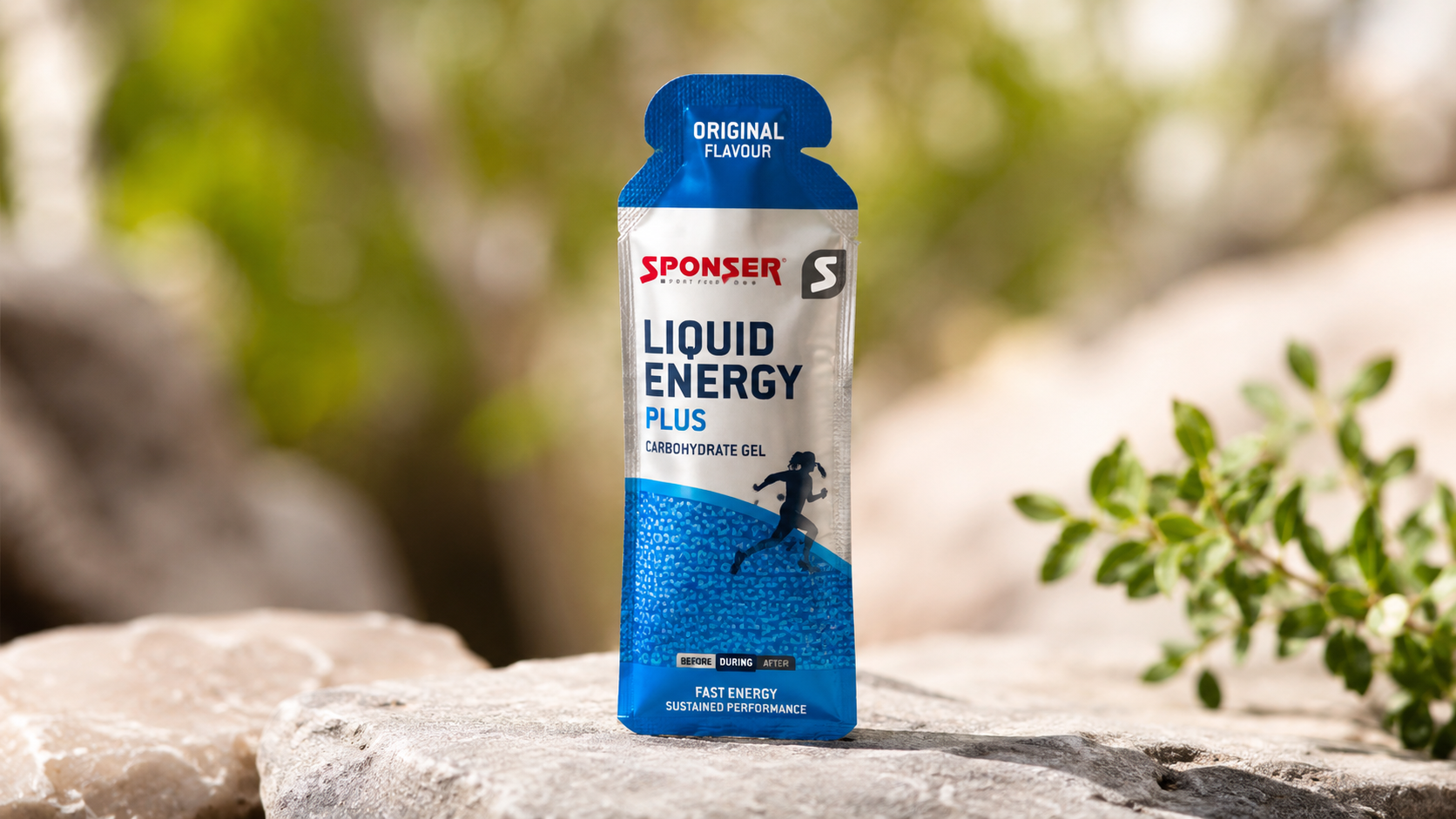
Discover how Sponser Liquid Energy Plus Gel delivers rapid carbohydrate energy with 50mg caffeine per sachet. Learn why endurance athletes trust this gel for sustained performance, pricing, and real-world applications for cyclists and runners.
Hitting the wall at mile 80 of a century ride is a defining moment. Your glycogen stores are depleted, your legs feel like concrete, and your mind is screaming for relief. I've watched countless endurance athletes face this exact moment—the point where ordinary energy gels fall short and mental fatigue takes over.
That's where caffeine-infused energy solutions become game-changers. Sponser Liquid Energy Plus Gel has earned cult status among DE/AT endurance athletes for one simple reason: it combines rapid carbohydrate delivery with a strategic caffeine boost that tackles both physical and mental fatigue simultaneously. This isn't just another gel on the market. Sponser's scientific approach to sports nutrition means every sachet is formulated and tested by actual athletes pushing their limits, not lab technicians guessing what works.
Discover the Sponser Liquid Energy Plus Gel that's transforming endurance performance across Europe.
Throughout this article, I'll break down exactly what makes this gel stand out—from its 50mg caffeine punch and glycogen-replenishing carbs to the practical packaging that won't explode in your jersey pocket. You'll discover real pricing, bulk-buy strategies, and whether the investment makes sense for your training. By the end, you'll understand why this product has become a staple for serious endurance competitors.
The Science Behind Caffeine-Carbohydrate Synergy in Endurance Gels
How Caffeine Enhances Mental Alertness and Reduces Perceived Exertion
Caffeine works on your central nervous system in ways that go far beyond keeping you awake. During extended endurance efforts, your brain naturally fatigues alongside your muscles. The 50mg dose in each Sponser sachet targets this mental degradation directly, heightening alertness and reducing your perception of how hard you're working. This psychological edge matters enormously when you're six hours into an event and your body is screaming at you to stop.
The Role of Carbohydrates in Replenishing Depleted Glycogen Stores
Your muscles store glucose as glycogen—a finite resource that depletes predictably during intense activity. Endurance athletes know this depletion wall intimately. The concentrated carbohydrate formula in Liquid Energy Plus gels works to restore these depleted stores rapidly, maintaining your power output and preventing the catastrophic energy crashes that derail performances.
Why the 50mg Caffeine Dose is Calibrated for Endurance Performance
This specific dose isn't arbitrary. It's calibrated for sustained efforts rather than sprint performances. The amount is substantial enough to trigger genuine cognitive and physical benefits without pushing athletes into excessive heart rate elevation or jitteriness. Research shows that this dosing sweet spot enhances performance during efforts lasting 60 minutes or longer—precisely where endurance athletes operate.
The Mechanism of Blood Sugar Stabilization and Sustained Energy Release
Unlike simple sugars that spike and crash, quality gels like Sponser's formulation provide a more gradual energy release that stabilizes blood glucose levels. This stability prevents the energy valleys that occur between feedings and maintains consistent power delivery across hours of activity. The carbohydrate matrix in the gel works with your digestive system to release energy steadily rather than in chaotic bursts.
Research-Backed Benefits of Combining Fast-Acting Carbs with CNS Stimulation
Sports science confirms what experienced endurance athletes already know: caffeine and carbohydrates together produce superior performance outcomes compared to either component alone. The caffeine amplifies carbohydrate utilization while the carbs provide the fuel that caffeine helps you access more efficiently. This synergy explains why caffeinated gels have become standard in competitive endurance circles.
Tolerability Advantages When Caffeine is Paired with Quality Carbohydrate Sources
Many athletes report that caffeine on an empty stomach creates digestive distress. When paired with a well-formulated carbohydrate gel, however, the caffeine sits alongside fuel your gut expects and processes efficiently. This pairing dramatically reduces GI issues that otherwise plague athletes relying on caffeine-only products during endurance efforts.
Individual Caffeine Sensitivity Considerations and How Athletes Adapt to Dosing
Not all athletes tolerate caffeine identically. Some thrive on multiple gels per race; others limit themselves to one or two doses due to sensitivity. Sponser's 50mg per sachet approach allows for flexible dosing—athletes can adjust their intake based on personal tolerance and the demands of their specific event. This flexibility matters more than a one-size-fits-all approach.
Unpacking the Nutritional Profile and Formulation
Carbohydrate Concentration Per 35g Sachet and Its Role in Glycogen Replenishment
Each 35g sachet packs a concentrated dose of carbohydrates specifically engineered to replenish glycogen rapidly. The formulation maximizes carbohydrate density without creating the overly thick consistency that makes some gels difficult to swallow during hard efforts. This balance between concentration and consumability reflects Sponser's attention to real-world racing conditions.
Caffeine Content Specifications and Variations Across Flavor Options
The caffeine content hovers around 50mg per sachet across most variants, though specific amounts can vary slightly depending on flavor and batch. The Cola-Lemon variant, for instance, delivers this caffeine alongside flavor profiles that appeal to athletes who find standard gel tastes monotonous during multi-hour efforts. Sponser maintains consistency across flavors while acknowledging that taste preferences vary significantly among competitors.
Ingredient Quality and Sponser's Commitment to Athlete-Tested Formulations
Sponser doesn't develop products in isolation. Their formulations are rigorously tested by actual endurance athletes—cyclists, runners, triathletes—pushing their limits in real training and racing scenarios. This athlete-first approach ensures that the product works under genuine race conditions, not just theoretical lab environments. The reputation Sponser has built in DE/AT markets reflects this unwavering commitment to real-world performance.
Digestive Tolerance Factors That Minimize GI Distress During High-Intensity Activity
The gel's formulation prioritizes gut tolerance, a crucial consideration when your digestive system is already under stress from intense exercise. The osmolarity balance—the concentration of dissolved particles—is tuned to allow efficient fluid absorption without creating the bloating or cramping that derails performances. Athletes report minimal GI issues even with repeated dosing throughout long events.
Osmolarity Balance and Fluid Absorption Rates in the Gut
The science of how quickly your intestines absorb nutrients matters enormously during endurance efforts. Sponser's formulation optimizes this balance, ensuring that the gel delivers carbohydrates and caffeine to your bloodstream efficiently without overwhelming your digestive system. This technical precision is invisible to the athlete but profoundly impacts performance outcomes.
Comparison of Liquid Energy Plus Against Standard Carbohydrate Gels Without Caffeine
Standard carbohydrate gels deliver energy but lack the mental boost that caffeine provides. Athletes comparing Liquid Energy Plus to caffeine-free alternatives frequently report superior mental clarity and reduced perceived effort with the caffeinated version—especially critical during the mental valleys that strike around hour three or four of extended efforts. The caffeine component genuinely differentiates this product from simpler carbohydrate sources.
Flavor Profiles and Taste Preferences Among Different Athlete Demographics
The Cola-Lemon flavor resonates strongly with European endurance athletes, offering a familiar taste that doesn't become cloying across multiple gels during a long event. Flavor fatigue is a real phenomenon during ultramarathons and century rides; the appeal of variety explains why Sponser offers multiple flavor options. Taste preferences often vary by discipline—cyclists sometimes prefer different flavors than runners—so Sponser's flexibility addresses these nuanced preferences.
Packaging Design and On-the-Go Convenience
35g Sachet Portability for Cyclists, Trail Runners, and Ultramarathoners
The 35g sachet format represents the sweet spot between portability and utility. Single sachets fit easily into jersey pockets without bulk, making them ideal for cyclists tackling long rides. Trail runners and ultramarathoners similarly appreciate the minimal weight and space requirements; a dozen gels fits comfortably in a small pack. This portability differentiates the sachet format from larger bottles or tubes that consume valuable space and weight.
Quick-Tear Design and Ease of Consumption During Movement
Tearing open a gel while moving at speed or maintaining a running pace requires genuine convenience. Sponser's sachet design prioritizes this reality—the tear points are intuitive, requiring minimal dexterity even when wearing gloves or when hands are cold and numb from extended effort. The ability to consume fuel while maintaining effort matters more than it appears; fumbling with packaging during a race can break rhythm and waste precious mental energy.
Resealable Tube Options Versus Single-Serving Sachets
While some Sponser variants come in resealable tubes, the Liquid Energy Plus "Plus" version typically arrives in single-serving sachets. This distinction matters: sachets guarantee freshness and prevent waste, whereas tubes can sit partially consumed and degrade over time. For athletes who consume gels strategically at specific intervals, single-serving sachets align perfectly with dosing patterns.
Storage Considerations for Multi-Hour Training Sessions and Races
Gels respond to temperature and time. Sachets maintain their integrity better than open tubes across the hours of training or racing where temperature fluctuations occur. Athletes running long ultras in varying conditions appreciate that each sachet provides a sealed, protected energy source. This stability matters when your fueling strategy depends on consistent delivery throughout a 12-hour effort.
Potential Messiness Factors and Best Practices for Clean Consumption
The sachet format occasionally creates mess if torn carelessly—gel residue on hands, sticky residue on shorts. Experienced athletes develop techniques: tear carefully at the designated point, apply directly to the mouth, and immediately consume without delay. This minor inconvenience barely registers once you've fueled a handful of times during training.
Comparison of Sachet Format to Competing Gel Brands' Packaging Approaches
Many competitors use similar sachet formats, though some push larger packets (50g+) that provide more fuel but sacrifice portability. Others rely on bottles requiring spoons or special applicators. Sponser's 35g sachets land in a practical middle ground—substantial enough to matter, small enough to carry comfortably. The format represents a sensible engineering decision rather than revolutionary innovation, but sensible engineering often matters more than flashy innovation.
Hydration Pairing Strategies When Using Concentrated Gels
Concentrated gels require water to absorb optimally. Athletes using Liquid Energy Plus typically pair each sachet with 200-300ml of water, creating a fueling strategy that simultaneously addresses hydration and energy. This synergy between gel and water represents intelligent fueling; neither component alone achieves what the combination delivers.
Start optimizing your endurance fueling strategy with Sponser Liquid Energy Plus Gel today.
Pricing Strategy and Value Proposition for Different Training Volumes
Individual Sachet Pricing Across Various Retailers
Individual sachets cost between €1.59 and €3.20 depending on your retailer and location within DE/AT markets. This per-unit pricing reflects premium positioning—substantially higher than basic carbohydrate sources but competitive with other caffeinated gels from established brands. For casual users purchasing single gels occasionally, this price point causes hesitation; for serious endurance athletes, it barely registers against the alternative of poor performance.
Bulk-Pack Economics: 10-Pack and 20-Pack Pricing Structures
The economics shift dramatically with bulk purchasing. Twenty-pack options run approximately €99.99, translating to roughly €5.00 per sachet when buying in volume—a modest increase from individual sachet pricing. Ten-packs typically cost around €69.99, providing intermediate savings for athletes who train seriously without committing to the largest volume. These bulk structures reward dedicated training and create substantial savings for competitive athletes.
Cost-Per-Serving Analysis When Purchased Individually Versus in Bulk
An athlete buying single sachets at €3.20 each spends significantly more than one purchasing 20-packs at approximately €5.00 per sachet. Across a 16-week training block with 2-3 gels consumed weekly, bulk purchasing saves €30-50 compared to individual sachet buying. These savings accumulate meaningfully across a full season of training and racing.
Comparison of Sponser Liquid Energy Plus Pricing to Competitor Energy Gels
Sponser's pricing sits at the premium end of the energy gel spectrum, though not dramatically higher than other established caffeinated gels from brands like GU or PowerBar. The differentiation comes in athlete testing and formulation quality rather than undercut pricing. Sponser competes on performance, not cost; athletes choosing this product accept premium pricing in exchange for quality assurance.
Long-Term Training Budget Implications for Cyclists and Runners
A serious endurance athlete fueling 2-3 gels per week across 36 weeks of annual training consumes 72-108 gels yearly. At bulk pricing (€5.00 per sachet), this represents an annual investment of €360-540 for gel nutrition alone. For cyclists tackling century rides or runners training for ultramarathons, this expense becomes a meaningful line item in training budgets. However, the performance benefits—fewer DNFs, stronger finishes, better race outcomes—easily justify this investment.
Seasonal Sales and Multi-Pack Discounts Available in DE/AT Markets
Sponser and retailers occasionally offer seasonal promotions and volume discounts. Athletes tracking these sales can further reduce costs, particularly if purchasing 20-packs during promotional windows. Subscribing to retailer newsletters or following Sponser's social channels reveals these opportunities; patient buying can shave 10-15% off already-competitive bulk pricing.
Value Justification: Premium Pricing Versus Product Quality and Effectiveness
The premium pricing reflects Sponser's commitment to athlete-tested formulations and consistent quality. You're not paying for marketing hype or flashy packaging; you're paying for a product that delivers measurable performance improvements. Athletes who've tested Liquid Energy Plus alongside budget alternatives invariably report superior mental clarity and sustained energy, confirming that the price premium delivers genuine value.
Real-World Applications Across Endurance Sports
Cycling Applications: Century Rides, Gravel Racing, and Multi-Day Tours
Cyclists tackling century rides (100 miles) face a fueling window of 4-6 hours or longer. Sponser Liquid Energy Plus works perfectly within this context, delivered at 30-40 minute intervals alongside water and electrolyte drinks. The caffeine boost around hour three counteracts the mental fatigue that strikes as glycogen depletes. Gravel racers similarly appreciate the convenient sachet format and sustained energy delivery; multi-day tour riders build this gel into daily fueling strategies across multiple days of riding.
Running Use Cases: Ultramarathons, Trail Races, and Long-Distance Road Running
Ultramarathon runners consuming 6+ hours of continuous effort benefit enormously from gels' concentrated energy delivery. Trail runners appreciate that gels don't require special equipment or extensive chewing—critical when maintaining effort on technical terrain. Half-marathon and marathon runners sometimes use single gels strategically around mile 10-12 of road races, targeting the mental valley that accompanies early glycogen depletion.
Triathlon Integration and Timing Strategies Across Swim-Bike-Run Disciplines
Triathletes execute careful fueling across three disciplines, often consuming gels primarily during the bike segment when fueling is easiest. The caffeine boost matters particularly during the run phase when mental fatigue peaks; some athletes intentionally time their final gel consumption to align with the race's run segment, capturing that caffeine benefit when it matters most. The portable sachet format fits triathlon fueling perfectly.
Training Versus Race-Day Consumption Patterns and Dosing Frequency
Training provides the laboratory for testing personal tolerance. Athletes typically practice fueling 1-2 gels during long training efforts, identifying their optimal dosing and consumption timing. Race day then amplifies this pattern; a five-hour race might incorporate 6-8 gels spaced 30-40 minutes apart. This distinction between training testing and race execution separates successful athletes from those plagued by fueling failures.
Athlete Testimonials from the DE/AT Endurance Community
Experienced cyclists and runners across German and Austrian endurance circles frequently credit Sponser Liquid Energy Plus with breakthrough performances. Century riders report maintaining power through final 20 miles where previous gels failed them. Ultramarathon runners describe the mental clarity difference, particularly during hours 8-12 where caffeine's psychological edge becomes most valuable. These aren't paid testimonials but earned respect from athletes who've proven the product's effectiveness through repeated use.
Performance Metrics: Energy Maintenance, Fatigue Reduction, and Mental Clarity
Measurable improvements include sustained power output (watts) across extended cycling efforts, consistent running pace during ultramarathons despite hours of effort, and reduced perceived exertion at objective intensity levels. Mental clarity—the ability to make tactical decisions late in events—emerges as the most frequently cited benefit among competitive athletes. These metrics transcend subjective feelings; training data confirms performance improvements with consistent Liquid Energy Plus fueling.
Practical Fueling Schedules for Different Event Durations and Intensities
Century rides typically incorporate one gel every 45 minutes starting around mile 30, totaling 4-5 gels across the event. Ultramarathons demand more frequent consumption—one gel every 45-60 minutes for sustained effort. Shorter efforts (half marathons, 50km gravel races) might involve 2-3 gels timed around predictable energy valleys. Athletes adjust these schedules based on individual metabolism and event terrain; the gel's effectiveness makes it flexible enough to accommodate various strategies.
Strengths and Limitations Worth Considering
Immediate Energy Delivery Without Digestive Lag and Trusted Brand Reputation
Sponser Liquid Energy Plus delivers carbohydrates rapidly—within 15-20 minutes, most athletes feel renewed energy. This speed matters enormously when energy crashes occur mid-race. The brand's reputation, built through years of athlete testing and proven performance across European endurance communities, means you're purchasing confidence alongside calories. This trust differentiates established brands from untested newcomers.
Caffeine-Driven Performance Enhancement for Mental and Physical Endurance
The 50mg caffeine dose genuinely impacts mental acuity and perceived effort reduction. Athletes report sharper tactical thinking and renewed motivation during races' mental valleys. Physical benefits include enhanced power output and reduced perception of leg fatigue—measurable improvements that justify the gel's premium positioning within the energy product landscape.
Convenient Sachet Format for Quick Consumption During Activity
Tearing open a sachet and consuming it mid-effort requires seconds, not minutes. This convenience keeps you moving without requiring stops, stance changes, or equipment management. Compared to energy bars (which demand chewing) or bottles (which require positioning and sipping), sachets represent genuine operational superiority during intense activity.
Effective Glycogen Restoration and Minimal GI Distress
The formulation reliably restores glycogen while remaining gentle on digestive systems. Athletes report minimal cramping, bloating, or nausea—common issues with lower-quality gels. This combination of efficacy and tolerability represents the technical excellence underlying Sponser's reputation.
Higher Per-Serving Cost Compared to Budget Energy Sources
Budget gels and simple carbohydrate sources cost substantially less per serving. Athletes on tight budgets might reasonably choose alternatives, accepting reduced performance for lower expense. This cost barrier represents the product's only genuine limitation for price-sensitive athletes.
Sachet Format Can Be Messy If Opened Carelessly
Rushed or careless sachet opening creates sticky residue on hands and clothing. This inconvenience barely registers once you've practiced the technique, but it exists nonetheless. Some athletes prefer tube formats despite their other limitations, specifically to minimize mess during races.
Caffeine Sensitivity May Affect Some Athletes' Sleep or Heart Rate Response
Athletes sensitive to caffeine might experience sleep disruption if consuming gels late in long events, or elevated heart rates that complicate training metrics. Individual tolerance varies significantly; testing during training prevents race-day surprises. For caffeine-sensitive athletes, non-caffeinated alternatives exist, though they lose the mental clarity benefits.
Limited Flavor Variety and Individual Tolerance Variability Despite Quality Formulation
While Cola-Lemon appeals broadly, Sponser offers fewer flavor options than some competitors. Athletes seeking extreme variety might feel constrained. Additionally, individual digestive responses to any gel—regardless of quality—vary enough that personal testing remains essential before race commitment.
Making the Right Choice for Your Endurance Training
Assessing Your Personal Caffeine Tolerance and Sensitivity Levels
Before committing to Liquid Energy Plus as your race-day fuel, determine your caffeine tolerance through training. Consume a gel during moderate-intensity training and monitor heart rate response, sleep quality, and perceived jitteriness. Most athletes tolerate 50mg easily; some sensitive individuals might need alternative options. This testing prevents race-day surprises.
Determining Optimal Fueling Volume Based on Training Duration and Intensity
A two-hour training session might require one gel; a five-hour event demands 5-6. Calculate your personal fueling needs based on training data: track energy levels at various intervals, identify when mental fatigue emerges, and determine how many gels prevent this fatigue. This calculation varies by individual metabolism, effort intensity, and environmental conditions.
Testing Gels During Training and Calculating Your Total Nutrition Budget
Dedicate at least one full training block to testing Liquid Energy Plus. Use realistic event conditions—outdoor temperatures, intended race pace, similar hydration patterns. Record how you feel with various dosing approaches. Simultaneously, calculate your annual gel budget based on testing volume; if testing reveals you need more gels than your budget allows, adjust your approach before race season arrives.
Identifying Whether Single Sachets or Bulk Packs Align with Your Training Frequency
Athletes training for major races 3-4 times weekly benefit from bulk purchasing; those training sporadically might prefer single sachets despite higher per-unit costs. Assess your realistic training commitment honestly; don't purchase 20-packs if you'll consume only five gels before they expire.
Comparing Sponser Liquid Energy Plus to Alternative Energy Sources
Energy bars, drinks, and real food options exist alongside gels. Some athletes prefer mixed approaches—bars during early race phases, gels during later stages when digestive tolerance becomes more critical. Test combinations during training to identify what works for your physiology and preferences. The best fuel is the one your body tolerates while delivering measurable performance benefits.
Consulting with Sports Nutritionists for Personalized Fueling Strategies
Sports nutritionists design individualized fueling plans based on your specific physiology, event demands, and training history. If you're targeting major events or struggling with fueling consistency, professional guidance creates confidence and prevents expensive mistakes. Many athletes find this consultation investment pays dividends through improved performance and reduced DNF risk.
The Endurance Athlete's Edge: Bringing It All Together
Your training demands fuel that works as hard as you do. Sponser Liquid Energy Plus Gel delivers rapid carbohydrate energy, strategic caffeine support, and the convenience factor that separates good fueling from great fueling. The science, the pricing, and the real-world applications all point toward one conclusion: this gel addresses the exact physiological and mental challenges that emerge during extended endurance efforts.
The investment is real, especially when buying single sachets. But when you factor in bulk purchasing and the performance gains from reduced fatigue and sustained mental clarity, the value proposition becomes compelling. Whether you're grinding through a 100-mile bike ride, pushing through mile 18 of an ultramarathon, or racing a long-course triathlon, having a trusted energy source in your pocket matters.
Start with a small multi-pack to test your personal tolerance. Time your consumption strategically during training. Monitor how the caffeine and carbohydrate combination affects your performance and recovery. Once you've confirmed it works for your body and your budget, commit to bulk purchasing for the season ahead.
Your future self—the one crossing the finish line strong—will thank you.
Get your Sponser Liquid Energy Plus Gel supply and unlock your endurance potential.