
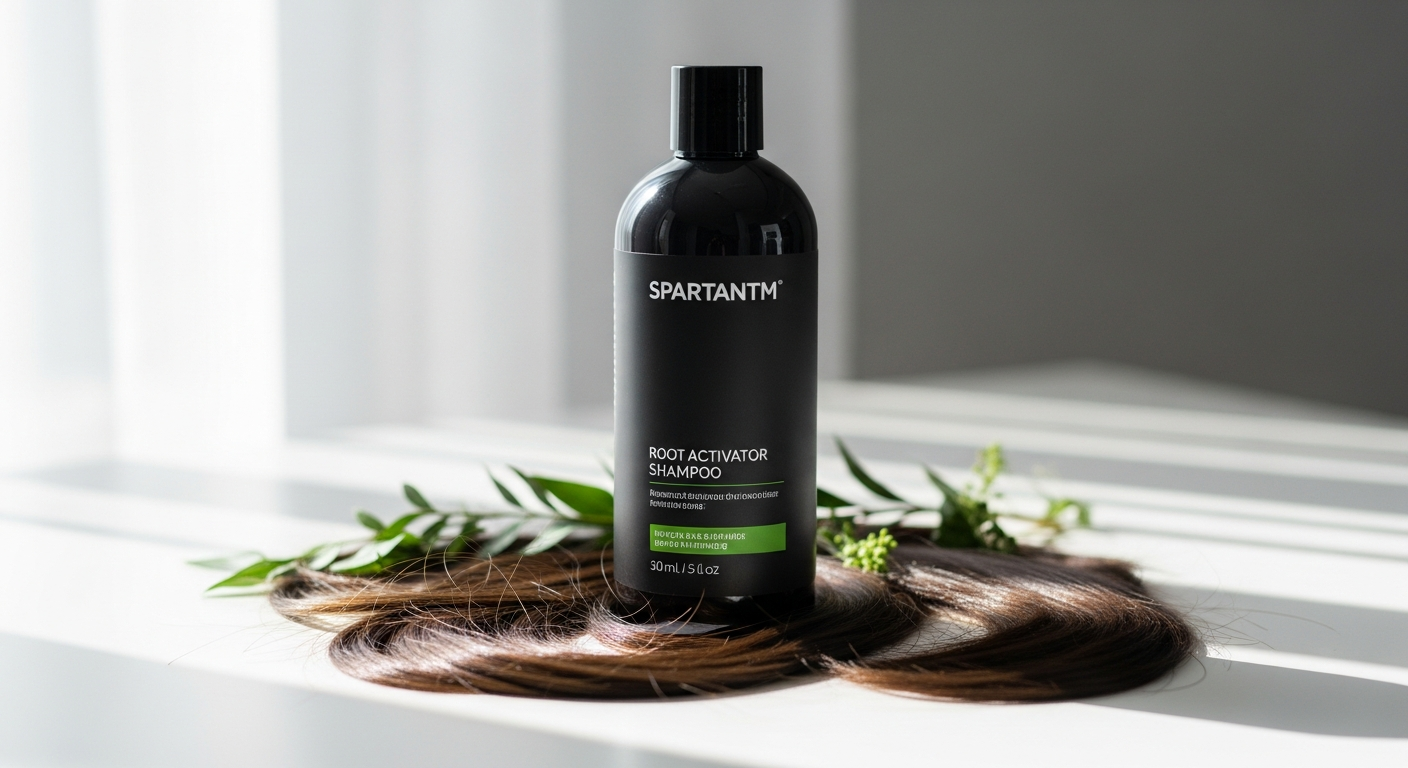
Discover what SPARTAN™ Root Activator Hair Growth Shampoo can and can’t do for thinning hair. We break down the ingredients, real user results, and whether it’s worth the $40 price tag.
Hair loss affects millions of people worldwide, and the desperation to find a solution often leads us down rabbit holes of promising products and miracle claims. The SPARTAN™ Root Activator Hair Growth Shampoo has exploded across social media feeds and Amazon bestseller lists, claiming to strengthen roots, block DHT, and restore hair thickness—all from a simple daily wash. I wanted to cut through the marketing hype and uncover what this shampoo actually delivers, because frankly, there's a huge difference between what brands promise and what users genuinely experience.
The SPARTAN™ Root Activator has become one of the Try Spartan brand's flagship products, boasting an estimated 10,000 monthly sales and thousands of reviews praising its citrus-mint scent and immediate scalp-cleansing effects. Priced around $39.95 on the official website plus $4.95 shipping and between $31.50–$39.99 on Amazon, it positions itself as a natural, accessible alternative to prescription treatments like finasteride and minoxidil.
Yet with that aggressive marketing push comes legitimate questions about efficacy, ingredient science, and whether you're paying for results or just a refreshing shower experience.
Discover the complete SPARTAN™ Root Activator formula breakdown and honest user insights today.
In this guide, you'll discover the complete breakdown of SPARTAN™'s formula and how each ingredient actually functions on your scalp, explore what real users are reporting after months of use, examine the clinical evidence or lack thereof behind hair growth claims, and get honest guidance on whether this shampoo deserves a spot in your routine or your wallet.
The SPARTAN™ Formula Breakdown: What's Actually in This Shampoo?
Core active ingredients — Understanding the botanical blend
The SPARTAN™ formula centers on several plant-derived components: Panax ginseng, licorice root extract, rosemary oil, peppermint oil, menthol, and melatonin. Each ingredient carries its own marketing narrative about hair health. Panax ginseng is traditionally used in Korean and Chinese medicine for scalp stimulation, though human studies specifically validating its hair growth effects remain limited. Licorice root extract contains compounds that may help regulate sebum production and reduce scalp inflammation. Rosemary oil has been featured in some research suggesting mild stimulation of hair follicles, though results are far from conclusive. Peppermint oil and menthol create that signature cooling sensation users describe as refreshing and invigorating. Melatonin rounds out the formula with antioxidant properties, though applying it topically differs vastly from systemic absorption.
DHT-blocking claims — Separating marketing from science
The brand aggressively markets SPARTAN™ as capable of blocking DHT, the hormone implicated in male and female pattern baldness. However, this claim deserves scrutiny. Shampoos contact your scalp for roughly 2-5 minutes before rinsing completely away. DHT regulation operates at a systemic hormonal level—something a topical shampoo simply cannot address in the timeframe it sits on your head. While some individual ingredients like saw palmetto have shown modest DHT-blocking potential in research, SPARTAN™ doesn't prominently feature such ingredients in sufficient concentrations. The marketing language suggests capability that the chemistry doesn't support.
Scalp cleansing agents — How it tackles buildup and oil
Where SPARTAN™ genuinely excels is removing scalp buildup and excess oil. The formulation uses surfactants and cleansing agents that effectively strip away dirt, product residue, and sebum accumulation. Users consistently report feeling like their scalp has been thoroughly cleaned—sometimes almost stripped. This immediate effect drives satisfaction and repeat purchases. The pleasant citrus-mint fragrance profile enhances the sensory experience, creating positive associations with each wash. From a purely cleansing standpoint, the product performs as advertised.
Sensory appeal — Why the experience matters
Never underestimate how much the shower experience influences product loyalty. That citrus-mint scent combination creates a spa-like sensation that elevates a mundane daily routine into something more pleasurable. The tingling from menthol signals activity on the scalp, which users interpret as the product "working"—even if that sensation doesn't correlate with actual hair growth. This psychological component explains why some users remain loyal despite lacking visible regrowth results.
Formulation quality and ingredient transparency
SPARTAN™ uses naturally derived ingredients rather than entirely synthetic compounds, which appeals to consumers seeking plant-based solutions. However, transparency about ingredient sourcing, concentrations, and formulation rationale remains limited. The brand doesn't publish detailed information about why specific ingredients were selected or in what quantities they appear. Comparing SPARTAN™'s ingredient list to clinical-grade hair loss treatments like minoxidil reveals a stark difference: minoxidil has decades of peer-reviewed research proving its efficacy, while SPARTAN™ relies primarily on traditional uses and anecdotal user reports.
Real User Results: What Are People Actually Experiencing?
Immediate effects — What happens after the first wash
Users almost universally report that their scalp feels cleaner and less oily immediately after using SPARTAN™. The shampoo delivers genuine sensory satisfaction. Hair appears shinier, feels smoother, and looks healthier in appearance. These immediate cosmetic improvements explain the product's popularity and repeat purchase rates. First impressions matter tremendously, and SPARTAN™ nails that initial experience.
Short-term outcomes — The first 4-8 weeks
Within the first month or two, many users report continued improvements in scalp cleanliness and hair texture. Breakage appears to decrease, potentially because cleaner, healthier scalps support stronger hair. Some users notice their hair feels thicker or more volumized, though this often reflects improved appearance from reduced breakage rather than actual new growth. Hair that isn't breaking off naturally appears fuller.
Long-term hair growth claims — After 3+ months
This is where results become inconsistent and problematic. While the brand and some testimonials claim visible hair regrowth and increased density after three months or longer, independent user reviews on Amazon and other third-party platforms tell a different story. Many report no significant change in hair thickness or growth patterns after extended use. Some users describe feeling disappointed or misled, particularly those who purchased specifically for hair loss treatment rather than scalp maintenance.
The dry hair dilemma
Users with naturally dry or curly hair frequently report that SPARTAN™ leaves their hair feeling drier and potentially more brittle. The potent cleansing action that benefits oily scalps strips natural moisture from dry hair types. Many dry-haired users recommend pairing SPARTAN™ with a heavy-duty conditioner to offset this effect. This limitation matters significantly for individuals with diverse hair textures.
Variability in results — Why outcomes differ so dramatically
Hair health depends on genetics, overall health, nutrition, stress levels, sleep quality, and numerous other factors beyond any shampoo's reach. Someone experiencing hair loss due to nutritional deficiency might see improvement when they improve their diet—and attribute it to SPARTAN™. Another person with genetic alopecia will see no change regardless of what they use topically. This inherent variability makes it nearly impossible to isolate SPARTAN™'s actual contribution to any individual's results.
Before-and-after experiences — The evidence question
Notably, verified purchasers on third-party platforms rarely provide before-and-after photos documenting dramatic transformation. The official SPARTAN™ website features glowing testimonials, but these lack independent verification. This contrast between official claims and third-party reviews raises legitimate questions about review authenticity on the brand's own site.
The Clinical Evidence Gap: What Science Actually Says
Shampoo efficacy limitations — The contact time problem
Dermatologists consistently note a fundamental limitation: shampoos contact your scalp for approximately 2-5 minutes before rinsing completely away. Hair growth operates on biological timescales measured in weeks and months. Meaningful changes in follicle activity, hormone regulation, or cellular function require sustained exposure to active compounds. A shampoo simply cannot deliver this. No topical shampoo—regardless of ingredients—can achieve what a systemic medication or sustained treatment might accomplish.
Animal studies versus human studies — The critical distinction
SPARTAN™'s marketing references research about peppermint oil, ginseng, and rosemary stimulating hair in animal models. Animal studies provide interesting preliminary data, but they don't automatically translate to human efficacy. Human scalps have different biology, different response patterns, and different variables. A compound that shows promise in mice doesn't necessarily produce measurable results in people.
Ingredient-specific research — What peer-reviewed evidence actually shows
Peppermint oil has been studied for hair growth potential with modest results in limited human trials. Ginseng shows traditional use for centuries but robust clinical evidence remains sparse. Rosemary oil appears in some research suggesting potential benefits, but studies remain small and results inconsistent. Melatonin's role in hair health remains largely theoretical when applied topically. None of these ingredients, individually or combined, approach the clinical evidence supporting minoxidil or finasteride.
FDA-approved alternatives — The evidence comparison
Minoxidil (Rogaine) and finasteride (Propecia) have undergone rigorous clinical trials involving thousands of participants. Minoxidil shows approximately 45% of men experiencing moderate regrowth and 13% experiencing significant regrowth in major studies. Finasteride prevents hair loss progression in the majority of users. These treatments have decades of accumulated evidence behind them. SPARTAN™ has none of this clinical backing.
The marketing versus reality divide
Shampoos cannot block DHT systemically, cannot address genetic predisposition to hair loss, and cannot reverse androgenetic alopecia on their own. They can maintain scalp health, improve appearance through cleansing, and provide cosmetic benefits. Marketing language that suggests otherwise misleads consumers seeking genuine hair loss treatment.
Missing clinical trials — The absence of proof
SPARTAN™ does not publish independent third-party clinical trials validating its hair growth claims. The brand relies on user testimonials and ingredient-based marketing. Legitimate pharmaceutical companies invest in expensive clinical trials because they demonstrate efficacy and build consumer confidence. SPARTAN™'s lack of such trials tells you something important about the product's actual scientific foundation.
Pricing, Value, and Where to Buy Safely
Cost breakdown — Official versus Amazon pricing
On SPARTAN™'s official website, the standard price runs $39.95 per month plus $4.95 for shipping—roughly $44.90 per month if not subscribing. Amazon listings show the product between $31.50 and $39.99, seemingly cheaper but carrying higher counterfeit risk. For a 200ml (6.8oz) bottle, you're paying roughly $6.45–$6.60 per ounce, considerably more than premium drugstore shampoos.
Subscription model concerns — Hidden charges and cancellation issues
The official site operates primarily through recurring monthly subscriptions. Users report difficulty accessing promised money-back guarantees and challenges canceling subscriptions. Some customers describe the process as deliberately inconvenient, designed to discourage refunds. This business model raises red flags about company practices beyond just the product quality.
Counterfeit product warnings — Why Amazon poses significant risks
SPARTAN™ frequently appears on Amazon through unofficial sellers and resellers. The hair care market suffers from substantial counterfeit problems, with fake products sometimes containing harmful ingredients or offering entirely different formulations. Purchasing from unauthorized channels dramatically increases your risk of receiving a counterfeit product. The cheaper Amazon price often reflects this risk premium.
Official versus third-party retailers — Authenticity guarantees
Buying directly from SPARTAN™'s official website eliminates counterfeit risk, though it locks you into their subscription model and refund policies. Authorized retailers offer alternatives, but identifying them requires digging through the brand's official list. The counterfeit risk alone justifies purchasing from official channels despite the higher price.
Cost per use — The cumulative expense
A 200ml bottle should last roughly 2-3 months depending on hair length and usage. At $44.90 monthly, you're investing approximately $180–$270 per year on a shampoo. By comparison, FDA-approved treatments like minoxidil cost roughly $30–$50 monthly with actual clinical evidence behind them. The value proposition becomes questionable when you factor in SPARTAN™'s lack of proven hair growth efficacy.
Return policy reality — Money-back guarantees that don't guarantee anything
Users report significant difficulty accessing SPARTAN™'s promised money-back guarantee. The process typically requires jumping through substantial hoops—providing photos, proof of use, detailed explanations. Some customers report successful refunds after persistence, while others give up frustrated. When a guarantee exists in theory but proves nearly impossible to claim in practice, question whether it actually protects you.
Who Should and Shouldn't Use SPARTAN™ Root Activator
Ideal candidates — The right fit
SPARTAN™ works best for people with oily or normal scalps seeking improved cleanliness, shine, and hair texture without expecting hair regrowth. If you appreciate minty, refreshing sensations in the shower and want a premium-feeling cleansing product, SPARTAN™ delivers on those fronts. Users with mild thinning who haven't pursued medical treatment might feel satisfied with the cosmetic improvements and positive scalp health effects.
Realistic expectations — What it delivers and what it doesn't
Be clear about what SPARTAN™ actually accomplishes: improved scalp cleansing, enhanced shine, reduced breakage appearance, and pleasant sensory experience. It does not stop genetic hair loss, regrow hair in significant quantities, or substitute for medical treatment. Setting realistic expectations from the start determines whether you're satisfied or disappointed.
Not suitable for — The wrong fit
If you have severe alopecia or significant hair loss, you need FDA-approved medical treatments, not a shampoo. People with naturally dry or curly hair will likely experience drying effects unless they pair SPARTAN™ with intensive conditioning. Anyone sensitive to menthol or peppermint should avoid it entirely. Those relying on minoxidil or finasteride don't need SPARTAN™ as their primary treatment, though it could complement those approaches.
Complementary use — Working alongside proven treatments
SPARTAN™ might serve a role as a complementary product used alongside minoxidil or finasteride, maintaining scalp health and providing cosmetic improvements while medical treatments address the biological mechanisms of hair loss. In this context, as a supplementary cleanser rather than primary solution, it has clearer utility.
Hair type considerations — Best and worst matches
Oily, normal, and fine hair typically benefit from SPARTAN™'s strong cleansing action. Dry, curly, and textured hair often suffer drying effects. Assess your specific hair type honestly before committing to a monthly subscription.
Scalp condition factors — What it can address
SPARTAN™ effectively addresses dandruff, buildup, and inflammation through its cleansing and anti-inflammatory ingredients. It helps maintain scalp health. It cannot address the genetic mechanisms driving androgenetic alopecia, which operate at a follicle level beyond what topical cleansing reaches.
The Honest Verdict: Marketing Hype or Legitimate Hair Solution?
What SPARTAN™ does well
The shampoo genuinely delivers a cleaner scalp, more lustrous appearance, improved texture feel, and pleasant sensory experience. It performs effectively as a cleanser. Users consistently report satisfaction with these immediate, observable effects. The citrus-mint fragrance truly is pleasant. The cosmetic improvements are real—just not the same as hair regrowth.
Where it falls short
SPARTAN™ lacks clinical evidence for meaningful hair growth. It cannot address genetic hair loss mechanisms. The DHT-blocking claims overstate the product's capabilities given the brief contact time and topical application. The price premium becomes harder to justify against drugstore alternatives when actual hair growth isn't happening.
The overpriced bull crap debate
Some users feel genuinely misled after months of use without visible regrowth. They purchased SPARTAN™ specifically for hair loss treatment based on marketing claims, used it consistently, experienced no meaningful increase in hair density or growth, and concluded the brand had sold them an expensive cleanser with false promises. Their criticism reflects honest disappointment, not unrealistic expectations.
Social media's role — How marketing shapes perception
SPARTAN™'s aggressive social media marketing and influencer partnerships create perception and expectation far beyond what the product delivers. Before-and-after transformations circulate widely, but verification remains lacking. Marketing budgets influence visibility more than efficacy does. Understanding this dynamic helps separate reality from perception.
Review authenticity concerns
The stark contrast between overwhelmingly positive testimonials on SPARTAN™'s official website and mixed-to-negative reviews on Amazon raises legitimate questions. Official site testimonials may represent genuine experiences, but they also self-select heavily for satisfied customers. Independent third-party reviews offer more balanced perspective.
The bigger picture — Understanding shampoo limitations
This reality applies beyond SPARTAN™: no shampoo, regardless of brand or price, serves as a primary hair loss treatment. Shampoos are maintenance and cleansing tools. They support scalp health, improve hair appearance, and provide cosmetic benefits. Expecting them to reverse androgenetic alopecia sets impossible expectations. Any brand claiming otherwise prioritizes marketing over honesty.
Your Next Steps: Making an Informed Decision
Questions to ask yourself
Are you seeking cosmetic improvements to hair appearance, or medical treatment for hair loss? How much can you realistically spend monthly? What's your timeline—expecting results within weeks, or willing to commit for 3+ months? Do you have oily or dry hair? Have you consulted a dermatologist about your specific hair loss? Honest answers guide you toward the right choice.
Testing the product — Trial period strategy
If you decide to try SPARTAN™, commit to an 8-12 week trial period to assess results fairly. Track measurable factors: scalp cleanliness, hair shine, breakage reduction, and importantly, any actual new hair growth. Take photos in consistent lighting to document changes. Use the official website to eliminate counterfeit risk. Give yourself adequate time before judging, but remain honest about observing actual results versus cosmetic improvements.
Consulting professionals — When professional guidance matters
Before investing in any hair growth product, consult a dermatologist about your specific situation. If you're experiencing significant hair loss, you likely need professional evaluation, possibly blood work to rule out nutritional or hormonal causes, and potentially prescription treatment. A dermatologist can recommend evidence-based approaches rather than letting marketing claims guide your choices.
Combining approaches — Building a realistic routine
An effective hair care strategy for those experiencing loss might include: professional evaluation and potentially prescription treatment (minoxidil and/or finasteride), a quality shampoo for scalp maintenance, attention to nutrition and overall health, stress management, and realistic expectations about timelines. SPARTAN™ could fill the shampoo role in this approach, though quality drugstore alternatives exist at lower cost.
Setting realistic goals — Expectations management
If you're using SPARTAN™ to maintain scalp health and improve cosmetic appearance while pursuing medical treatment, set this as your expectation and evaluate success against that standard. If you're expecting it to regrow significant hair, reset your expectations or switch to medical treatments. Matching expectations to realistic outcomes determines satisfaction.
Exploring alternatives
Other cleansing products deliver similar benefits at lower cost. Quality drugstore shampoos with rosemary or peppermint oil exist around $5–$10 per bottle. If you're specifically seeking hair loss treatment, minoxidil costs $30–$50 monthly with actual clinical evidence. Research alternatives before committing to SPARTAN™'s subscription model.
The Bottom Line: Is SPARTAN™ Worth Your Money?
SPARTAN™ Root Activator Hair Growth Shampoo delivers what it promises on a surface level—a refreshing, effective scalp cleanser that leaves hair feeling stronger and looking shinier. The ginseng, rosemary, and peppermint formula genuinely works for immediate cosmetic improvements and scalp health. However, and this is crucial, it falls dramatically short of its hair growth claims. The clinical evidence simply isn't there. Shampoos, by their very nature, spend mere minutes on your scalp before rinsing away—not nearly enough time to trigger meaningful biological changes in hair follicles or block DHT at a systemic level.
The $39.95 monthly price tag becomes harder to justify when you realize you're essentially paying premium prices for a high-quality cleanser, not a hair loss solution. If you're experiencing genuine androgenetic alopecia or significant hair thinning, FDA-approved treatments like minoxidil and finasteride have decades of clinical backing.
SPARTAN™ works best as a complementary product—something to maintain scalp health while you pursue actual medical treatment—not as a standalone solution. My recommendation? If you have oily hair, enjoy a refreshing minty scent, and want a cleaner-feeling scalp without expecting regrowth miracles, SPARTAN™ is worth trying. But purchase from the official website, not Amazon, where counterfeits thrive. Set realistic expectations, and don't let marketing claims override what dermatologists actually know about how hair growth works. Your scalp health matters, but so does your wallet. Choose accordingly.