
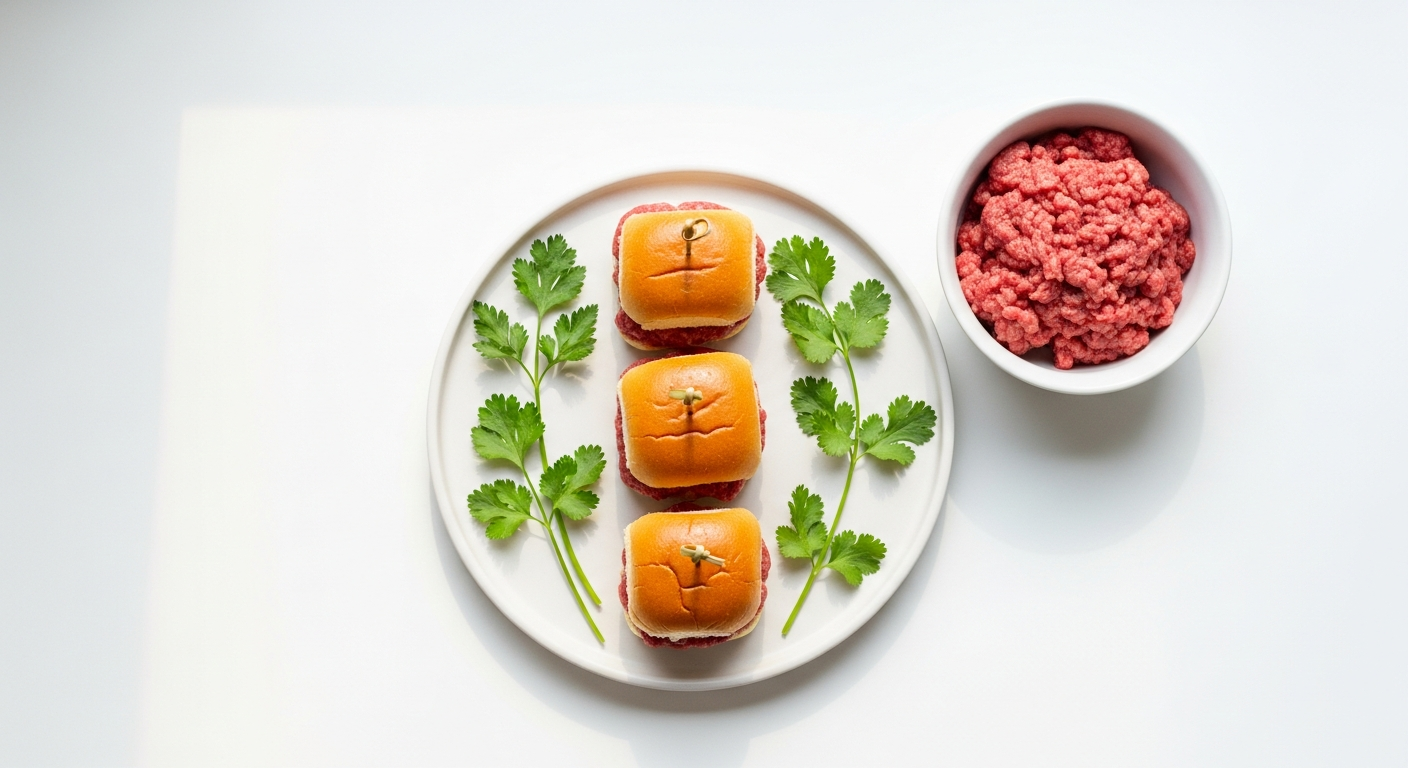
Discover how Smallbatch Freeze-Dried Raw Beef Sliders deliver complete raw nutrition without thawing. Learn why picky eaters love this premium, grass-fed beef formula with omega-3s and organic vegetables.
Your dog turns their nose up at kibble again. You've tried switching brands, adding toppers, even hand-feeding—nothing works. What if the solution wasn't about finding a new flavor, but fundamentally changing what you put in their bowl?
Raw feeding has exploded in popularity over the past decade, and for good reason: dogs thrive on whole, unprocessed nutrition that mirrors their ancestral diet. Smallbatch Pets has built a reputation on delivering exactly that—raw nutrition without the hassle. Their Freeze-Dried Raw Beef Sliders have become a go-to solution for pet parents frustrated with conventional kibble, especially those with selective eaters.
Unlike frozen raw options that require planning and thawing, these sliders offer the nutritional density of raw feeding with the convenience of ready-to-serve portions. The brand's commitment to 97% grass-fed beef, organic vegetables, and whole-food nutrients sets them apart in a crowded market. Discover how Smallbatch Freeze-Dried Raw Beef Sliders can transform your picky eater's mealtime.
What Makes Freeze-Dried Raw Different From Frozen and Kibble
Preservation method comparison: How freeze-drying locks in nutrients without high heat or freezing requirements
Freeze-drying stands apart from conventional preservation methods because it removes water through sublimation—a process where frozen moisture converts directly to vapor without ever becoming liquid. This technique avoids the high-heat processing that damages kibble's nutrients and eliminates the thawing requirements that frustrate owners using frozen raw diets.
Convenience factor: Ready-to-serve format eliminates thawing time and meal prep complexity
Opening a bag of Smallbatch sliders means your dog's meal is ready immediately. No planning ahead for thawing, no waiting hours for frozen patties to defrost, no complex meal preparation routines. The slider format lets you scoop the appropriate portion directly into your dog's bowl.
Nutritional density: Freeze-drying concentrates proteins and removes water while preserving enzymes and probiotics
When water is removed through freeze-drying, the nutritional content becomes concentrated. Proteins, minerals, and essential fatty acids remain intact, while beneficial enzymes and probiotics—often destroyed by high-heat processing—survive the preservation process. Your dog receives more nutrition per bite compared to conventional kibble.
Shelf stability: Longer pantry life than frozen options; requires refrigeration only after opening
Unopened bags can sit in your pantry for extended periods without spoiling, making inventory management easier than with frozen products. Once opened, refrigeration becomes necessary, but the initial storage flexibility offers practical advantages over frozen alternatives.
Digestibility advantages: Raw format supports natural enzyme production and gut health
Dogs possess natural enzymes designed to break down raw meat proteins. By feeding them an unprocessed format, you're working with their biology rather than against it. This alignment with their natural digestive capacity often results in less bloating, fewer digestive complaints, and healthier gut flora.
Cost-benefit analysis: Premium pricing offset by portion control and reduced food waste
Smallbatch sliders come pre-portioned, eliminating overfeeding and waste. Because the nutrient density is higher than kibble, your dog needs smaller servings to feel satisfied. Over time, the concentrated nutrition and reduced portion sizes help justify the premium price point.
The Grass-Fed Beef Foundation and Ingredient Quality
97% grass-fed beef sourcing: Why grass-fed matters for omega-3 to omega-6 ratios and nutrient profile
Grass-fed beef contains a superior omega-3 to omega-6 ratio compared to grain-fed alternatives. This balance directly impacts inflammation levels, immune function, and overall health. Smallbatch's commitment to sourcing grass-fed beef means your dog receives beef with the optimal fatty acid profile for canine health.
Organ meats and bone inclusion: Complete amino acid profiles and bioavailable minerals
Beyond muscle meat, Smallbatch includes organ meats and bones—components that provide complete amino acid profiles and bioavailable minerals like calcium, phosphorus, and iron. These whole-food sources of nutrition are far superior to synthetic mineral additions used in conventional pet foods.
Humanely raised and sustainable practices: Brand transparency and ethical sourcing standards
Smallbatch maintains transparency about where and how their beef is sourced. This commitment to humanely raised, sustainably sourced ingredients resonates with pet parents who understand that food quality begins with responsible farming practices.
Salmon oil integration: Omega-3 fatty acid benefits for coat health, joint support, and inflammation management
The addition of salmon oil provides concentrated omega-3 fatty acids that support coat health, reduce joint inflammation, and support cardiovascular function. These benefits become visible as your dog's coat becomes shinier and their energy levels improve.
Organic vegetable additions: Non-GMO produce selection and whole-food vitamin sources
Rather than relying on synthetic vitamins, Smallbatch incorporates organic, non-GMO vegetables that provide natural micronutrients. This whole-food approach to nutrition means your dog receives vitamins and minerals in their naturally occurring forms, which their bodies recognize and utilize more effectively.
What's NOT included: Absence of synthetic vitamins, fillers, artificial preservatives, and by-products
Smallbatch explicitly excludes synthetic vitamins, fillers, artificial preservatives, and meat by-products. This commitment to simplicity means you're feeding your dog only what their body actually needs—nothing unnecessary, nothing questionable.
Why Picky Eaters Actually Finish Their Bowl
Palatability and natural appeal: Raw meat flavor and aroma trigger natural eating instincts
Dogs that reject kibble often respond immediately to raw meat's natural flavor and aroma. These sensory cues trigger ancestral eating instincts that processed kibble simply cannot match. For selective eaters, this biological appeal often overcomes months of food rejection.
Texture variety: Slider format provides satisfying bite-sized portions that engage dogs mentally
The bite-sized slider format engages your dog mentally during eating. Rather than crunching through uniform kibble pieces, they experience varied texture and must work slightly at each meal, creating a more satisfying eating experience that discourages picky behavior.
Elimination of kibble fatigue: Dogs that reject processed food often respond to whole-food nutrition
Some picky eaters don't have taste preferences—they're simply fatigued by processed food. Their digestive systems recognize kibble as something foreign, triggering resistance. Raw feeding removes this fundamental mismatch.
Digestive ease: Reduced bloating and digestive upset encourages consistent appetite
When a dog's digestive system isn't working overtime processing artificial ingredients and fillers, their appetite normalizes. Many selective eaters begin eating consistently once their GI system settles, freed from the bloating and discomfort caused by conventional foods.
Real-world success stories: Common reports of finicky dogs becoming enthusiastic eaters
Pet parents consistently report transformations in their picky eaters after switching to Smallbatch. Dogs that previously pushed food around their bowls become enthusiastic diners, finishing their meals eagerly and asking for more.
Transition strategies: How to introduce Smallbatch sliders to dogs accustomed to kibble
Begin by mixing a small amount of Smallbatch sliders with your dog's current food. Gradually increase the Smallbatch proportion over 7-10 days, allowing their digestive system to adjust while their appetite naturally shifts toward the new food. This gradual approach prevents digestive upset and increases the likelihood of successful adoption.
Nutritional Benefits You'll Observe in Your Dog
Improved coat quality: Shinier, softer fur and reduced shedding from balanced omega fatty acids
Within weeks of switching to Smallbatch, many pet parents notice their dog's coat becoming visibly shinier and softer. The balanced omega fatty acid profile supports skin health and reduces excessive shedding—a noticeable improvement that validates the nutritional upgrade.
Enhanced energy levels: Bioavailable nutrients support sustained vitality and muscle development
Whole-food nutrition provides bioavailable nutrients that your dog's body can immediately utilize. This translates to sustained energy throughout the day, improved muscle tone, and greater enthusiasm for physical activity.
Better digestive health: Whole-food format reduces GI upset and promotes healthy gut flora
Dogs feeding on Smallbatch frequently experience fewer digestive complaints. The absence of fillers and artificial ingredients allows their digestive systems to function naturally, resulting in better stool quality and reduced gas or bloating.
Optimal weight management: Nutrient density means smaller portions satisfy hunger longer
Because Smallbatch is nutritionally dense, your dog requires smaller portions to feel satisfied. This combination of smaller serving sizes and longer satiation periods makes weight management simpler and more effective.
Joint and bone support: Organ meats and bone content provide natural glucosamine and minerals
The inclusion of organ meats and bones supplies natural glucosamine, chondroitin, and essential minerals that support joint health and bone strength. These whole-food sources are superior to isolated supplements for long-term joint support.
Immune system strengthening: Whole-food nutrients and absence of synthetic additives support natural defenses
Feeding your dog whole-food nutrition free from synthetic additives supports their natural immune function. Pet parents often report fewer illness episodes and faster recovery times after switching to Smallbatch.
Portion Control and Feeding Guidelines
Slider sizing and portion accuracy: Pre-portioned pieces eliminate guesswork and overfeeding
Each slider is pre-portioned, removing the guesswork from feeding. You simply count the appropriate number of sliders based on your dog's weight and activity level, eliminating the possibility of accidental overfeeding.
Daily serving recommendations: How to calculate appropriate amounts based on dog weight and activity level
Generally, dogs require approximately 2-3% of their body weight in raw food daily. A 50-pound dog would need roughly 1-1.5 pounds of food per day. More active dogs may require slightly higher amounts, while less active dogs might need less. Adjust based on your individual dog's condition and energy levels.
Package size options: 14oz and 25oz bag comparisons for different household needs
The 14oz bags suit single-dog households or those who prefer frequent purchasing and maximum freshness. The 25oz bags provide better value for larger dogs or multi-dog families. Calculate your dog's monthly consumption to determine which size offers the best balance of cost and convenience.
Mixing with other foods: Strategies for blending with kibble during transition periods
During the transition from kibble to Smallbatch, mixing gradually increases acceptance. Begin with 75% kibble and 25% Smallbatch, progressing to a 50/50 mixture, then 25% kibble and 75% Smallbatch, before moving to 100% Smallbatch if desired. This gradual approach allows digestive adjustment.
Storage best practices: Refrigeration protocols and shelf life after opening
Store unopened bags in a cool, dry pantry area. Once opened, transfer unused sliders to an airtight container and refrigerate immediately. Most sources recommend consuming opened bags within 2-4 weeks. You can extend shelf life by freezing unopened bags for up to 6 months.
Cost per serving breakdown: Understanding the investment relative to nutritional value
While the per-pound cost appears high compared to kibble, the actual per-serving cost becomes reasonable when accounting for smaller portion sizes and concentrated nutrition. Calculate your dog's actual monthly spending—many find the investment competitive with premium kibble brands once portion sizes are factored in.
Start calculating your dog's ideal Smallbatch serving size and explore package options.
Addressing the Premium Price Point
Why Smallbatch costs more than conventional brands: Quality sourcing, ethical practices, and freeze-drying technology
The premium pricing reflects genuine costs: grass-fed beef sourcing, organic vegetable selection, humanely raised livestock standards, and advanced freeze-drying technology all demand higher expenditures than conventional pet food manufacturing. You're paying for quality ingredients and ethical practices, not marketing hype.
Long-term health cost savings: Reduced vet bills and supplement needs from optimal nutrition
Pet parents often report reduced veterinary expenses after switching to Smallbatch. Fewer digestive issues, skin problems, and immune-related visits translate to genuine savings on vet care. Additionally, the nutritionally complete formula eliminates the need for supplements and additives.
Budget-friendly strategies: Rotating with kibble, buying larger packages, and monitoring sales
If the full switch strains your budget, consider rotating Smallbatch with high-quality kibble on alternating days. Purchasing larger bags provides per-unit savings. Setting up alerts for sales events at major retailers like Chewy can reduce overall costs.
Value for multi-dog households: Considerations for families with several pets
Multiple-dog households face legitimate budget challenges. Calculate your total monthly spending before committing. Some families find rotating Smallbatch between dogs or mixing it with premium kibble creates a more manageable investment.
Comparing to other premium raw options: How Smallbatch pricing stacks against frozen and fresh alternatives
Frozen raw diets typically cost $5-8 per pound before accounting for storage space and thawing logistics. Fresh raw delivery services run $8-12 per pound. Smallbatch's freeze-dried format at roughly $4-5 per ounce (accounting for smaller portions) often proves competitive or more affordable than alternative premium raw options.
Investment perspective: Framing premium food as preventive health care
Rather than viewing Smallbatch as an expensive pet food, consider it preventive health care. The nutritional support and health improvements often prevent expensive health issues down the line, making the investment genuinely economical from a long-term perspective.
Storage, Shelf Life, and Practical Considerations
Refrigeration requirements: Once opened, how to maintain freshness and prevent spoilage
Immediately after opening, transfer unused sliders to an airtight container and refrigerate at temperatures below 40°F. Keep the container tightly sealed to prevent oxidation and bacterial contamination. Check regularly for signs of spoilage—off odors or visible discoloration indicate the product should be discarded.
Freezer extension options: Extending shelf life by freezing unopened bags
Unopened bags can be frozen for up to 6 months without quality degradation. Freezing extends the shelf life considerably, allowing you to stock up during sales or when you discover a product you love. Simply thaw in the refrigerator before opening.
Container solutions: Best practices for storing opened bags to maintain quality
Glass containers with airtight seals work best for storing opened Smallbatch bags. Ensure containers are completely clean and dry before use. Label containers with the opening date to prevent accidental spoilage. Some pet parents portion individual servings into smaller containers for convenience.
Shelf life compared to kibble: Understanding the trade-off between freshness and convenience
Kibble remains shelf-stable for months or years in a dry pantry. Smallbatch's 2-4 week refrigerated lifespan requires more active management and planning. For pet parents accustomed to kibble's convenience, this represents a genuine adjustment in feeding routine.
Travel and portability: How to manage feeding while away from home
Traveling with Smallbatch requires coolers and ice packs to maintain proper temperatures. For extended trips, pre-portioned frozen sliders can be packed in insulated bags. Short trips may require adjustments to your feeding schedule. Consider whether your travel patterns align with Smallbatch's storage requirements.
Space planning: Refrigerator and freezer considerations for regular users
Regular Smallbatch feeders need reliable refrigerator space. Calculate your storage needs based on your dog's consumption and purchasing patterns. Freezing unopened bags requires freezer space, which may be limited in smaller homes or apartments.
Transition Tips for Converting Kibble-Fed Dogs
Gradual introduction protocol: Recommended timeline for mixing Smallbatch with current food
Begin by mixing 25% Smallbatch with 75% of your dog's current food. After 2-3 days, adjust to 50/50. By day 5-7, move to 75% Smallbatch and 25% old food. Complete the transition to 100% Smallbatch by day 10. This gradual approach allows digestive enzymes to adjust naturally.
Managing digestive adjustment: What to expect during the transition period
Some dogs experience temporary loose stools during the transition as their digestive systems adjust. This typically resolves within a few days. Monitoring stool quality helps ensure the transition is proceeding smoothly. If digestive upset persists beyond a week, slow the transition timeline.
Addressing initial resistance: Strategies if your dog is hesitant about the new format
If your dog initially resists the sliders, warm them slightly to enhance aroma and palatability. Mixing with a small amount of low-sodium broth can also improve appeal. Hand-feeding initial portions sometimes helps dogs understand the new food is safe and desirable.
Monitoring health markers: What improvements to track during the first weeks
Track coat condition, energy levels, stool quality, and appetite during the first month. Most dogs show noticeable improvements within 3-4 weeks. Document these changes to help you understand whether Smallbatch is producing the health benefits you anticipated.
Common transition mistakes: Pitfalls to avoid when switching from conventional food
Avoid switching too quickly—this is the most common mistake that causes digestive upset. Don't overfeed during the transition, assuming your dog needs the same volume as kibble. Don't add unnecessary extras or supplements without veterinary guidance.
When to seek veterinary guidance: Red flags that warrant professional input
Persistent vomiting, severe diarrhea lasting more than a week, or signs of allergic reaction require immediate veterinary attention. If your dog has underlying health conditions or takes medications, consult your veterinarian before making dietary changes. Your vet can provide breed or health-specific guidance for your individual dog.
Real-World Pros and Cons You Should Know
Advantages
Smallbatch excels at solving the picky eater problem. The raw meat format appeals to selective dogs who reject processed kibble, and the convenient slider format requires no thawing or complex preparation. The nutritionally complete profile means you're confident your dog receives balanced nutrition without synthetic additives. Transparent sourcing and ethical practices appeal to conscientious pet parents. Observable health improvements—shinier coats, better digestion, increased energy—occur within weeks, validating the investment. Compared to other raw feeding options, the freeze-dried format offers superior convenience without sacrificing nutritional density.
Disadvantages
The premium price point presents a genuine barrier, particularly for households with multiple dogs or tight budgets. Distribution remains more limited than mainstream brands—availability depends on your local independent pet stores and online access. Refrigeration requirements demand planning and storage space that kibble never requires. The 2-4 week shelf life after opening means active management compared to kibble's months-long stability. For households prioritizing budget above all other factors, Smallbatch remains expensive relative to conventional options.
Where to Buy and What to Expect
Retail availability: Independent pet stores and online platforms
Smallbatch products are available through independent pet retailers, online marketplaces like Chewy and Amazon, and directly through the Smallbatch website. Availability varies by region and retailer, so checking multiple sources before purchasing ensures the best selection.
Price range variations: $40.99–$65.99 depending on package size and retailer
The 14oz bags typically range from $40.99-$49.99, while 25oz bags run $55.99-$65.99. Prices vary slightly between retailers, with online retailers sometimes offering competitive pricing. Subscription purchases through certain platforms may provide modest discounts.
Subscription options: Potential savings through recurring delivery programs
Retailers like Chewy offer subscription programs that provide small percentage discounts on recurring orders. Setting up automatic deliveries ensures you never run out while capturing available savings.
Authenticity verification: How to ensure you're purchasing genuine Smallbatch products
Purchase directly from authorized retailers and the official Smallbatch website to guarantee authenticity. Avoid third-party sellers on marketplaces that offer significantly discounted prices—these are often counterfeit. Verify packaging quality and product appearance upon arrival.
Return policies and guarantees: What protections are in place if your dog doesn't respond well
Most authorized retailers offer return policies for unopened products. If your dog shows adverse reactions, contact the retailer or Smallbatch directly to discuss options. Many retailers are accommodating if a product doesn't work for your pet.
Seasonal availability: Potential supply fluctuations and how to plan accordingly
Raw products can experience seasonal availability shifts based on sourcing and processing capacity. Stocking up during periods of consistent availability helps prevent disruption to your feeding routine.
Making the Switch: Is Smallbatch Right for Your Picky Eater?
Switching your picky eater to Smallbatch Freeze-Dried Raw Beef Sliders often marks a turning point in their relationship with food. The combination of 97% grass-fed beef, whole-food nutrients, and convenient slider format addresses the core frustration many pet parents face: a dog that simply won't eat. You'll likely notice changes within weeks—a shinier coat, better digestion, increased enthusiasm at mealtime—that validate the premium investment.
That said, this product isn't a one-size-fits-all solution. The price point demands careful consideration, especially for households with multiple dogs or tight budgets. Storage requirements and refrigeration needs mean you'll need to adjust your feeding routine. But for pet parents who've exhausted other options and prioritize their dog's nutritional quality and ethical sourcing, Smallbatch delivers on its promises.
The real question isn't whether Smallbatch is expensive—it is. The question is whether optimal nutrition and finally solving your picky eater problem is worth the investment. For most dogs that thrive on this formula, the answer becomes obvious the first time they finish their bowl without hesitation.
Start your dog's raw feeding journey with Smallbatch Freeze-Dried Raw Beef Sliders today.