
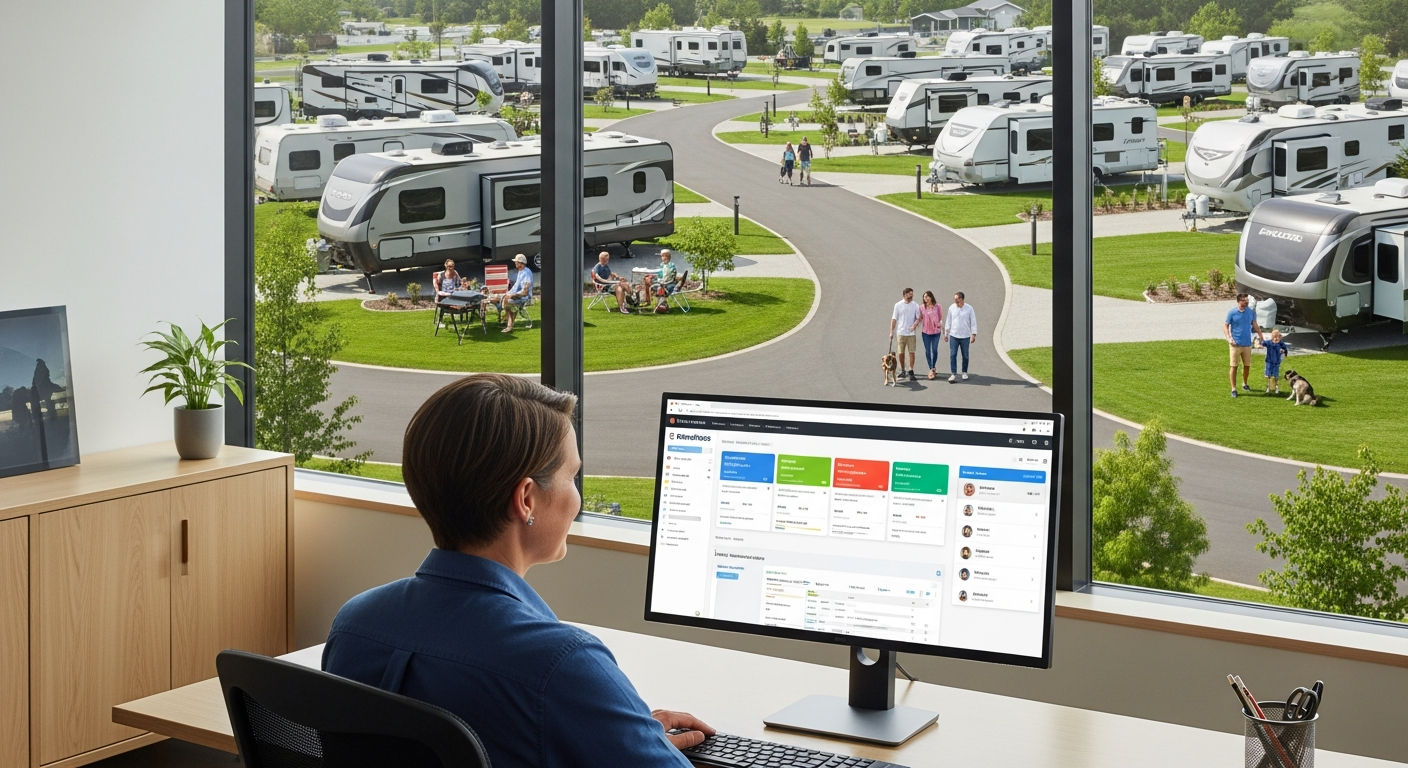
Discover how RoverPass campground management software empowers small RV park owners with dynamic pricing, automated bookings, and integrated POS systems. Learn why 2,000+ parks trust this platform to boost revenue and streamline operations.
Imagine running an RV park where half your potential guests can't book outside business hours, your rates never adjust for peak weekends, and you're manually tracking reservations across five different platforms. This scenario plays out daily for hundreds of small park operators who haven't yet upgraded their booking infrastructure. The cost of this inaction is staggering—parks operating without modern reservation systems lose an average of 15-20% in potential revenue annually due to inability to manage pricing strategically or prevent double bookings.
The outdoor hospitality industry has transformed dramatically in the past decade, yet many independent operators still rely on spreadsheets, phone calls, and disconnected tools that create operational chaos. Guests expect seamless online booking experiences available around the clock, dynamic pricing that reflects market conditions, and integrated payment processing that feels modern and secure. RoverPass campground management software has emerged as a game-changer for independent park operators, built specifically for the unique demands of RV parks, glamping sites, and seasonal campgrounds.
This cloud-based platform eliminates administrative chaos while offering dynamic pricing, integrated payment processing, and multi-channel distribution capabilities. Throughout this guide, you'll discover how RoverPass transforms small park operations, maximizes revenue through intelligent pricing, and why thousands of independent operators have switched to this platform.
Explore how RoverPass can unlock your park's revenue potential with a free trial today.
Why Small RV Parks Need Modern Reservation Technology
The limitations of manual booking systems and spreadsheet-based management
Operating an RV park on spreadsheets and phone calls feels manageable until you're juggling multiple seasonal inquiries, trying to find availability across dozens of sites, and manually updating pricing for the third time that day. Manual systems lack real-time visibility into your inventory, which means double bookings happen, guest inquiries fall through the cracks, and pricing decisions become guesswork rather than data-driven strategy. A guest calling during lunch to ask about a specific site while you're handling check-ins means potential bookings are lost simply because you can't check availability instantly.
How outdated tools create operational bottlenecks and missed revenue opportunities
When your reservation system lives in email threads and spreadsheet tabs, every administrative task multiplies. Confirming a booking, processing payment, sending confirmation details, updating site maps—each step requires manual intervention, creating delays and opportunities for error. More critically, you're flying blind on pricing signals. Demand spiking on a holiday weekend? Without dynamic pricing, you'll charge the same rate you quoted three months ago, leaving hundreds of dollars per site on the table. Spreadsheet-based management means you're also missing the data needed to understand which sites generate the most revenue, which seasons drive occupancy, and which guest segments are most profitable.
The competitive disadvantage when you can't offer 24/7 online booking capabilities
Your competitors across town can accept bookings at 2 AM on a Sunday. Yours require a phone call during business hours. This creates a fundamental competitive disadvantage in an industry where convenience drives booking decisions. Prospective guests researching parks online expect instant booking confirmations and real-time availability visibility. Campgrounds without these capabilities lose bookings to operators who provide them, regardless of how appealing your actual facilities might be.
Why cloud-based solutions are essential for seasonal and year-round operations
Seasonal RV parks face unique challenges—managing staff during busy summers while maintaining operations during quieter periods, adjusting capacity expectations, and pivoting pricing strategies quarterly. Cloud-based systems allow you to manage your park from anywhere, scale operations up and down without IT infrastructure investment, and access data in real-time whether you're on-site or running multiple locations. Cloud platforms also handle security, backups, and system updates automatically, eliminating the burden of managing servers and technology infrastructure yourself.
Dynamic Pricing: The Revenue Multiplier Small Parks Overlook
How demand-based pricing automatically adjusts rates without manual intervention
Dynamic pricing algorithms monitor occupancy levels in real-time and automatically adjust rates based on supply and demand. When occupancy reaches 80%, rates tick upward. When a competitor in your region drops rates, the system recalibrates to remain competitive. This automation removes the guesswork from pricing decisions and ensures you're always capturing maximum value from available inventory. Instead of manually reviewing data and updating rates weekly, the system continuously optimizes pricing throughout the day.
Real-world examples of seasonal pricing adjustments (peak vs. off-season rates
Consider a typical RV park's seasonal pattern: summer months see 95%+ occupancy while winter dips to 40%. A static pricing model charges $45 per night year-round, missing massive revenue opportunities. Dynamic pricing recognizes the summer demand spike and gradually increases rates to $65 per night as occupancy rises, then decreases to $35 during winter months to drive bookings during slower periods. A 50-site park implementing this strategy across a season generates an additional $15,000-$25,000 in annual revenue simply by capturing value that already exists in the market.
The algorithm behind occupancy-triggered rate increases
The mechanics are straightforward but powerful. RoverPass monitors current occupancy percentage and automatically adjusts rates based on preset parameters you establish. You might set pricing rules like: "When occupancy exceeds 90%, increase rates by 15%," or "During July and August, minimum rate is $55." The system calculates these adjustments in real-time across all distribution channels simultaneously, ensuring consistent pricing whether a guest books through your website, Airbnb, or Hipcamp.
How RoverPass prevents underpricing during high-demand periods
Without dynamic pricing, park operators often price conservatively to fill sites, underselling during peak periods when demand far exceeds supply. RoverPass eliminates this self-imposed revenue leak by automatically adjusting rates upward as occupancy increases, capturing the premium guests willingly pay during peak seasons. This prevents the all-too-common scenario where your park is at 95% occupancy while you're still charging rates designed for 60% occupancy periods.
Start capturing revenue you're currently leaving on the table—try RoverPass dynamic pricing free.
Streamlining Operations with Integrated Point-of-Sale Functionality
Moving beyond reservation management to capture ancillary revenue streams
Reservations are just one revenue stream for RV parks. Firewood sales, kayak rentals, equipment rentals, parking fees, activity fees, and merchandise generate thousands in additional monthly revenue that many parks don't systematically track or optimize. A disconnected POS system means guests can't easily purchase these add-ons, and you have no visibility into which products drive the most revenue or which guests consistently purchase specific items.
How integrated POS handles firewood, kayak rentals, and equipment sales seamlessly
Rather than fumbling with a separate payment terminal for add-on sales, RoverPass integrates all on-site transactions into a single system. A guest checking in can immediately see available add-ons—firewood bundles, kayak rentals, fishing tackle—and add them to their reservation or purchase them during check-in. The system tracks inventory in real-time, preventing overselling while ensuring you never stock out of popular items without realizing it.
Event ticketing capabilities for campground activities and programs
Many parks offer organized activities—yoga classes, ranger talks, campfire gatherings, or group dinners—that generate additional revenue beyond nightly rates. RoverPass event ticketing lets you create events, set capacity limits, price them independently, and manage registrations directly through the platform. Guests see these offerings during booking and can add them to their stay, creating a bundled experience that increases their total spend while enhancing their visit.
Real-time inventory tracking for on-site merchandise and services
Operating without visibility into your firewood inventory or kayak availability creates operational friction. RoverPass tracks inventory in real-time as customers purchase items, automatically alerting you when stock drops below thresholds. You'll know exactly how much revenue firewood generates monthly, which rental equipment drives the most bookings, and what margins you're earning on ancillary products.
Guest Management Features That Build Loyalty and Repeat Bookings
Automated pre-arrival and post-arrival communication workflows
The experience begins before guests arrive at your park. RoverPass automates pre-arrival communication, sending welcome messages with check-in instructions, Wi-Fi passwords, parking locations, and activity schedules. Post-arrival workflows send weather alerts, activity reminders, and personalized recommendations based on guest preferences. These touchpoints transform a transactional booking into a curated experience that makes guests feel valued rather than just accommodated.
How preference tracking creates personalized experiences for returning guests
Returning guests expect recognition and customization. RoverPass tracks preferences—favorite sites, preferred check-in times, dietary preferences for group meals, activity interests—so each return visit feels personalized. When a returning guest books, staff see their history and preferences immediately, allowing you to proactively offer their favorite site or recommend new activities matching their interests. This personalization drives loyalty and repeat bookings far more effectively than generic communication.
Visit history management for understanding guest patterns and preferences
Understanding guest patterns drives smarter business decisions. Which guests return monthly versus annually? Which demographics book longer stays? Which activities drive the highest satisfaction scores? RoverPass aggregates this data, revealing patterns that inform marketing strategy, pricing adjustments, and facility investment decisions. You'll recognize your highest-value guests and understand what keeps them returning.
Automated notifications for check-in reminders, weather alerts, and activity updates
Rather than manually tracking which guests are arriving today or manually sending weather updates, RoverPass automates these communications. Guests receive check-in reminders the day before arrival, weather alerts if conditions change dramatically, and notifications about activities or events happening during their stay. This automation increases operational efficiency while improving guest satisfaction through timely, relevant communication.
Connecting to OTAs: Expanding Reach Without Channel Chaos
How RoverPass integrates with Airbnb, Hipcamp, Expedia, and VRBO simultaneously
The modern guest books through whatever platform they prefer—Airbnb, Hipcamp, your website, Expedia, or VRBO. Managing inventory across these channels manually is a nightmare of spreadsheet updates, conflicting calendars, and constant vigilance against double bookings. RoverPass integrates directly with all major platforms, synchronizing your calendar and inventory in real-time. When a guest books a site through Airbnb, that site immediately becomes unavailable on Hipcamp and your direct website, preventing overselling across channels.
The problem of managing multiple channels manually and the double-booking risk
Picture this scenario: Your website shows a site as available, so a guest books it. Simultaneously, another guest completes a booking through Airbnb for the same site. You've now sold the same site twice, creating a guest services nightmare and damaging your reputation. Manual channel management makes these conflicts inevitable as updates lag between systems. The coordination burden also requires constant attention, diverting focus from strategic work.
Centralized inventory management across all distribution channels
RoverPass treats your inventory as one unified pool regardless of how many sales channels it flows through. You maintain one calendar, one availability view, and one pricing structure. The system distributes your inventory across channels intelligently, showing accurate availability everywhere while preventing conflicts. This centralization eliminates administrative burden and ensures you're maximizing occupancy by selling through whichever channel each guest prefers.
Real-time synchronization preventing overbooking across platforms
When a guest completes a booking through any channel, the system immediately updates availability across all platforms. A site booked on your website becomes unavailable on Airbnb within seconds. This real-time synchronization removes the risk of overbooking while ensuring your inventory is always being sold—not sitting hidden in one platform because you forgot to update another.
Ready to Stop Leaving Revenue on the Table?
The difference between a thriving small RV park and one that's merely surviving often comes down to operational efficiency and revenue optimization. RoverPass addresses both simultaneously, delivering the reservation system guests demand, dynamic pricing that maximizes revenue, and integrated tools that eliminate administrative busywork. The $3.50-per-reservation model means you only pay for what you use, while dynamic pricing captures every dollar of value during demand spikes. Integrated POS functionality stops you from leaving ancillary revenue on the table.
Every month you delay is revenue you're not capturing and operational hours you're not reclaiming. Your competitors are already optimizing pricing, accepting bookings 24/7, and streamlining operations while you're updating spreadsheets and manually syncing calendars. The gap widens each season. Start with the free trial, run it alongside your current system, and watch how quickly the benefits become obvious. Join thousands of small park operators who've already transformed their businesses with RoverPass.