
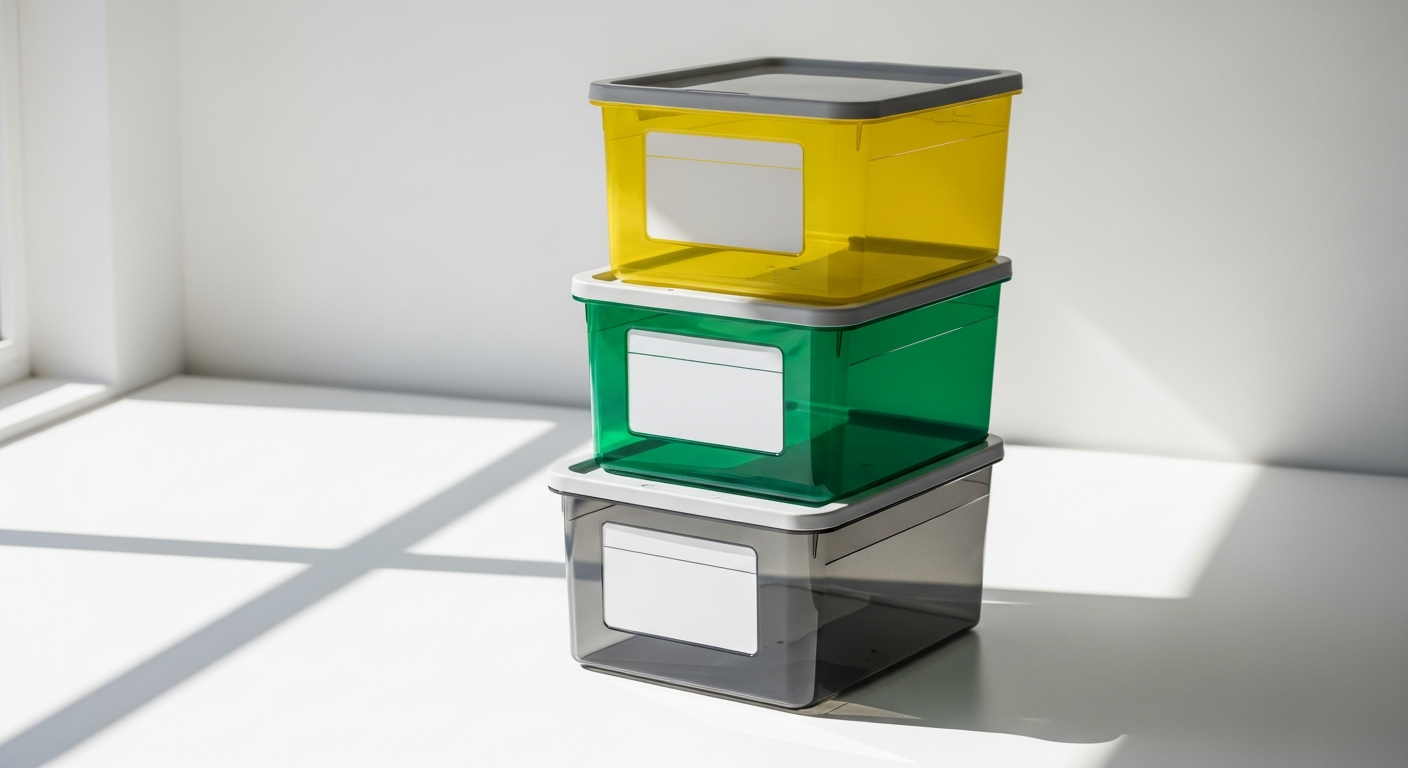
Discover how the Rotho Albula Stackable Recycling Bin transforms small spaces with its modular design, 20-year durability guarantee, and eco-friendly construction. Perfect for organized waste sorting in apartments and compact kitchens.
The average household generates approximately 4.5 pounds of waste per person daily, yet most of us operate with recycling systems that force uncomfortable compromises. Finding a waste management solution that doesn't consume valuable floor space has become increasingly critical, especially for apartment dwellers and those with compact kitchens. Traditional recycling approaches present a frustrating dilemma: bulky bins that sprawl across your space or hidden systems that make sorting inconvenient.
The Rotho Albula Stackable Recycling Bin challenges this false choice by delivering both functionality and visual appeal. Manufactured by Rotho Kunststoff AG, a Swiss company with over 135 years of expertise in quality plastic goods, this modular waste separation system has earned its place in thousands of homes worldwide. The brand's commitment to durability—backed by an impressive 20-year guarantee—combined with sustainable manufacturing practices sets it apart from conventional recycling solutions.
Discover how the Rotho Albula can transform your waste management today.
This guide walks you through everything you need to know about the Rotho Albula—from its space-saving stackable design and material specifications to real-world performance insights and honest assessments of its limitations. Whether you're optimizing a small apartment or upgrading your household waste management system, you'll discover whether this Swiss-engineered solution aligns with your needs.
How the Stackable Design Maximizes Your Kitchen or Utility Space
Overview of the Modular Architecture
The stackable design represents the core innovation that makes the Rotho Albula different from traditional side-by-side recycling systems. Bins connect vertically without wobbling or instability, creating a unified tower that occupies minimal floor space. Each bin sits securely on top of its counterpart, with connection points engineered to prevent shifting during daily use.
Ideal Capacity Configurations for Different Household Sizes
The system comes in popular configurations: 25-liter and 40-liter options that accommodate different waste volumes. A household of two or three typically finds the 25L model sufficient, while larger families benefit from the 40L capacity or multiple stacked bins. The 3.2L organic waste bin integrates seamlessly into the system, designed for frequent emptying without disrupting the overall structure.
Real-World Space Savings
Compared to traditional side-by-side recycling systems, vertical stacking saves approximately 70% of floor footprint. A corner placement or under-sink installation becomes practical when waste bins occupy a compact vertical footprint rather than spreading horizontally across your kitchen. The flexibility to add or remove bins as sorting needs change means your system grows with your household's requirements.
Suitability for Apartments and Compact Spaces
For apartment dwellers and condo residents, ceiling height and closet space often determine feasibility. The stackable design accommodates most standard kitchen dimensions, fitting comfortably in utility closets, under sinks, or beside kitchen islands. Renters particularly appreciate the non-invasive installation—no drilling or permanent modifications required.
Waste Sorting Capabilities: Creating Your Custom Separation System
Multiple Material Categories Supported
The system supports sorting across PET plastics, aluminum cans, glass bottles, paper, and organic waste. This comprehensive approach aligns with most municipal recycling programs, though configurations can be customized based on your local requirements. The flexibility means households aren't forced into standardized categories that don't match their regional waste management protocols.
Color-Coded Options and Customization
Color-coded options help household members identify correct sorting categories at a glance, reducing contamination and sorting errors. Whether your local program requires four bins or six, the modular system adapts without waste. The removable, hinged, or open-top lid options accommodate different disposal preferences and frequency of use.
Practical Applications for Sustainable Living
For households transitioning toward zero-waste lifestyles, the Rotho Albula provides a visible daily reminder of consumption patterns. Seeing organic waste, paper, and plastics separated creates awareness about material choices. The system supports behavioral change toward more sustainable purchasing decisions, as household members confront the quantity of each waste type they generate.
Explore the full range of Rotho Albula configurations to match your household's waste sorting needs.
Material Quality and Environmental Credentials
Premium Plastic Construction and Manufacturing Standards
Rotho Kunststoff AG maintains rigorous manufacturing standards for all plastic components. The premium plastic construction resists impact and maintains structural integrity through years of regular use. Material selection prioritizes durability over cost-cutting, reflecting the company's commitment to longevity rather than disposable consumption.
Up to 94% Recycled Content in Select Models
The organic waste variants utilize up to 94% recycled material, demonstrating genuine environmental commitment beyond marketing claims. This approach creates a positive cycle: purchasing bins made from recycled plastic diverts material from landfills while supporting infrastructure for material recovery. The 3.2L organic waste bin exemplifies this sustainability philosophy.
Impact Resistance and the 20-Year Guarantee
Impact resistance testing supports the 20-year product guarantee, reflecting confidence in engineering and material choices. This extended warranty is uncommon in the recycling bin category, where most competitors offer 1-3 year guarantees. Rotho's willingness to back the product for two decades signals realistic expectations about durability.
Smooth, Non-Porous Surfaces
Non-porous plastic surfaces resist bacterial growth and odor retention better than porous alternatives. This feature proves particularly valuable for organic waste bins, where moisture and decomposition can create unpleasant smells. The smooth finish also simplifies cleaning—a quick wipe removes residue without trapping particles in surface textures.
Environmental Standards and Certifications
Rotho's manufacturing practices meet European environmental standards and sustainability certifications. The company's Swiss heritage comes with expectations for rigorous environmental stewardship, distinguishing it from competitors operating in regions with less stringent regulations.
Practical Features That Simplify Daily Use
Ergonomic Handle Design
The ergonomic handle supports comfortable carrying and transport between rooms or to collection points. Handles accommodate different grip strengths and hand sizes, making the system accessible for children and elderly household members. The design prevents hand strain during regular use.
Lightweight Construction with Structural Integrity
Despite robust construction, the bins remain lightweight enough for easy handling. This balance between durability and portability reflects thoughtful engineering—the product doesn't sacrifice functionality for convenience, nor does it sacrifice usability for strength.
Easy-Clean Surfaces
Wipe-down maintenance takes minimal effort due to smooth plastic surfaces. Unlike textured alternatives, the Rotho Albula resists dust and debris accumulation in crevices. A damp cloth removes food residue and spills quickly, maintaining hygiene in your waste sorting station.
Ventilation and Moisture Control
Organic waste bins include ventilation considerations to prevent moisture buildup and mold growth. Proper air circulation around composting or decomposing materials reduces odor issues and extends bin lifespan.
Durability and Long-Term Value Assessment
The 20-Year Manufacturer Guarantee
The 20-year guarantee covers manufacturing defects and structural failure, though normal wear doesn't qualify for replacement. Understanding warranty terms prevents disappointment—it protects against cracking and material degradation, not cosmetic fading or user damage.
Real-World Lifespan Expectations
User reviews and testing data suggest realistic lifespans extending well beyond the guarantee period. Many households report bins functioning reliably after 10-15 years of daily use. The stackable mechanisms maintain integrity without loosening or deteriorating.
Resistance to Environmental Stressors
The plastic resists cracking under varied temperature conditions, from frozen winters to hot summers. Kitchen heat, moisture, and sunlight exposure don't compromise structural integrity or cause warping. This resistance proves valuable for households with dramatic seasonal temperature swings.
Cost Per Year of Ownership
Calculating total cost of ownership over 20 years reveals genuine value compared to cheaper alternatives requiring replacement every 3-5 years. A 25L bin at CHF 26.90 costs approximately CHF 1.35 annually, far below the yearly expense of replacing budget bins repeatedly.
Known Limitations and User Experience Challenges
Stubborn Adhesive Residue
The primary complaint from users involves manufacturer label adhesive that resists removal. Some bins arrive with stickers that leave sticky residue when peeled away, requiring alcohol or specialized adhesive removers for complete cleaning. While not a structural issue, this minor annoyance affects first impressions.
Flap Mechanism Concerns
Certain models feature flap mechanisms that some users find less intuitive than fully removable lids. The flaps occasionally jam or require manual repositioning during disposal. This design choice prioritizes cleanliness over convenience for some users.
Lid Fit Consistency
Occasionally, lids don't fit with perfect uniformity across different bin sizes, particularly when stacking mixed models. This inconsistency rarely affects functionality but may bother users expecting premium fit and finish.
Weight Distribution with Full Bins
Heavily filled bins create weight distribution challenges when stacking multiple units. The bottom bin bears cumulative pressure, which most modern plastic construction handles adequately, but some users report instability when fully loaded beyond recommended capacity.
Cleaning Difficulty in Connection Crevices
The joints where bins connect during stacking can trap debris and require deliberate cleaning effort. While not problematic for typical use, meticulous users may find complete sanitization challenging in these narrow spaces.
Sizing Options and Capacity Specifications
The 25L Model Dimensions and Typical Use
The 25L model suits households of two to three people, fitting most standard kitchen spaces without dominating visual real estate. Typical dimensions accommodate under-sink installations and corner placements. This capacity handles approximately 5-7 days of recycling before requiring collection.
The 40L Variant Specifications
The 40L option serves larger households or families generating higher waste volumes. Extended collection intervals reduce frequency of trips to recycling facilities, though the bin's footprint increases proportionally. Stacking height becomes a consideration in kitchens with limited overhead clearance.
The 3.2L Organic Waste Bin
The smaller organic waste variant requires more frequent emptying—typically daily or every other day depending on household size. Integration with larger bins creates a coherent system without requiring separate purchasing of incompatible components.
Weight Specifications When Filled
A fully loaded 25L bin weighs approximately 15-18 kg, remaining manageable for most household members. The 40L variant reaches 24-28 kg when full, presenting challenges for those with limited lifting capacity. Understanding weight specifications prevents overloading and maintains system stability.
Stacking Height Limitations
Most kitchens accommodate three stacked bins comfortably, creating a tower of approximately 90-100 cm. Verify ceiling clearance and lighting fixtures before committing to tall stacking configurations.
Pricing, Value Proposition, and Where to Buy
Current Price Range and Regional Variations
The 25L model retails for approximately CHF 26.90, while the 40L variant costs around CHF 30.10. Regional pricing varies based on retailer markup and local market conditions. Online retailers occasionally offer competitive pricing compared to brick-and-mortar shops.
Cost Comparison Against Competitors
Budget alternatives cost CHF 15-20 per bin but typically require replacement every 3-5 years. Mid-range competitors range from CHF 20-28 with 5-10 year lifespans. The Rotho Albula's premium pricing reflects genuine durability advantages and environmental credentials that justify the investment.
Bundle Packages and Multi-Bin Discounts
Retailers periodically offer bundle pricing when purchasing multiple bins simultaneously. Buying a complete stacked system may yield 10-15% savings compared to purchasing individual components separately.
True Cost of Ownership Over 10+ Years
Over a decade, a single 25L Rotho Albula costs approximately CHF 2.70 annually—a fraction of replacing cheaper alternatives multiple times. This long-term perspective reveals genuine value beyond initial purchase price.
Authorized Retailers and Online Options
Authorized retailers across Switzerland and Europe carry Rotho Albula products. Online marketplaces offer competitive pricing and convenient delivery, though verifying seller authenticity ensures warranty eligibility.
Making the Right Choice for Your Household Waste Management
The Rotho Albula Stackable Recycling Bin represents a thoughtful intersection of Swiss engineering, environmental responsibility, and practical design. Its stackable architecture genuinely solves the space constraint problem that plagues apartment dwellers and compact home environments. The modular flexibility means you're not locked into a one-size-fits-all solution—you build exactly what your household needs.
That said, this system isn't perfect. The stubborn adhesive residue and occasional flap mechanism quirks are real annoyances that some users encounter. However, these minor frustrations pale in comparison to the broader functionality and durability the product delivers. The 20-year guarantee reflects Rotho's confidence in their craftsmanship, and the use of recycled materials appeals to environmentally conscious households genuinely committed to reducing their ecological footprint.
If you're searching for a waste separation solution that performs reliably, looks intentional in your kitchen rather than apologetic, and won't require replacement in a few years, the Rotho Albula deserves serious consideration. Start by assessing your space constraints and sorting requirements, then evaluate whether the 25L or 40L configuration (or a combination) matches your household's waste generation patterns. Your future self will appreciate the organized system—and your local recycling facility will benefit from the properly sorted materials you'll divert from landfills.