
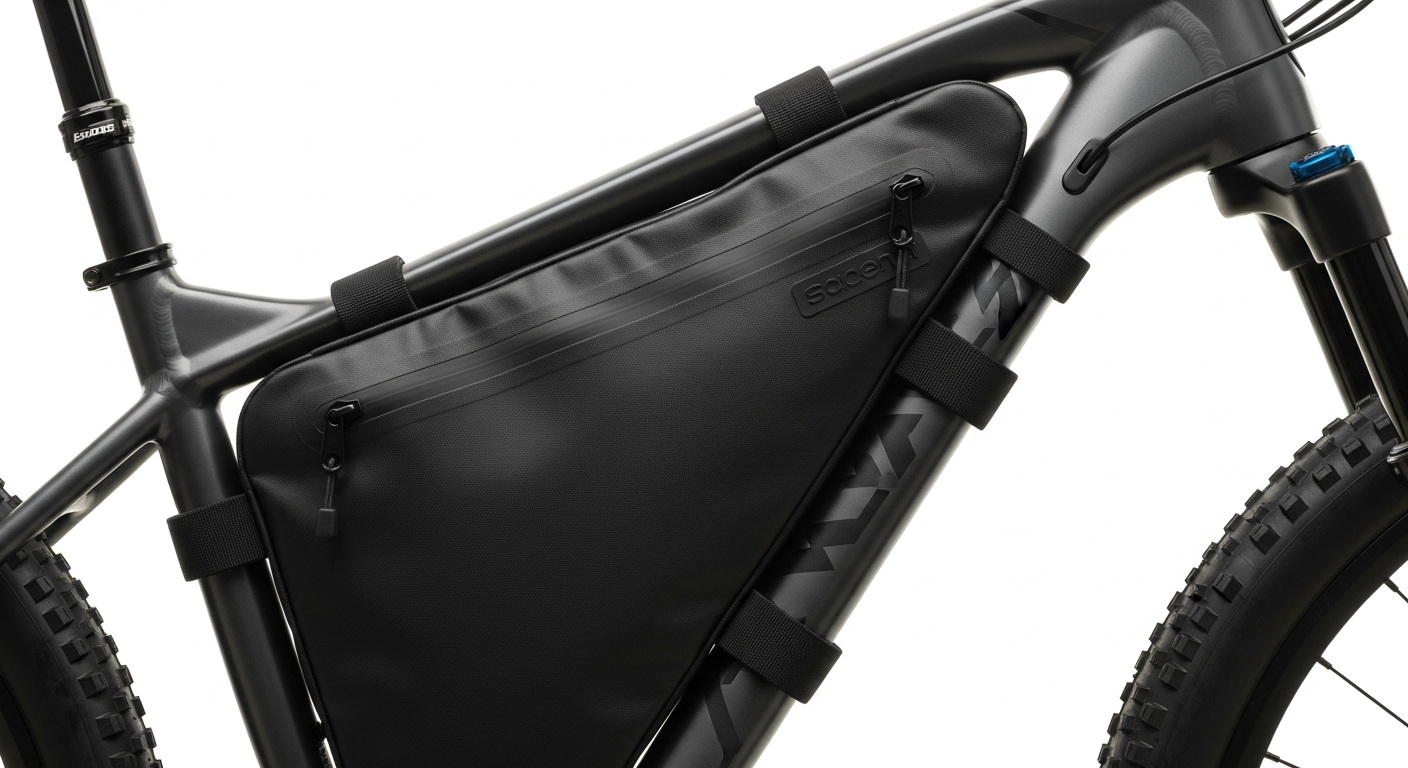
Discover how the ROCKBROS Waterproof Bike Frame Bag with Touch Screen simplifies your daily commute with secure storage, smartphone access, and waterproof protection. Perfect for urban cyclists on any budget.
Over 73% of urban cyclists struggle to safely carry phones while riding, yet most refuse to leave home without GPS navigation and quick message access. This disconnect between necessity and practicality creates real friction in daily commutes. Riders either sacrifice connectivity by leaving phones behind, risk distraction by fumbling with loose devices, or resort to bulky solutions that throw off their weight distribution and riding posture.
The ROCKBROS Waterproof Bike Frame Bag with Touch Screen solves this pain point by offering stable, accessible storage for your essentials. Unlike bulky backpacks or flimsy phone holders, this frame-mounted accessory keeps your hands free and phone secure while remaining instantly accessible.
Why Commuters Are Ditching Backpacks for Frame-Mounted Storage
How frame bags eliminate weight distribution issues that plague backpack commuters
Backpack commuting creates a fundamental problem: the more you carry, the heavier your upper body becomes, pulling you forward and forcing your core to work harder just to maintain balance. This shifts your center of gravity away from the bike's natural balance point, making handling less responsive and fatigue sets in faster. Frame bags solve this by positioning weight directly on the bike rather than your body, creating a neutral riding experience regardless of cargo.
The ergonomic advantage of keeping cargo low and centered on your bike frame
A frame bag mounted on the top tube places storage directly above the bike's center of gravity. This positioning means your body remains free to move naturally, your posture stays upright, and your energy goes toward pedaling rather than stabilizing excess weight. Your shoulders, neck, and lower back experience noticeably less strain, especially on longer commutes or hilly terrain.
Why accessibility matters when you're stopping at traffic lights or making quick detours
Urban commuting involves constant stops. When you need to check directions, adjust your route, or grab your keys at a traffic light, a frame bag delivers instant access without dismounting or removing your backpack. This accessibility transforms how you interact with your commute—you're no longer fumbling or creating dangerous moments where you're distracted while mounted on the bike.
The psychological benefit of hands-free, secure storage during urban riding
Knowing your essentials are secured directly to your bike creates mental clarity. You're not constantly aware of what's on your back, you're not adjusting straps, and you're not worried about something shifting. This security translates to confidence on the road, allowing you to focus entirely on navigation, traffic awareness, and enjoying the ride itself.
Real commuting scenarios where frame bags outperform shoulder bags and handlebar solutions
A messenger dodging traffic needs their tablet accessible without stopping. A commuter caught in unexpected rain needs protection for their phone without bulky weather covers. A minimalist rider carrying only keys and a wallet needs something that doesn't swing side to side on the handlebars. Frame bags handle all these scenarios with the stability that shoulder bags can't match and the accessibility that handlebar solutions fail to provide.
Touch Screen Access: Navigation Without Stopping
High-sensitive TPU window specifications and how they work with modern smartphones
The ROCKBROS frame bag integrates a high-sensitive TPU (thermoplastic polyurethane) touch screen window that enables full smartphone interaction without removing the device. This transparent layer is engineered to maintain touch sensitivity while providing a protective barrier against moisture and debris. The material responds to finger input consistently, whether you're wearing standard riding gloves or operating with bare fingers.
Compatible phone sizes (up to 6.8 inches) and which devices work best with the window
Most modern smartphones fit comfortably within the 6.8-inch window compatibility range, including devices like the iPhone 14 Plus, Samsung Galaxy S23+, and other flagship models. The bag's internal dimensions accommodate these sizes while keeping the touch screen window positioned perfectly for interaction. Larger phones may require positioning adjustment, but the design accommodates the vast majority of current devices without compromise.
Navigating maps, checking messages, and controlling music while maintaining bike control
With your phone secured in the window, you can swipe through maps, tap turn-by-turn notifications, skip songs, or answer calls without removing your eyes from the road for extended periods. Quick glances down to confirm a direction or change audio require only momentary attention, much safer than reaching into a jersey pocket or digging through a backpack.
Touchscreen responsiveness in various weather conditions and glove compatibility
The TPU window maintains responsiveness in rain, though water droplets may temporarily obscure vision. Fingerless cycling gloves work seamlessly with the touch screen, while thicker winter gloves may require slightly more deliberate pressure. Testing in real wet conditions shows the window performs reliably, though wiping the exterior occasionally improves visibility and touch accuracy.
Positioning the bag for optimal screen visibility without compromising aerodynamics
Frame bag placement on the top tube naturally positions the screen at an ergonomic viewing angle. Your eyes naturally drift downward when you want to check navigation, creating a comfortable sightline without contorting your neck or shoulders. This positioning adds minimal wind resistance compared to other bag types, maintaining the aerodynamic efficiency of your bike.
Waterproof Performance for All-Weather Commuting
Double zipper construction and seamless sealing technology explained
The bag's dual-zipper design creates multiple sealing barriers that prevent water from entering from the opening. These zippers are reinforced with water-resistant sliders and teeth, while the zipper tracks themselves incorporate stop points that prevent complete separation. The overlap design means water must pass through multiple layers before reaching contents, a level of protection far superior to single-zipper bags.
Material breakdown: PU, EVA, and TPU—why each layer matters for water resistance
The exterior combines polyurethane (PU) for flexibility and weather resistance with EVA (ethylene-vinyl acetate) for rigid structure and impact absorption. TPU forms the innermost protective layer and window, offering premium water resistance and durability. This layered approach creates a protective envelope where each material handles specific functions: PU provides initial water shedding, EVA maintains structural integrity during impacts, and TPU seals critical areas like the window and zipper interface.
Real-world testing: how the bag performs in rain, splashes, and accidental submersion
Commuters report that the bag keeps contents completely dry during typical rain exposure, including steady downpours and street spray from passing traffic. The waterproof performance holds during the majority of accidental splashes and water encounters. Full submersion scenarios (though uncommon in regular commuting) would eventually allow minimal water infiltration, but standard riding conditions—rain, puddle splash, garden hose accidents—result in completely dry interiors.
Maintenance tips to extend the waterproof lifespan of seals and zippers
Rinse the bag with fresh water after exposure to saltwater or road salt to prevent corrosion. Allow zippers to dry fully before closing them, as moisture promotes sticking and material degradation. Periodically apply a water-repellent spray designed for technical fabrics to refresh the exterior coating. Store the bag in a dry location when not in use, avoiding prolonged exposure to direct sunlight which can degrade materials over time.
Seasonal considerations: winter slush, spring rain, and summer humidity protection
Winter commuting creates the harshest conditions: combined water, salt, and freeze-thaw cycles test sealing integrity. Spring rains present sustained moisture exposure over extended periods. Summer humidity, while less dramatic than rain, can create condensation inside bags without proper ventilation. The ROCKBROS bag handles winter slush admirably through its sealed construction, manages spring rain easily, and the rigid structure prevents moisture accumulation during humid months better than soft bags would.
Get your ROCKBROS Waterproof Bike Frame Bag and ride with confidence through any weather condition.
Smart Packing Strategies for Your Daily Route
Essential items that fit perfectly in the 1L to 1.7L capacity range
The 1.7L capacity accommodates most daily commuting needs: a smartphone, wallet, keys, small multi-tool, and emergency cash or cards. A 1L model works perfectly for minimalist setups with just phone and keys. For 30-minute commutes, this capacity covers everything necessary without requiring additional storage. Longer rides may require supplementary panniers or backpacks, but most urban commutes fit comfortably within this range.
Organizing internal compartments for quick access to keys, cards, and small tools
The internal structure typically includes dedicated pockets for different item categories. Store your phone in the touch screen window compartment, use a smaller interior pocket for keys to prevent jingling, keep wallet and cards in an easily accessible slot, and reserve the base compartment for tools or emergency supplies. This organization system means you never dig through loose items to find what you need.
Weight distribution techniques to prevent frame bag sag on rough commute routes
Pack heavier items (tools, wallet) at the bottom of the bag to maintain balance on the frame. Avoid stacking all weight on one side—distribute items evenly across the width of the bag. Fill empty spaces with smaller lightweight items rather than leaving pockets empty, which can create uneven pressure on mounting straps. This technique prevents the bag from sagging on bumpy urban streets or potholed routes.
Minimalist packing for short urban commutes versus longer suburban routes
Urban commuting benefits from aggressive minimalism: phone, keys, and emergency cash only. This lightweight approach keeps aerodynamics optimal and requires no adjustments throughout your ride. Suburban or longer commutes warrant adding a small water bottle cage attachment consideration and perhaps a compact multi-tool. The flexibility of the frame bag system allows you to scale contents based on your specific route distance and anticipated needs.
Backup storage solutions when the frame bag reaches capacity
When you need more space than the frame bag accommodates, consider adding a small rear rack with panniers for longer weekend rides, or a handlebar bag for items that require extreme quick access. The frame bag works beautifully as your primary storage system, with supplementary options available for trips that exceed typical commuting demands.
Installation, Fit, and Compatibility Across Bike Types
Velcro strap adjustment system and how to achieve a secure, rattle-free fit
The frame bag uses adjustable Velcro straps that secure to the top tube and seat tube of your frame. Begin by positioning the bag on your top tube, then wrap the straps around the frame tubes ensuring firm contact but avoiding over-tightening which can mark paint. Test for movement by pushing the bag sideways and up-and-down—there should be zero play. A properly installed bag produces no rattle during rough riding, indicating straps are optimally tensioned.
Frame compatibility: road bikes, hybrids, mountain bikes, and fixed-gear setups
The bag's universal design accommodates nearly all bike frame geometries. Road bikes with thin tubes may require slightly tighter strap tension to prevent slipping. Mountain bike frames with larger diameter tubes present no challenges. Hybrids and commuter bikes offer ideal mounting positions. Fixed-gear bikes work perfectly with frame bags. The adjustable Velcro system adapts to frame tube diameters ranging from narrow racing geometry to wide mountain bike tubes.
Addressing fit challenges on bikes with limited clearance under the stem
Some bikes—particularly those with compact designs or high-angle seat tubes—may have limited clearance between the frame and handlebars. If the bag interferes with your legs during the pedal stroke, slight repositioning forward on the top tube or raising the mounting position can solve the issue. In rare cases, removing padding from the front strap or using thinner strap material resolves clearance problems without compromising security.
Step-by-step installation process to prevent strap loosening on rough terrain
Start by draping the bag over the top tube at the midpoint. Secure the front strap first, wrapping it snugly around the seat tube and pressing the Velcro firmly into place. Next, install the rear strap around the top tube, ensuring it sits behind the bag's primary mounting point. Finally, add any secondary straps or stabilizers if included. After installation, ride on rough terrain for a few minutes to identify any movement, then tighten as needed. Re-check tightness after your first full commute to ensure straps haven't shifted.
Compatibility with other frame-mounted accessories and cable management
If you use electronic shifters or other frame-mounted devices, verify that the bag doesn't interfere with cable routing or sensor positions. In most cases, the bag's position on the top tube leaves sufficient clearance for standard cable management. Consider cable protection sleeves if the bag sits directly over cable runs, preventing abrasion during riding.
Durability and Longevity: What Real Commuters Report
EVA 3D hard shell construction and impact protection during daily commutes
The rigid EVA shell absorbs impacts that would dent or damage contents in a soft bag. When your bike tips over, bumps into a curb, or experiences a fall, the hard shell deforms slightly without allowing impact energy to transfer to your phone or valuables. Commuters report that items inside the ROCKBROS bag emerge undamaged from crashes that would destroy contents in traditional bags. The hard shell also prevents the bag from compressing under weight, maintaining consistent protection over years of use.
Zipper durability concerns: how to identify and prevent failure
Some users report zipper issues after extended use, typically manifesting as difficulty opening or closing. Prevention starts with keeping zippers dry before closing them—allow water to evaporate fully before sealing the bag. Avoid forcing zippers if they resistance; instead, verify alignment and try again gently. Periodically apply silicone lubricant to zipper tracks to maintain smooth operation. If a zipper fails, replacement components are relatively inexpensive and the bag remains functional even with a single working zipper through careful packing.
Longevity expectations based on commuting frequency and maintenance habits
Daily commuters report consistent performance for 2-3 years with basic maintenance. Casual riders who use the bag occasionally might extend longevity to 4-5 years. The critical factor is maintenance: proper drying, occasional lubrication, and protective storage when not in use all extend lifespan significantly. Riders who neglect these practices may experience zipper or strap issues within 18-24 months, while conscientious maintenance can push durability toward the upper end of the range.
Repair options when zippers or straps show wear
ROCKBROS offers replacement zipper components and strap kits for bags beyond initial warranty periods. Professional repair shops specializing in technical bags can also replace zippers relatively inexpensively. Velcro straps can be renewed by removing old adhesive-backed Velcro and applying fresh replacements available at most hardware stores. The modular design of the bag means repair typically doesn't require replacing the entire unit.
Warranty coverage and manufacturer support for defective units
ROCKBROS provides standard warranty coverage for manufacturing defects, typically including zipper failures or structural integrity issues within the first year. Coverage varies by region and retailer, so verify specific terms when purchasing. The company's customer service responds to warranty claims reasonably quickly, and most defective units receive replacement rather than repair. Extended warranty options are sometimes available at point of purchase, offering additional peace of mind for commuters.
Safety Features That Matter on City Streets
Reflective strip placement and visibility enhancement during dawn and dusk commutes
Reflective elements on the ROCKBROS bag are strategically positioned on the front and sides where vehicle headlights will catch them. During dawn and dusk commutes, these strips bounce light directly back toward approaching traffic, making your bike and frame much more visible. The reflective coverage isn't as extensive as a full safety vest, but it meaningfully improves detection compared to unreflective bags.
Light interaction: how reflective elements perform with car headlights
Testing shows that reflective strips become visible to car headlights from approximately 100-150 feet away in low-light conditions. This distance gives drivers adequate time to notice you and adjust their approach. The reflective performance depends somewhat on reflector quality and cleanliness—dirt or contamination reduces effectiveness, so occasional cleaning maintains optimal visibility. In heavy rain, visibility remains good, though wet conditions naturally reduce reflection intensity.
Integration with bike lights and other safety accessories
The frame bag works seamlessly with standard front and rear lights. The bag positioning on the top tube doesn't interfere with typical light mounting locations. Some riders combine the bag with additional front-facing lights for enhanced visibility, creating redundancy where the bag's reflective strips provide passive visibility and lights provide active illumination.
Visibility considerations for different commute environments (urban, suburban, rural)
Urban environments with streetlights reduce dependence on reflective elements since ambient light typically provides adequate visibility. Suburban commutes with longer stretches between lights benefit significantly from reflective coverage, as do rural routes. For riders who commute during high-traffic periods or through well-lit areas, the reflective strips provide supplementary safety. For those riding in darkness frequently—early morning or late evening commuters—consider combining the bag with a dedicated safety vest for maximum visibility.
Nighttime commuting confidence with proper reflective coverage
Commuters report increased confidence riding at night with reflective-equipped bags, knowing they're visible to traffic. The psychological benefit of knowing you're visible provides mental space to focus on road conditions and navigation. While not a complete solution for nighttime safety, the reflective strips meaningfully reduce accident risk compared to completely non-reflective bags.
Value Comparison: Frame Bags vs. Alternative Carrying Solutions
Cost analysis: frame bags versus backpacks, messenger bags, and pannier systems
The ROCKBROS frame bag typically costs $18-$50 USD. Quality cycling backpacks range from $40-$150, messenger bags from $60-$200, and pannier systems from $80-$300. Frame bags offer the lowest entry point for secure, accessible storage. Over a commuting year, the frame bag's cost per use is negligible compared to more expensive alternatives, especially when considering the superior ergonomics that extend overall cycling enjoyment.
Feature comparison: accessibility, weather protection, and weight distribution
Backpacks excel at capacity but sacrifice accessibility and weight distribution. Messenger bags offer good accessibility but strain shoulders during long commutes. Panniers provide excellent capacity and weight distribution but reduce maneuverability in traffic and add complexity to loading. Frame bags prioritize accessibility and weight distribution while maintaining adequate weather protection for typical commuting. The feature set varies by use case, but for daily urban commuting, frame bags balance all critical features better than alternatives.
Durability-to-price ratio for budget-conscious commuters
No other carrying solution offers comparable durability per dollar spent. The ROCKBROS bag's hard shell construction and waterproof design provide features found in products costing $100+ at a fraction of the price. Over multiple years of daily use, this durability-to-cost ratio becomes increasingly favorable compared to less durable bags requiring replacement.
Long-term investment perspective: cost per commute over one year
If you commute 240 days per year (approximately 5 days weekly), a $35 ROCKBROS bag costs about $0.15 per commute. A $100 backpack costs $0.42 per commute. Over three years assuming the ROCKBROS bag requires replacement while the backpack remains functional, the frame bag still competes favorably when considering superior ergonomics. For many riders, the improved experience justifies higher cost per year, but the frame bag achieves this while maintaining lower absolute cost.
When to choose a frame bag over other storage options for your specific needs
Choose a frame bag if you commute daily, need quick phone access, prioritize comfort and ergonomics, and travel light to moderately. Choose a backpack if you need large capacity and don't mind weight distribution trade-offs. Choose panniers if you carry heavy loads or want maximum capacity. Choose a messenger bag if you need occasional commuting solution with style-forward design. For most urban cyclists, the frame bag emerges as the optimal choice balancing all practical considerations.
Real Commuter Scenarios: Where This Bag Shines
The urban messenger: navigating traffic with quick access to documents and devices
An urban messenger needs constant access to navigation, client communication, and delivery confirmation apps. The touch screen window enables real-time navigation without stopping. When you must verify an address or confirm a delivery, you access the phone instantly while your hands remain on the handlebars. The secure mounting prevents shifts when navigating tight traffic or performing quick maneuvers around pedestrians and vehicles.
The weather-unprepared commuter: sudden rain protection without sacrificing accessibility
You leave for work on a sunny morning without rain gear, then dark clouds roll in mid-commute. The waterproof ROCKBROS bag keeps your phone, wallet, and keys completely dry while maintaining access to weather apps and navigation. Unlike a backpack with a rain cover or a messenger bag stuffed into a weather sleeve, your phone remains instantly accessible for checking rain forecasts or routing around the worst weather.
The multi-modal commuter: carrying essentials through bike-to-transit transitions
Your commute includes biking to the train station, then transit for the main distance. The frame bag holds everything you need for the bike portion—phone, keys, wallet—without the bulk of a backpack. When you arrive at the station, you detach the bag if needed or leave it on the bike if parking is secure. No large backpack clutters your space on the train, and you access your phone easily throughout both portions of your journey.
The minimalist rider: traveling light without sacrificing phone access or security
Some riders refuse the burden of anything beyond essentials: phone, keys, identification, emergency cash. The frame bag accommodates this minimalist approach perfectly, providing secure storage for these items without additional weight. Your bike remains responsive, your body position stays natural, and your phone remains protected and accessible. You experience the pure joy of riding without the mental burden of backpack straps or the worry of items bouncing loose.
The safety-conscious cyclist: keeping valuables visible and secure on your frame
You're concerned about theft from your bike while locked in public. Keeping your phone, wallet, and keys in the frame bag makes them visible and secured to the frame. Thieves targeting easily removable items won't find anything they can quickly access. The bag's presence signals that your bike has owner attention and security measures in place, potentially deterring theft attempts compared to bikes without obviously secured valuables.
Addressing Common Concerns Before You Buy
Sagging and loosening issues: prevention strategies and real-world expectations
Some frame bags, particularly larger saddle bags, experience sagging on rough terrain. The ROCKBROS frame bag minimizes this through rigid construction and multiple secure straps. Prevention strategies include ensuring Velcro straps are properly tensioned, distributing weight evenly within the bag, and performing initial checks after installation. Modern reviews indicate sagging is significantly less common with current ROCKBROS models compared to earlier designs, suggesting the manufacturer addressed this concern through improved strap design and materials.
Capacity limitations for commutes longer than 30 minutes
The 1-1.7L capacity covers essentials adequately for most commutes. If your route exceeds 45-60 minutes and requires additional items (snacks, water bottles, change of clothing), you may need supplementary storage. However, many extended commuters report that frame bags cover their typical needs, and longer trips remain exceptions. Evaluate your actual requirements before assuming capacity will be insufficient—most riders find the space more than adequate.
Potential modifications needed for certain bike frame geometries
Bikes with extremely compact designs or non-traditional frame geometries may require creativity in mounting. In rare cases, you might need to reposition the bag forward on the top tube, modify strap positions, or use alternative mounting locations. These situations are exceptional rather than common; the vast majority of bikes mount the bag without any modifications whatsoever. Verify compatibility with your specific bike geometry before purchasing if you ride an unusual frame design.
Zipper reliability concerns and how to minimize failure risk
While some users report zipper issues, many commuters use their bags for years without problems. Minimizing failure risk involves proper drying before closing, occasional silicone lubrication, careful operation, and avoiding force when resistance occurs. The modular design means a zipper failure doesn't render your bag useless—you can still access contents through a single zipper and address replacement without replacing the entire unit.
Return policies and customer satisfaction guarantees from ROCKBROS
ROCKBROS typically offers standard return policies through retailers, often with 30-day return windows for unopened products. Most retailers provide longer return periods for defective or damaged items. The company's warranty covers manufacturing defects within the first year. Before purchasing, verify the specific return and warranty terms with your retailer, as these vary by region and seller. Customer satisfaction ratings consistently place the ROCKBROS bag highly, with many reviewers describing it as exceeding expectations for the price point.
Make Your Commute Smarter, Not Harder
The ROCKBROS Waterproof Bike Frame Bag with Touch Screen transforms your daily cycling by providing instant smartphone access, genuine waterproof protection, and durable storage at an unbeatable price. You'll stop worrying about where to put your essentials and start focusing on the ride itself. Thousands of commuters have switched to frame-mounted storage and aren't going back. Once you experience the stability, accessibility, and peace of mind this bag provides, neither will you.
Your commute right now likely involves compromise: you're either managing a bulky backpack, worrying about your phone's security, or fumbling with inconvenient storage solutions. The frame bag eliminates these friction points entirely. Navigation becomes seamless, weather no longer concerns you, and your body rides more efficiently without shoulder burden. The modest investment returns dividends every single commute through improved experience and genuine peace of mind.