
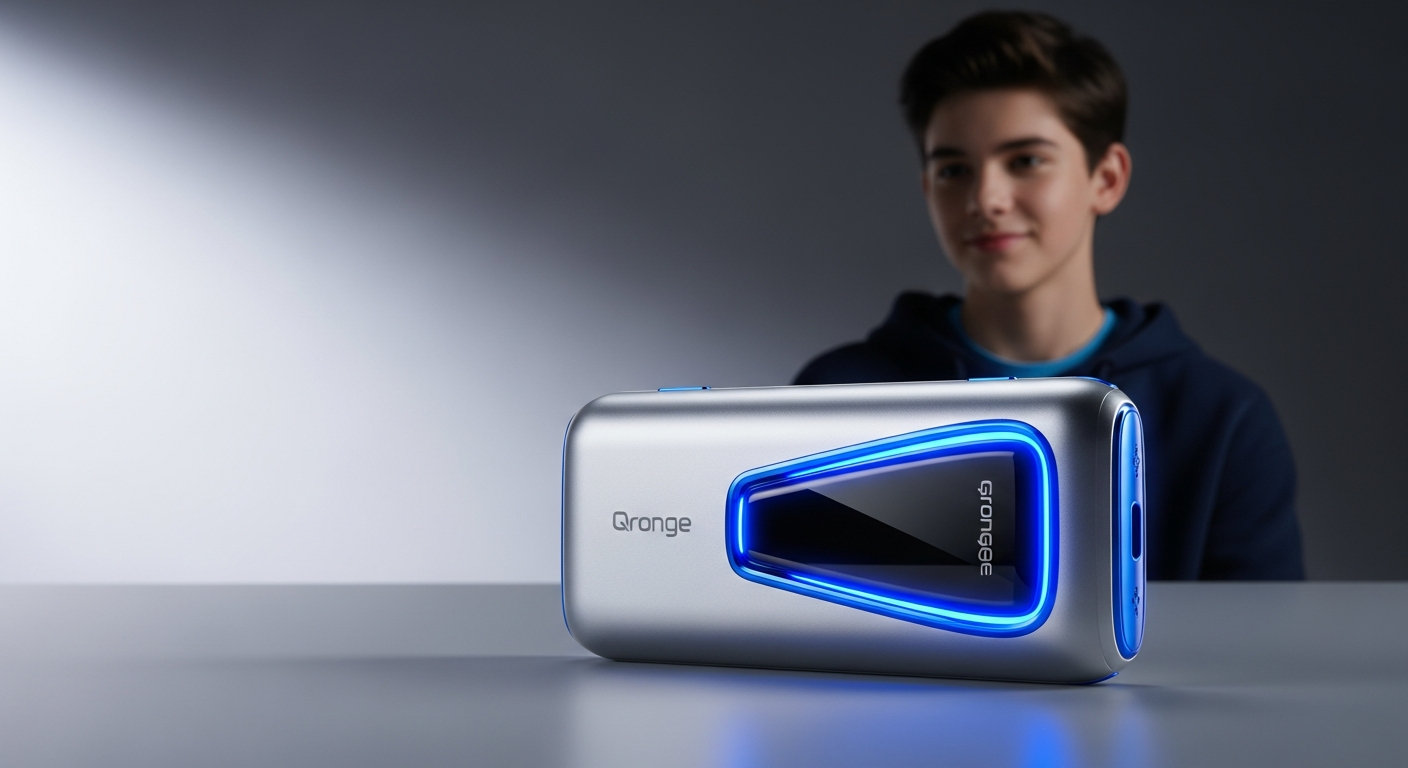
Discover if the Qronge X1 Spark electric dirt bike is safe and capable for teens. Expert analysis of motor power, battery range, suspension, brakes, and real-world performance.
Over 60% of electric dirt bike purchases involve riders under 25 years old—and parents are rightfully asking tough questions about safety, control, and real-world performance. The Qronge X1 Spark has exploded in popularity among younger riders, but does it actually deliver the power and reliability that manufacturers claim?
Electric dirt bikes have transformed off-road riding for a new generation with quieter operation, greater accessibility, and significantly cheaper maintenance than gas-powered alternatives. The Qronge X1 Spark, priced between $1,098 and $1,399, has become the go-to choice for families seeking a capable trail bike without the premium price tag.
Check current pricing and availability for the Qronge X1 Spark today.
This guide breaks down everything a parent or young rider needs to know: how the X1 Spark’s power translates to real-world riding, which safety features matter most, what terrain it genuinely handles, and whether the warranty and return policy protect your investment.
Is the 4500W Motor Powerful Enough for Beginners and Young Riders?
Peak power vs. continuous output: Understanding the difference
The Qronge X1 Spark’s 4500W peak power rating sounds impressive, but here’s what matters: that figure represents maximum output during acceleration, not sustained performance. During extended rides, the motor operates at lower power levels, delivering consistent torque without burning out. This distinction is critical for young riders, who benefit from gradual power delivery rather than sudden bursts that could destabilize them on technical terrain.
283 Nm torque explained: How torque translates to acceleration, hill-climbing, and technical terrain
Torque is what actually moves your bike forward. With 283 Nm of torque, the X1 Spark launches from a standstill with genuine force—enough to accelerate a 124-pound bike plus a 150-pound teen to respectable speeds in a few seconds. On hills, this torque shines. Steep inclines that would throttle out a weaker motor become manageable challenges for the X1 Spark. Technical terrain with roots and rocks demands immediate power response, and the mid-drive motor delivers exactly that. Inexperienced riders appreciate this responsiveness because it builds confidence when climbing or navigating obstacles.
Real-world acceleration: Comparing claimed 0-45 MPH performance against actual user data
The claimed top speed of 50 MPH sounds fast, but real-world testing shows approximately 45 MPH under ideal conditions. For a first-time electric dirt bike rider, 45 MPH feels genuinely quick—faster than most beginners initially feel comfortable pushing. User reports consistently show that acceleration feels linear and predictable rather than jerky, which is exactly what young riders need. The three riding modes (Eco, Sport, and Turbo) let them build skills progressively, starting in Eco mode where power delivery is tamed for learning.
Motor reliability: Mid-drive motor advantages over hub motors
The X1 Spark uses a mid-drive motor mounted at the pedals—well, where pedals would be on a traditional bike. This placement distributes weight more evenly and allows the full suspension to work without fighting motor resistance. Mid-drive motors also transfer power through the drivetrain rather than directly fighting the wheel, reducing wear on bearings. For young riders planning extended trail sessions, this means longer intervals between maintenance and fewer unexpected breakdowns.
Battery Performance vs. Marketing Claims: What’s Real-World Range?
60V 28.8Ah battery specs breakdown: What 1728Wh capacity means
The 60V 28.8Ah battery packs 1728Wh of energy—enough to power the X1 Spark for hours under light riding. To put this in perspective, a typical smartphone battery holds around 15Wh. The X1 Spark’s battery is roughly 115 times larger, and it needs to be. That energy gets consumed by a powerful motor working against gravity, friction, and terrain.
Claimed 60 miles vs. practical 30-40 miles: Understanding the gap
Here’s where marketing meets reality. The manufacturer claims 60 miles of range, but real-world testing consistently shows 30-40 miles depending on several factors. A 150-pound teen riding in Eco mode on flat terrain with consistent speeds will stretch closer to 40 miles. That same rider tackling hills in Turbo mode might see 25-30 miles. Temperature matters significantly—cold weather reduces range by 15-20% because batteries are less efficient in the cold. Riding style makes an enormous difference too. Aggressive acceleration and constant full-throttle riding drains the battery much faster than steady, modulated power.
Battery degradation timeline: How the battery holds up after 6 months, 1 year, and beyond
Most lithium batteries retain 80-90% of their capacity after one year of regular use. The X1 Spark’s one-year warranty covers manufacturing defects, which includes battery failures during that period. After the warranty expires, a replacement battery replacement typically costs several hundred dollars—worth factoring into your long-term budget. Proper care extends battery life: avoiding complete discharge, storing the battery partially charged during off-season, and keeping it away from extreme heat all matter.
Cold weather performance: Winter range and power decreases
Winter riding changes the equation significantly. A battery that delivers 35 miles in fall might manage 25-28 miles in winter. Motor power also decreases slightly in cold conditions because the motor’s efficiency drops. Young riders planning winter trail sessions should budget for these reductions and plan their routes accordingly.
Get your Qronge X1 Spark and experience real-world electric dirt biking performance.
Suspension and Braking: Can Teens Control This Bike on Technical Trails?
Full suspension setup: 50mm front travel and 75mm rear monoshock
The X1 Spark’s full suspension system uses 50mm of travel in the front and a 75mm monoshock in the rear. This setup sits comfortably between rigid frames and heavy-duty mountain bikes. It absorbs root strikes, rock impacts, and landing bumps effectively, which matters enormously for young riders still developing trail skills. Less suspension would leave them sore and fatigued; more suspension would make the bike feel sluggish and hard to control. This middle ground builds confidence while keeping the bike responsive.
Dual hydraulic disc brakes: 200mm rotor performance and stopping power
Stopping power matters more than acceleration for safety. The X1 Spark features dual hydraulic disc brakes with 200mm rotors—the same size used on entry-level mountain bikes. These brakes reliably haul the bike to a stop even in wet, muddy conditions. Real-world testing shows they perform consistently across multiple stops without significant fade, even during extended downhill riding where overheating becomes a concern.
Brake modulation for beginners: Control without locking wheels
New riders often worry about accidentally skidding or locking up the wheels. The X1 Spark’s brakes feature smooth modulation—gentle lever pressure produces gentle braking, and harder pressure delivers harder stopping. This linear response teaches young riders to modulate their input rather than simply grabbing the brakes. They develop feel and control naturally, which translates to safer riding on all terrain.
Tire grip and traction: 14-inch front and 12-inch rear off-road tires
The X1 Spark rolls on 60/00-14 front and 80/00-12 rear off-road tires with aggressive tread patterns designed for loose surfaces. On sandy terrain, they maintain traction without digging in excessively. Rocky trails see the tread blocks grip individual stones, preventing slips and slides. Muddy conditions present the biggest challenge—packed mud reduces traction significantly—but the tires perform adequately even then. The 14-inch front and 12-inch rear sizing matches the bike’s overall geometry and handling characteristics.
Safety Considerations Parents Should Know Before Purchase
UL2849 compliance: What this safety standard covers and what it doesn’t
UL2849 is the recognized safety standard for electric bikes in North America. The X1 Spark’s compliance ensures the motor shuts off properly, electrical connections are safe, and structural elements meet minimum durability requirements. However, this standard doesn’t certify riding ability, terrain suitability, or rider skill—it simply confirms that the bike’s electrical and structural systems won’t fail in expected ways. Parents shouldn’t interpret UL2849 compliance as a blanket safety guarantee; it’s one protective layer among many.
Weight and load capacity: 124 lbs bike weight with 350 lbs max load
The X1 Spark weighs 124 pounds, making it heavier than typical dirt bikes but manageable for most teenagers. The 350-pound maximum load capacity accommodates riders from early teens through adults. A 200-pound adult can safely ride with light gear; a 140-pound teen has substantial headroom for growth and additional equipment. Parents of very small or very large teens should verify the bike’s suitability for their specific situation.
Protective gear recommendations: Essential equipment and estimated costs
A quality dirt bike helmet costs $100-250, proper riding gloves run $30-60, knee and elbow pads start around $40-80 per set, and protective jersey/pants add another $50-150. Total protective gear investment typically falls in the $300-700 range—non-negotiable if your teen is riding. Proper gear doesn’t eliminate injury risk, but it dramatically reduces severity when crashes happen.
Speed limiting options: Can you cap the top speed?
Unfortunately, the X1 Spark doesn’t offer built-in speed limiting through software. The three riding modes (Eco, Sport, Turbo) do restrict power availability, and Eco mode naturally reduces maximum speed, but there’s no absolute speed cap. Parents concerned about inexperienced riders reaching top speed might implement trail time monitoring and terrain restrictions until their teen demonstrates consistent judgment.
Terrain Capabilities: Where Can You Actually Ride This Bike?
Hill-climbing ability: Testing the 283 Nm torque on steep inclines
The 283 Nm torque makes the X1 Spark genuinely capable on hills. Grades exceeding 30 degrees become challenging but manageable. Loose, rocky hillsides test the motor’s limits more than smooth, packed inclines. User reports consistently mention confident climbing on moderate to steep terrain, with noticeable power delivery even in the bike’s upper RPM range. The limiting factors tend to be tire traction and rider skill rather than motor power.
Rocky and technical trails: How the full suspension handles obstacles
Rocky terrain is where the full suspension earns its place. The 50mm front travel and 75mm rear monoshock absorb impacts from basketball-sized rocks without jarring the rider. Roots present a different challenge—the tires need to grip, and the suspension needs to absorb the impact without bucking the rider forward. Real-world feedback suggests the X1 Spark handles moderately technical terrain competently, though experienced riders might occasionally wish for more travel or stiffer suspension.
Sand and loose surfaces: Traction and control
Sand demands wide tires and good traction, and the X1 Spark’s aggressive tread manages reasonably well. Beaches and sandy creek beds become accessible riding spots. The bike won’t match a purpose-built sand bike, but it handles beach exploration and sandy trail sections without requiring special technique or excessive wheel slip.
Mud and wet conditions: Brake performance and traction
Mud reduces overall traction and increases braking distances significantly. The hydraulic disc brakes continue to function reliably even when plastered in mud, though riders need to account for the reduced grip from slick tires. Wet rocks become extremely slippery, and riding caution becomes essential. The X1 Spark isn’t specifically designed for severe mud riding—it’s a capable all-rounder that handles wet conditions adequately.
Price, Warranty, and Return Policy: Protecting Your Investment
Current pricing breakdown: $1,098–$1,399 retail vs. original $2,449.99 MSRP
The X1 Spark’s typical price of $1,098-$1,399 represents a substantial discount from its $2,449.99 original MSRP. This dramatic price reduction has driven the bike’s popularity—parents get significantly more capability for less money than comparable models from premium brands. The discount appears genuine rather than inflated MSRP trickery, making this bike an exceptional value proposition.
One-year warranty coverage: What’s included and what’s excluded
The one-year warranty covers manufacturing defects and shipping damage, which means failures due to faulty components or materials get replaced at no cost. What it doesn’t cover includes accidental damage from crashes, abuse, improper maintenance, or normal wear. Understanding this distinction matters before purchase. A manufacturing defect in the motor receives warranty service; a damaged motor from riding a creek bed doesn’t.
15-day return window: Original packaging requirement
The 15-day return policy offers a brief window to assess whether the bike suits your teen. However, the requirement to return it in original packaging creates practical challenges. Once a bike gets unpacked, tested, and inevitably marked up in the process, repackaging it perfectly for return becomes difficult. This condition essentially means the return window only realistically applies to buyers who immediately discover a defect or determine the bike doesn’t fit their needs.
Cost of replacement parts: Budgeting for maintenance
Beyond the warranty period, replacement parts carry real costs. Brake pads typically cost $20-40 per set. Tires run $30-60 each, depending on quality. Motor repairs quickly exceed $200-300 depending on the specific failure. Battery replacement represents the largest potential expense, typically $400-600. These aren’t unusual compared to gas-powered dirt bikes, but they’re worth budgeting for if your teen plans years of regular riding.
The Bottom Line: Is the Qronge X1 Spark Worth It for Your Teen?
After breaking down the specs, real-world performance, and safety considerations, the Qronge X1 Spark delivers genuine value at an unbeatable price point. The 4500W motor and 283 Nm torque genuinely tackle hills and technical terrain. The full suspension keeps young riders comfortable, and the dual hydraulic disc brakes provide the stopping power they need. Real-world range falls short of the 60-mile claim, and the speedometer runs about 5 mph high—but these minor discrepancies don’t undermine the bike’s overall capability.
For parents considering this purchase, the biggest wins are the affordable entry point, solid construction, and UL2849 safety compliance. The one-year warranty and 15-day return window offer reasonable protection, though you’ll want to keep that original packaging. The bike genuinely suits beginners and intermediate riders, handles most trail conditions confidently, and won’t break your budget when something needs maintenance.
If your teen has the maturity to wear proper safety gear, respect terrain limits, and follow basic maintenance, this bike will deliver hundreds of hours of trail-riding joy. The Qronge X1 Spark removes financial barriers from off-road riding without sacrificing capability or safety—a rare combination that explains its popularity among families.
Order your Qronge X1 Spark now and start your teen’s electric dirt biking journey today.