
Discover why premium winter car tires deliver superior safety and performance on snow and ice. Learn key features, price comparisons, and how to choose the right tires for Danish winters at Dack Online DK.
Did you know that winter tires can reduce braking distances on ice by up to 25% compared to all-season alternatives? That's not just a statistic—it's the difference between arriving home safely and facing a dangerous skid on a frozen Danish road. Premium winter car tires represent a specialized category of automotive safety equipment engineered for cold-weather performance.
Unlike summer or all-season tires, these are specifically designed to maintain flexibility and grip when temperatures drop below 7°C (45°F)—a reality that Scandinavian drivers know all too well. The engineering that goes into these tires isn't arbitrary; it's the result of decades of automotive research focused on solving a singular problem: how to keep vehicles safe when winter conditions make ordinary tires nearly useless.
Throughout this guide, I'll walk you through the engineering behind winter tire performance, break down the pricing landscape (typically ranging from 700 to 2,000 DKK per tire), and help you understand which features matter most for your specific vehicle and driving habits. Explore premium winter tires at Dack Online DK today.
The Science Behind Winter Tire Performance
The fundamental difference between winter tires and their all-season counterparts lies in the rubber compound itself. Winter tire rubber remains pliable and responsive even when temperatures plummet, whereas standard tire compounds harden in cold conditions and lose their grip. This isn't magic—it's chemistry. Manufacturers adjust the molecular composition of the rubber to maintain elasticity below 7°C, ensuring your tires can actually grip the road rather than sliding across it like ice skates.
Specialized rubber compounds that remain pliable in freezing temperatures
The rubber formulation in premium winter tires includes specific polymers and additives that prevent the material from becoming rigid when exposed to cold. This flexibility is crucial because a tire that can't conform to road surface irregularities simply cannot generate friction, no matter how aggressive its tread pattern.
How sipes improve traction on snow and ice
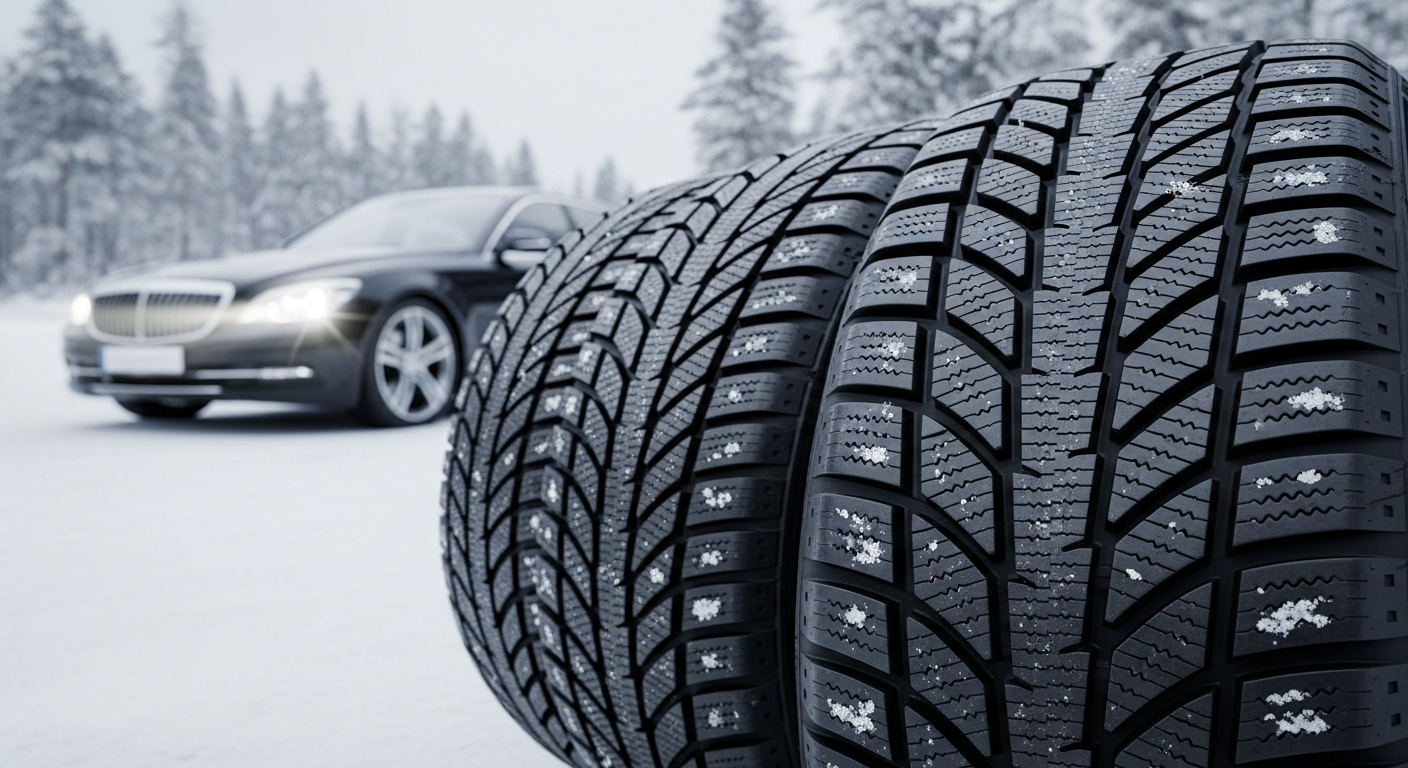
Sipes are the thin, almost invisible grooves carved into tire treads. They function as tiny cutting edges that bite into snow and ice, creating additional grip points. When a winter tire contacts a snowy surface, these sipes act like microscopic knives, cutting through the white layer to reach the friction beneath. Premium winter tires feature hundreds of precisely engineered sipes, strategically positioned to maximize their effect without compromising tire structural integrity.
The role of deeper tread patterns in water and slush displacement
Winter roads aren't always dry snow—they're often slushy, wet, and unpredictable. The deeper grooves in winter tire tread patterns serve a critical function: they channel water and slush away from the tire's contact patch. This prevents hydroplaning, a dangerous condition where a layer of liquid separates the tire from the road surface entirely. Deeper, more aggressive tread patterns in premium winter tires ensure that moisture is continuously displaced, maintaining direct contact between rubber and road.
Understanding Premium Winter Tire Specifications
Before making a purchase decision, you need to understand how tire specifications work and what they mean for your specific vehicle.
Tire size ranges available (15-inch to 20-inch diameters and beyond)
Winter tires come in numerous sizes to accommodate everything from compact economy cars to large SUVs and luxury vehicles. Size designations appear in a format like 205/55R16, which translates to: 205mm width, 55% aspect ratio (sidewall height relative to width), R for radial construction, and 16-inch wheel diameter. Dack Online DK stocks sizes ranging from 15-inch diameter tires up to 20-inch and beyond, ensuring you can find the exact specification your vehicle requires.
Decoding speed ratings (T, H, V, W) and what they mean for your driving
Speed ratings indicate the maximum speed a tire can safely sustain. T-rated tires handle speeds up to 190 km/h, H-rated up to 210 km/h, V-rated up to 240 km/h, and W-rated beyond 270 km/h. For most Danish winter driving, T or H ratings are sufficient. However, if you drive a performance vehicle or frequently travel on motorways in winter, a higher-rated tire ensures you maintain a safety margin during your commute.
Load index numbers and matching them to your vehicle's requirements
Load index numbers indicate how much weight a tire can support. This specification varies by vehicle—a compact sedan requires different load indices than an SUV. Your vehicle's owner's manual specifies the exact load index needed. Purchasing tires with the correct load index ensures optimal performance and safety; using tires rated for insufficient weight creates unnecessary risk.
Premium Winter Tire Brands and Price Range Analysis
The winter tire market offers options at multiple price points, each delivering specific value propositions.
Overview of leading premium winter tire manufacturers available at Dack Online DK
Dack Online DK partners with established tire manufacturers known for quality and reliability. These brands have invested heavily in winter tire research and development, resulting in products that consistently deliver the performance advantages that winter drivers depend on. The selection spans from well-known European brands to specialized tire manufacturers, all available through Dack Online DK's convenient online platform.
Price breakdown: budget versus mid-range versus ultra-premium options
Winter tires at the lower end of the spectrum (around 700 DKK per tire) deliver solid winter performance but may include fewer technological enhancements than premium options. Mid-range tires (1,000-1,500 DKK per tire) offer refined performance, improved noise reduction, and enhanced durability. Ultra-premium options (1,500-2,000+ DKK per tire) incorporate cutting-edge technology like advanced sipe designs, noise-cancelling properties, and extended tread life warranties. Your choice depends on your budget constraints and the driving demands you face.
Cost per tire range (700-2,000 DKK) and what drives price variations
Tire prices vary based on multiple factors: the manufacturer's reputation and research investment, tire size (larger tires cost more), specific technology features, and warranty offerings. A premium brand with decades of winter tire expertise commands higher prices than a newer manufacturer, but this typically reflects superior research and development. Similarly, larger tire sizes for SUVs and trucks naturally cost more than smaller sizes for compact vehicles. Compare winter tire options and pricing at Dack Online DK.
Installation, Storage, and Seasonal Maintenance Essentials
Purchasing premium winter tires represents only part of the equation; proper installation and off-season storage determine whether you fully realize the value of your investment.
Professional mounting and balancing services at Dack Online DK
Proper tire installation requires specialized equipment and expertise. When you mount tires yourself or visit an unprofessional installer, you risk improper balancing, which causes vibration, uneven wear, and reduced performance. Dack Online DK offers professional mounting and balancing services that ensure your winter tires are perfectly prepared for road conditions. Balanced tires wear more evenly, last longer, and provide the smooth ride quality that makes winter driving less fatiguing.
Proper tire storage techniques to extend lifespan between seasons
Winter tires that are properly stored between seasons retain their performance characteristics and structural integrity. Store tires in a cool, dry location away from direct sunlight and extreme temperature fluctuations. Keep them off the ground on a rack or shelf to prevent flat spotting. Storing tires under UV-protective covers further extends their lifespan. Proper storage practices mean your tires remain ready for performance season after season.
Pressure monitoring in cold weather (PSI changes in winter)
Tire pressure decreases as temperatures drop—approximately one PSI for every 5.5°C of temperature reduction. Winter driving requires regular pressure checks because underinflated tires reduce performance, increase fuel consumption, and accelerate wear. Check your tire pressure weekly during winter months and adjust to match the manufacturer's specification found on your vehicle's door jamb or in the owner's manual.
Real-World Performance: What Winter Tire Owners Experience
Understanding winter tire benefits isn't just about specifications and statistics; it's about the tangible improvements drivers notice every time they get behind the wheel.
Enhanced control and confidence during winter commutes
Drivers who switch from all-season to premium winter tires consistently report a dramatic improvement in their confidence when navigating winter conditions. The car feels more stable during acceleration on snow, braking feels more responsive on ice, and cornering doesn't produce the same anxiety-inducing drift. This enhanced control isn't psychological—it's the direct result of superior traction and grip generated by specialized winter tire construction.
Measurable improvements in acceleration and handling on snow
Winter tire users report noticeably faster acceleration from stops on snowy roads. The superior grip generated by pliable rubber compounds and aggressive tread patterns allows engines to transfer power to the road more effectively rather than spinning uselessly. Handling improvements are equally tangible: curves that would have required cautious speed on all-season tires become manageable at normal driving speeds with winter tires.
Reduced stress and anxiety when driving in challenging conditions
Perhaps the most underappreciated benefit of premium winter tires is the psychological impact. When you trust your tires to maintain traction, winter driving becomes less stressful. You can focus on the road rather than white-knuckling your steering wheel. Your shoulders don't stay tense throughout your commute. You arrive at your destination less fatigued. This reduction in stress during demanding driving conditions has measurable health benefits, particularly for those who drive long distances during winter months.
Making Your Decision: A Practical Buying Guide
The decision to invest in premium winter tires requires honest assessment of your driving patterns and conditions.
Assessing your driving patterns and winter weather exposure
Consider how much you drive during winter months and what conditions you encounter. Someone who works from home and rarely drives in snow might prioritize budget-friendly options, while a commuter facing daily winter driving should invest in premium performance. Examine your typical route: highway driving emphasizes different tire characteristics than urban stop-and-go traffic. Frequent long-distance winter travel justifies a higher budget.
Calculating the ROI of premium winter tires for your situation
While premium winter tires require upfront investment, the ROI becomes apparent when you consider accident prevention, fuel efficiency improvements, extended tire lifespan, and the invaluable benefit of arriving home safely. A single accident prevented through better winter traction justifies years of tire investments. Improved fuel efficiency during winter months recaptures a portion of your tire costs. Extended tire life from proper premium construction means fewer replacements over time.
Matching tire features to your specific vehicle type and needs
Your vehicle type influences which winter tire features matter most. SUV and truck owners benefit from winter tires with reinforced sidewalls to support increased vehicle weight. Luxury sedan drivers might prioritize noise-reduction technology. Performance car owners should focus on winter tires with high speed ratings that match their vehicle's capabilities. Match tire specifications to your vehicle's actual requirements rather than purchasing generic options.
Your Winter Safety Investment Starts Here
Premium winter car tires represent far more than a seasonal expense—they're a calculated investment in your safety, your family's security, and your peace of mind during Denmark's most challenging driving months. The engineering behind these tires is sophisticated, the performance advantages are measurable, and the peace of mind is priceless when you're navigating snow-covered highways or icy city streets.
Yes, the 700-2,000 DKK price range per tire requires thoughtful budgeting, and yes, the seasonal changeover involves planning and logistics. But when you're gripping an icy road with confidence instead of white-knuckling your steering wheel in fear, you'll understand why winter tires remain a best-selling category year after year.
Dack Online DK's extensive selection means you can find premium winter tires that match both your vehicle's specifications and your budget. Start by identifying your tire size and performance needs, examine the available options, and don't hesitate to reach out if you have questions about installation or storage. Shop premium winter tires at Dack Online DK now.