
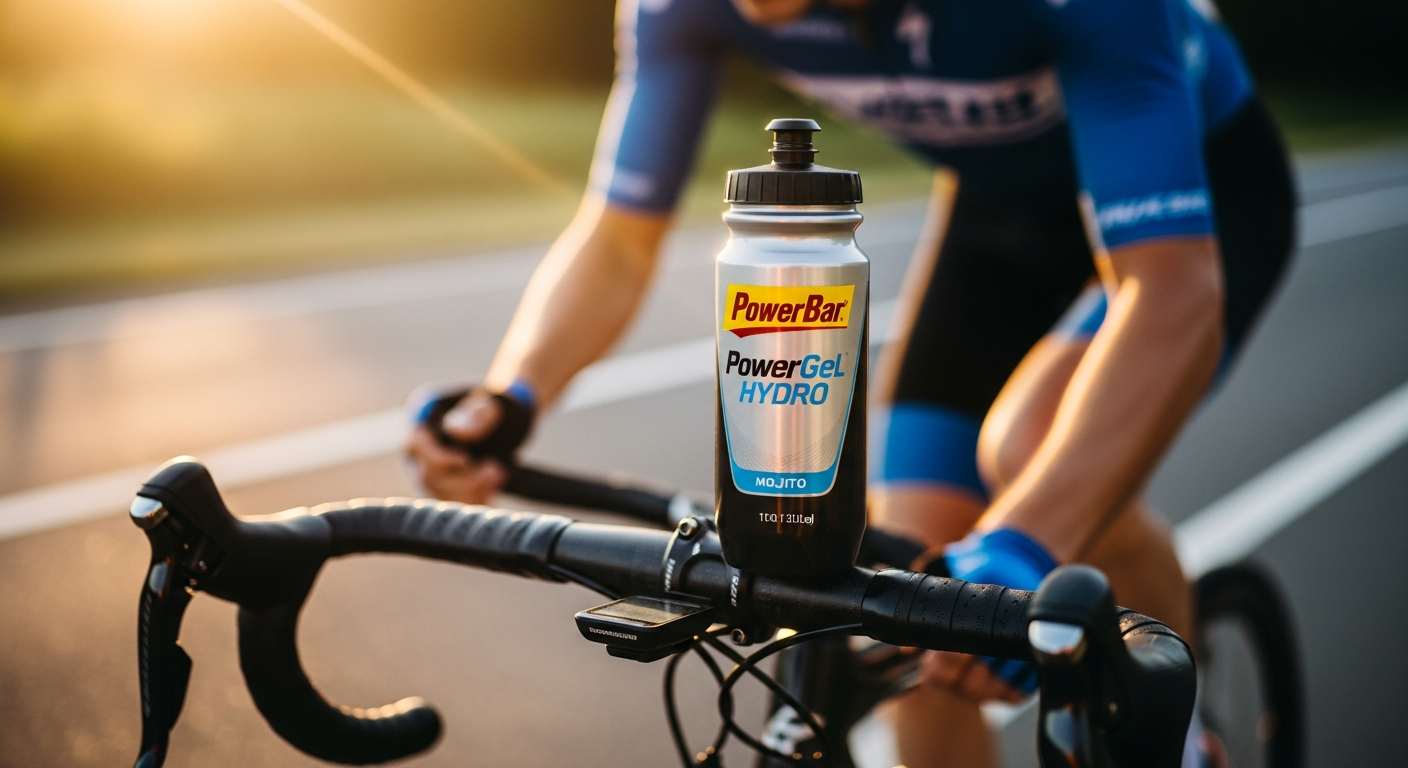
Discover why cyclists trust Powerbar PowerGel Hydro's liquid energy gel formula. Learn about C2MAX carbs, electrolyte content, flavors, and how it outperforms traditional gels for on-bike fueling.
I've watched countless cyclists fumble with thick, sticky gels while navigating technical descents—only to realize they forgot to pack water for the wash-down. Powerbar PowerGel Hydro changes that equation entirely. This liquid energy gel has become the go-to choice for serious cyclists in Europe and beyond, and the reason is simple: it actually goes down smoothly mid-ride.
Powerbar engineered the PowerGel Hydro specifically to address the biggest pain point cyclists face during long efforts—consuming fuel without needing extra fluids or dealing with stomach distress. The isotonic liquid formula, backed by the C2MAX dual-source carbohydrate system, delivers rapid energy while maintaining digestive comfort. It's been a game-changer for the endurance cycling community.
Discover how PowerGel Hydro can optimize your cycling performance today.
The Science Behind PowerGel Hydro's Liquid Formula
Isotonic Consistency Advantage: Reducing Digestive Stress
The liquid form of PowerGel Hydro stands apart from traditional thick gels that demand careful water management. This isotonic consistency matches your body's fluid balance, meaning the gel absorbs efficiently without pulling additional fluids from your system. Cyclists experience fewer stomach issues, cramping, and the uncomfortable sensation of dense fuel sitting heavily during intense efforts. You can consume PowerGel Hydro during a hard climb or sprint without the gastrointestinal distress that often accompanies thicker competitors.
C2MAX Dual Source Carb Mix Explained
Powerbar's C2MAX formula uses a carefully calibrated 2:1 ratio of glucose to fructose. This combination isn't arbitrary—it's grounded in sports nutrition science. Glucose and fructose use different absorption pathways in your intestines, which means they don't compete for the same transport mechanisms. The result: your body processes carbohydrates faster and more completely. During a 4-hour gravel ride or a punishing century, this efficiency translates directly to sustained energy availability when your legs need it most.
Rapid Energy Delivery Mechanics
The liquid format accelerates carbohydrate uptake compared to gel alternatives. Your digestive system doesn't need to break down a thick matrix—the nutrients are already in a form your body can absorb immediately. Each 67ml sachet contains 25-27 grams of carbohydrates and 100-109 calories, perfectly sized for the typical 60-90 minute fueling interval. The C2MAX system ensures your muscles receive this energy quickly, supporting sustained power output during extended cycling efforts.
Carbohydrate Content and Caloric Breakdown
The 25-27 grams of carbohydrates per sachet represents the sweet spot for endurance athletes. It's substantial enough to meaningfully impact performance without overwhelming your digestive capacity. The 100-109 calorie count fits neatly into most cycling nutrition plans, allowing you to calibrate total energy intake based on ride duration and intensity. Whether you're fueling a 2-hour tempo session or a multi-stage gravel adventure, PowerGel Hydro provides predictable, measurable nutrition.
Absorption Speed Comparison
Cyclists who've trained with both liquid and traditional gels notice the difference immediately. PowerGel Hydro delivers available energy faster because your body isn't expending digestive effort breaking down thick compounds. This speed advantage matters most during high-intensity intervals, steep climbs, or the final push toward the finish. Your fuel converts to functional power more quickly than with competitors, giving you a tangible edge when it counts.
Electrolyte Balance for Endurance Cycling
Sodium's Critical Role
Each PowerGel Hydro sachet contains approximately 200mg of sodium—a deliberately chosen amount that maintains your body's fluid balance during extended rides. Sodium does more than replace what you lose through sweat; it helps your body retain fluids and supports muscle function. On a 3-hour mountain bike race or a grinding gravel event in summer heat, this electrolyte management prevents the cascade of fatigue and cramping that derails many cyclists.
Sweat Replacement Benefits
Cyclists lose substantial sodium through perspiration, particularly during high-effort or hot-weather rides. Without electrolyte replacement, your blood sodium concentration drops, which impairs performance and increases cramping risk. PowerGel Hydro's sodium content directly counters this effect. You maintain better hydration status, preserve muscular function, and avoid the bonking sensation that comes with depleted electrolytes.
Isotonic Hydration Advantage
Because PowerGel Hydro matches your body's osmotic pressure, it doesn't trigger the urgent thirst response that some gels create. You can consume the gel and continue riding without immediately needing a chase of water. This advantage becomes particularly valuable during technical sections, gravel descents, or periods when water access is limited. The isotonic formula means efficient energy delivery without forcing you into awkward hydration stops.
Performance Impact and Sustained Power Output
The connection between electrolyte maintenance and cycling performance is direct. When your sodium levels remain balanced, your nervous system functions optimally, muscle contractions remain efficient, and mental focus stays sharp. Cyclists using PowerGel Hydro report fewer power fluctuations during the final hours of long rides—they maintain steadier wattage and avoid the dramatic fade that characterizes poor fueling strategies.
Dehydration Prevention
Multi-hour cycling events expose riders to serious dehydration risk, especially in warm conditions. PowerGel Hydro's electrolyte content works synergistically with your overall hydration strategy to maintain fluid balance across your entire ride. The sodium helps your body retain fluid rather than excreting excess water, extending your hydration window and supporting performance over the duration of your event.
Water-Independent Fueling
Traditional gels often create a dilemma: you need water to consume them comfortably, but stopping for water costs time and rhythm. PowerGel Hydro eliminates this friction. Its liquid consistency allows you to fuel without immediate water consumption, keeping you in the rhythm of your ride. This practical advantage compounds over hours of cycling, particularly during events where pack placement and water bottle access vary.
Start fueling smarter with PowerGel Hydro on your next ride.
Flavor Variety and Caffeine Options for Different Cycling Goals
Caffeinated Flavors for Performance Enhancement
PowerGel Hydro offers three caffeinated options: Cola with 100mg of caffeine, plus Mojito and Cherry variants with 50-72mg. The Cola flavor delivers the strongest caffeine hit, making it ideal for century rides where mental fatigue becomes as limiting as physical fatigue. The lighter caffeinated options suit gravel events or mountain bike races where sustained focus matters but you want to avoid peak caffeine levels that might cause jitters or sleep disruption. Timing your caffeinated gel around mile 80-100 of a century ride often provides the mental boost needed to push through inevitable low-energy periods.
Non-Caffeinated Alternatives
Not every training session calls for caffeine, and not every athlete tolerates it equally. PowerGel Hydro's non-caffeinated flavors allow you to separate your fueling strategy from stimulant consumption. Use non-caffeinated versions during base-building phases, early morning rides, or training sessions where caffeine might interfere with post-workout recovery. This flexibility means you can build a year-round fueling plan that matches your training phases and personal caffeine sensitivity.
Taste Preference Considerations
Flavor tolerance is deeply personal. Some cyclists love the Cola option's straightforward sweetness, while others find it cloying during intense efforts. Mojito appeals to riders who prefer refreshing, botanical notes—particularly valuable on hot-weather rides where fruity flavors can feel heavy. Cherry offers a middle ground: familiar fruit flavor without overwhelming sweetness. Your best approach: test multiple flavors during training to identify which ones genuinely appeal to your palate mid-ride, then build your event nutrition around those preferences.
Mental Boost Timing Strategies
Caffeine reaches peak effectiveness 30-45 minutes after consumption, making timing critical during long events. For a century ride, consider consuming a caffeinated gel around 70-80 miles, positioning the mental boost for the challenging final 20-30 miles. For gravel events typically lasting 4-8 hours, a caffeinated gel in the final third of your ride provides crucial support when fatigue deepens. Mountain bike races benefit from caffeinated gels during the toughest technical sections, where focus and reaction time matter most.
Flavor Rotation for Multi-Hour Efforts
Taste fatigue becomes real during 5-6 hour efforts. Consuming the same flavor repeatedly often leads to flavor aversion—suddenly that gel you loved tastes unbearable. Rotating between flavors prevents this burnout. A practical strategy: fuel every 75 minutes with alternating flavors. Your palate stays engaged, you avoid the psychological barrier of forcing down gels that now taste unappealing, and you maintain consistent fuel intake across your entire ride.
Caffeine Sensitivity Guidelines
Caffeine affects different athletes differently. Some cyclists thrive on 200mg total daily intake from all sources; others feel jittery at 50mg. Generally, 100mg of caffeine from a single gel is substantial—it's appropriate for riders with demonstrated caffeine tolerance and events lasting 6+ hours. The 50-72mg options suit those newer to caffeinated gels or athletes who already consume other caffeine sources. Importantly, PowerGel Hydro's caffeinated versions aren't recommended for children or pregnant/breastfeeding women due to caffeine content.
Practical Consumption Tips for Cyclists
Gel Consumption Technique
Consuming liquid gels while cycling requires a different approach than traditional thick gels. Tear the sachet corner with your teeth or fingers, then squeeze the gel directly into your mouth. The liquid consistency means it flows easily without the choking hazard of thicker alternatives. Take your time—you don't need to consume the entire sachet in one gulp. Many cyclists squeeze it in two or three portions, swallowing between each, which provides better digestive tolerance and reduces spillage risk.
Timing Intervals for Different Ride Distances
For rides under 90 minutes, you typically need just one gel. Rides lasting 90-180 minutes benefit from two gels spaced roughly 60-75 minutes apart. Century rides and multi-hour gravel events demand a gel every 60-90 minutes, beginning around mile 30-45. This conservative approach prevents the feast-or-famine fuel pattern that leads to bonking. Adjust timing based on your fitness level, ride intensity, and how your stomach responds—some cyclists fuel every 60 minutes, others comfortably extend to 90 minutes.
Gloved Handling and Sachet Management
Full-finger cycling gloves complicate gel consumption because dexterity suffers. Before your ride, slightly tear the sachet corner so you can finish opening it with teeth during the ride. Alternatively, pre-cut the corner slightly before starting—you'll have a head start that makes mid-ride opening manageable even with gloved hands. Always carry sachets in jersey pockets or frame bags where you can access them easily without stopping.
Temperature Considerations
Heat affects gel consistency. On extremely hot days, PowerGel Hydro becomes even more liquid—some cyclists find this pleasant because it flows more easily. On cold days, the gel thickens slightly but remains consumable. During winter rides, warming the sachet briefly in an inner jersey pocket before consumption can improve the experience. Most cyclists adapt quickly to temperature variations, but awareness helps you adjust consumption technique if needed.
Hydration Pairing Strategy
PowerGel Hydro's isotonic formula minimizes water dependency, but supplementary fluids still matter. For rides under 2 hours in cool conditions, you might fuel entirely with gels and minimal water. For extended rides or hot-weather cycling, alternate gel consumption with small water sips every 30 minutes. This balanced approach maintains hydration without overwhelming your stomach. The key: don't force large water volumes immediately after gel consumption—small, frequent sips work better.
Digestive Comfort Optimization
Your digestive system has limits. Consuming PowerGel Hydro too frequently or in rapid succession can overwhelm even the most robust stomach. Space gels appropriately: wait at least 45-60 minutes between consecutive fueling. If you experience stomach distress, extend the interval to 90 minutes. Your body's tolerance may also improve with consistent training—athletes who regularly practice race-nutrition strategies develop better digestive adaptation than those who gel sporadically. Train your gut with the same intentionality you train your legs.
The Bottom Line: Why Cyclists Choose PowerGel Hydro
Powerbar PowerGel Hydro solves a problem that countless cyclists face on long rides: how to fuel effectively without sacrificing digestive comfort or carrying extra water. The liquid isotonic formula, powered by the C2MAX dual-source carbohydrate system, delivers rapid energy when you need it most. Add in the 200mg of sodium for electrolyte balance, multiple flavor options including caffeinated varieties, and innovative eco-conscious packaging—and you've got a product that earns its premium price point.
For cyclists tackling century rides, multi-day gravel adventures, or competitive events, PowerGel Hydro represents a strategic investment in sustained performance. The science is solid, the athlete testimonials are compelling, and the practical benefits during long efforts are undeniable. Whether you're grinding up alpine passes or navigating technical descents, knowing you can fuel smoothly without stomach upset changes everything.
If you've struggled with thicker gels or constantly run out of water mid-ride, PowerGel Hydro deserves a place in your nutrition strategy. Test a few flavors during your next training block and discover why this liquid energy gel has become the trusted choice for serious cyclists across Europe and beyond.
Get your PowerGel Hydro supply and elevate your cycling fuel strategy now.