
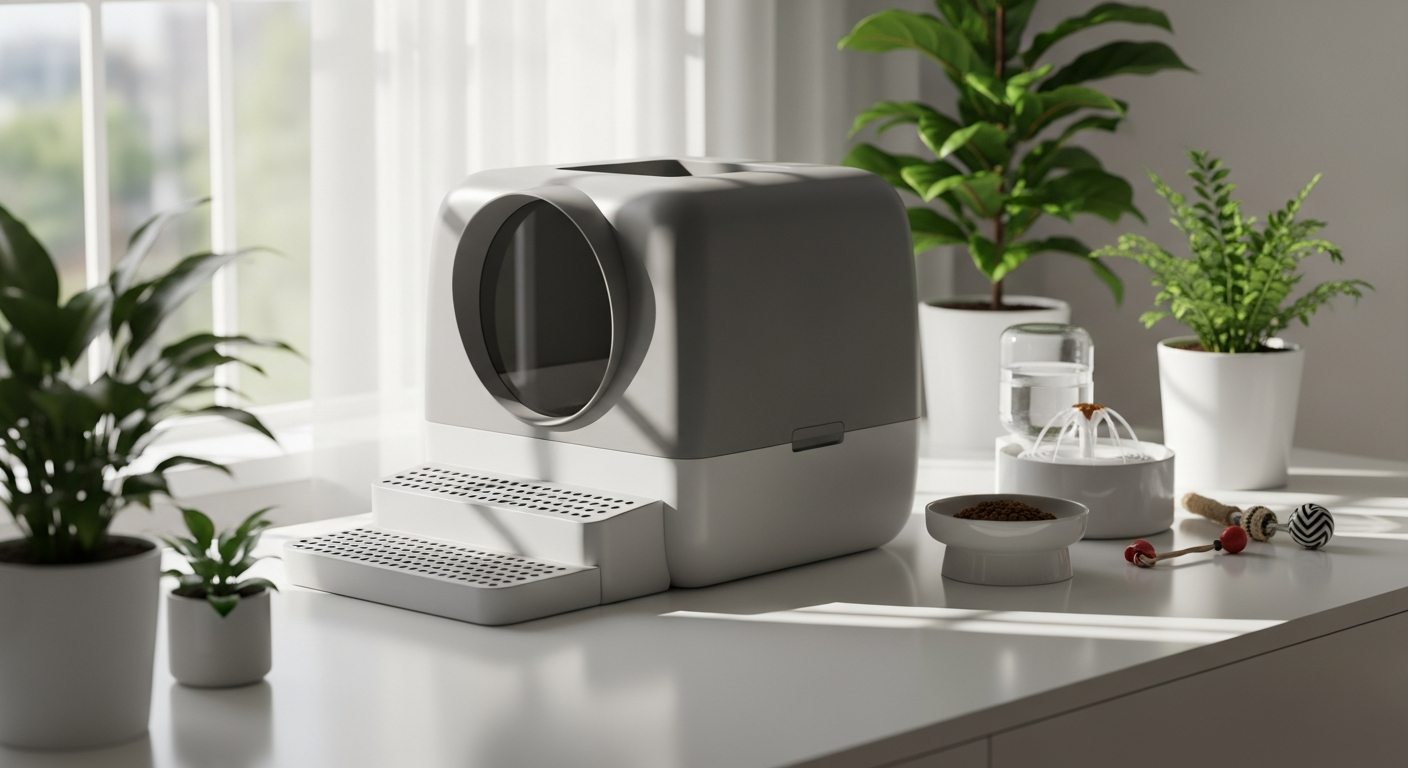
Discover how the PetPivot Automatic Self-Cleaning Litter Box reduces daily scooping, controls odors, and keeps your home fresh. Read our comprehensive guide to features, pricing, and real user experiences.
Keeping a traditional litter box clean can be one of the less glamorous parts of living with a cat. Scooping every day, controlling odors, and keeping litter from spreading around the house all take time.
An automatic litter box can reduce some of that routine work, which is where the PetPivot self-cleaning litter box comes in.
Whether you’re considering a PetPivot litter box or already have one at home, this guide will help you get more from your automatic litter box while keeping your cat comfortable.
What Is a PetPivot Self-Cleaning Litter Box?
A PetPivot self-cleaning litter box is designed to automate one of the most repetitive parts of cat care: removing waste from the litter bed.
Instead of requiring you to scoop the box manually after every use, a self-cleaning system separates waste from clean litter and moves the waste into a designated collection area. The exact cleaning process and available features can vary by PetPivot model.
The main idea is simple: less daily scooping and a cleaner litter area between manual cleanings.
For cat owners with busy schedules or households where litter-box maintenance feels never-ending, that convenience can be appealing.
How Does a PetPivot Self-Cleaning Litter Box Work?
Most self-cleaning litter boxes follow a similar basic process.
After a cat uses the litter box and leaves, the unit initiates a cleaning cycle. During that cycle, the system separates clumped waste from reusable litter. The waste is then deposited into a collection compartment or waste bin.
Clean litter remains available for the cat’s next visit.
Because designs differ, always follow the instructions supplied with your specific PetPivot model for operating procedures, litter requirements, cleaning cycles, and safety guidance.
Benefits of a PetPivot Automatic Litter Box
1. Less Daily Scooping
The biggest attraction is convenience.
Traditional litter boxes generally need frequent scooping to stay pleasant for both cats and humans. A self-cleaning litter box handles much of the routine waste removal automatically.
You still need to empty the waste compartment and periodically deep-clean the unit, but the amount of hands-on scooping may be substantially reduced.
2. Better Day-to-Day Odor Management
Cat waste smells become more noticeable when they remain exposed.
By moving waste away from the main litter area after use, an automatic litter box may help keep odors more contained. Results will still depend on factors such as:
- Litter type
- Number of cats
- Waste-bin capacity
- Cleaning frequency
- Room ventilation
- Your cat’s habits
Automatic cleaning doesn’t eliminate the need to empty and wash the unit.
3. A Cleaner Litter Bed
Many cats prefer a relatively clean place to eliminate.
Since waste is regularly removed from the litter bed, a self-cleaning box can provide a fresher surface throughout the day than a conventional litter box that is only scooped once or twice daily.
4. Convenient for Busy Cat Owners
Work, travel, family responsibilities, and everyday life can make litter-box chores easy to postpone.
Automation provides an extra layer of convenience by taking care of routine waste separation between your manual maintenance sessions.
5. Less Contact With Cat Waste
A self-cleaning system can reduce how often you need to handle a litter scoop and interact directly with soiled litter.
You will still need to empty the waste compartment and clean the machine, so good hygiene remains important.
Is a PetPivot Self-Cleaning Litter Box Right for Your Cat?
Automatic litter boxes can be convenient, but they aren’t automatically the best choice for every cat.
Consider your cat’s size, age, mobility, temperament, and litter preferences before switching.
Cat Size
Your cat needs enough room to enter, turn around, position itself comfortably, and exit without difficulty.
Check the dimensions and weight recommendations for the specific PetPivot model you’re considering rather than relying solely on the overall exterior size.
Age
Follow the manufacturer’s minimum age and weight requirements.
Very young kittens may not be suitable for an automatic litter box, particularly if the unit’s safety system depends on detecting a minimum amount of weight.
Mobility
Senior cats and cats with limited mobility may prefer litter boxes with low, easily accessible entrances.
Look carefully at entrance height and internal space when deciding whether an automatic model will be comfortable for your cat.
Temperament
Some cats investigate a new appliance immediately. Others treat anything that moves or makes an unfamiliar sound as highly suspicious technology.
A gradual introduction is usually better than forcing a hesitant cat to switch overnight.
How to Introduce Your Cat to a PetPivot Litter Box
Changing litter boxes too quickly can create unnecessary resistance.
Step 1: Keep the Old Litter Box Available
Place the new PetPivot litter box near your cat’s existing box if possible.
Don’t immediately remove the old one.
Your cat should have a familiar alternative while investigating the new setup.
Step 2: Add Familiar Litter
If compatible with your PetPivot model, using the type of litter your cat already recognizes can make the transition easier.
You may also be able to add a small amount of clean or appropriately familiar litter from the previous setup to give the new box a recognizable scent.
Always stay within the manufacturer’s litter requirements.
Step 3: Let Your Cat Investigate
Allow your cat to approach, sniff, enter, and leave the litter box voluntarily.
Avoid placing or holding a frightened cat inside the unit.
Step 4: Introduce Automatic Operation Carefully
If your model allows automatic cleaning to be temporarily disabled, consider letting a nervous cat become comfortable with the physical box before introducing movement and cleaning sounds.
Follow the PetPivot instructions for your particular unit.
Step 5: Remove the Old Box Gradually
Once your cat is reliably using the new litter box, you can consider removing the conventional box.
Multi-cat households may need a longer transition period.
What Type of Litter Should You Use?
Litter compatibility matters with self-cleaning litter boxes.
Automatic systems need litter that works correctly with their waste-separation mechanism. Using an incompatible litter can potentially reduce cleaning performance or create unnecessary mess.
Before buying litter, check your specific PetPivot model’s instructions.
Consider factors such as:
- Clumping performance
- Grain size
- Dust levels
- Tracking
- Odor control
- Manufacturer compatibility
Avoid assuming that every litter advertised for cats will work properly in every automatic litter box.
How Much Litter Should You Add?
More litter isn’t necessarily better.
Automatic litter boxes are engineered to operate with a particular amount or depth of litter. Overfilling can interfere with cleaning, while too little litter may lead to poor clumping or waste sticking to the litter bed.
Look for the recommended fill line or quantity specified for your PetPivot model.
Check the litter level regularly and replenish it when necessary.
How to Clean a PetPivot Self-Cleaning Litter Box
“Self-cleaning” does not mean “never clean.”
The automatic mechanism handles routine waste removal, but the litter box still needs regular maintenance.
Empty the Waste Compartment
Check the waste drawer or collection compartment regularly and empty it before it becomes excessively full.
How often this is necessary depends largely on the number of cats using the box and their individual habits.
Wipe Dirty Surfaces
Litter dust and residue can accumulate on surfaces over time.
Use cleaning methods and products permitted by the manufacturer’s instructions. Avoid soaking electrical or mechanical components unless the documentation specifically says those parts are washable.
Deep-Clean the Unit
Periodically, remove old litter and clean the appropriate removable components.
Make sure washable parts are completely dry before reassembling the litter box and adding fresh litter.
Check Moving Components
Loose litter, fur, and debris can sometimes accumulate around moving areas.
Regular inspection helps you notice buildup before it interferes with normal operation.
How Often Should You Clean an Automatic Litter Box?
There’s no perfect schedule for every household.
A home with one cat will generally have different maintenance requirements from a home with several cats.
A practical routine is to:
- Check the waste compartment frequently.
- Top up compatible litter as needed.
- Wipe visible messes when you notice them.
- Inspect the unit regularly for stuck litter or debris.
- Perform deeper cleaning according to the manufacturer’s recommendations.
Common PetPivot Litter Box Problems and What to Check
If your self-cleaning litter box isn’t behaving as expected, start with simple troubleshooting.
The Cleaning Cycle Isn’t Starting
Check whether the unit has power and is correctly assembled.
Also inspect the litter box for obstructions and review the operating instructions for your particular model.
Never bypass safety mechanisms to force a cleaning cycle.
Waste Isn’t Separating Properly
The litter itself may be worth checking.
Using too much litter, too little litter, or an incompatible variety may affect waste separation.
Litter Is Sticking to the Interior
Sticking can sometimes occur when clumps haven’t formed properly or when the litter doesn’t perform well with the automatic system.
Review litter compatibility and keep interior surfaces clean according to PetPivot’s instructions.
Your Cat Won’t Use the Box
Give your cat time.
Keep the previous litter box available during the transition and ensure the new unit is placed somewhere quiet and accessible.
Also consider whether your cat dislikes the litter, entrance design, location, movement, or noise.
If a cat suddenly stops using its litter box or shows unusual elimination behavior, don’t automatically assume the machine is responsible. Changes in litter-box habits can sometimes warrant veterinary attention.
Where Should You Put a Self-Cleaning Litter Box?
Placement matters more than many owners realize.
Choose an area that is:
- Easy for your cat to access
- Relatively quiet
- Well ventilated
- On a stable, level surface
- Away from excessive moisture
- Near an appropriate power source when required
Avoid locations where your cat could feel trapped or frequently startled.
A sophisticated automatic litter box won’t help much if your cat doesn’t feel comfortable approaching it.
PetPivot Self-Cleaning Litter Box vs. Traditional Litter Box
The biggest difference is the amount of routine intervention required.
| Feature | PetPivot Self-Cleaning Litter Box | Traditional Litter Box |
|---|---|---|
| Waste removal | Automated | Manual scooping |
| Daily effort | Generally lower | Generally higher |
| Upfront cost | Typically higher | Typically lower |
| Mechanical parts | Yes | Usually no |
| Power requirements | Model-dependent | Usually none |
| Periodic deep cleaning | Required | Required |
| Cat adjustment | May require transition | Usually straightforward |
A traditional box wins on simplicity and initial cost.
A self-cleaning box wins primarily on convenience.
The better option depends on your cat, household, budget, and willingness to maintain an automated device.
Tips for Getting Better Results From Your PetPivot Litter Box
A few habits can make automatic litter-box ownership easier:
- Follow the fill line. Avoid adding excessive litter.
- Use compatible litter. The wrong litter can undermine cleaning performance.
- Empty the waste bin regularly. Automation doesn’t make waste disappear.
- Keep sensors and moving areas clean. Follow the manufacturer’s cleaning instructions.
- Place the unit on a stable surface. Proper positioning can matter for operation.
- Watch your cat’s behavior. Make sure your cat remains comfortable using the box.
- Don’t skip deep cleaning. Automatic waste removal is only one part of litter-box hygiene.
- Keep the manual handy. Model-specific instructions should take priority over general advice.
Frequently Asked Questions
Is the PetPivot litter box completely self-cleaning?
A self-cleaning litter box automates routine waste removal, but owners still need to perform maintenance. This includes emptying the waste compartment, replenishing litter, wiping dirty surfaces, and periodically deep-cleaning appropriate components.
Can multiple cats use a PetPivot self-cleaning litter box?
This depends on the specifications of the particular model and the cats using it. Multi-cat households should check the manufacturer’s recommendations for capacity, cat size, and usage.
Even with an automatic litter box, some cats prefer having access to multiple litter-box locations.
Can kittens use a PetPivot automatic litter box?
Do not assume an automatic litter box is suitable for a young kitten. Check the minimum age and weight requirements for your specific model and follow them carefully.
Does a PetPivot litter box eliminate odors?
No litter box can guarantee a completely odor-free home.
Automatic waste removal may help control odors by separating waste from the primary litter area, but litter quality, maintenance, waste-bin cleaning, ventilation, and the number of cats all influence odor levels.
Do you still have to scoop a self-cleaning litter box?
Routine manual scooping is one of the chores an automatic litter box is designed to reduce. You will still need to empty collected waste and maintain the unit.
How often should you empty the PetPivot waste bin?
There isn’t one universal schedule. It depends on your model, waste-bin capacity, and how many cats use the litter box.
Check the compartment regularly rather than waiting until it is overfilled.
What litter works best with a PetPivot litter box?
Use a litter type that meets the requirements listed for your specific PetPivot model. Compatibility is more important than choosing litter based purely on brand or marketing claims.
Why is my cat afraid of an automatic litter box?
The unfamiliar shape, sound, movement, smell, or location can make some cats cautious.
Introduce the box gradually and allow your cat to investigate it without pressure. If possible within the manufacturer’s operating instructions, avoid surprising a nervous cat with an automatic cleaning cycle during the early transition period.
Is a PetPivot Self-Cleaning Litter Box Worth It?
Its biggest advantage is convenience—not the elimination of litter-box care altogether.
Owners still need to replenish litter, empty collected waste, clean the unit, and make sure their cats are comfortable using it.
Choosing compatible litter and following the instructions for your exact PetPivot model are also important for reliable operation.
For the right household, however, switching from a traditional litter box to an automatic system can make one of the most repetitive cat-care chores significantly easier.
Ultimately, the best litter box is the one that combines safe operation, manageable maintenance, and a setup your cat will consistently use.