
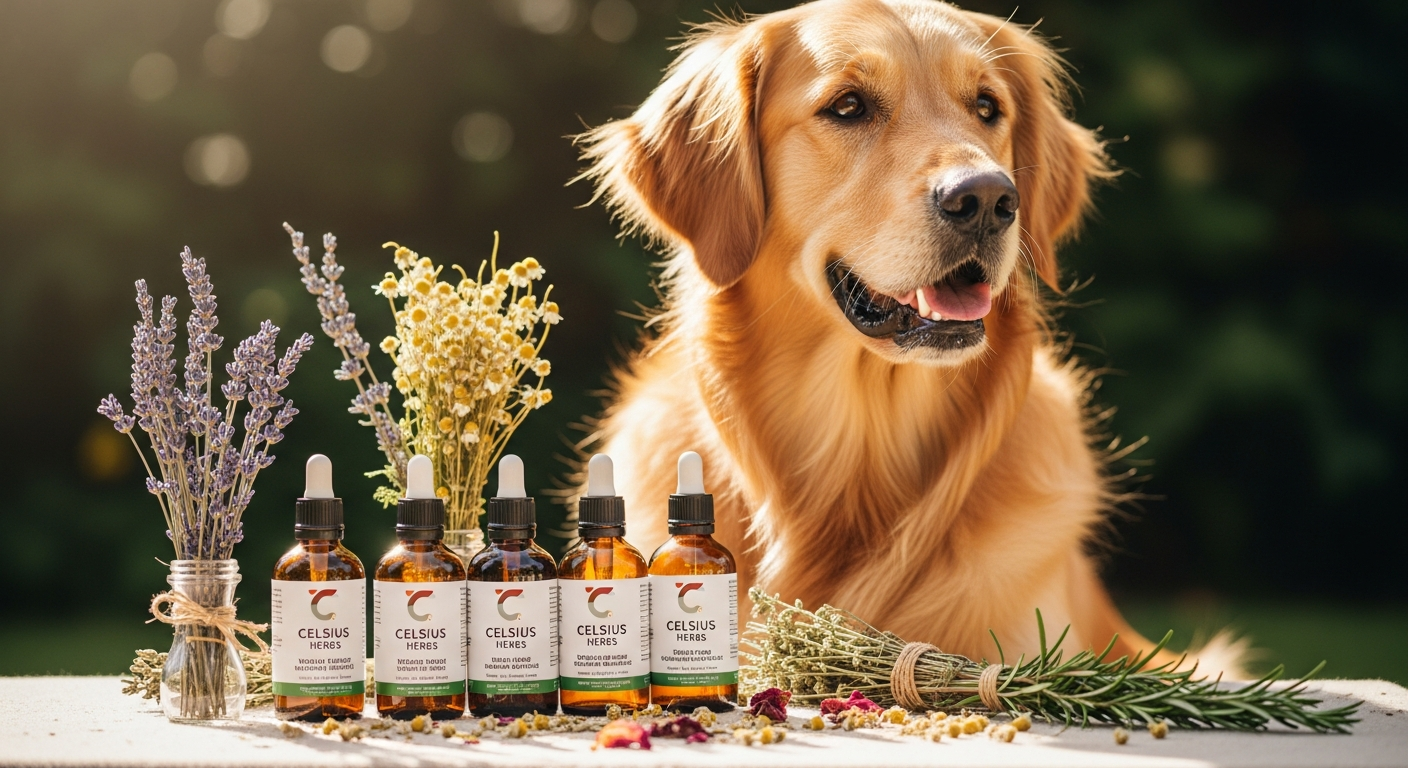
Discover how PetGlow Turmeric Dog Ear Cleaner prevents recurring ear infections in dogs using organic botanicals. Learn the best application techniques for long-term ear health and comfort.
Ear infections affect roughly one in five dogs at some point, and for many, these problems return repeatedly—creating cycles of discomfort, veterinary bills, and frustration. The ear canal remains one of the body's most vulnerable areas, constantly exposed to moisture, bacteria, yeast, and debris that accumulate faster than owners often realize. When left unaddressed, these conditions spiral into chronic infections that damage tissue and trigger painful inflammation.
Celsius Herbs developed PetGlow Turmeric Dog Ear Cleaner to fill a critical gap in preventative pet care. Rather than waiting for infections to take hold, this solution empowers you to maintain healthy ears through consistent, science-backed maintenance. Discover how PetGlow's natural formula can transform your dog's ear health today.
This guide examines why dogs develop ear problems, reveals why plant-based solutions outperform harsh chemicals, and provides a practical roadmap for establishing an effective prevention strategy. You'll understand which breeds face the highest risk, learn the warning signs that demand professional care, and gain confidence in maintaining your dog's ears long-term without endless antibiotic cycles.
Why Dogs Develop Recurring Ear Infections
Common causes of chronic ear issues: moisture retention, allergies, breed predisposition, and bacterial/yeast overgrowth
Chronic ear infections rarely develop from a single cause. Instead, multiple factors converge to create an environment where microbes thrive. Moisture trapped in the ear canal provides the perfect breeding ground for bacteria and yeast. Allergies—whether food-related or environmental—trigger inflammation that weakens the ear's natural defenses. Breed predisposition plays a significant role, as certain dogs inherit structural features that make infection more likely. When these factors combine, bacterial and yeast populations explode rapidly.
How floppy ears trap debris and create ideal environments for microbial colonization
Floppy-eared breeds face particular challenges. Their ear structure reduces air circulation, allowing moisture and debris to accumulate in the canal. This creates a dark, warm, humid environment—essentially a five-star resort for bacteria and yeast. The longer debris remains trapped, the more microbes proliferate, eventually overwhelming the ear's natural cleaning mechanisms.
The role of inflammation in creating a cycle of reinfection
Once inflammation begins, the body's natural defense systems become compromised. Swollen tissues reduce blood flow, limiting the immune system's ability to fight off infection. This creates a vicious cycle: infection causes inflammation, inflammation impairs healing, and impaired healing allows persistent infection. Breaking this cycle requires consistent antimicrobial action combined with soothing, anti-inflammatory support.
Seasonal factors and environmental triggers that worsen ear conditions
Summer humidity and water exposure dramatically increase ear infection risk. Dogs that swim regularly or live in damp climates face elevated vulnerability. Even seasonal allergies can trigger ear problems, as histamine response increases inflammation and creates conditions favoring microbial growth.
Connection between diet, immune function, and ear health susceptibility
A dog's nutritional status directly impacts ear health. Poor diet weakens immune response, making dogs more susceptible to infection. Conversely, dogs receiving balanced nutrition with appropriate omega fatty acids demonstrate stronger natural resistance to ear problems. Supporting immune function through proper nutrition creates a foundation for ear health.
Why standard antibiotics may not prevent future infections
Antibiotics address active infections but don't rebuild the ear's natural defenses or prevent recurrence. With repeated antibiotic use, bacteria develop resistance, making future infections harder to treat. Preventative care using natural antimicrobials maintains a healthy microbial balance without promoting resistance.
The Advantage of Plant-Based Prevention Over Conventional Treatments
How USDA certified organic ingredients deliver antimicrobial benefits without harsh side effects
Plant-based formulas work differently than synthetic chemicals. Rather than aggressively killing all microbes indiscriminately, natural ingredients promote balance. USDA certified organic components are free from synthetic pesticides and toxins, making them genuinely safe for long-term use around sensitive ear tissue. This approach maintains ear health without disrupting the body's natural protective mechanisms.
Turmeric's scientifically-backed anti-inflammatory and antioxidant properties
Turmeric contains curcumin, a compound extensively studied for its anti-inflammatory effects. Research demonstrates turmeric's ability to reduce swelling, calm irritated tissues, and combat oxidative stress. In ear applications, turmeric directly addresses inflammation—the root cause perpetuating infection cycles. Unlike steroids, turmeric strengthens the body's natural healing capacity.
Lavender's calming effects on irritated ear tissue and its natural antimicrobial action
Lavender serves dual purposes: it soothes inflamed tissue while simultaneously inhibiting bacterial and yeast growth. The essential compounds in lavender provide antimicrobial action without the harsh side effects of alcohol or synthetic preservatives. Dogs respond to lavender's calming properties, often reducing stress-related ear scratching.
Soapberries' gentle cleansing ability without stripping natural ear oils
Unlike harsh soaps and detergents, soapberries provide gentle cleansing that removes debris and wax buildup while preserving the ear's natural protective oils. These oils form a crucial barrier against microbial invasion. Maintaining this balance prevents the over-drying that makes ears vulnerable to secondary infections.
Aloe vera's soothing properties and role in tissue repair
Aloe vera accelerates tissue repair through its polysaccharide compounds, which stimulate skin cells and reduce inflammation. Applied to irritated ear tissue, aloe promotes faster healing from existing damage while soothing discomfort. This support for cellular regeneration distinguishes natural approaches from purely antimicrobial treatments.
Why alcohol-free formulations protect the ear's delicate microbiome
The ear canal hosts beneficial bacteria essential for protection against harmful microbes. Alcohol-based cleaners destroy this protective microbiome indiscriminately, leaving ears vulnerable to secondary infections. Alcohol-free formulations eliminate pathogens while preserving beneficial microorganisms—an important distinction for long-term ear health.
Comparison: natural solutions vs. antibiotic resistance concerns
Antibiotic resistance represents a growing threat in both human and veterinary medicine. Overuse selects for resistant strains, eventually rendering medications ineffective. Natural antimicrobials work through multiple mechanisms simultaneously, making resistance development far less likely. Plant-based prevention builds sustainable ear health rather than creating temporary fixes with future complications.
Building Your Dog's Preventative Ear Care Routine
Establishing a consistent cleaning schedule based on breed and ear type
Your dog's cleaning frequency depends on anatomy and risk factors. Dogs with upright ears might need weekly cleaning, while floppy-eared breeds may require twice-weekly maintenance. Dogs prone to allergies or those living in humid climates benefit from increased frequency. Start with weekly cleaning and adjust based on your dog's response.
How weekly maintenance prevents buildup before infections develop
Weekly cleaning removes debris and moisture before they accumulate enough to support microbial growth. This consistent approach maintains a clean ear canal, preventing the conditions that trigger infection. Most dogs develop noticeably healthier ears within two to three weeks of regular cleaning.
Step-by-step application technique for maximum effectiveness
Begin by gently filling the ear canal with the solution—approximately half the ear's capacity. This ensures the cleaner reaches deep into the canal where problems originate. Insert the applicator carefully, avoiding excessive depth. Follow with a gentle massage of the ear base to distribute the solution thoroughly.
The 56-second antimicrobial action window and what happens during this period
PetGlow's formula eliminates microbes in less than 56 seconds through multiple antimicrobial mechanisms working simultaneously. During this window, the plant-based ingredients penetrate microbial cell walls, disrupt their function, and kill active pathogens. Understanding this rapid action window helps you appreciate the formula's efficiency.
Proper ear massage technique to distribute solution and improve circulation
After application, massage the ear base gently for 30 seconds using circular motions. This distributes the cleaner throughout the canal while stimulating blood flow—crucial for healing. The massage also feels calming to most dogs, transforming ear cleaning from a dreaded task into something they anticipate.
Drying protocols to prevent moisture-related complications
After cleaning, allow excess solution to drain naturally. Gently wipe the outer ear with a soft cloth, avoiding deep penetration. Proper drying prevents moisture from remaining in the canal, which could support renewed microbial growth. In humid environments, some owners use a soft, lint-free cloth for additional drying.
Signs that your routine is working: reduced odor, less scratching, cleaner appearance
Effective prevention produces obvious improvements. Ear odor diminishes significantly within one to two weeks. Scratching frequency drops noticeably. The ear canal appears progressively cleaner, with less visible wax and debris. These signs indicate your routine is working and infections are being prevented.
Identifying High-Risk Breeds and When Prevention Becomes Essential
Dog breeds most susceptible to chronic ear infections (spaniels, retrievers, hounds, etc.)
Certain breeds face inherently higher infection risk. Spaniels, retrievers, hounds, and basset hounds top the list due to their floppy ears and ear canal structure. Poodles and their mixes, despite having hair in their ears, also show elevated susceptibility. Understanding your breed's risk level informs your prevention strategy.
Why ear shape and size determine preventative care frequency
Dogs with longer, droopier ears need more frequent cleaning because their anatomy naturally traps moisture. Conversely, dogs with upright ears benefit from less intensive routines. The surface area and shape of the ear canal itself affects debris accumulation rates. Matching your cleaning frequency to ear anatomy prevents both under- and over-treatment.
Dogs with allergies: the connection between food sensitivities and ear health
Allergic dogs face compounded ear infection risk. Food sensitivities trigger systemic inflammation, which manifests in the ear canal as swelling and immune dysfunction. These dogs benefit from intensive preventative care combined with addressing underlying allergies. Nutritional adjustments often complement ear cleaning in allergic dogs.
Age-related factors: puppies vs. senior dogs and their ear health needs
Puppies develop healthy ear habits when parents establish cleaning routines early, preventing problems before they start. Senior dogs may develop increased susceptibility due to declining immune function and accumulating inflammation. Both life stages benefit from consistent care, though approaches may differ slightly.
Environmental risk factors for dogs in humid or damp climates
Dogs living in humid climates face constant environmental pressure toward ear problems. Moisture in the air actively promotes microbial growth. These dogs require year-round preventative care, not just seasonal intervention. Environmental factors sometimes matter more than genetics in determining infection frequency.
Swimming and water exposure: special preventative considerations
Dogs that swim regularly need heightened ear care protocols. Water entering the canal creates ideal conditions for infection. Post-swimming ear cleaning becomes essential, not optional. Swimmers benefit from preventative application before water exposure and cleaning immediately afterward.
When to escalate from maintenance to therapeutic application
If your dog shows signs of active infection despite prevention—increased discharge, strong odor, visible inflammation—increase cleaning frequency and consider therapeutic application. This doesn't mean abandoning prevention; rather, it means providing more intensive support during acute phases. Once infection clears, return to maintenance schedules.
Real-World Application: From Problem Ears to Healthy Maintenance
Case scenarios: dogs transitioning from chronic infection cycles to preventative care
Many dogs arrive at preventative care after years of recurring infections. A spaniel repeatedly treated with antibiotics shows dramatic improvement within three weeks of consistent PetGlow application. A retriever that spent summers miserable from water-related infections becomes comfortable after establishing a post-swim cleaning routine. These transitions demonstrate prevention's transformative potential.
Timeline expectations: how long before you notice improvement
Most dogs show obvious improvement within two to three weeks of consistent weekly cleaning. Stubborn cases may require four to six weeks. The most obvious early sign is reduced odor—this often improves within days. Behavioral changes like reduced scratching typically appear within two weeks.
Combining PetGlow with veterinary treatment during active infections
If your dog currently has an active infection, PetGlow complements rather than replaces veterinary treatment. Use prescribed medications as directed while establishing cleaning routines with PetGlow. This combined approach addresses the infection while building toward successful long-term prevention. Once veterinary treatment concludes, PetGlow maintains the progress.
Maintaining results long-term without dependency on prescription medications
Dogs successfully transitioned to preventative care rarely need repeated antibiotic courses. Consistent cleaning maintains ear health naturally, eliminating the medication dependency cycle. Some dogs that required antibiotics every few months become infection-free for years under prevention protocols.
Cost-benefit analysis: preventative care savings vs. veterinary infection treatments
Veterinary visits for ear infections cost $75–$200 per appointment, often requiring multiple visits. Prescription medications add $30–$100 per course. A dog experiencing chronic infections might accumulate $500–$1000+ annually in treatment costs. Preventative care using PetGlow costs under $20 monthly, preventing those expenses while improving quality of life.
Customer experiences: breeds and situations where prevention proved transformative
Golden retriever owners report their dogs transforming from miserable, constantly scratching animals to comfortable, happy companions. Poodle mix owners eliminate the perpetual odor that plagued their homes. Basset hound parents finally experience summers without emergency vet visits. These transformations stem from commitment to consistent prevention.
Troubleshooting: adjusting frequency and technique for individual dog responses
Not all dogs respond identically to standard protocols. Some require twice-weekly cleaning while others thrive on biweekly schedules. Technique adjustments—varying massage pressure or application amounts—accommodate individual preferences. Observing your dog's response and adjusting accordingly ensures optimal results.
Warning Signs That Preventative Care Alone Isn't Enough
Persistent discharge, severe odor, or visible inflammation despite regular cleaning
If your dog continues showing these signs after three weeks of consistent prevention, professional evaluation is necessary. Persistent symptoms indicate either infection beyond prevention's scope or underlying conditions requiring treatment. Professional diagnosis clarifies whether escalation is needed.
When your dog requires veterinary evaluation alongside home care
Veterinary examination becomes essential when prevention isn't producing expected improvement. Your veterinarian can identify bacterial strains, yeast species, or underlying conditions like mites that demand specific treatment. Professional diagnosis prevents months of ineffective home care.
Red flags that indicate bacterial or yeast infection requiring professional treatment
Thick, discolored discharge (yellow, green, or brown) signals bacterial infection. White, cottage-cheese-like discharge indicates yeast overgrowth. Strong, persistent odor despite cleaning suggests active infection. These signs warrant professional culture and sensitivity testing to identify the specific organism.
Behavioral changes: excessive head shaking, ear flapping, or signs of pain
Dogs in ear pain display obvious behavioral changes—constant head shaking, flapping ears, whining when ears are touched. These signs indicate discomfort beyond simple itching. Pain-related behaviors demand immediate veterinary attention to prevent further tissue damage.
Skin conditions and systemic issues that contribute to ear problems
Some dogs suffer from dermatological conditions affecting ear health—mange, seborrhea, or autoimmune disorders. Others have systemic issues like thyroid dysfunction that impair immune function. These underlying conditions require specific treatment beyond prevention. Your veterinarian identifies these possibilities through examination.
The importance of annual ear checks even when prevention is working
Even successfully prevented ears benefit from annual professional examination. Your veterinarian detects early changes before problems develop. This proactive approach catches emerging issues immediately. Annual checks represent an inexpensive insurance policy against future problems.
How to communicate effectively with your veterinarian about your prevention strategy
Share your prevention routine and results with your veterinarian. Describe frequency, products used, and observed improvements. This information helps your veterinarian understand whether prevention is sufficient or if adjustments are needed. Effective communication ensures you're partnering with professionals toward your dog's best ear health.
Your Dog's Ear Health Transformation Starts Now
Preventing chronic ear infections beats treating them every single time. You're not just managing symptoms when you embrace consistent preventative care—you're building genuine, lasting ear resilience. The combination of USDA certified organic ingredients, proven antimicrobial action, and a straightforward maintenance routine gives your dog the best possible chance at comfortable, infection-free ears.
Your commitment today yields real rewards: fewer veterinary visits, less discomfort for your companion, and genuine peace of mind knowing you're protecting their health proactively. Start by honestly assessing your dog's ear type and individual risk factors. Establish a sustainable cleaning schedule that fits your routine. Watch as those troublesome ear problems fade into the past.
The transformation begins with a single application. Start your dog's ear health journey with PetGlow Turmeric Dog Ear Cleaner today.