
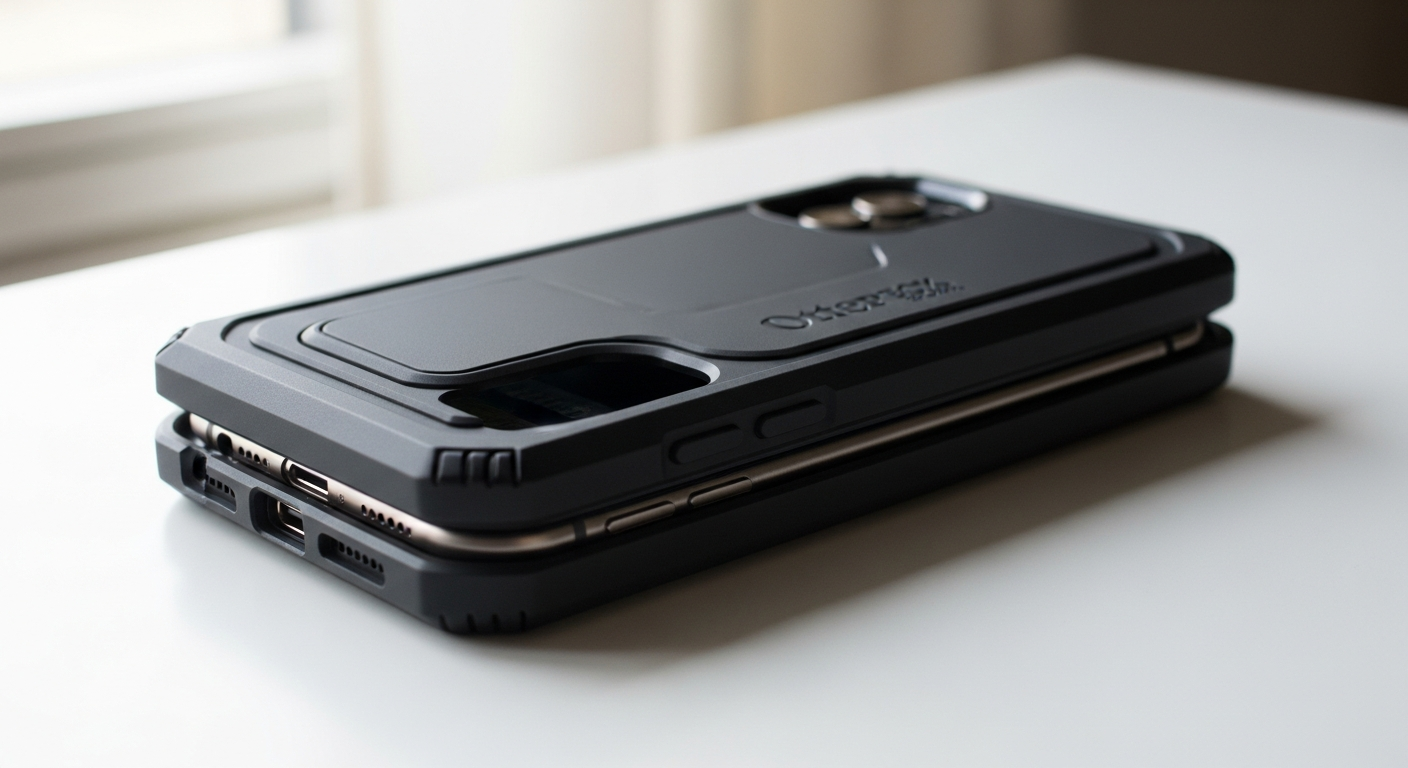
Discover whether the OtterBox Defender Series phone case delivers on its promise of military-grade protection for active users. Compare durability, bulk, warranty coverage, and real-world performance in this comprehensive guide.
Your phone just slipped from your hands and tumbled down a flight of concrete stairs. Your heart sinks—but then you remember you're using an OtterBox Defender Series case. Devices protected by this rugged case system experience up to 99% fewer damage claims than unprotected phones, and that's not just marketing speak—it's backed by military-grade drop-test standards that would make most cases crumble under pressure.
The OtterBox Defender Series has dominated the Australian protective case market for years, earning its reputation as the gold standard for smartphone safeguarding. With multi-layered construction, military-tested durability (MIL-STD-810G), and port covers that keep dust at bay, this case series addresses a real problem: the anxiety of carrying an expensive device in unpredictable environments. Whether you're hiking, working on construction sites, or simply navigating the chaos of daily life, the Defender Series promises peace of mind—but that protection comes with a price, both literally and in terms of bulk.
In this guide, I'll examine whether the Defender Series truly justifies its premium positioning. You'll discover the engineering behind its legendary protection, unpack the real-world trade-offs that Australian users experience, evaluate the warranty landscape and durability concerns, and determine whether this investment aligns with your lifestyle and device protection priorities. Explore the OtterBox Defender Series options available now.
What Sets the OtterBox Defender Series Apart: Engineering for Extreme Durability
The Defender Series achieves its reputation through deliberate engineering choices that prioritize impact absorption and comprehensive device protection. The case employs multi-layered construction—typically three or four protective layers working in concert—each serving a specific function in the overall defense system.
At the core sits a solid polycarbonate inner shell that completely encases your device, providing rigid structural support and preventing the phone or tablet from shifting within the case during impacts. Surrounding this protective frame is a soft synthetic rubber outer slipcover engineered specifically to absorb shock energy from drops and collisions. This dual-layer approach means the case handles impact through a combination of rigid support and flexible energy absorption—when your device takes a hit, the rubber compresses and dissipates that force before it ever reaches your phone.
The integrated screen protector represents another critical protection layer, guarding the most vulnerable component of modern devices against scratches, cracks, and direct contact with surfaces during falls. This isn't a separate film you apply; it's built into the case design itself, ensuring consistent coverage and durability.
Built-in port covers seal charging jacks, headphone ports, and speaker openings against dust and debris. For Australian users working in construction, outdoor environments, or sandy conditions, this feature prevents the gradual accumulation of particles that can compromise device functionality over time.
The entire system meets or exceeds military drop-test certification (MIL-STD-810G), a standard that far exceeds typical consumer protection benchmarks. This certification comes from actual testing—dropping the cased device from specified heights onto hard surfaces—rather than theoretical calculations. The Defender Pro variant adds a holster attachment that functions as both a carrying solution and media kickstand, with an additional protective layer providing even greater shock absorption and, in some models, water resistance capabilities.
Enhanced grip texture runs along the case's exterior, preventing accidental slips during active use—a thoughtful detail that reduces the likelihood of drops occurring in the first place.
Comparing Protection Levels: Standard Defender vs. Defender Pro
Standard Defender Series Protection
The standard Defender configuration offers three-layer protection focused squarely on impact resistance and dust prevention. This version delivers the core promise of the series without additional features, making it the entry point for users prioritizing straightforward, no-frills protection. The three-layer approach combines the polycarbonate shell, rubber slipcover, and integrated screen protector into a proven protection formula that has earned the Defender Series its market dominance.
Defender Pro: Enhanced Protection and Functionality
The Defender Pro upgrade introduces a fourth protective layer alongside integrated holster and kickstand functionality. This enhanced variant includes additional reinforcement around corners and edges—the vulnerable areas most prone to damage during drops—and premium material selection designed for extended durability across multiple years of heavy use.
The integrated holster doubles as a viewing stand for hands-free media consumption, adding practical functionality to the protection system. On Pro models, water resistance capabilities provide an additional safeguard against accidental liquid exposure, though neither standard nor Pro versions achieve full waterproofing. The price differential between standard and Pro versions typically ranges from AUD $20 to $40 depending on your device model.
Matching the Right Version to Your Needs
Standard Defender models suit users facing routine impact risks and dust exposure. Defender Pro becomes the logical choice for professionals in genuinely demanding environments—construction sites, heavy machinery areas, or extended outdoor work where enhanced corner reinforcement and water resistance offer meaningful advantages. For casual smartphone users or office-based professionals, standard protection typically provides more than sufficient safeguarding.
The Bulk Factor: Weighing Protection Against Pocket Practicality
Extreme protection demands physical space, and the Defender Series makes no apologies for its substantial profile. The case typically adds 10-15mm of additional depth to your device, transforming a slim, pocket-friendly phone into a noticeably thicker object. This thickness affects far more than just how your device fits in your pocket—it influences the entire tactile experience of owning your phone.
One-handed usability diminishes as bulk increases. What felt natural on a slim device suddenly requires a deliberate grip and adjustment in your hand position. For users with smaller hands or limited dexferity, the thickness presents genuine accessibility challenges that extend beyond mere inconvenience.
Weight increases alongside thickness. The multi-layered construction adds 50-100 grams depending on your device size, which you'll notice immediately when switching from unprotected devices or thinner protective solutions. That weight sits in your pocket, affects your gait when carrying multiple items, and creates noticeable strain over extended periods.
The device aesthetics suffer dramatically. That beautiful industrial design you admired and paid premium prices for simply disappears beneath layers of black rubber. For users who value aesthetic appeal and the tactile pleasure of a well-designed device, this represents a significant compromise.
Adaptation takes time. Users switching from thinner protective solutions report a 1-2 week adjustment period where the bulk feels genuinely uncomfortable. Most adapt, though some never fully overcome the trade-off between protection and everyday convenience. The case transforms your phone from a sleek personal device into utilitarian protective equipment.
Compare this experience across different device sizes. A Defender Series case on a 6.1-inch phone creates substantial bulk; on a larger tablet, the proportional increase feels less dramatic. Smaller phones, conversely, suffer more noticeably from the added thickness relative to their overall dimensions.
Real-World Durability Concerns: What Australian Users Actually Experience
The Defender Series promises extreme durability, yet Australian user reports reveal a more complicated reality regarding long-term case longevity. The rubber outer layer—engineered to absorb impact—exhibits stretching and deterioration patterns over 12-24 months of regular use. This stretching manifests as a gradually loosening fit, reduced shock absorption, and a deteriorating aesthetic appearance as the rubber loses its original texture and begins showing signs of wear.
Button responsiveness degrades noticeably over time. The thick protective layers surrounding controls require deliberate, forceful presses to activate, and many users report this responsiveness worsens further as the rubber layer softens and compresses with extended use. What felt manageable initially becomes frustrating after months of constant use.
Potential wear patterns emerge on the synthetic rubber slipcover, particularly in high-friction areas where the case contacts pockets, bags, or hands repeatedly. Color fading and discoloration on the rubber exterior occur gradually, transforming vibrant black cases into dull, weathered-looking protective shells.
Port covers—engineered to maintain dust protection—sometimes fail to remain fully sealed long-term. Users report covers becoming difficult to secure or developing gaps that defeat their intended purpose. The screen protector integrated into the case occasionally lifts at edges over time, creating tiny gaps where dust can accumulate behind the protective layer.
The synthetic rubber material itself changes character with environmental exposure and age. Heat, UV exposure, and moisture all contribute to faster deterioration than many users anticipate. A case that feels premium and robust after initial purchase may become visibly degraded 18-24 months later, particularly for users in hot Australian climates with significant sun exposure.
Realistic longevity expectations require honest acknowledgment: many Australian users experience meaningful case degradation within 2-3 years, contradicting the durability promises that justify the premium price tag. Check current Defender Series availability and customer reviews for your device model.
Warranty Coverage and Protection: Understanding Australian Terms and Limitations
OtterBox provides a standard 1-year limited warranty in Australia—notably shorter than many competitors and shorter than warranties offered in other markets. This limited timeframe means coverage expires precisely when user reports suggest durability issues commonly emerge.
The warranty explicitly excludes "wear and tear," a frustratingly broad category that encompasses rubber layer deterioration, button degradation, and other longevity issues Australian users frequently experience. This exclusion essentially means warranty protection evaporates the moment your case shows signs of the degradation patterns you're most likely to encounter. The distinction between "manufacturing defects" and "wear and tear" often becomes a gray area, and OtterBox's interpretation tends to favor denying coverage rather than honoring it.
Warranty claims require proof of purchase and specific documentation, with the process varying across different Australian retailers. Some provide straightforward claim procedures; others introduce friction that discourages legitimate claims. Accidental damage coverage remains limited—the warranty protects against manufacturing defects, not accidental damage to the case itself.
Retailer-specific variations complicate the warranty landscape further. Different Australian distributors sometimes offer slightly different coverage terms, and some retailers bundle extended warranty options at additional cost. Evaluating these extended warranties requires cost-benefit analysis—an extra AUD $15-30 might seem reasonable until you face "wear and tear" exclusions that technically apply regardless of warranty tier.
Comparison with competitor case manufacturers reveals that many offer longer initial warranty periods (18-24 months) and more inclusive coverage definitions. OtterBox's Australian warranty positioning represents one of the weaker offerings in the premium protective case market.
Is the Premium Price Tag Justified? Cost-Benefit Analysis for Different User Types
The Defender Series occupies the premium protective case segment at AUD $60-$100+ depending on device model and retailer. This positioning represents 2-3 times the cost of standard protective cases and significantly exceeds mid-range alternatives offering respectable protection at lower price points.
For construction workers and outdoor professionals facing genuine high-impact risk environments, the premium makes sense. These users can quantify the value: a single device replacement (often AUD $1,500+ for flagship models) far exceeds case costs. Avoiding that scenario becomes rational economic decision-making rather than excessive caution.
Users with expensive flagship smartphones (worth AUD $1,500 or higher) should perform straightforward cost-benefit mathematics. If your device replacement would create genuine financial hardship, investing AUD $80-100 in proven protection becomes mathematically sensible. The total cost of ownership calculation shifts favorably: case cost plus avoided device repair dwarfs the case price alone.
For office workers, desk-based professionals, and generally low-impact users, the premium positioning becomes harder to justify. These users face minimal damage risk, making ultra-rugged protection feel like insurance against scenarios that will likely never occur. Standard protective cases costing AUD $20-30 provide adequate protection for predictable environments.
Casual smartphone users—those using devices primarily at desks, in offices, and during low-impact daily activities—might find mid-range alternatives (Spigen Tough Armor or similar offerings) providing 85-90% of Defender protection at 40-50% of the cost. The bulk reduction alone might justify the trade-off for this user segment.
ROI analysis requires honest assessment of your actual risk profile. High-risk users see obvious return; low-risk users effectively pay premium prices for protection they'll never need. The Defender Series represents a bet that catastrophic device damage will occur—and that bet only makes financial sense if you genuinely believe that outcome is probable.
Who Should Choose the Defender Series: Matching the Case to Your Lifestyle
The Defender Series suits specific lifestyles and use cases where extreme protection delivers genuine value. Active outdoor enthusiasts and adventure sports participants—hikers, climbers, mountain bikers, and similar users—face legitimate device drop risks in unforgiving environments. For these users, the bulk becomes invisible when they're confident their device will survive a fall from a backpack or direct impact with rocks.
Construction workers and trade professionals in demanding environments encounter the exact conditions Defender Series cases were engineered to handle. Dusty jobsites, impacts from tools and equipment, exposure to harsh conditions, and the genuine probability of dropping phones onto concrete or aggregate surfaces all justify the investment. For these users, the case becomes part of their professional toolkit rather than an optional accessory.
Parents seeking maximum protection for children's devices find obvious value in Defender Series cases. Children drop phones constantly; Defender protection dramatically reduces replacement frequency and associated costs. The durability and sealed ports also provide some protection against the liquids and debris that inevitably accumulate around young users.
Travelers and commuters navigating high-impact urban environments encounter regular drop risks and occasional rough handling. Airport security, crowded public transport, and the general chaos of travel create conditions where Defender protection carries measurable value.
Individuals with expensive flagship smartphones and documented histories of accidental drops represent another clear use case. If you've had previous devices damaged by drops, you understand your actual risk profile—and the Defender Series addresses that known vulnerability directly.
Remote workers and field technicians in rugged conditions face genuine device stress that justifies premium protection spending. These users depend on devices functioning reliably in non-office environments where protection matters.
Unsuitable scenarios emerge equally clearly. Desk workers with minimal drop risk don't need military-grade protection. Fashion-conscious users who prioritize aesthetic appeal will struggle with the bulk and utilitarian appearance. Individuals with limited pocket space or those carrying multiple devices will find Defender bulk unmanageable. Users who value slim profiles and minimal additional thickness should consider alternatives offering better form factor compromise.
Maintenance and Long-Term Care: Extending Your Defender Series Case Lifespan
Protecting your protective case becomes essential for maintaining the Defender Series functionality throughout its intended lifespan. Regular cleaning protocols prevent dirt accumulation under the rubber slipcover—the worst enemy of case longevity. Monthly cleaning using mild soap and warm water removes accumulated grime that accelerates rubber degradation.
Port cover inspection should occur monthly. Verify covers remain fully secured and that no gaps have developed. Early detection prevents dust from accumulating inside sealed ports, preserving long-term device protection. Adjust or reseat covers as necessary to maintain their sealing function.
Screen protector care involves regular inspection for scratches or damage. If protective coating develops visible scratches, replacement prevents further deterioration. While OtterBox doesn't offer separate screen protector replacement kits easily, keeping this component in good condition directly impacts overall protection value.
Addressing rubber layer stretching requires proper storage and handling practices. Avoid leaving the cased device in hot environments or direct sunlight for extended periods—heat accelerates rubber degradation. Store unprotected cases in cool, dry locations rather than in vehicles or outdoor spaces where temperature fluctuations and UV exposure occur.
Environmental factors significantly affect case longevity. Hot Australian climates accelerate rubber deterioration compared to cooler climates. UV exposure from constant sun exposure fades and weakens synthetic rubber materials. Moisture exposure—from sweat, pool use, or humid environments—compromises material integrity. Minimize unnecessary exposure to these conditions when possible.
Cleaning product selection matters. Avoid harsh chemicals, strong detergents, or abrasive scrubbing that damages rubber surfaces. Mild soap, white vinegar solutions, or specialized phone case cleaners provide effective results without material degradation. Test any cleaning solution on inconspicuous areas first.
Storage best practices when not actively using your device involve placing the case in a cool, dry location away from direct sunlight and extreme temperatures. Remove the device from the case periodically to allow rubber to rest and recover shape.
Signs that replacement becomes necessary include significant rubber stretching (more than 2-3mm gap between case and device), port covers that no longer seal properly, severe button degradation making device control difficult, or visible cracking in the polycarbonate shell. Minor surface wear and cosmetic discoloration don't indicate replacement necessity—functional degradation does.
Alternatives and Competitors: How Defender Series Stacks Up Against Other Options
Spigen Tough Armor
Spigen's Tough Armor series offers similar protection philosophy at substantially lower cost (typically AUD $25-35). Dual-layer construction provides respectable impact resistance and shock absorption. Screen protection and dust prevention aren't integrated, requiring separate solutions. For users not requiring military-grade certification, Tough Armor provides 75-85% of Defender protection at roughly one-third the cost. The slimmer profile represents a meaningful advantage for pocket practicality.
OtterBox Symmetry Series
OtterBox's own Symmetry series targets users prioritizing aesthetics and portability over extreme protection. Single-layer polycarbonate construction provides basic protection against drops and scratches without the bulk of Defender Series. The slimmer profile maintains device aesthetics and pocket-friendliness while sacrificing the military-grade durability and environmental sealing that justify Defender's premium positioning.
Lifeproof FRE Series
Lifeproof FRE cases offer the advantage of full waterproofing (up to IP68 ratings in many models), addressing a protective dimension the Defender Series doesn't match. Bulk and weight approach Defender Series levels, making protection-to-bulk ratios comparable. Pricing sits in a similar premium range (AUD $70-100+), and waterproofing capability matters significantly for beach users, swimmers, or those working near water. For dry-environment users, FRE's waterproofing feature becomes unused functionality.
Casetify Impact Cases
Casetify combines drop protection comparable to Defender Series with significantly more aesthetic appeal. Slim profile and attractive designs appeal to fashion-conscious users willing to maintain the case themselves for appearance preservation. Pricing competes directly with Defender Series (AUD $60-90), and durability reports suggest comparable real-world longevity. The trade-off centers on aesthetics versus pure functionality—Casetify prioritizes both, while Defender prioritizes protection exclusively.
Samsung Official Cases
Official Samsung cases offer brand integration and seamless design alignment without adding significant bulk. Protection levels remain basic, focusing on scratch prevention and minor drop protection. For Galaxy users, the appeal of original equipment manufacturer support and device integration competes against limited protective capability. These cases suit office environments but lack Defender's environmental sealing and impact resistance.
Budget Rugged Cases
Generic rugged cases from budget manufacturers offer similar multi-layered construction at 50-70% cost reduction compared to Defender Series. Durability and material quality vary dramatically across budget alternatives; some provide respectable protection, while others deteriorate rapidly. Military-grade certification typically doesn't apply, and warranty support remains minimal. For extremely budget-conscious users, certain budget options provide acceptable protection at significantly lower cost, accepting quality and longevity risks.
Protection-to-Bulk Comparison
The Defender Series offers excellent protection-to-bulk ratio among ultra-protective cases—comparable competitors typically match or exceed bulk while offering less consistent protection. Slim-profile alternatives reduce bulk substantially but sacrifice 20-40% of protection capability. No current competitor combines Defender Series protection levels with significantly reduced bulk; this remains the practical trade-off throughout the protective case market.
Making Your Decision: Defender Series Protection Meets Real-World Demands
The OtterBox Defender Series represents a genuine commitment to extreme protection—and that promise delivers. Military-grade drop testing, multi-layered construction, and sealed port covers combine to create a case system that genuinely reduces device damage risk in demanding environments. For construction workers, outdoor enthusiasts, and anyone whose smartphone represents a significant financial investment, this protection carries tangible value.
Yet the trade-offs demand honest acknowledgment. The bulk is real. Button responsiveness suffers. Australian warranty terms include frustrating wear-and-tear exclusions that may leave you unprotected when the rubber layer starts stretching—and user reports suggest this happens sooner than many expect. The premium price tag (AUD $60-$100+) sits well above budget alternatives, and you're essentially betting that avoided device damage will justify that investment.
Here's my honest assessment: if your lifestyle genuinely demands extreme protection—if you work in high-impact environments, spend weekends hiking and climbing, or simply cannot afford to replace a damaged flagship device—the Defender Series remains the most reliable choice available in Australia. The bulk becomes invisible when you're confident your device will survive what you throw at it. But if you're primarily desk-bound, value slim profiles, or prioritize warranty peace of mind, a mid-range protective case might serve you better.
Next steps matter. Assess your actual device risk exposure honestly rather than letting anxiety drive purchasing decisions. Check current pricing across Australian retailers—costs vary significantly by device model, and some retailers offer better value than others. Read recent user reviews specific to your device to understand real-world durability patterns from users with your exact phone. And if you proceed with purchase, budget for eventual case replacement and maintain those port covers diligently. The Defender Series protects your device—but only if you protect the case itself. Start your OtterBox Defender Series research today and find the right protection for your device.