
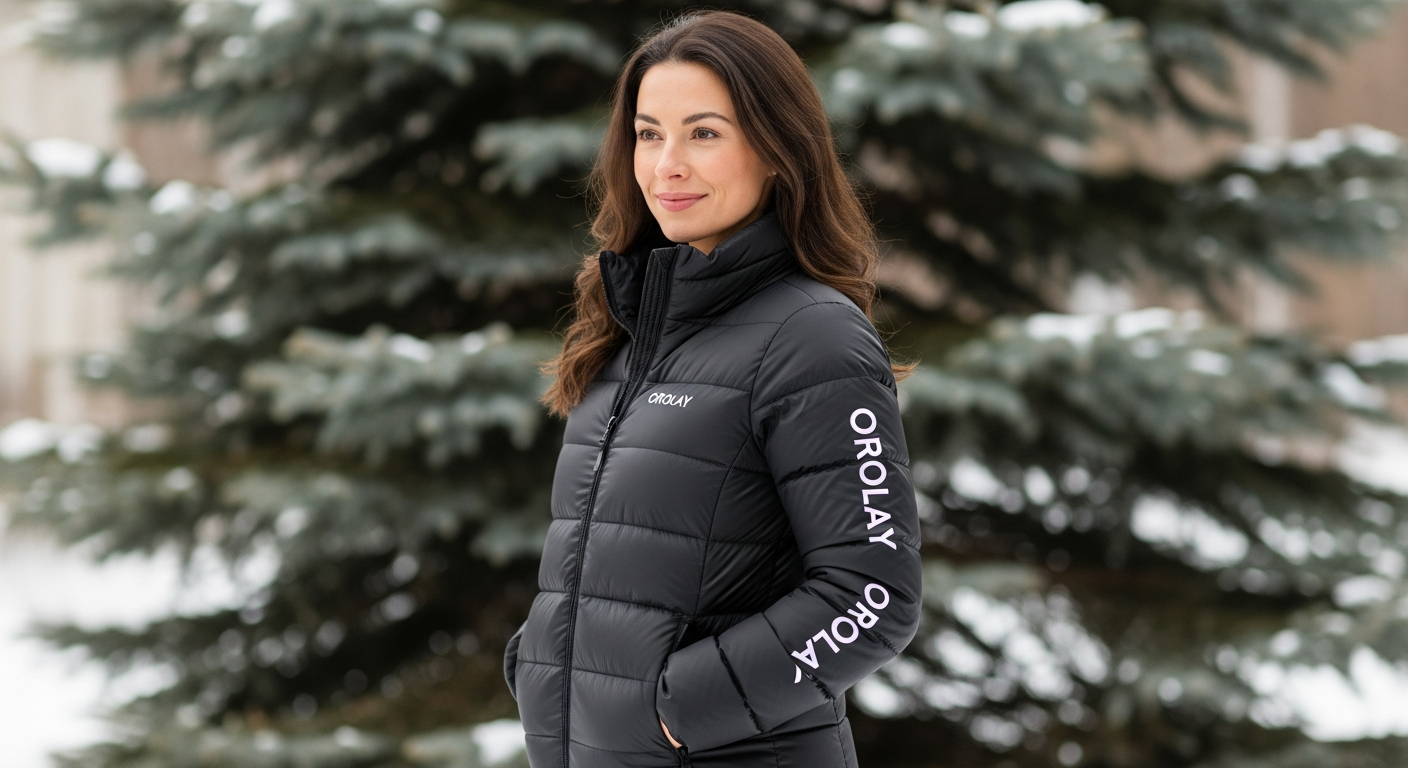
Discover whether the viral Orolay Women’s Thickened Down Jacket lives up to its Amazon coat reputation. Read our honest breakdown of performance, fit, and value for extreme cold weather.
A viral sensation with over 50,000 five-star reviews, the Orolay Women's Thickened Down Jacket has captured the attention of shoppers worldwide. This affordable puffer coat has transformed from a simple Amazon listing into a cultural phenomenon, endorsed by influencers and Oprah herself. Yet viral status doesn't automatically guarantee the right choice for your winter wardrobe.
The truth about this jacket requires honest examination. I've analyzed extensive user feedback, scrutinized performance claims in harsh conditions, and separated genuine praise from marketing momentum. The Orolay coat delivers real warmth and distinctive style, but understanding its actual strengths and limitations matters before you make the purchase.
Material Science Behind the Viral Design
Shell Construction and Polyester Density
The jacket's 100% polyester shell represents a deliberate engineering choice. This outer layer boasts 60% higher density than standard puffer jackets found on the market. Higher density means tighter weaving that blocks wind more effectively while maintaining breathability. The polyester doesn't just sit on the surface—it creates a protective barrier that prevents cold air from penetrating the insulation layers beneath. This construction philosophy extends the jacket's practical lifespan by resisting tears and maintaining structural integrity through multiple seasons.
Down Fill and Feather Composition
The insulation blend combines 90% RDS-certified down with 10% duck feather. This ratio matters because pure down alone lacks structure and can shift uncomfortably, while feathers provide stability and loft maintenance. The RDS certification indicates responsible sourcing from farms meeting strict animal welfare standards. The down fill creates thousands of tiny air pockets that trap body heat without adding excessive weight, while the feather component prevents clumping that reduces insulation effectiveness over time.
Weight Distribution and Insulation Efficiency
Real warmth emerges from how these materials work together. The denser polyester shell prevents heat loss through convection, while the down-feather blend stops heat transfer through conduction. Users report feeling wrapped in warmth comparable to wearing a down comforter—that specific sensation comes from the material composition distributing your body heat evenly rather than concentrating it in clusters. The jacket's ability to maintain insulation in extreme cold stems directly from this engineered balance.
Comparison to Competitor Materials
Coats costing two to three times more often use similar material ratios. The primary difference lies in construction details and brand markup rather than fundamental performance. A $400 designer puffer might feature slightly superior zipper mechanics or premium branding, but the actual warmth delivery mirrors what Orolay achieves at $100-$200. This cost efficiency explains much of the viral appeal—shoppers recognize genuine value when materials and construction justify the price.
Temperature Testing: Does It Really Handle 20°F?
Real-World Performance Data
Users in genuine arctic conditions provide the most reliable feedback. Verified reviews from people in Minnesota, Canada, and Alaska consistently report the jacket maintaining warmth at 20°F and below. However, performance varies based on layering choices and wind conditions. The jacket performs best as part of a complete system rather than as a standalone solution in extreme conditions.
Layering Strategies for Maximum Warmth
Pairing the Orolay with thermal base layers and fleece mid-layers creates a genuine cold-weather system. Merino wool or synthetic base layers wick moisture away from skin, while fleece adds insulation without bulk. The jacket's generous fit accommodates these layers without restricting movement. Users report that proper layering extends the jacket's effective temperature range significantly beyond what wearing it alone achieves.
Temperature Comfort Zones
At 20°F with moderate wind and appropriate layering, the jacket keeps users comfortable during casual outdoor activities. At 0°F, wind chill becomes the limiting factor rather than the jacket's insulation. Below 0°F, performance depends heavily on activity level—static exposure requires supplementary protection, while movement generates sufficient body heat for reasonable comfort. The jacket excels as a winter commuting solution and casual outdoor wear, though it's less suitable for extended exposure in extreme cold.
Wind Chill Factor
Wind resistance depends primarily on the dense polyester shell's effectiveness. Calm, dry cold at 15°F feels less challenging than windy 25°F conditions. The jacket's design addresses this through its sealed construction and protective silhouette, though the exposed neck area (due to the zipper limitation) becomes vulnerable in high winds. Users commonly address this by wearing scarves or neck gaiters.
Moisture Management
Down fill typically loses insulation when wet, but the Orolay's construction includes water-resistant treatment on the polyester shell. Light snow and moisture don't penetrate immediately, though prolonged exposure will eventually compromise performance. Users report the jacket handles transitional season wet snow better than pure down alternatives, suggesting the feather component and shell treatment provide practical water resistance.
The Oversized Silhouette: Fashion Statement or Practical Design?
Sizing Breakdown for Different Body Types
The generous cut accommodates varied body types effectively, though "accommodates" doesn't guarantee universal flattery. Petite frames may find the volume overwhelming, with excess fabric bunching at the waist and hem. Average builds typically experience the intended proportions—oversized but controlled. Plus-size wearers often report excellent fit throughout the torso and shoulders, though the length can create proportion challenges depending on height.
Layering Capacity and Movement
The spacious interior easily fits thermal base layers and lightweight fleece without restricting arm movement. Cyclists, runners, and active users appreciate the room for layering without bulk. The oversized silhouette prevents binding around the shoulders and chest, a common frustration with more tailored winter coats. However, excessive volume can interfere with activities requiring precise arm positioning.
Style Versatility and Aesthetic Integration
Styling this jacket depends entirely on personal aesthetics. The multiple front zippers, bold design, and oversized cut work beautifully with athleisure, casual streetwear, and relaxed outfits. Pairing with tailored pants or professional pieces creates visual contrast that some find striking and others find jarring. The jacket makes a statement—you're either wearing that intentionally or regretting the purchase.
The Aesthetic Divide
Some users love the distinctive design precisely because it stands apart from conventional puffer jackets. Others find it too fashion-forward, preferring subtle winter coats that fade into the background. This divide explains why social media shows both enthusiastic styling videos and critical comments suggesting the jacket looks "overwhelming" or "outdated." Neither perspective is incorrect—personal preference determines satisfaction.
Proportionality Issues
Visual balance matters across different heights. Taller users typically wear the jacket with better proportion, while shorter frames can appear swallowed by fabric volume. Broad-shouldered builds carry the jacket more naturally than narrower frames. These aren't flaws but design characteristics that work better for some body types than others.
Customization Through Side Zippers
The expandable side zippers represent a clever practical feature. You can increase the jacket's width when wearing bulky layers or decrease it for a more fitted silhouette. This flexibility allows adjustment without compromising warmth, and it contributes to the distinctive aesthetic that makes the jacket recognizable.
Storage, Pockets, and Practical Features
Six-Pocket System Breakdown
The jacket features two hand-warmer pockets positioned at hip level, two side pockets with the expandable zippers integrated, and two additional pockets (typically interior placement). Hand-warmer pockets reach deep enough to accommodate full hands plus a phone, while side pockets offer quick-access storage. This configuration beats typical puffer jackets that often feel like storage afterthoughts.
Expandable Side Zippers Explained
These zippers increase usable interior space by expanding the jacket's width. Beyond the aesthetic appeal, this feature allows you to add volume when layering heavily or accommodate different body shapes between seasons. The zipper integration is thoughtful design—adjustability doesn't sacrifice style or functionality.
Pocket Depth and Content Security
Items stay secure during normal movement, though vigorous activity or leaning against surfaces might shift contents. The hand-warmer pockets retain items reliably, and the deep side pockets work well for wallets and keys. Users report minimal lost items, suggesting pocket design prioritizes security appropriately.
Interior Pocket Functionality
Interior storage typically accommodates phone, keys, and small accessories without creating visible bulk. This placement prevents damage to electronics from cold and wind while keeping hands free. The interior pocket design reflects practical thinking about what people actually carry during winter outings.
Zipper Accessibility With Gloves
Reaching pockets while wearing insulated gloves requires deliberate hand positioning, though the zipper pulls are sized generously enough to accommodate gloved fingers. This accessibility is better than many winter coats, though users with particularly bulky gloves might find it slightly awkward.
Hood Performance and Neck Coverage Concerns
Fleece-Lined Hood Design
The oversized hood features soft fleece lining that feels comfortable against skin and provides supplementary insulation. The lining resists wind penetration better than standard nylon hood designs found on cheaper alternatives. However, the hood's warmth benefits diminish significantly due to its design limitations.
The Zipper-to-Collarbone Limitation
This design choice represents the jacket's most frustrating constraint. The main zipper stops at the collarbone, leaving the neck and lower face exposed. In calm conditions, this feels minor. During windy weather or extreme cold, the exposed area becomes a genuine warmth liability. Users consistently address this through scarves or neck gaiters, turning a design limitation into a required accessory.
Lack of Drawstring Functionality
The hood cannot tighten around the face to seal against wind. In high-wind situations, the hood flaps or shifts, reducing its protective value. A simple drawstring would address this fundamental issue, but the current design omits this feature. This absence particularly frustrates users in windier climates.
Non-Detachable Hood Considerations
The hood cannot be removed for packability or storage. This permanent fixture affects how compactly the jacket packs and limits versatility for different conditions. The hood's bulk, while beneficial for warmth, becomes a minor inconvenience when packing for travel or storing in limited space.
Face Protection in Extreme Wind
Realistically, the hood provides moderate face protection when fully deployed. The exposed neck area remains vulnerable in extreme wind, and the lack of drawstring means wind can penetrate the hood's interior. For true extreme-wind conditions, additional accessories become essential rather than optional.
Scarf Pairing Recommendations
A lightweight merino wool or synthetic scarf addresses the neck exposure while adding insulation without excessive bulk. Neck gaiters offer quicker adjustment when transitioning between environments. Users who live in genuinely cold climates typically keep a neck covering in jacket pockets during winter months anyway, making the exposed area less problematic than it initially appears.
Zipper Quality and Long-Term Durability Concerns
User Reports on Zipper Smoothness
Zipper performance varies across units. Some users report smooth operation from first use, while others experience sticking or resistance during initial wears. The main zipper typically functions adequately, though not with the glide smoothness of premium jackets. Users frequently apply lubricant to improve performance.
Zipper Longevity Expectations
Most zippers remain functional through multiple seasons with normal care and maintenance. Some users report zipper failure after two to three seasons of regular use, while others maintain smooth operation longer. The primary risk involves the zipper failing to open or close smoothly rather than complete breakage.
Maintenance Tips for Zipper Performance
Graphite-based zipper lubricants improve smoothness significantly. Regular application prevents corrosion and maintains functionality. Keeping zippers clean and avoiding forcing them when resistance appears extends their operational life. These maintenance techniques require minimal effort but substantially impact user experience.
Comparison to Premium Jacket Zippers
Luxury brands use higher-grade zippers with tighter tolerances and superior materials. The Orolay's zippers function adequately but lack the refined smoothness of $300+ coats. This difference becomes noticeable during repeated use but doesn't constitute a major flaw at the jacket's price point.
Warranty and Replacement Options
Orolay typically offers warranty coverage for manufacturing defects, though coverage specifics vary by seller. Many users report positive experiences obtaining replacements when zippers fail prematurely. Professional replacement remains possible even after warranty expiration, though costs apply.
DIY Repair Possibilities
Professional tailors can replace zippers without special difficulty, typically for $30-$60 depending on complexity. The jacket's design allows zipper replacement without compromising other components. This repairability increases long-term value despite initial zipper quality limitations.
Price-to-Performance Ratio: Is $100-$200 Actually a Bargain?
Direct Comparison to Luxury Brands
A $150 Orolay performs comparably to $400+ designer puffer jackets in terms of warmth delivery and material composition. The primary differences involve brand prestige, refined details, and construction precision rather than fundamental insulation quality. This cost efficiency alone justifies the viral appeal among budget-conscious shoppers.
Mid-Range Competitor Analysis
Other winter coats in the $100-$300 range vary considerably in quality and design. Some competitors offer better zipper quality or more refined aesthetics at similar prices. Others lack the Orolay's distinctive style and practical features. The Orolay occupies a sweet spot balancing warmth, style, and affordability effectively.
Cost Per Wear Calculation
Assuming three seasons of regular use (roughly 100 wears per season), the cost per wear reaches approximately $0.30-$0.70 per use. This calculation makes the jacket exceptional value, even if zipper issues require eventual replacement. Few clothing items deliver such practical value per wearing.
Seasonal Sales and Pricing Fluctuations
The jacket typically sells at full price during fall and early winter. End-of-season sales in February and March often feature 20-40% discounts, reducing the effective cost to $60-$160. Purchasing during sales dramatically improves the already attractive value proposition.
Long-Term Investment Perspective
The jacket serves best as a seasonal workhorse rather than a timeless investment piece. Its distinctive style may feel dated within 5-10 years, though the design's bold nature ages better than subtle alternatives. Most users keep the jacket 3-4 seasons before moving on, fitting its price point appropriately.
Hidden Costs and Supplementary Needs
Beyond the jacket itself, users typically invest in neck gaiters or scarves ($15-$30) and zipper lubricant ($5-$10) to optimize performance. Professional cleaning during winter maintenance runs $15-$30 annually. These supplementary costs remain minimal relative to the jacket's base price.
Who Should Actually Buy This Jacket (And Who Shouldn't)
Ideal User Profiles
The jacket works best for people living in climates regularly reaching 20°F or below who appreciate bold fashion choices and value practicality. Users who appreciate distinctive style, enjoy experimenting with layering, and don't require timeless classics should find satisfaction. Commuters in cold climates report exceptional satisfaction, as the jacket handles repeated outdoor exposure well.
Best Use Cases
Casual commuting, outdoor winter activities, layered casual wear, and travel to cold destinations represent optimal use cases. The jacket excels in situations where warmth and style matter equally. Users who appreciate statement pieces and live authentically cold climates derive maximum satisfaction.
Body Type Considerations
Average to larger frames typically experience better fit than petite builds. Taller users wear the proportions more naturally. Broad shoulders and fuller figures often find the generous fit flattering. Petite frames and narrow builds may feel overwhelmed by excess fabric volume.
Climate Suitability
The jacket suits genuine cold climates—regions experiencing regular freezing temperatures and significant winter duration. Mild-winter climates with occasional cold snaps don't justify the investment. Users in moderate climates report feeling overdressed or frustrated by limited seasonal use.
Style Compatibility
The jacket integrates naturally with casual, athleisure, and relaxed professional wardrobes. Users who appreciate bold design statements and enjoy distinctive pieces report higher satisfaction. Those preferring subtle, classic styles consistently express regret about the purchase.
Deal-Breaker Scenarios
The jacket disappoints users expecting luxury quality at budget pricing, perfection across all design aspects, or timeless classics transcending seasons. Those with limited cold-weather needs, strong preferences for refined aesthetics, or petite frames might find alternatives better suited to their needs.
Maintenance, Care, and Longevity Strategies
Washing and Cleaning Protocols
Professional dry cleaning preserves the jacket's integrity better than home washing, though the jacket can be hand-washed in cold water with gentle detergent. Machine washing should be avoided as the agitation risks damaging down fill and polyester shell. Spot cleaning addresses minor stains without requiring full washes.
Drying Techniques
Air drying maintains down fill condition better than heat drying. If machine drying becomes necessary, use low heat settings and include dryer balls to maintain loft. The down loft typically restores within 24-48 hours of air drying, returning the jacket to full insulation capacity.
Storage Recommendations
Off-season storage in breathable garment bags prevents moisture accumulation while protecting from dust. Hanging storage maintains shape better than compression storage, which can permanently flatten down fill. Storing in a cool, dry location prevents moisture issues that compromise insulation.
Stain Removal and Spot Cleaning
Minor stains respond to spot cleaning with cool water and gentle friction. Stubborn stains require professional attention to avoid damaging the polyester shell or compromising down fill. Prompt treatment prevents stains from setting permanently.
Down Fluffing and Re-Lofting
Gentle agitation in a dryer on low heat with dryer balls revives down loft after periods of compression or use. This simple maintenance technique restores the jacket's insulation capacity seasonally. Most users report noticeable improvement in warmth and appearance after re-lofting.
Professional Cleaning Options
Specialists in down garment care understand specific restoration techniques for maintaining fill integrity. Professional cleaning costs $15-$30 but significantly extends jacket longevity by properly removing accumulated debris without damaging materials.
The Viral Phenomenon: Why This Jacket Became an It Item
Social Media Amplification
TikTok, Instagram, and YouTube creators discovered the jacket and documented styling possibilities extensively. The distinctive design photographs well, making it ideal for visual social media platforms. User-generated content created a self-reinforcing cycle where each video increased awareness and desire.
Oprah's Endorsement Impact
Inclusion on Oprah's Favorite Things list transformed the jacket from a budget option into a status-adjacent piece. Celebrity validation carries significant weight with consumers, elevating the jacket's perception beyond its actual price point. This endorsement single-handedly accelerated the viral trajectory.
User-Generated Content Trends
Styling videos showing the jacket paired with various outfits demonstrated versatility and inspired imitation. Before-and-after comparisons highlighting warmth benefits created practical credibility. Testimonials from satisfied users in cold climates established authenticity that paid advertising cannot match.
Price Accessibility Factor
Unlike viral designer items priced at $500+, the Orolay's $100-$200 price point made viral adoption possible across income levels. Affordability removed financial barriers that typically prevent widespread adoption of status items. Anyone could participate in the trend, democratizing the "it item" status.
FOMO Marketing Effect
Seasonal availability and periodic stock limitations created perception of scarcity. Social media posts showing out-of-stock notifications amplified urgency. This artificial scarcity drove purchasing behavior beyond what product quality alone would generate, typical of viral phenomena.
Authenticity Versus Manufactured Hype
The viral success includes genuine user satisfaction—thousands of real people truly love this jacket and express authentic enthusiasm. Simultaneously, the hype cycle benefits from manufactured scarcity perception and celebrity validation that amplify the trend beyond organic enthusiasm. Both elements coexist; neither invalidates the other.
Making Your Final Call: Is the Hype Worth Your Closet Space?
The Orolay Women's Thickened Down Jacket earns its viral status through genuine warmth delivery and undeniable style impact—but it's not a perfect coat, and that's acceptable. Real satisfaction with this purchase hinges entirely on managing expectations. You're buying a bold, statement-making piece that performs exceptionally well in cold climates, not a luxury investment that'll last decades without compromise.
The material construction genuinely impresses. That 60% denser polyester shell and RDS-certified down blend create legitimate insulation that holds up against temperatures most people only experience on winter vacations. The six-pocket system and expandable side zippers solve real-world problems that traditional puffer jackets ignore. For anyone living in genuine cold climates or facing brutal commutes, this jacket delivers measurable value.
Where caution matters: the zipper quality feels like the weak link, the hood design leaves your neck exposed unless you layer strategically, and the oversized silhouette won't flatter everyone equally. These aren't deal-breakers for most buyers, but they're worth acknowledging before you commit.
Here's the honest assessment—if you live somewhere that regularly dips below freezing, appreciate bold fashion choices, and value practicality over luxury branding, this $100-$200 investment makes sense. The viral hype isn't entirely manufactured; thousands of real people genuinely love wearing this coat. But if you're buying purely because it's trending, expecting perfection at this price point, or hoping for a timeless classic that transcends seasons, you might feel disappointed.
Your decision ultimately comes down to this: Are you buying the Orolay for what it actually is—an affordable, warm, stylish winter workhorse—or are you chasing the idea of owning the viral coat everyone's talking about? The first reason leads to satisfaction. The second often leads to regret.