
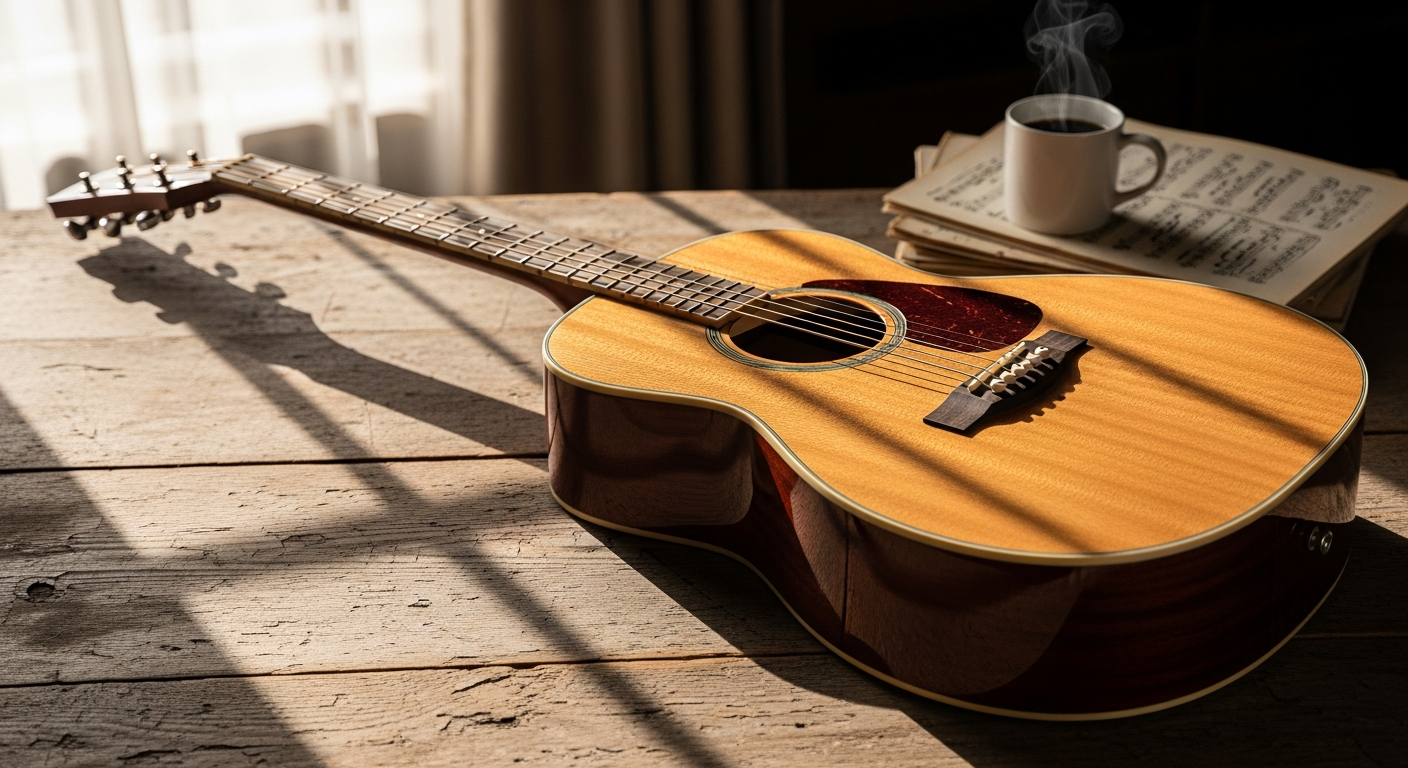
Discover why the Orangewood Oliver Mahogany Grand Concert Acoustic Guitar is the top choice for electric guitarists transitioning to acoustic. Learn about its warm tone, playability, and unbeatable value under $300.
I’ve watched countless electric guitarists struggle through their first acoustic experience—blistered fingers, neck strain, and the creeping regret that maybe they’d made a mistake. Then the Orangewood Oliver Mahogany Grand Concert entered the conversation, and suddenly, the transition became seamless. This guitar has quietly become a phenomenon among players making the acoustic leap, and it’s not because of flashy marketing or celebrity endorsements. It’s because Orangewood engineered something genuinely special: a sub-$300 instrument that plays and sounds like guitars costing twice as much.
The secret lies in their direct-to-consumer business model, which strips away traditional retail markups and channels those savings straight into materials and craftsmanship. You’re getting solid mahogany construction, bone hardware, and a factory setup so dialed-in that the guitar arrives ready to play—no adjustments needed. This approach has resonated with a specific audience: musicians who refuse to compromise on quality but also refuse to drain their bank accounts.
In this guide, you’ll discover exactly what makes the Oliver such a game-changer for acoustic newcomers, how its Grand Concert body shape differs from typical beginner guitars, what tone characteristics you can expect, and whether the acoustic-electric Live version justifies the extra investment. Explore the Orangewood Oliver Mahogany today to see why musicians are making this their first choice for acoustic guitars.
Why Electric Guitarists Are Choosing the Orangewood Oliver Over Traditional Beginner Acoustics
The transition from electric to acoustic guitar often feels like starting over. Your hands expect a particular neck profile, your fingers anticipate a specific action height, and your ears are accustomed to sustained resonance. The Orangewood Oliver addresses every one of these friction points.
The C-shaped neck profile mirrors electric guitar comfort, eliminating the awkward transition period many players experience. Rather than retraining your muscle memory on an unfamiliar neck shape, you find yourself in familiar territory from the first strum. The low action right out of the box reduces finger fatigue and makes extended practice sessions feel less punishing—a critical advantage when you’re building acoustic-specific calluses and finger strength.
Smooth fretwork and excellent factory setup mean no buzzing, dead spots, or playability issues that would frustrate experienced players accustomed to quality instruments. The familiar 25.5-inch scale length matches many electric guitars, maintaining muscle memory and hand positioning. These details matter tremendously when you’re already navigating the learning curve of an entirely new instrument category.
The lighter body weight compared to dreadnoughts reduces shoulder and back strain during long sessions. Perhaps most importantly, the warm, balanced tone satisfies players accustomed to electric guitar sustain and resonance without sounding thin or tinny. You’re not sacrificing sonic quality for comfort; you’re gaining both.
Grand Concert Body Shape: The Underrated Advantage for Acoustic Transition
Most beginners assume they need a dreadnought—the standard large acoustic body that dominates music store displays. The Grand Concert body shape tells a different story, and it’s one worth understanding.
The smaller footprint provides better ergonomic fit for various body types and playing positions. Whether you’re petite, tall, or somewhere between, the Grand Concert’s proportions create comfortable lap positioning whether sitting or standing, reducing the physical adjustment period considerably. This compact design proves ideal for fingerstyle and hybrid picking techniques that electric players often want to develop.
The enhanced portability benefits gigging musicians who’ve outgrown bedroom practice. You can actually move this guitar between venues without it becoming a logistics challenge. The resonance characteristics of the compact body create focused, articulate tone rather than boomy, overwhelming volume—a significant advantage in living spaces and small venues.
Versatility across musical genres from folk and pop to singer-songwriter and indie styles makes the Grand Concert surprisingly adaptable. What appears as a limitation in size actually becomes a strength in musicality and practicality.
The Mahogany Construction: Understanding Tone and Durability
The material choices separating budget guitars from quality instruments become immediately obvious when you examine the Orangewood Oliver’s construction.
A solid mahogany top produces the signature warm, woody tone with pronounced midrange that reviewers consistently praise. Layered mahogany or sapele back and sides contribute to tonal warmth while maintaining structural integrity and affordability—you’re not compromising on the materials that matter most. The mahogany neck offers stability and contributes to the overall cohesive tonal character that defines this instrument’s voice.
Sonokeling rosewood fretboard and bridge provide durability and aesthetic appeal while enhancing sustain. The bone nut and saddle represent a particularly notable upgrade at this price point, as many guitars at twice the cost still rely on plastic hardware. This simple swap significantly improves tone transfer and sustain, creating noticeably longer decay and fuller-bodied notes.
The natural satin finish protects the wood while maintaining the guitar’s organic appearance, though it is susceptible to scratches. Long-term durability of mahogany construction means the Oliver will maintain playability and tone for years with basic care. Owners report that these guitars age well, with many players noting improved resonance as the wood settles with playing time.
Tone Profile: What to Expect from the Oliver’s Acoustic Sound
Understanding what your new acoustic guitar will actually sound like matters as much as understanding how it will feel.
A rich, warm midrange sits perfectly in a mix, especially valuable for recording and ensemble playing. The balanced frequency response across treble, midrange, and bass avoids excessive boominess, creating a voice that translates well across different musical contexts. The Oliver proves highly responsive to playing dynamics, allowing you to shape tone through technique rather than relying solely on the guitar’s inherent characteristics.
Potential for boominess with aggressive strumming represents a minor concern that improves significantly with lighter touch or technique adjustment—essentially an opportunity to develop better playing habits. Note separation generally stays clean, though some players report it could be more defined at high volumes, particularly in studio recording contexts where pristine articulation matters most.
Sustain and resonance enhance thanks to bone hardware, creating longer decay and fuller-bodied notes compared to guitars with plastic components. Many players report pleasant tonal maturation over time as the wood settles and resonates more freely with playing, suggesting the Oliver gets better with age.
Playability and Setup: Why the Oliver Arrives Ready to Play
The factory setup on the Orangewood Oliver stands out as perhaps its greatest practical advantage over competitors.
The optimal action height, neck relief, and bridge positioning eliminate common beginner frustrations that plague instruments arriving straight from warehouses. Smooth fretwork with no sharp fret ends or uneven surfaces means comfort during extended play. The comfortable 44mm nut width balances accessibility for smaller hands with proper string spacing for fingerstyle work.
Die-cast tuners provide reliable, stable tuning that holds throughout practice sessions and performances. Ernie Ball Earthwood medium-light strings come pre-installed, offering a balanced feel that’s easier on fingers than heavier gauges while still producing decent volume and projection.
With 20 frets and accessible upper-fret positioning (though the non-cutaway design limits extreme access), the Oliver handles most playing scenarios without compromise. Minimal setup adjustments needed out of the box save time and frustration for new acoustic players—you unbox the guitar and start playing immediately.
The Acoustic vs. Live Debate: Standard Oliver or Fishman-Equipped Version?
One decision awaits potential buyers: do you go with the standard acoustic model or invest in the Fishman-equipped Live version?
The standard acoustic model ($195–$225) offers pure, unamplified tone perfect for home practice, recording, and intimate settings. The Live acoustic-electric model ($275–$295) includes a Fishman Sonitone EQ pickup system for stage performance and amplified venues. The Fishman Sonitone EQ advantages provide feedback resistance, volume control, and three-band EQ for tone shaping through amplification.
Choose the standard if your primary focus centers on developing acoustic technique and tone in unplugged settings. Choose the Live version if you’re gigging, recording with amplification, or anticipate performing in venues requiring amplified sound. Check out both versions on the Orangewood Oliver product page to determine which model fits your playing plans.
The value proposition of the $70–$80 upgrade for the Fishman system becomes compelling for gigging musicians. Worth noting: the future upgrade path remains open with the standard model if your needs evolve beyond what you initially anticipated.
Value Proposition: Why the Oliver Outperforms Guitars at Double the Price
Economics tells part of this guitar’s success story. The direct-to-consumer sales model eliminates distributor and retailer markups, passing savings directly to musicians rather than lining intermediary pockets.
Premium materials—solid mahogany, bone hardware, quality rosewood—typically appear only on guitars selling for $400 and up. Comparable playability to guitars costing $400–$500 comes standard, often paired with superior factory setup compared to many competitors at any price point. The included padded gig bag adds $50–$75 in value, a feature often sold separately by other brands or omitted entirely.
Quality control standards maintain consistency across units, reducing the risk of receiving a poorly constructed instrument. Warranty and customer service backed by Orangewood’s reputation for standing behind their products provide peace of mind. Resale value remains strong due to the Oliver’s reputation and demand among budget-conscious players—should you ever decide to move on, your investment holds its worth remarkably well.
Real-World Performance: What Reviewers and Players Are Actually Saying
Beyond specifications and marketing claims, actual users offer compelling insights into the Oliver’s real-world performance.
Consistent praise for warm tone and playability appears across independent reviews and user testimonials, suggesting this isn’t hype but genuine appreciation. The beginner-friendly reputation balances nicely with appreciation from intermediate and advanced players, indicating the guitar doesn’t feel outgrown quickly. A common surprise factor emerges: musicians struggle to believe such an affordable guitar performs at a level typically associated with premium brands.
Durability reports from long-term owners show the Oliver holds up well with regular playing. Minor finish concerns about the thin satin finish being prone to cosmetic scratches don’t affect playability—a purely aesthetic issue. Occasional note separation critiques from players seeking studio-quality articulation matter primarily in specialized recording contexts, less noticeable in live or casual playing.
Limited availability outside the US mentioned by some international players represents a logistics constraint rather than a quality issue, and the direct-to-consumer model continues expanding internationally.
Potential Drawbacks and How to Mitigate Them
No instrument proves perfect for every player, and acknowledging the Oliver’s limitations helps set realistic expectations.
The lack of cutaway design on the standard model limits access to frets beyond the 14th—an acceptable constraint for most players but a limiting factor for some. The thin satin finish requires careful handling to avoid cosmetic damage; consider a protective case or finish treatment if aesthetics matter to you.
Boomy tone with aggressive strumming resolves through technique refinement and lighter touch—essentially an opportunity to develop better playing habits rather than a fundamental flaw. Note separation limitations matter primarily for studio recording; less noticeable in live or casual playing contexts. Occasional finish imperfections reported by some users warrant inspection upon arrival, with Orangewood readily addressing significant defects.
Availability constraints outside North America demand advance planning if ordering internationally, though expanding direct-to-consumer logistics continue improving this situation.
Who Should Buy the Orangewood Oliver and Who Should Look Elsewhere
The Oliver fits certain players perfectly while leaving others looking toward different solutions.
The guitar proves ideal for electric guitarists making the acoustic transition who value playability and familiar neck feel. It’s perfect for beginners with realistic budgets who refuse to compromise on quality and setup. Intermediate players seeking a reliable, great-sounding second or travel guitar find tremendous value here. Songwriters needing warm tone and comfortable playability for extended writing sessions have found their match.
Fingerstyle specialists appreciate the balanced tone and responsive dynamics. However, players requiring cutaway access to higher frets for lead work should look elsewhere. Musicians prioritizing pristine finish aesthetics over functional playability will likely feel disappointed. Those needing built-in amplification from day one should consider the Live version or alternative instruments.
The Bottom Line: Your Acoustic Gateway Awaits
The Orangewood Oliver Mahogany Grand Concert Acoustic Guitar represents something increasingly rare in today’s market: genuine value without compromise. You’re not settling for a budget instrument that sounds budget; you’re gaining access to thoughtful engineering, quality materials, and playability that should cost significantly more.
For electric guitarists ready to explore acoustic territory, the Oliver eliminates the traditional barriers—the uncomfortable neck, the punishing action, the regret that follows an impulse purchase of a cheap starter guitar. The warm mahogany tone, the C-shaped neck that feels like home, the factory setup that requires zero tweaking—these aren’t happy accidents. They’re the result of Orangewood’s commitment to direct-to-consumer sales and refusing to cut corners where it matters.
Whether you choose the standard acoustic version or invest the extra $70–$80 in the Fishman-equipped Live model depends entirely on your gigging ambitions, but either way, you’re making a decision you won’t regret. Get your Orangewood Oliver Mahogany Grand Concert Acoustic Guitar now and start your acoustic journey with confidence.