
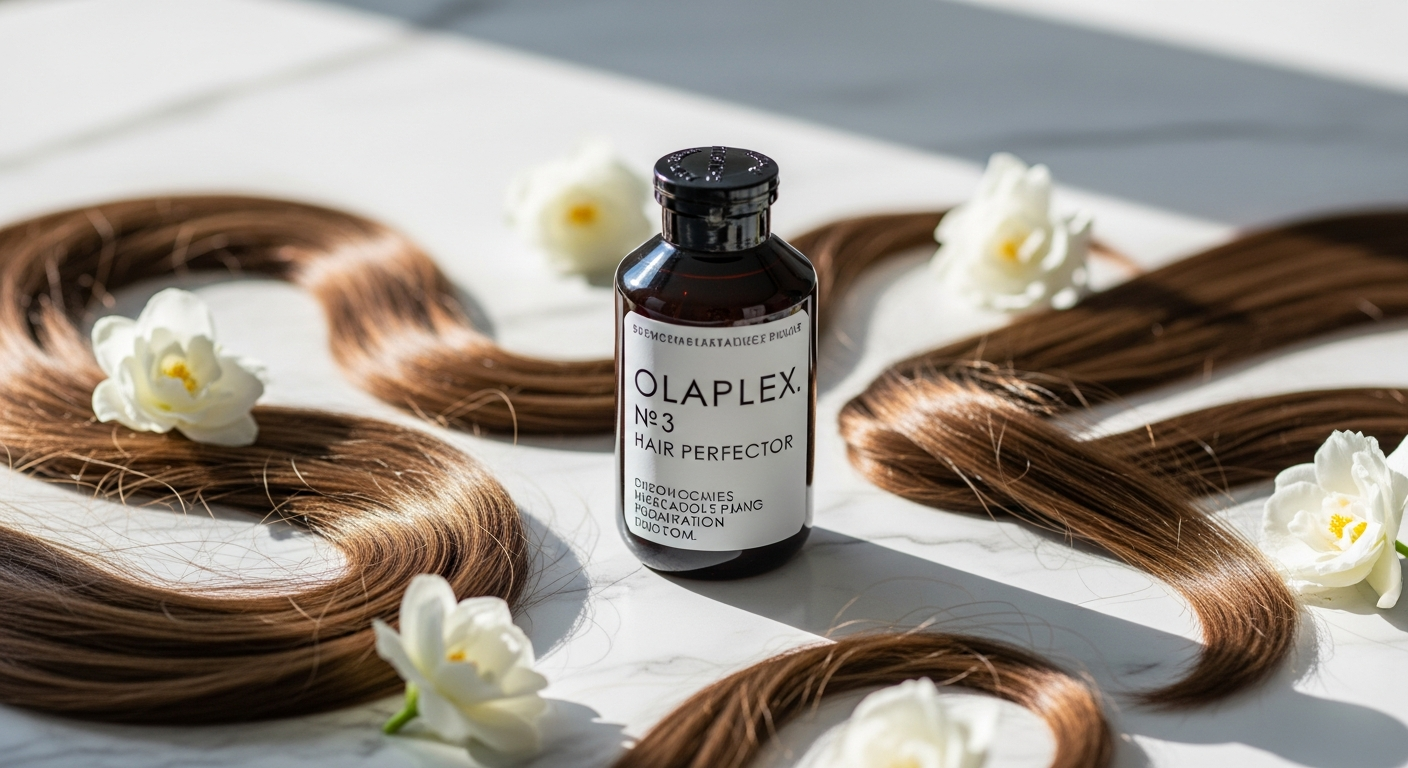
Discover if Olaplex No 3 Hair Perfector lives up to the hype. Our in-depth review covers the science behind this bestselling treatment, real results, pricing, and whether it’s worth the investment for your damaged or color-treated hair.
Over 70% of people who color-treat their hair report experiencing significant breakage and dryness within months. The search for an effective solution has led countless consumers to professional hair care aisles, where one product consistently commands attention: Olaplex No 3 Hair Perfector.
This concentrated treatment has earned cult status among stylists and consumers alike, consistently ranking as a bestseller for good reason. Unlike typical conditioners that coat the hair surface, Olaplex No 3 works at the molecular level to rebuild broken bonds—the actual structural damage caused by coloring, heat styling, and chemical treatments. The science behind it is compelling, and the results speak for themselves across diverse user demographics.
Explore Olaplex No 3 at The LTL Shop today.
The Science Behind Olaplex No 3’s Hair-Repairing Technology
How Bis-Aminopropyl Diglycol Dimaleate Works
The active ingredient at the heart of Olaplex No 3 operates through a mechanism fundamentally different from standard hair care products. Bis-Aminopropyl Diglycol Dimaleate identifies single sulfur hydrogen bonds that have been broken by chemical services, heat styling, and mechanical damage. Once located, this patented compound cross-links these broken bonds back together to form disulfide bonds—the crucial structural elements responsible for hair strength and elasticity.
Surface Conditioning Versus Molecular-Level Repair
Most conditioning products work by depositing silicones, oils, and polymers onto the hair shaft. These create a temporary smoothing effect that washes away with the next shampoo. Olaplex No 3 takes a fundamentally different approach. Rather than masking damage with cosmetic ingredients, it actually repairs the underlying structural integrity of the hair fiber itself.
This distinction matters tremendously for anyone with genuinely compromised hair. A silicone-based conditioner might make damaged hair feel better temporarily, but it doesn’t address the root cause. Olaplex No 3 fixes what’s actually broken.
Why This Approach Addresses Root Causes
When hair undergoes chemical processing—whether coloring, perming, or relaxing—or sustained heat exposure, the disulfide bonds that hold the hair structure together begin to break apart. This creates a cascade of problems: increased porosity, reduced elasticity, brittleness, and accelerated breakage.
By restoring these bonds rather than coating over the problem, Olaplex No 3 returns hair to a healthier baseline condition. The treatment restores the hair’s internal architecture, which is why professional stylists consistently recommend it for clients with previously unmanageable, damaged hair.
The Critical Role of Hydrogen Bonding
The hydrogen bonds that Olaplex targets represent microscopic connections essential to hair resilience. When these bonds remain intact and properly formed, hair maintains its structure, moisture retention, and strength. Damage disrupts these bonds, causing the visible deterioration users experience—frizz, breakage, dryness, and loss of shine.
Real Results: What Users Actually Experience
Noticeable Changes Within 2-3 Weeks
Users consistently report a significant reduction in breakage and split ends within the first few weeks of consistent use. This timeline reflects the actual time required for the repair process to become visible as new, undamaged hair grows out and the treated hair’s improved structure becomes apparent in styling.
Dramatic Improvements in Texture and Appearance
The transformation in how hair feels often surprises new users. Treated hair becomes noticeably softer, smoother, and shinier. This isn’t a surface coating effect—it’s the result of the hair’s actual internal structure improving. Color-treated hair regains a luminosity that many users thought was permanently lost.
Before-and-After Transformations
For color-treated and heat-damaged hair, the visible results can be striking. Hair that previously appeared dull, fragile, and prone to breakage transforms into hair with body, movement, and resilience. The improvements are particularly dramatic for those who have subjected their hair to multiple coloring sessions within a short timeframe.
Timeline Based on Damage Severity
Hair with mild damage might show results within 2-3 weeks. Severely compromised hair—such as that from multiple bleaching sessions or years of daily heat styling—may require 6-8 weeks of consistent weekly treatment to reach optimal results. This extended timeline reflects the depth of molecular repair required.
Performance Across Hair Types
While all hair types can benefit from Olaplex No 3, those with fine or thin hair sometimes report that results feel less dramatic compared to thicker, coarser textures. However, even fine-haired users appreciate the reduced breakage and improved manageability. The treatment simply doesn’t damage any hair type while delivering consistent benefits.
Realistic Expectations
Olaplex No 3 cannot reverse years of cumulative damage in a single application. It won’t turn bleached, straw-like hair into virgin hair. However, used consistently over weeks, it genuinely improves damaged hair’s condition and halts the deterioration that often accelerates with additional styling or coloring.
Is It Right for Your Hair? Ideal Candidates and Use Cases
Color-Treated Hair: The Ideal Match
Color-treated hair responds exceptionally well to Olaplex No 3 because the chemical process of coloring inherently damages disulfide bonds. Those who frequently color their hair—whether every 4-6 weeks for root touch-ups or who have undergone multiple bleaching sessions—find this treatment makes a tangible difference in managing ongoing damage.
Heat-Styling Enthusiasts
People who regularly blow-dry, flat-iron, or curl their hair create cumulative heat damage that disrupts hydrogen and disulfide bonds. Frequent heat users often report that Olaplex No 3 becomes essential maintenance—comparable to how professional athletes maintain their bodies with targeted care.
Chemical Processing Beyond Color
Those with permed, relaxed, or keratin-treated hair benefit substantially from this treatment. These processes chemically alter hair structure, and Olaplex No 3’s bond-repair mechanism directly addresses the damage they cause.
Benefits Across All Hair Types
While fine-haired users may notice subtler results compared to thick or curly-haired individuals, no hair type is excluded from potential benefits. The treatment simply works more dramatically on hair that has sustained significant structural damage.
Distinguishing Genuine Damage from Dryness
Some hair problems stem from dehydration rather than structural damage. Dry hair might need improved conditioning and moisture retention rather than bond repair. If your hair primarily feels dry but doesn’t break excessively, a deep conditioner might address your concerns more cost-effectively than Olaplex No 3. However, if you regularly experience breakage, split ends, or brittleness—especially following coloring or heat styling—you likely have genuine structural damage that this treatment addresses.
When to Prioritize Other Treatments
Olaplex No 3 works best as part of a comprehensive hair care routine, not as a standalone solution. Healthy scalp care, appropriate daily conditioning, and heat protectants remain essential. For those with primarily scalp-based issues—dandruff, sensitivity, or oil imbalance—addressing scalp health first often helps maximize benefits from repair treatments.
Application Guide: Maximizing Treatment Effectiveness
Step-by-Step Application Technique
Begin with clean, damp (not dripping wet) hair. Divide hair into 4-6 sections using clips. Apply Olaplex No 3 section by section, working from roots through ends, ensuring thorough saturation. Pay particular attention to previously colored areas and any visibly damaged sections. Use a wide-tooth comb to distribute product evenly through each section, which also helps it penetrate more effectively.
Recommended Treatment Frequency
Most users see optimal results with weekly application. Those with severe damage might initially use it twice weekly for the first 2-3 weeks, then transition to weekly maintenance. Overuse doesn’t enhance results—the treatment works on its own timeline. Weekly application provides consistent repair without overwhelming the hair.
Processing Time Matters
The minimum recommended time is 10 minutes, but 20-30 minutes yields noticeably better results. The product requires time to locate and begin repairing disulfide bonds. Rushing the process diminishes effectiveness. Many users apply it, shower, and allow it to process while handling other tasks, making the time commitment feel more manageable.
Layering with Other Products
Olaplex No 3 works well layered with other treatments. Some users apply it, rinse after processing, then follow with a deep conditioner. Others use it before their regular conditioner. This layering approach addresses both bond repair and moisture needs simultaneously.
Common Application Mistakes
Applying to dry hair can prevent proper absorption. Using too little product leads to uneven coverage. Failing to comb through creates clumpy concentration rather than even distribution. Rinsing too quickly shortens processing time. Most mistakes stem from either rushing or misunderstanding the product as a conditioner rather than a concentrated treatment.
Adapting for Hair Length and Density
Fine, shoulder-length hair might require only 1-2 ounces per application. Thick, waist-length hair might need 3-4 ounces. A 100ml bottle typically provides 3-4 full applications for average-length, average-thickness hair. Adjust quantities based on your specific hair characteristics rather than following a rigid measurement.
Locking in Benefits
After rinsing, use lukewarm (not hot) water to avoid opening the cuticle excessively. Follow with a nourishing conditioner to seal in moisture alongside the structural repairs. Minimize heat styling immediately after treatment—allow hair to air-dry or use lower heat settings so the repaired bonds stabilize.
Get Olaplex No 3 Hair Perfector from The LTL Shop now.
Pricing Breakdown and Value Proposition
The LTL Shop’s Competitive Advantage
Standard retail pricing for Olaplex No 3 sits around $27.89 for the 100ml bottle. The LTL Shop frequently offers this same product at significant discounts, with prices observed as low as $9.76-$9.89. This represents a 65% reduction from standard retail—a substantial savings that makes professional-grade repair accessible to a broader audience.
Cost-Per-Use Analysis
A 100ml bottle typically yields 3-4 full treatments for average-length hair. At discounted LTL Shop pricing, the cost per treatment drops to approximately $2.50-$3.30. Compared to a professional salon bond-repair treatment, which typically costs $50-$100 and provides only one application, the at-home economics become remarkably favorable.
Comparison with Other Professional Treatments
Professional-grade intensive masks and repair treatments typically range from $20-$50 per product. Most are conditioner-based, offering surface conditioning rather than molecular repair. From a price-to-performance perspective, Olaplex No 3’s discounted price at The LTL Shop represents exceptional value for genuine structural repair.
Understanding Bottle Size and Duration
The 100ml size proves compact but sufficient for regular home users. Those treating shoulder-length or longer thick hair should expect 3-4 applications before repurchasing. Fine-haired or shorter-haired users might stretch one bottle to 5-6 applications. Planning purchases around monthly or bi-monthly reordering helps maintain consistent treatment routines.
Anticipating Sales and Discounts
The LTL Shop’s pricing strategy involves frequent significant discounts off standard retail. Monitoring the retailer during seasonal sales, holiday promotions, and flash sales can further reduce per-bottle costs. Buying two or three bottles during deep-discount periods provides consistent supply while maximizing savings.
Premium Pricing and Ingredient Quality
Olaplex’s pricing premium reflects the patented Bis-Aminopropyl Diglycol Dimaleate technology. Generic bond-repair treatments either don’t exist or use less-proven formulations. The premium reflects actual technological differentiation rather than marketing inflation. Results justify the higher price point compared to standard conditioners.
Long-Term Savings from Damage Prevention
Regular Olaplex No 3 use prevents the accelerating damage cycle that often forces color-treated hair into progressively shorter cuts or more drastic damage-control interventions. Users who maintain healthy hair with consistent bond-repair treatment spend less on emergency intensive treatments and hair cuts necessitated by damage.
The Honest Drawbacks: What You Should Know Before Buying
Understanding What This Product Actually Is
Olaplex No 3 is a concentrated treatment, not a conditioner. This distinction trips up new users who expect it to replace their regular conditioner. Used alone, it won’t provide the slip and moisture that conditioner delivers. It must be followed by appropriate conditioning to address moisture needs while the bond repair happens independently.
Time Commitment Requirements
Weekly 30-minute treatments constitute genuine time investment. For those already juggling complex beauty routines or managing time-intensive lifestyles, adding another step can feel burdensome. Those expecting quick, passive solutions might find this aspect frustrating.
Risk of Mismatched Expectations
Users who expect a single application to transform severely damaged hair experience disappointment. Results develop over weeks, not immediately. Those seeking instant cosmetic improvement rather than genuine repair may feel the investment hasn’t paid off quickly enough.
Stock Availability Fluctuations
Olaplex products experience high demand, and the LTL Shop occasionally experiences inventory gaps. Customers accustomed to always-available products might encounter stock unavailability when ready to reorder.
LTL Shop’s Operational Considerations
While the product itself is consistently excellent, some customer reviews mention slow delivery and inconsistent customer service experiences at The LTL Shop. These operational factors exist independently from the product quality and represent broader retailer-specific concerns.
Product Consistency Variations
While most users experience consistent results, some report batch variations in texture or performance. These variations remain relatively uncommon but do occur occasionally across professional product lines.
Who Should Skip This Product
Those with primarily scalp issues rather than hair damage should address scalp health first. People with minimal styling and no chemical treatments likely don’t need intensive bond repair. Those unable to commit to weekly treatment routines won’t achieve the results that consistent use delivers. Budget-conscious consumers might find alternative solutions more suitable initially.
How Olaplex No 3 Stacks Up Against Competitors
Other Professional Bond-Repair Treatments
Few true competitors exist in the bond-repair category. Most professional treatments focus on conditioning rather than molecular repair. K18, Keranique, and similar brands offer products addressing styling damage but use different mechanisms than Olaplex’s patented bond-repair technology.
Olaplex No 3 Versus Olaplex No 6 Leave-In Serum
Olaplex No 6 serves a different purpose—it’s a lightweight, leave-in smoothing serum designed for daily conditioning and frizz control. No 3 provides intensive weekly repair; No 6 handles maintenance and styling benefits between treatments. Many users employ both products in a complementary system rather than choosing one over the other.
Performance Against Luxury Conditioners and Masks
Premium conditioners from brands like Oribe, K18, and Briogeo provide excellent moisture and shine. However, they don’t repair disulfide bonds—they condition the hair surface. Someone dealing with genuine structural damage experiences more substantial improvement with Olaplex No 3 than with even the most expensive luxury conditioner.
Why Stylists Consistently Choose Olaplex
Professional stylists recommend Olaplex because it actually addresses the damage their coloring and chemical services create. Recommending excellent conditioners doesn’t reverse the service-induced damage. Olaplex No 3 directly counteracts what stylists know they’ve caused, making it more effective for that specific purpose.
Price-to-Performance in the Premium Category
At discounted LTL Shop pricing, Olaplex No 3 delivers superior performance-per-dollar compared to luxury conditioners in similar price ranges. While standard retail pricing is higher, even at full price the cost-benefit analysis favors genuine structural repair over surface conditioning.
Unique Advantages of the Olaplex System
Olaplex’s approach involves multiple products working synergistically—No 0, No 3, and No 6 each serve specific functions within a comprehensive repair system. This systematic approach, combined with the patented technology, creates benefits that single-product alternatives struggle to match.
Budget-Conscious Alternatives
Those with limited budgets might benefit from more aggressive scalp and conditioning routines before investing in intensive repair treatments. However, for anyone dealing with color damage specifically, Olaplex No 3 represents better long-term value than cheaper alternatives that don’t actually repair damage.
The Bottom Line: Is Olaplex No 3 Worth Your Investment?
The evidence is compelling. Olaplex No 3 Hair Perfector delivers genuine, molecular-level hair repair—something most products simply cannot claim. For anyone dealing with color-treated, heat-damaged, or chemically compromised hair, this treatment represents a legitimate investment in long-term hair health rather than a temporary cosmetic fix.
The real question isn’t whether it works, but whether you’re willing to commit to the weekly application routine and can afford the upfront cost. If you’re serious about reversing damage and preventing future breakage, the price point becomes remarkably reasonable when compared to monthly salon treatments.
Start with one bottle to test compatibility with your hair, then establish a consistent routine. You’ll likely notice improvements within 2-3 weeks, but the most dramatic transformations happen over 6-8 weeks of regular use. This is one of those rare products where the hype actually matches reality. Damaged hair genuinely improves when the underlying disulfide bonds are repaired rather than merely masked with cosmetic ingredients.