
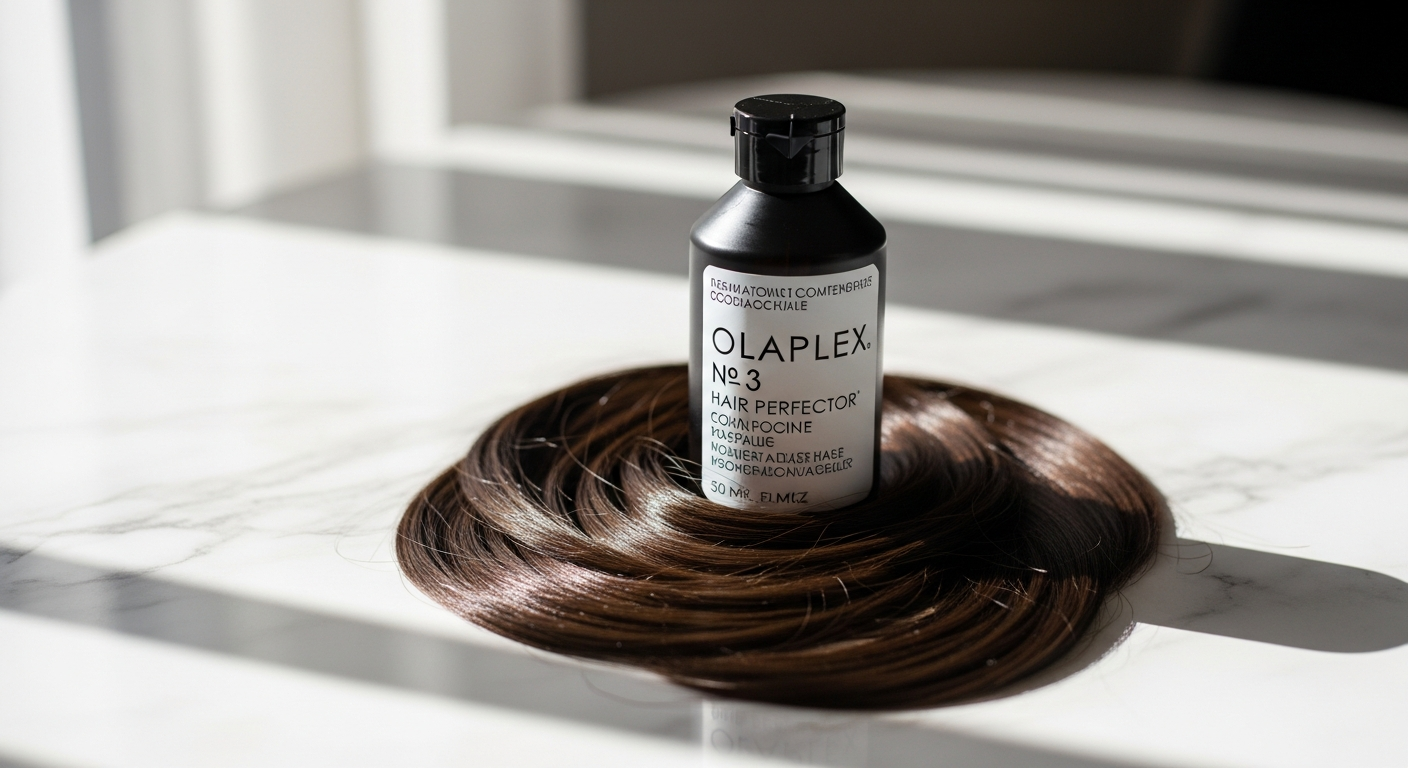
Discover how Olaplex No 3 Hair Perfector uses patented bond-building technology to repair color-treated and damaged hair. Learn the science, application tips, and why stylists swear by this cult-favorite treatment.
Color-treated hair loses up to 50% of its structural integrity after just one bleaching session. The damage isn’t superficial—it occurs deep within the hair shaft, where chemical bonds that hold everything together literally break apart. This is where Olaplex No 3 Hair Perfector enters the picture, using patented bond-building technology to repair damaged strands at the molecular level, rather than simply coating them with temporary shine.
Unlike typical conditioners that work on the surface, Olaplex No 3 actively reconstructs broken disulfide bonds—the literal glue holding your hair structure together. The difference is fundamental and transformative. This guide breaks down the science behind this cult-favorite treatment, how it transforms damaged hair, and why professionals and at-home enthusiasts swear by it.
Discover Olaplex No 3 Hair Perfector at The LTL Shop today.
The Science Behind Bond-Building Hair Repair
Understanding Disulfide Bonds and Hair Structure
Hair strength depends on a complex network of chemical bonds holding protein chains together. Disulfide bonds are particularly crucial—they’re the cross-links that give hair its elasticity, strength, and resilience. When these bonds are intact, hair feels healthy, looks shiny, and withstands styling stress. When they break, hair becomes fragile, brittle, and prone to breakage.
How Chemical Processes Damage Molecular Architecture
Bleaching opens the hair cuticle and strips pigment, but the real damage happens at the molecular level. The alkaline environment breaks disulfide bonds to allow chemicals to penetrate. Permanent color, relaxers, and perms all work the same way—they alter the hair’s protein structure to achieve the desired effect, but this restructuring comes with a cost. Each chemical process further destabilizes the bonds that hold hair together.
Heat styling accelerates this breakdown. Blow dryers, flat irons, and curling tools generate temperatures that weaken disulfide bonds over time. Mechanical damage from rough brushing, tight hairstyles, and friction adds another layer of stress. The result: hair that’s been compromised from multiple angles simultaneously.
The Patented Bond-Building Solution
Bis-Aminopropyl Diglycol Dimaleate is the active ingredient that sets Olaplex No 3 apart. This molecule works by identifying broken disulfide bonds and cross-linking them back together. It’s not adding moisture or coating the hair—it’s actively reconstructing the structural foundation. The technology is patented because nothing else works quite this way. When this ingredient finds separated sulfur atoms, it forms new disulfide bonds, literally rebuilding hair’s internal architecture.
Why Bond Repair Differs From Conditioning
Conditioners work by coating the hair shaft with oils and polymers that temporarily smooth the cuticle and add slip. The effect is immediate but superficial. Once you wash your hair again, the coating rinses away. Bond repair, by contrast, creates permanent structural changes. After Olaplex No 3 treatment, your hair is genuinely stronger and more resilient—not just temporarily smoother.
Who Actually Needs Olaplex No 3
Color-Treated and Bleached Hair
Anyone who regularly colors their hair benefits enormously from bond repair. Bleaching is particularly damaging because it requires lifting pigment with powerful chemicals. Frequent colorists, whether in a salon or at home, accumulate damage that intensifies with each application. Olaplex No 3 targets exactly this scenario—it repairs the molecular damage that color and bleach create.
Chemically Processed Hair
Beyond color, other chemical processes break disulfide bonds. Permanent waves, relaxers, and keratin treatments all work by temporarily breaking bonds to restructure the hair, then resetting them in a new formation. Even with proper neutralization, residual damage remains. Regular Olaplex No 3 treatments help restore what these processes take away.
Heat-Damaged Strands
Daily heat styling accumulates damage invisibly until suddenly your hair feels rough, looks dull, and breaks easily. Frequent blow-drying, flat ironing, and curling accelerate disulfide bond breakdown. If you style your hair with heat more than three times weekly, bond repair should be part of your routine.
Ideal Candidates
Frequent salon visitors see the most dramatic results because professional services compound damage. DIY color enthusiasts also notice transformations quickly. Anyone whose hair has taken a beating—whether from color, chemicals, heat, or all three combined—is an ideal candidate.
Step-by-Step Application Guide for Maximum Results
Preparation and Product Amount
Start with damp hair, never dry or soaking wet. Damp hair allows the treatment to distribute evenly without excess product running off. Section your hair into four to six quadrants, depending on thickness and length. This ensures you don’t miss any areas and promotes even coverage.
The amount needed depends on hair length and damage level. Shoulder-length hair typically requires a quarter-sized amount per section. Longer hair needs more; shorter hair less. The goal is visible coverage from roots to ends without excess dripping.
Application Technique
Begin at the roots where chemical damage typically concentrates. Apply the treatment directly to the scalp and work through to the mid-lengths using your fingers or a paddle brush. Don’t brush aggressively—use gentle, deliberate strokes. Once roots and mid-lengths are covered, concentrate on the ends, where accumulated damage is most visible. Pay special attention to previously bleached or color-treated sections.
Processing Time and Why It Matters
The minimum processing time is 10 minutes. During this window, Bis-Aminopropyl Diglycol Dimaleate seeks out broken bonds and begins cross-linking them. Shorter processing times reduce effectiveness. Most users apply the treatment and let it sit while showering, doing other tasks, or simply relaxing. Some leave it on for 20-30 minutes for extra-damaged hair without any risk—longer processing simply means more bond repair occurs.
After the designated time, shampoo and condition as normal. This rinses away excess product while the reconstructed bonds remain permanently integrated into your hair structure.
Shop Olaplex No 3 Hair Perfector with exclusive pricing.
Real Results: What to Expect From This Treatment
Immediate First-Use Changes
Many users notice improvements after a single application. Hair feels smoother, looks shinier, and feels stronger when wet. The difference isn’t subtle—after years of damage, the shift toward structural integrity becomes immediately apparent. Hair that was rough and prone to tangling suddenly detangles smoothly. This immediate effect reflects the bonds being reconstructed; the hair’s fundamental architecture improves in real time.
Softness, Shine, and Manageability
Beyond strength, elasticity returns. Hair that was brittle becomes flexible. Shine increases as the cuticle smooths from internal structural repair. Manageability improves dramatically—styling becomes easier, frizz reduces, and flyaways calm down. These aren’t temporary effects from coating; they’re permanent improvements from genuine structural restoration.
Timeline for Visible Damage Repair
Significant transformations typically unfold over two to three weeks with weekly applications. Severely damaged hair may require two to three applications weekly initially. Within four weeks, most users report hair that feels noticeably stronger and looks visibly healthier. The timeline for noticeable improvement is faster than most expect—many see meaningful changes within the first two weeks.
Compounding Results With Consistent Use
The benefits accelerate with consistency. Each weekly application rebuilds more bonds, further restoring hair’s integrity. After two months of regular use, the transformation becomes dramatic. Hair that was previously fragile becomes genuinely resilient. The color lasts longer because stronger hair holds pigment better. Heat styling causes less visible damage because the underlying structure is stronger.
Transform Damaged Hair Into Resilient Strands
Olaplex No 3 Hair Perfector represents a genuine breakthrough in hair damage repair by rebuilding structural integrity rather than masking problems with temporary shine. The science is solid—patented bond-building technology actually works at the molecular level where damage occurs. Results are visible within applications, and the investment proves affordable compared to the alternative: repeatedly damaging hair and watching it deteriorate.
If your hair has taken a beating from color, heat, or chemical treatments, start with weekly applications and observe results over two to three weeks. The transformation from brittle, lifeless hair to soft, strong, resilient strands happens faster than expected. Once you experience the difference bond-repair technology makes, you’ll understand why stylists everywhere consider this essential. Your hair’s structural foundation rebuilds, strand by strand, application by application.
Start your hair transformation with Olaplex No 3 at The LTL Shop.