
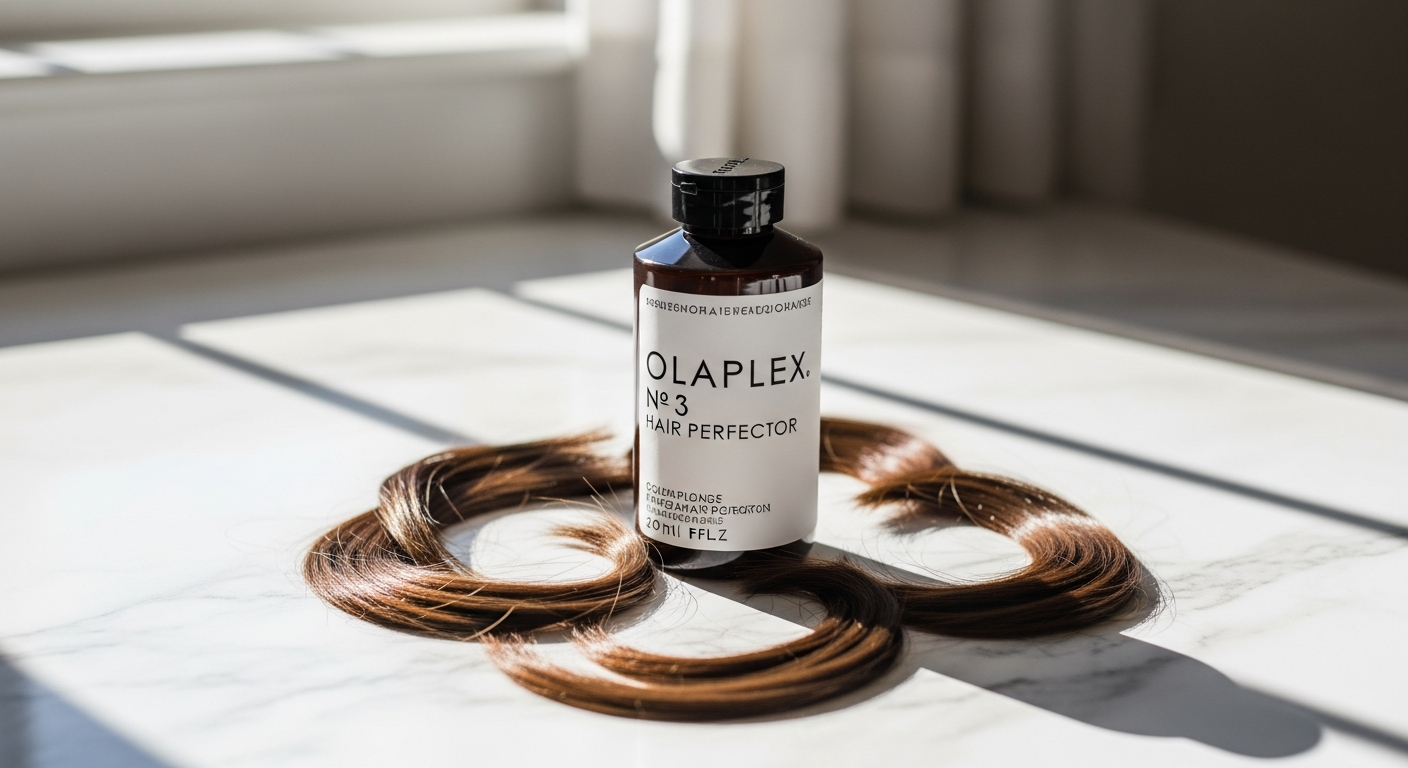
Discover how Olaplex No. 3 Hair Perfector Treatment rebuilds broken bonds in color-treated and chemically processed hair. Learn the science, usage tips, and real results from this cult-favorite repair treatment.
I've watched countless people transform their hair with a single product—one that doesn't promise miracles but actually delivers them. If you've ever bleached, permed, or color-treated your hair, you've likely experienced that heartbreaking moment when you realize the damage runs deeper than surface-level conditioning can fix. The Olaplex No. 3 Hair Perfector Treatment has become the go-to solution for those seeking genuine molecular-level repair rather than temporary cosmetic fixes.
What makes this treatment different is its patented Bond Building Technology. Unlike traditional conditioners that merely coat the hair shaft, this pre-shampoo treatment works at the cellular level to restore the disulfide bonds that chemical processes and heat styling have broken. This isn't marketing speak—it's a fundamental shift in how we approach hair damage.
Discover the Olaplex No. 3 Hair Perfector and start your hair repair journey today.
The Science of Bond-Building Technology Explained
How disulfide bonds form and why they break during chemical treatments
Your hair's strength comes from disulfide bonds—molecular connections that link amino acids together within the hair shaft. These bonds create the structure that gives hair its integrity, elasticity, and resilience. When you bleach, color, relax, or perm your hair, you're deliberately breaking these bonds to alter the hair's structure. Heat styling, sun exposure, and pollution further compromise these critical connections. Over time, cumulative damage leaves hair fragile, prone to breakage, and unable to hold moisture or style.
The role of Bis-Aminopropyl Diglycol Dimaleate in repairing damaged hair structure
This is the active ingredient that sets Olaplex No. 3 apart. Bis-Aminopropyl Diglycol Dimaleate actively seeks out broken disulfide bonds and rebuilds them at the molecular level. Rather than temporarily patching damage, this ingredient actually restores the chemical structure that holds your hair together. The process is comparable to welding broken links in a chain—permanent, effective, and transformative.
Why traditional conditioners fail to address molecular-level damage
Standard conditioners work through coating and moisturizing the hair's outer layer. They make hair feel soft and look shiny, but they cannot repair what's been chemically broken. A conditioner might temporarily smooth the cuticle, but it doesn't restore the internal structure. Olaplex No. 3 operates on an entirely different principle, addressing the root cause of damage rather than masking its appearance.
The difference between coating treatments and repair treatments
Coating treatments sit on the hair's surface, providing temporary slip and shine that wash away with your next shampoo. Repair treatments penetrate the hair shaft and create lasting chemical changes. This fundamental difference explains why users see sustained improvements from Olaplex No. 3 rather than temporary benefits that vanish after one wash.
How heat styling and environmental stressors compromise hair integrity
Blow dryers, flat irons, and curling tools generate heat that denatures protein structures and weakens disulfide bonds. UV rays from the sun cause oxidative damage that breaks these connections further. Chlorine, salt water, and pollution all contribute to cumulative molecular damage. Your hair faces constant assault from multiple angles, which is why weekly repair treatments become necessary for those who regularly style or spend time outdoors.
Clinical evidence supporting bond-building efficacy
Olaplex's patented Bond Building Technology has been studied and validated through multiple clinical trials. Independent testing confirms visible reductions in breakage, measurable improvements in hair elasticity, and restoration of damaged hair structure. These aren't just subjective reports—they're quantifiable results backed by scientific methodology.
Which Hair Types Benefit Most from This Treatment
Color-treated and highlighted hair recovery protocols
If you color your hair, you're actively breaking disulfide bonds with every application. Olaplex No. 3 becomes essential maintenance for anyone with color-treated hair. Users with highlighted, balayaged, or fully colored hair report that weekly treatments significantly extend color vibrancy while restoring the strength that the coloring process strips away. The treatment works particularly well for those maintaining expensive salon colors, as it preserves the investment by keeping hair healthy and strong.
Permed and chemically relaxed hair restoration
Chemical relaxers and perms deliberately restructure the hair's molecular bonds. While the styling results are worth it for many, the damage is real and cumulative. Olaplex No. 3 specifically targets this type of damage, helping chemically processed hair recover elasticity, reduce breakage, and regain natural shine. Users with relaxed hair often find that weekly applications transform how their hair responds to styling and moisture.
Heat-damaged hair from blow dryers, flat irons, and curling tools
Regular heat styling users see dramatic improvements with consistent Olaplex No. 3 applications. Those who blow-dry daily, straighten frequently, or use hot tools multiple times weekly experience noticeable reductions in breakage and brittleness within weeks. The treatment essentially undoes some of the molecular damage that heat styling causes, allowing hair to maintain strength despite regular tool use.
Naturally curly hair and frizz reduction benefits
Curly hair types benefit significantly from bond-building repair, as intact disulfide bonds help maintain curl definition and reduce frizz. Users with naturally curly or coily hair report that the treatment restores natural curl patterns that heat damage or chemical processing had compromised. Frizz reduction is particularly pronounced because healthier hair structure holds moisture more effectively.
Fine and delicate hair considerations
Fine-haired users should apply the treatment more sparingly to avoid product buildup, but the results are equally impressive. Fine hair often suffers disproportionate damage from styling and chemical treatments due to its delicate structure. Olaplex No. 3 helps strengthen fine hair without weighing it down, making it an ideal solution for those with fragile strands.
Thick and coarse hair saturation requirements
Thicker, coarser hair types typically require more product to ensure full saturation. The denser the hair, the more of the treatment you'll need to apply. Users with thick or very long hair often find they deplete the 100ml bottle more quickly, but the results justify the usage—thick hair becomes more manageable, softer, and less prone to breakage.
Combination hair types and targeted application strategies
For those with mixed hair types—oily roots and dry ends, for example—applying more product to damaged mid-lengths and ends while using less at the scalp prevents greasiness while maximizing repair benefits. The flexible application allows customization based on your specific damage profile rather than a one-size-fits-all approach.
Browse Olaplex No. 3 Hair Perfector and find the right treatment regimen for your hair type.
Step-by-Step Application Guide for Maximum Results
Pre-treatment preparation and hair dampening techniques
Start with freshly washed hair—shampooed the day before or the morning of treatment. Towel-dry your hair so it's damp but not dripping wet. The moisture helps the product distribute evenly and allows it to penetrate the hair shaft more effectively. Avoid applying to completely dry hair, as the treatment works best when your hair has some moisture content.
Optimal amount needed based on hair length and density
For short hair (above shoulders), use about a quarter-sized amount. Shoulder-length hair requires roughly half the bottle per application. Long, thick hair may need three-quarters or the full bottle. Rather than guessing, start with less and add more as needed—it's easier to apply additional product than to remove excess. The goal is thorough saturation from roots to ends without excess dripping or waste.
Root-to-end application method for even distribution
Apply the treatment starting at the roots, working systematically down to the ends. Focus particularly on mid-lengths and ends where damage concentrates. Some users prefer dividing hair into sections to ensure even coverage. Apply directly to the hair shaft, not directly onto the scalp, unless your scalp has been chemically treated.
How long to leave the treatment on for optimal timing
The minimum is 10 minutes, but many users see better results with 20-30 minute applications. Some leave it on for an hour or even overnight. Longer application times allow the bond-building ingredients more opportunity to penetrate and repair. There's no upper time limit—the treatment continues working the longer it sits on your hair. Experiment to find your optimal timing.
Combing techniques to ensure product penetration
After applying the treatment, gently comb through your hair with a wide-tooth comb. This distributes the product evenly and helps it penetrate throughout the hair shaft. Be gentle to avoid breaking already-compromised hair. The combing process should feel therapeutic, not aggressive.
Post-treatment rinsing and follow-up conditioning requirements
Rinse thoroughly with lukewarm water until the water runs clear. Don't skip this step—remaining product can leave residue. After rinsing, shampoo your hair normally, then apply your regular conditioner. The treatment isn't a replacement for your conditioning routine; it works alongside it. Your standard conditioner provides moisture that the repair treatment doesn't offer.
Frequency recommendations for different damage levels
For mild damage, once weekly is sufficient. Moderate damage benefits from twice-weekly applications. Severe damage—such as recently bleached or heavily processed hair—responds well to 2-3 times per week for the first 2-4 weeks, then weekly maintenance. Once your hair recovers, you can reduce frequency to weekly or bi-weekly depending on your styling habits and new damage from heat or chemical treatments.
Real Results: What Users Actually Experience
Visible breakage reduction after first application
Many users notice less breakage in their brush after just one application. Hair that previously snapped at the slightest tension suddenly shows resilience. This immediate improvement reflects how quickly the bond-building technology addresses damaged structure. The effect becomes more pronounced with repeated applications.
Softness and smoothness improvements reported by users
Within one to two weeks of regular use, hair texture transforms noticeably. Strands become softer to the touch, smoother visually, and easier to style. Hair that felt straw-like or brittle regains a healthy, supple quality. This isn't a temporary cosmetic effect—it's genuine structural improvement that persists between applications.
Frizz control and curl pattern restoration
Users with curly or wavy hair report that frizz decreases significantly as hair structure improves. Curl patterns that heat damage had flattened often bounce back to their natural state. The improved moisture retention that comes with repaired disulfide bonds creates the ideal environment for curl definition and frizz control.
Hair resilience and elasticity gains
Hair regains its ability to stretch slightly without snapping. This elasticity indicates that the molecular structure has genuinely strengthened. Users test this by gently pulling a strand—repaired hair demonstrates noticeable stretch rather than immediate breakage.
Timeline for noticeable changes from immediate to cumulative
Some improvements appear after the first application. Additional changes emerge over weeks of consistent use. By four to six weeks of weekly applications, most users report substantial transformation in their hair's overall health, appearance, and manageability. The cumulative effect is more dramatic than any single application.
Before-and-after transformations from severely compromised hair
Users who've bleached their hair extensively report that Olaplex No. 3 literally saves hair that was on the verge of being cut off. Hair that felt like straw, broke constantly, and refused to hold any style becomes functional, beautiful, and manageable again. These transformations represent genuine recovery rather than cosmetic improvement.
How results compare across different hair types
Results are consistent across all hair types, though the specific benefits vary. Fine-haired users appreciate reduced breakage and improved manageability. Curly-haired users celebrate restored curl patterns and frizz control. Thick-haired users enjoy increased smoothness and easier styling. Every hair type sees genuine molecular-level repair, though the manifestation differs based on hair structure.
The Bottom Line: Is Olaplex No. 3 Worth Your Investment?
After breaking down the science, application, results, and real-world considerations, here's what matters most: this treatment genuinely repairs what damage has broken, not just masks it temporarily. You're investing in a product backed by patented technology and countless user testimonials that prove its effectiveness on color-treated, heat-damaged, and chemically processed hair. The 100ml bottle requires mindful application, but the concentrated formula means you're paying for active repair ingredients that work at the molecular level. The price point sits comfortably between drugstore conditioners and premium salon treatments, making it accessible without feeling cheap.
Whether you're recovering from a bleaching disaster, maintaining expensive color investments, or simply refusing to accept damaged hair as inevitable, Olaplex No. 3 delivers measurable results that justify the cost. Start with weekly applications, adjust based on your hair's response, and watch as breakage decreases, texture improves, and your hair regains the strength it lost. The transformation happens gradually but genuinely—your hair becomes stronger, healthier, and more resilient with each treatment.