
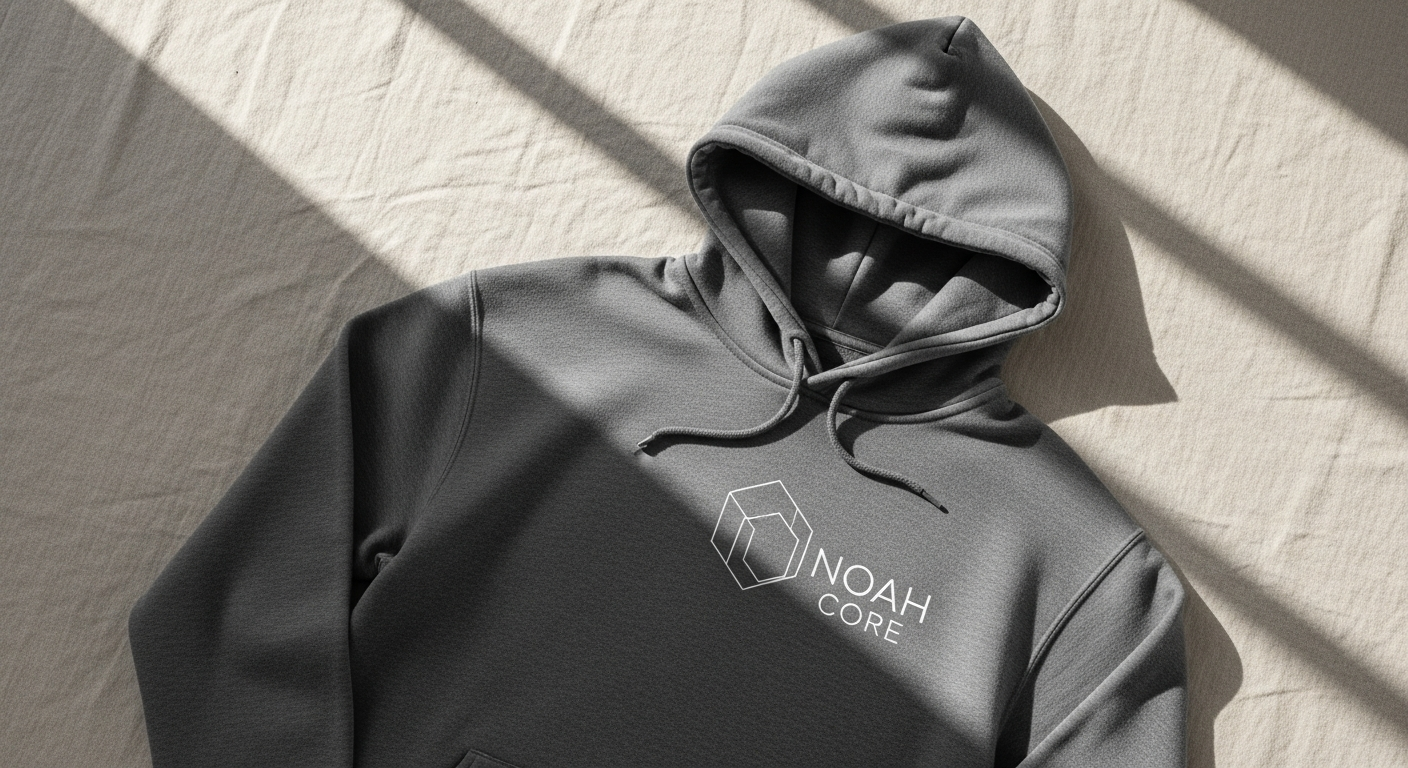
Discover why the Noah Core Logo Hoodie commands premium pricing in streetwear. Explore quality construction, ethical production, and timeless design that make this hoodie a wardrobe investment.
Streetwear aficionados accumulate hoodies like most people collect basic essentials, yet there's one piece that dominates their rotation: the Noah Core Logo Hoodie. When a garment gets worn 80% of the time despite sitting alongside five to seven alternatives, something fundamental is working. This isn't about trend-chasing or logo worship—it's about a product engineered to balance subtlety with uncompromising construction quality.
Noah Clothing LLC operates in a space most streetwear brands ignore. The brand rejects the oversized graphics and manufactured hype cycles that have consumed contemporary streetwear. Founded by Brendon Babenzien, the creative architect behind Supreme's most respected collections, Noah represents what happens when streetwear grows up. The philosophy prioritizes substance over spectacle, craftsmanship over cultural capital, and transparency over aspirational mythology.
The Core Logo Hoodie functions as more than merchandise—it's a case study in what modern streetwear becomes when a founder brings maturity and conviction to the category. Understanding why fashion insiders treat this piece as a wardrobe anchor requires examining its construction details, ethical foundation, design language, and the broader philosophy that separates Noah from competitors chasing the next hype cycle. Discover the Noah Core Logo Hoodie and experience the difference quality craftsmanship makes.
The Supreme Connection: Understanding Noah's Credibility in Modern Streetwear
Brendon Babenzien's Legacy and Noah's Brand Philosophy
Babenzien spent years architecting Supreme's most celebrated collections during the brand's creative peak. His tenure there wasn't defined by logos or merchandise—it was defined by an unrelenting focus on construction, fabric selection, and a design philosophy that treated streetwear as legitimate clothing rather than costume. When he founded Noah in 2015, that sensibility became the brand's foundational DNA.
The difference between Babenzien's approach at Supreme versus Noah reflects a fundamental philosophical shift. At Supreme, he worked within a system designed to generate hype and scarcity. At Noah, he constructed a brand that deliberately rejects those mechanisms. The Core Logo Hoodie embodies this distinction completely: it's permanently available, never artificially scarce, and never positioned as an exclusive collectible.
Why Former Supreme Designers Attract a Discerning Customer Base
Supreme's influence on contemporary streetwear remains undeniable, but the brand's cultural trajectory shifted significantly over the past decade. Babenzien's departure coincided with consumers seeking an alternative—a brand that acknowledged streetwear's roots in skate and surf culture without reducing those communities to aesthetic references.
Former Supreme designers carry credibility with audiences who understand that brand history. They've proven their ability to navigate the complicated space between commercial success and creative integrity. Noah customers aren't impressed by Babenzien's Supreme background as a status symbol; they value it because it signals he understands how to build something genuine within an industry prone to manufactured narratives.
How Noah Differentiates Itself from Supreme's Hype-Driven Model
Supreme operates on scarcity and cultural dominance. Product drops create urgency. Collaborations generate noise. The secondary market thrives on artificial scarcity and speculative trading. Noah operates on entirely different principles.
Noah's permanent collection approach means serious customers aren't competing with resellers and hype-chasers. The brand's website stocks core pieces year-round, including the Core Logo Hoodie in multiple colorways. Pricing remains consistent. Limited releases exist but aren't positioned as the foundation of the brand's appeal. This structural difference attracts consumers exhausted by hype-driven gatekeeping and interested in simply purchasing quality clothing.
Deconstructing Quality: What Makes the Core Logo Hoodie Worth the Premium Price
Heavy-Weight Cotton Construction and Durability Specifications
The Noah Core Logo Hoodie uses heavy-weight cotton that typically measures 10-12 ounces, substantially heavier than standard hoodies at 7-9 ounces. This weight difference isn't marginal—it directly impacts longevity and comfort. Heavier fabrics resist pilling, maintain shape through repeated washing, and develop character over time rather than deteriorating.
The cotton quality itself matters enormously. Noah sources premium-grade cotton that's processed to maintain fiber integrity rather than bleached excessively for aesthetics. This translates to fabric that softens with age rather than breaking down. Long-term owners report their Noah hoodies feeling better after two years of regular wear than most new hoodies feel fresh from a retail shelf.
Brushed Back Fleece Interior Technology and Thermal Properties
What distinguishes Noah hoodies from competitors operating at similar price points is the brushed back fleece lining. This technology involves brushing the interior side of the fabric, which raises the fibers and creates microscopic air pockets. These air pockets trap warmth without adding significant weight or bulk.
The practical result: a hoodie that provides thermal insulation comparable to much heavier garments while remaining packable and seasonally versatile. The brushed back process requires additional manufacturing steps and specialized equipment, which partially justifies the premium pricing. The comfort differential becomes immediately apparent when wearing a Noah hoodie against standard alternatives.
Embroidered vs. Printed Logo Options and Their Longevity Differences
Noah offers both embroidered and printed versions of the Core Logo, depending on release. This choice reflects intentional design thinking rather than cost-cutting measures.
Embroidered logos offer superior longevity—the thread resists cracking, fading, and deterioration far more effectively than screen-printed designs. The embroidery process requires precision machinery and skilled technicians, adding production cost but creating a logo that survives thousands of washing cycles. Printed versions cost less to produce but develop visible wear after extended use. Understanding the difference between available options allows consumers to make informed choices about their specific use case.
The Ethical Production Story: Beyond Marketing Language
Noah's Transparent Sourcing and Supply Chain Practices
Most clothing brands use ethics language as marketing content—Noah treats transparency as operational responsibility. The brand publishes detailed information about cotton sourcing, identifying specific farms and regions where raw materials originate. This level of transparency is genuinely unusual in contemporary streetwear.
The sourcing process prioritizes sustainable farming practices and fair compensation for producers. Noah's cotton primarily comes from regions with established labor standards and environmental regulations. The brand actively avoids suppliers operating in jurisdictions known for exploitative practices, which narrows the supply base but ensures consistent ethical standards.
Ethical Manufacturing Facilities and Labor Standards
Production occurs at facilities that meet independently verified labor standards. Noah publicizes its manufacturing partners, which creates accountability through transparency. The facilities operate under conditions that prioritize worker safety, reasonable working hours, and compensation aligned with regional living standards rather than subsistence wages.
This commitment isn't performative—it directly impacts production costs and, consequently, retail pricing. A significant portion of the $150-$200 price point reflects the difference between manufacturing at facilities with genuine labor standards versus facilities optimizing purely for cost reduction.
The Brand's Commitment to Sustainable Production Methods
Beyond labor and material sourcing, Noah implements sustainable production protocols throughout manufacturing. Water usage in production gets monitored and minimized. Dye processes use environmentally responsible methods. Waste products from manufacturing get diverted from landfills when possible. These processes require infrastructure investments that cheaper manufacturers simply don't undertake.
The brand also maintains a repair and resale program, extending product lifecycles and reducing overall consumption. This circular approach reflects a genuine commitment to sustainability that extends beyond individual products to systemic responsibility. Invest in the Noah Core Logo Hoodie and support ethical, sustainable manufacturing practices.
Design Philosophy: Blending Prep, Military, and Nautical Influences
The Noah Aesthetic: Where Streetwear Meets Classic Menswear
Noah's design language draws from three distinct traditions: prep (structured tailoring, heritage fabrics, refined details), military (utilitarian functionality, durable construction, practical color palettes), and nautical (heritage significance in action sports, maritime cultural references). These influences could clash aesthetically, but Noah synthesizes them into a coherent visual identity.
The Core Logo Hoodie embodies this synthesis perfectly. The structured silhouette reflects prep tailoring traditions. The heavy-weight cotton and utilitarian pocket design reference military practicality. The color palette and brand heritage connect to skateboarding and surfing's nautical cultural roots. No single influence dominates; instead, they create balanced proportions and timeless aesthetics that avoid looking dated or trend-dependent.
How the Understated Logo Reflects Minimalist Design Trends
The "Noah" chest logo typically measures 3-4 inches and uses simple lettering without decorative elements. It's prominent enough to function as branding—you know what you're wearing—but restrained enough not to dominate the garment visually. This restraint reflects a broader design philosophy prioritizing proportion and subtlety.
Minimalist design has influenced contemporary luxury and premium streetwear significantly, but most brands execute it poorly—they remove details without considering overall proportion, creating garments that feel incomplete. Noah maintains visual interest through fabric quality, construction details, and silhouette precision rather than decorative graphics. The understated logo becomes an asset rather than a compromise.
Color Palette Strategy: From Essential Neutrals to Seasonal Releases
Core colorways—heather gray, black, and cream—remain permanently available. These neutrals work across wardrobes and personal style preferences. Seasonal releases introduce colors like yellow, turquoise, burgundy, and olive green, typically limited but not artificially scarce. This strategy balances collection building with accessibility.
The colors themselves get selected thoughtfully. Noah avoids trendy hues that'll feel dated quickly; instead, releases feature colors with historical significance in military, nautical, or prep traditions. This gives each color release longevity beyond a single season.
Sizing, Fit, and Styling Across Different Body Types
Detailed Sizing Breakdown and Fit Comparison
Noah Core Logo Hoodies come in sizes XS through XXL. The fit runs true to size with a deliberate relaxed silhouette—not oversized but comfortable enough to layer. The chest width typically runs 0.5-1 inch larger than standard hoodies, and sleeve length sits proportionally longer.
This fit strategy accommodates various body types without requiring extreme sizing. Someone with a smaller frame finds the XS size appropriately proportioned rather than undersized. Someone larger finds adequate space without looking drowned. The relaxed approach means layering underneath remains practical and balanced rather than constrictive or bulky.
How the Hoodie Works for Various Body Types and Personal Style Preferences
Relaxed-fit hoodies historically struggle on smaller frames, appearing oversized and unflattering. Noah's proportional approach to sizing helps, but the key is understanding how the piece functions in context. Pairing with fitted bottoms—slim trousers, tapered pants, cropped trousers—creates visual balance regardless of body frame. The relaxed hoodie provides upper body volume that pairs naturally with structured lower body silhouettes.
For larger frames, the relaxed fit provides genuine comfort without requiring XXL sizing if that creates other proportion issues. The heavy-weight fabric drapes evenly rather than clinging or floating, maintaining visual structure and proportion across body types.
Layering Possibilities and Seasonal Versatility
The Noah Core Logo Hoodie functions across seasons through strategic layering. In spring and fall, it works as a standalone piece. In winter, lightweight long sleeves underneath provide extra warmth without bulk. In summer, casual styling with shorts works if the climate permits. The drawstring hood and kangaroo pocket add functionality that remains useful across seasonal transitions.
The heavy-weight construction provides genuine insulation, reducing the need for additional outerwear in mild cold. This versatility justifies year-round investment—you're not buying a cold-weather-only item but a piece that functions across seasons.
Color Options and Seasonal Releases: Building a Collection Strategy
Core Neutral Options and Essential Colorways
Heather gray, black, and cream form the permanent collection. These three options cover most styling scenarios across any wardrobe. Heather gray provides a softer alternative to pure black, offering versatility with both warm and cool-toned pieces. Cream works for spring and summer styling when black feels seasonally heavy. Black remains the foundational piece that everything works with.
Purchasing one color from the core collection provides a versatile piece that slots into existing wardrobes immediately. Most Noah customers own at least the heather gray and black versions because the utility justifies owning multiple versions of the same piece.
Seasonal Color Drops and Collectibility Factors
Seasonal releases typically feature two to four new colorways each quarter. These colors display historical significance—military greens, nautical blues, prep-inspired reds—rather than chasing trend cycles. Past seasonal releases have included forest green, navy, burgundy, mustard yellow, and stone gray.
Collectibility factors into Noah's appeal for enthusiasts building comprehensive collections. However, colorways remain available for extended periods rather than dropping for 48 hours and disappearing. This reduces speculative collecting but maintains genuine scarcity—you can't buy everything, but your favorite color won't vanish unexpectedly.
How Limited Releases Drive Demand and Resale Value
Unlike Supreme, Noah doesn't engineer artificial scarcity as a business strategy. Limited releases reflect genuine production planning rather than hype generation. This approach has interesting secondary market implications: Noah pieces don't command extreme premiums, but they maintain value effectively. A sought-after seasonal colorway in excellent condition typically sells on the secondary market at 70-85% of retail price rather than the 200-500% markups Supreme pieces command.
This pricing stability actually appeals to serious collectors—you're building a collection based on genuine appeal rather than speculative investment potential. The secondary market functions as a reasonable alternative to paying retail, but pieces don't depreciate dramatically.
The Price Justification Debate: Investment vs. Impulse Purchase
Breaking Down the $150-$200 Price Range Across Different Retailers
Most Noah hoodies retail for $168-$178 USD depending on retailer and location. Secondary retailers occasionally offer discounts during seasonal clearance, but the brand maintains consistent pricing. This stability reflects Noah's approach to valuing their products—pricing reflects production cost and margins rather than demand-based pricing strategies.
The $150-$200 range positions Noah above mid-tier brands like Carhartt WIP or Stüssy ($80-$120) but below luxury streetwear brands like Brunello Cucinelli or Stone Island ($250-$400). Noah occupies a specific market position: premium without entering luxury territory.
Cost-Per-Wear Calculation for Premium Hoodies
A $175 hoodie worn twice weekly for three years amounts to approximately 312 wear cycles. Cost-per-wear calculates to $0.56 per wearing. A $60 mid-tier hoodie worn twice weekly before deteriorating significantly after 1.5 years (156 wear cycles) costs $0.38 per wearing. The difference appears minor until considering comfort, fit, and aesthetic satisfaction across those hundreds of hours.
Premium pieces deliver value through durability and consistent satisfaction rather than cost-per-wear metrics alone. A hoodie you genuinely enjoy wearing becomes more valuable than a cheaper alternative you tolerate.
Comparison to Mid-Tier Brands and Luxury Brands
Mid-tier streetwear brands ($80-$120) prioritize cost efficiency over premium materials and ethical sourcing. You're purchasing recognizable branding and reasonable construction. Luxury brands ($250-$400) emphasize heritage, exclusive materials, and aspirational positioning. You're purchasing cultural capital alongside physical product.
Noah occupies genuinely different positioning: you're purchasing conscious consumption practices, proven expertise, and transparent manufacturing without aspirational marketing language. The price reflects actual production costs and ethical sourcing rather than brand mythology.
Why Discerning Consumers Choose Noah Over Competitors
Comparison to Supreme, Stüssy, and Other Heritage Streetwear Brands
Supreme pioneered contemporary streetwear but evolved toward hype-driven business models that frustrate consumers seeking quality-focused purchasing. Supreme's construction remains competent but doesn't justify the price-to-secondary-market-markup ratio that hype generates. Stüssy offers solid construction and longer heritage but operates with less design innovation. Carhartt WIP provides workwear-influenced durability but lacks the refined design language Noah brings.
Noah specifically appeals to consumers exhausted by hype mechanics who still want legitimate streetwear credentials. It's the alternative for people who understood why Supreme mattered culturally but feel alienated by its current trajectory.
The Appeal to Fashion Professionals and Industry Insiders
Fashion professionals—stylists, designers, editors—wear Noah not for status signaling but for practical reasons. The pieces function reliably in complex styling situations. The construction holds up through styling shoots and repeated wearing. The design language remains contextually relevant across seasons and trends. You see Noah hoodies in editorial spreads and behind-the-scenes fashion content because stylists genuinely prefer them, not because of sponsored relationships.
This authentic adoption by industry insiders creates a halo effect—regular consumers recognize that fashion professionals choose Noah deliberately rather than defaulting to Supreme or other recognizable brands.
How Editorial Coverage and Influencer Adoption Differ from Hype-Driven Brands
Noah receives editorial coverage in publications like GQ, Vogue, and Hypebeast because editors recognize design quality and brand philosophy worth discussing. This coverage doesn't create artificial demand; it acknowledges existing merit. Influencer adoption similarly skews toward creators building personal brands around authenticity rather than performing trend cycles.
Supreme generated extensive influencer coverage partly through engineered scarcity and status signaling. Noah coverage reflects genuine appreciation for product and philosophy. The distinction matters significantly—it indicates whether purchasing a piece aligns you with authentic aesthetic preference or trend-chasing performance.
Resale Market Insights and Collector Value
Secondary Market Pricing Trends for Noah Core Logo Hoodies
Noah pieces maintain value more effectively than most streetwear brands, but without the speculative pricing that distorts secondary markets. A sold-out seasonal colorway typically lists on Grailed or Depop at 75-90% of original retail. Rare early releases command slight premiums, but nothing approaching the multiples Supreme pieces fetch.
This stability reflects a customer base purchasing for personal use rather than speculative investment. Secondary market activity involves enthusiasts acquiring colorways they missed during original release rather than resellers flipping merchandise for profit.
Which Colorways Hold Value Best in the Resale Market
Neutral core colors (black, heather gray, cream) hold value effectively because demand remains consistently high. Seasonal colors popular during release maintain value better than less-favored colorways. Military-inspired colors like olive and forest green typically hold value better than trend-influenced colors introduced during specific seasons.
The distinction reflects genuine aesthetic preference. Colorways people actually wear and pair with existing wardrobes maintain demand; colorways purchased speculatively or for collector completeness depreciate more significantly.
Platforms Where Noah Pieces Sell and Authentication Concerns
Noah pieces primarily sell through Grailed, Depop, and Vestiaire Collective. Authentication concerns remain minimal because Noah's construction details and branding are difficult to counterfeit convincingly. The brushed back fleece lining, embroidery quality, and heavy-weight fabric create obvious points of verification. Counterfeit Noah hoodies exist but remain relatively rare compared to Supreme counterfeits.
Purchasing secondhand Noah requires basic quality checking—examining fabric condition, logo integrity, and construction details—but doesn't demand expert authentication expertise.
Making the Purchase Decision: Is the Noah Core Logo Hoodie Right for You?
Self-Assessment Questions for Determining If Premium Investment Makes Sense
Consider whether you genuinely wear hoodies regularly—multiple times weekly across seasons. A $175 hoodie justifies investment only if actual wearing cycles support it. Assess whether current wardrobe aesthetics align with Noah's design language—prep, military, nautical influences. The hoodie works best in wardrobes already featuring structured tailoring, neutral palettes, or heritage-inspired pieces.
Evaluate your ethical consumption priorities. The premium price includes sustainable sourcing and ethical manufacturing; if those factors don't meaningfully influence purchasing decisions, the additional cost feels unjustifiable. Consider whether design restraint appeals to you—if you prefer bold graphics and visible branding, Noah's understated approach may disappoint.
Evaluating Personal Style Compatibility and Wardrobe Integration
The Core Logo Hoodie works best in wardrobes featuring foundational neutral pieces, structured silhouettes, and heritage-inspired aesthetics. It integrates seamlessly with tailored trousers, cargo pants, structured shorts, and minimal footwear. It works less effectively in maximalist wardrobes emphasizing pattern mixing or bold graphics.
Think about how the piece functions seasonally and across styling situations. If your wardrobe already includes heavy-weight hoodies you wear regularly, purchasing Noah adds incremental value through design and ethics rather than providing essential functionality. If you lack a reliable premium hoodie, Noah's construction justifies primary investment.
Financial Considerations and Budget Allocation
A $175 hoodie represents significant spending for most consumers. Allocate purchases strategically within overall clothing budgets. If monthly clothing allocation runs $300-$500, a single $175 hoodie consumes meaningful resources requiring careful consideration. If monthly allocation exceeds $1000, the percentage impact becomes proportionally smaller.
Consider purchasing core colorways initially rather than attempting to build complete collections immediately. A heather gray hoodie provides maximum wardrobe utility and tests whether Noah's fit and aesthetic genuinely match your preferences before committing to additional colorways.
The Noah Core Logo Hoodie: A Wardrobe Anchor Worth the Investment
The Noah Core Logo Hoodie achieves something genuinely rare in contemporary fashion—it functions simultaneously as accessible investment and uncompromising statement about design philosophy and ethical responsibility. This isn't trend-driven merchandise. You purchase it because it'll genuinely improve your daily wardrobe experience and outlast the cultural movements that dominate fashion discourse.
The $150-$200 price point initially feels substantial until you calculate actual value across months and years. A hoodie worn twice weekly for three years costs less per wearing than most mid-tier alternatives while delivering superior comfort, construction, and design satisfaction. The math works, but the emotional payoff matters more—you're genuinely proud wearing this piece publicly.
What separates the Noah Core Logo Hoodie from commodified streetwear is its refusal to perform. The understated logo doesn't broadcast affiliation or trend awareness. The premium construction doesn't announce itself through visible details. The ethical sourcing doesn't require explanation or certification. These characteristics represent quiet confidence in production quality and design excellence. Brendon Babenzien built Noah with the specific intention of creating alternatives to hype-driven streetwear culture while maintaining genuine credibility within fashion contexts that matter.
Whether you're committing to your first premium hoodie or expanding an existing Noah collection, the Core Logo Hoodie functions as the logical entry point. It works across age groups, style preferences, body types, and seasons. It's the piece you reach for on lazy Sunday mornings and the garment you're genuinely comfortable wearing in professional or social contexts. It represents a specific approach to contemporary fashion—one that values substance, transparency, and lasting quality over manufactured urgency.
If premium streetwear investment has seemed unattainable or incompatible with your values, the Noah Core Logo Hoodie changes that calculation entirely. You're not compromising aesthetics or ethics; you're getting both without paying for aspirational mythology or speculative markup. Start your investment in authentic streetwear with the Noah Core Logo Hoodie today.