
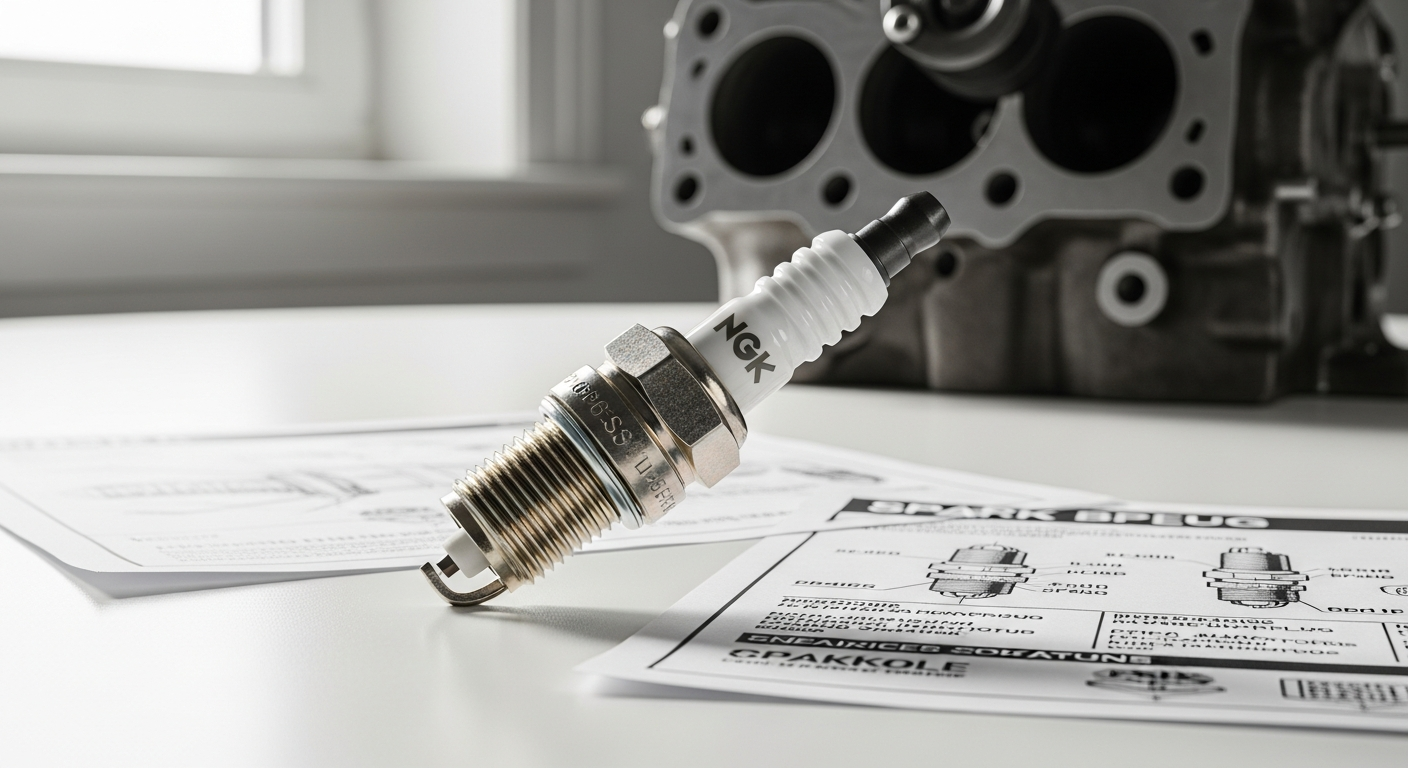
Discover the NGK BP6ES copper core spark plug specifications, heat range, and compatibility with classic engines. Learn why this affordable, reliable ignition component remains the go-to choice for vintage vehicle maintenance and restoration projects.
When you've invested thousands of pounds restoring a classic engine to showroom condition, the last thing you want is a sputtering misfire or a no-start situation on a cold morning. Yet countless enthusiasts overlook one of the most critical components in their entire ignition system: the spark plug. A single wrong choice here can undermine months of meticulous work, leaving your vintage beauty unreliable and frustrating to drive.
The NGK BP6ES copper core spark plug has become the quiet hero of classic automotive restoration. Weekend mechanics and seasoned restorers reach for it repeatedly because it delivers exactly what older engines need: straightforward reliability, period-correct performance, and the kind of durability that was engineered into vehicles decades ago. This plug doesn't rely on trendy materials or complex technology—it works because it understands what vintage engines actually demand.
Spark plug specifications might sound intimidating at first glance, but the technical details are genuinely logical once you know what each number and letter represents. The BP6ES designation encodes everything from heat range to resistor type, information that directly shapes how your engine performs. Whether you're rebuilding a British classic, a vintage motorcycle, or a European sports car from the golden age of automotive engineering, selecting the correct spark plug determines the difference between reliable ignition and chronic problems.
Breaking Down the NGK BP6ES: What Each Specification Means
Thread size and reach explained
The M14 x 1.25 thread specification tells you this plug fits the standard spark plug hole found in most classic engines. The thread diameter of 14 millimeters and the 1.25-millimeter pitch (distance between threads) create a secure fit across countless engine designs from the 1950s through the 1980s. The 19-millimeter reach—measuring the distance from the seating surface to the electrode tip—proves equally critical. This reach ensures the electrode sits precisely where the combustion chamber expects it, neither too deep nor too shallow. An incorrect reach can mean the difference between proper combustion and weak ignition, or worse, damage to the piston itself if the plug protrudes too far.
Hex size and socket compatibility
The 20.8-millimeter (or 21-millimeter) hex size refers to the width across the plug's hexagonal body. When you slide a spark plug socket over the plug, this dimension ensures a snug fit. Vintage vehicles often present tight engine bays where space matters, and matching the correct hex size prevents socket slippage during installation or removal. Using an oversized socket can strip the ceramic insulator or crack the plug entirely, turning a routine maintenance task into an expensive replacement.
Gap specification and ignition quality
The 0.8-millimeter gap—the distance between the center electrode and the ground electrode—directly influences spark quality. A properly gapped spark plug creates a consistent electrical discharge across this space. Too narrow a gap produces a weak spark; too wide a gap strains the ignition system and causes misfires. The BP6ES arrives pre-gapped at 0.8 millimeters, suitable for most classic applications. However, some engines may benefit from slight adjustments based on fuel quality, ignition system condition, or atmospheric altitude.
Heat range 6 designation
Heat range indicates how quickly the plug transfers heat from the combustion chamber to the engine's cooling system. A heat range of 6 sits in the medium zone—hot enough to burn off carbon deposits and prevent fouling, yet cool enough to resist pre-ignition and electrode erosion. This balanced approach makes the BP6ES appropriate for the majority of standard classic engines that run at moderate RPMs and temperatures. Colder or hotter heat ranges exist for specific circumstances, but range 6 represents the sweet spot for most vintage applications.
Nickel alloy center electrode
The center electrode uses nickel alloy rather than expensive iridium or platinum. Nickel alloy balances conductivity—the ability to transmit electrical current reliably—with durability and cost-effectiveness. Vintage engines were designed around nickel alloy electrodes, and using them maintains the original ignition characteristics. The material withstands repeated ignition cycles without degrading prematurely, making it dependable for thousands of miles of driving.
Non-resistor design (BP6ES vs. BPR6ES)
The absence of "R" in the BP6ES designation signals that this is a non-resistor plug. Some modern vehicles and emission-controlled engines require a built-in resistor to suppress radio frequency interference. The BPR6ES variant includes this resistor. However, classic engines predating widespread radio frequency shielding typically benefit from the non-resistor design, which offers cleaner spark delivery. Using the correct version prevents installation incompatibilities and ensures optimal performance for your specific vehicle.
Gasket seat type
The plug incorporates a gasket seat—a small sealing ring at the base of the plug that compresses against the cylinder head. This design prevents oil and fuel from seeping into the spark plug well, protecting the ignition circuit and maintaining combustion chamber integrity. The gasket seat has been the standard for decades, making it the appropriate choice for virtually all classic engines with conventional cylinder head designs.
Trivalent metal plating
The trivalent metal plating coating the outer surfaces provides anti-corrosion and anti-seizing benefits that prove invaluable in older engines. Classic vehicles often sit for extended periods between use, and moisture can cause corroded spark plugs to seize in place. The trivalent plating resists this corrosion, making removal and replacement far easier when maintenance time arrives. This thoughtful engineering detail transforms a routine task into something you can accomplish without fighting seized plugs.
Copper Core Technology: Why It Remains Relevant for Classic Engines
Heat dissipation advantages
The solid copper core running through the center of the plug excels at transferring heat away from the tip. Copper's thermal conductivity means heat moves rapidly from the hot combustion zone to the cooler upper regions of the plug, then to the cylinder head and cooling system. This efficient heat transfer prevents electrode degradation and maintains the correct operating temperature even during extended high-RPM runs. Modern engines with sophisticated cooling systems can manage cooler-running iridium plugs, but classic engines rely on copper's straightforward, predictable thermal performance.
Conductivity and spark quality
Electrical conductivity—the ease with which electrical current flows—directly impacts spark quality. Copper conducts electricity exceptionally well, creating reliable spark delivery across varying engine speeds and loads. From idle to full throttle, the plug maintains spark consistency without the complexity of resistive elements. This characteristic proved essential when classic engines were engineered, and it remains equally valid today for vehicles designed around those principles.
Preventing pre-ignition and electrode damage
Pre-ignition occurs when the fuel mixture ignites before the spark plug fires, causing engine knock and potential damage. The copper core's heat management prevents the spark plug itself from becoming so hot that it triggers unintended combustion. Maintaining the correct operating temperature through efficient heat dissipation protects electrode material from erosion and prolongs plug life. This protective quality makes copper core plugs particularly suitable for engines that might suffer from low-octane fuel or timing issues common in vintage vehicles.
Ceramic insulator ribs and flashover prevention
The ceramic insulator features corrugated ribs that prevent flashover—electrical current jumping across the insulator surface rather than across the gap where ignition should occur. These ribs increase the electrical path length, blocking unwanted arcing. A plug experiencing flashover produces weak or absent sparks, resulting in misfires and starting difficulty. The corrugated design has been proven effective across countless applications and engine conditions.
Triple seal system
Three sealing points around the plug base create redundant protection against leakage. The first seal ensures the gasket seat compresses properly against the cylinder head. The second protects the center electrode where it enters the ceramic insulator. The third seals the outer shell against moisture infiltration. Together, these three barriers maintain combustion chamber integrity and prevent oil from contaminating the ignition circuit. This multi-layered approach reflects the engineering standards that classic engines expect.
Durability in period-correct applications
Copper core plugs were the standard ignition component when most classic engines rolled off assembly lines. The BP6ES matches those original specifications, ensuring your engine operates exactly as its designers intended. Using period-correct components means your restoration maintains historical accuracy and benefits from engineering that was specifically validated for that engine platform. You're not retrofitting modern technology onto a vintage engine; you're running what worked originally.
Cost-effectiveness vs. advanced materials
A single NGK BP6ES typically costs between £1.96 and £5.33 in the UK, or $2.87 to $4.99 in the US. An iridium or platinum plug may last twice as long but costs three to five times more. For classic vehicles driven occasionally or maintained meticulously, copper core plugs offer superior value. You invest less per replacement and can keep spare plugs on hand without significant expense. This affordability makes regular maintenance accessible rather than a premium proposition.
Order your NGK BP6ES Copper Core Spark Plugs today and keep your classic engine running smoothly.
Fitment Across Classic Vehicle Platforms
British classics
Austin, Morris, Triumph, and Jaguar vehicles from the 1950s through the 1970s frequently specify the M14 x 1.25 thread with heat range 6. The BP6ES serves as an ideal choice for these iconic British machines, whether you're maintaining a daily-driver or restoring a show-quality example. British Leyland engines, the inline-four and inline-six powerplants that powered generations of British cars, were engineered around spark plug specifications that the BP6ES satisfies perfectly. Their straightforward cooling systems and combustion chamber designs benefit directly from copper core reliability.
European sports cars
Vintage Audi, BMW, and Mercedes models spanning multiple decades rely on standard M14 spark plugs. The BP6ES fits numerous European sports cars and touring vehicles from the classic era. BMW's two-liter engines, Mercedes' six-cylinder powerplants, and Audi's early fuel-injected and carbureted models often accept the BP6ES without complication. European engineering emphasized precision and standardization, making the BP6ES's consistent specifications a natural fit across the range.
Classic motorcycles
British and European motorcycle engines frequently feature spark plug holes sized for M14 threads. Whether you're maintaining a vintage Triumph, Norton, or BSA motorcycle, the BP6ES deserves consideration. Motorcycles often operate at higher sustained RPMs and temperatures compared to cars, but the heat range 6 designation handles these conditions reliably. The compact size of the plug suits tight motorcycle engine bays where space constraints matter considerably.
American muscle car compatibility
American V8 engines from various manufacturers typically use M14 spark plugs. While some American engines may prefer different heat ranges depending on displacement and tuning, numerous classic American cars accept the BP6ES. Smaller-displacement engines and those not heavily modified often perform well with the standard heat range 6. Before purchasing, verify your specific engine's heat range requirement to ensure proper fitment.
Cross-reference tools and resources
The Green Spark Plug Company and other specialist retailers provide compatibility databases and cross-reference charts. NGK's own fitment guides list thousands of engine applications with corresponding plug specifications. Modern online resources allow you to enter your vehicle's year, make, and model to confirm whether the BP6ES matches your needs. Using these resources prevents expensive mistakes and ensures first-time fitment success.
Common fitment mistakes
The most frequent error involves selecting the wrong heat range, resulting in fouling (too cold) or pre-ignition (too hot). Another mistake involves confusing the BP6ES with the BPR6ES resistor version, which causes incompatibility in non-resistor applications. Using the incorrect thread reach—perhaps substituting a 12-millimeter or 25-millimeter plug—can damage pistons or leave the electrode dangerously recessed. Always verify three critical details: thread size, reach, and heat range. A few minutes confirming specifications prevents hours of frustration.
Thread reach implications
The 19-millimeter reach positions the electrode tip at a precise depth within the combustion chamber. This depth was calculated during engine design to optimize spark location relative to piston travel and fuel mixture concentration. Using a shorter-reach plug leaves the electrode too far from the combustion zone, weakening ignition. A longer-reach plug risks contacting the piston, causing catastrophic engine damage. The 19-millimeter specification is non-negotiable for proper operation.
Installation, Maintenance, and Replacement Intervals
Pre-installation inspection
Before installing new plugs, examine each one for damage during shipping or handling. Check that the gap remains at the specified 0.8 millimeters—occasionally plugs shift slightly during transportation. Inspect the cylinder head spark plug holes for debris, corrosion, or previous damage. Clean holes thoroughly using compressed air or a small brush. A clean installation environment prevents dirt from entering the combustion chamber and contaminating the fuel mixture.
Torque specifications
Proper installation torque prevents damaging the ceramic insulator or stripping the thread. Most M14 spark plugs require torque between 15 and 25 Newton-meters (roughly 11 to 18 foot-pounds), depending on the cylinder head material. Aluminum heads typically require the lower end of the range, while cast iron tolerates slightly higher torque. Using a torque wrench rather than hand-tightening prevents over-tightening, which cracks ceramics, and under-tightening, which allows vibration to loosen the plug.
Gap adjustment procedures
While the BP6ES arrives pre-gapped, certain engine modifications or fuel types may warrant adjustment. A feeler gauge allows precise measurement of the current gap. To adjust, gently pry the ground electrode away from the center electrode to increase gap, or bend it toward the center to decrease gap. Avoid damaging the center electrode during adjustment—ceramic is brittle and bending stresses the electrode. Many classic engine builders prefer having a professional gap plugs to exact specifications rather than attempting adjustment themselves.
Removal techniques for vintage engines
Spark plugs in older engines frequently corrode and seize after years of exposure to moisture and vibration. Attempting to force removal risks breaking the ceramic or stripping the hole. Apply penetrating oil around the plug base and allow it to soak for several hours or overnight. A gentle rocking motion while pulling, using steady pressure rather than sudden force, often frees stubborn plugs. Specific tools like spark plug extractors exist for severely seized situations. Patience and the right technique prevent expensive cylinder head damage.
Replacement frequency for copper core plugs
Copper core plugs typically require replacement every 15,000 miles or annually, whichever comes first. This interval reflects the copper material's wear characteristics compared to more exotic metals. However, the actual lifespan depends on driving patterns, fuel quality, and engine condition. Frequent starts and stops shorten plug life more than steady cruising. Similarly, rich fuel mixtures or timing problems accelerate degradation. Establishing a regular inspection schedule allows you to replace plugs before failure causes starting problems or misfires.
Signs of plug degradation
Examine removed plugs carefully for signs of wear. Normal operation produces a light tan or gray coloring on the insulator. Black, sooty deposits indicate a too-cold plug or rich fuel mixture. White or tan deposits concentrated on the electrode suggest overheating. Severe electrode erosion, where material has visibly worn away, signals that replacement has become overdue. Comparing old plugs to new ones provides visual confirmation of wear patterns and helps predict when the next replacement cycle should occur.
Seasonal considerations
Cold weather affects spark plug performance in multiple ways. Starting engines in freezing conditions demands more spark energy than warm-weather starts. A plug marginal on cleanliness may fail to ignite cold fuel mixtures. Conversely, summer heat increases plug temperatures, potentially pushing borderline plugs into pre-ignition territory. In climates with extreme temperature swings, monitoring plug condition before seasonal transitions prevents unexpected starting problems. Winter storage requires particular attention—moisture accumulation in dormant engines accelerates corrosion.
The NGK BP6ES vs. Competing Copper Core Options
NGK BP6ES versus Champion J6C
The Champion J6C represents another widely available copper core alternative with similar M14 threading and heat range characteristics. Both plugs serve comparable applications and price points. NGK maintains a reputation for tighter quality control and more consistent performance across production batches. The BP6ES's superior corrosion resistance through trivalent plating provides advantages in climates with high humidity or frequent storage. For most applications, either plug performs adequately, but the NGK brand reputation and anti-corrosion features edge ahead.
NGK BP6ES versus Bosch W8AC
Bosch's W8AC plug shares similar specifications and application ranges. The primary difference lies in electrode material composition and plating technology. The BP6ES's trivalent plating versus alternative Bosch treatments shows marginal differences in corrosion resistance. Both perform reliably in classic engines, but sourcing and availability may favor NGK depending on your location and supplier relationships. Testing both in your specific engine and comparing plug condition after several thousand miles reveals any practical performance distinctions.
Iridium and platinum alternatives
Iridium and platinum spark plugs boast significantly longer lifespans—30,000 to 100,000 miles compared to copper core's 15,000 miles. However, these advanced materials cost substantially more per plug. For classic vehicles driven infrequently, the longer lifespan provides minimal practical benefit. A copper core plug replaced every 15,000 miles at minimal cost often proves more economical than an expensive iridium plug that lasts three times longer but costs five times more. Additionally, classic engines were engineered and validated with copper core plugs; upgrading to advanced materials introduces variables that may not benefit older combustion chambers.
Resistor plug comparisons (BPR6ES)
The BPR6ES adds a built-in resistor that suppresses radio frequency interference, essential for vehicles with sensitive electronics and radio receivers. Classic engines predating widespread radio frequency shielding typically don't require this feature. Using a resistor plug in a non-resistor application adds unnecessary complexity and slightly reduces spark energy. Conversely, omitting a resistor where one is needed produces radio interference and potential ignition problems. Verify whether your engine requires the resistor variant before purchasing.
OEM equivalents across manufacturers
Different manufacturers use varying heat range numbering systems. NGK's range 6 may correspond to heat range 7 in Bosch's system or heat range 10 in Champion's lineup. Using an equivalent heat range from a different manufacturer requires consulting cross-reference guides to ensure proper matching. The confusion arising from manufacturer-specific numbering systems has led many restorers to standardize on NGK products where cross-reference certainty exists. Consistency eliminates guesswork and ensures reliability across multiple plugs.
Price-to-value analysis
At £1.96 to £5.33 per plug in the UK, or $2.87 to $4.99 in the US, the BP6ES represents outstanding value in ignition components. Stocking several spares costs minimal money while ensuring you're never stranded with a failed plug. The affordable price also encourages regular preventive replacement rather than waiting until degradation causes performance problems. Spending slightly more on reputable NGK products delivers quality assurance that bargain-basement alternatives cannot match.
Longevity trade-offs
The shorter lifespan of copper core plugs compared to advanced materials reflects their application context. Classic vehicles are maintained lovingly by dedicated owners who perform regular inspections and replacements as routine maintenance. The straightforward simplicity of the BP6ES—no complex internal structures or exotic coatings—means no unexpected failures from manufacturing defects. Many classic car enthusiasts prefer predictable replacement intervals with affordable plugs over uncertainty with expensive premium options.
Troubleshooting Common Issues with Copper Core Plugs
Black, sooty deposits
Black, sooty accumulation on the ceramic insulator and electrodes indicates a too-cold plug unable to burn off carbon deposits, or a too-rich fuel mixture feeding excess gasoline into combustion. If multiple plugs show this pattern, suspect fuel system problems like a dirty carburetor or malfunctioning choke. If only one or two plugs appear fouled, that cylinder may have compression problems or a leaking fuel injector (if applicable). The soot itself isn't dangerous but signals underlying conditions requiring attention. Using a hotter heat range plug sometimes helps, but addressing the root cause prevents the problem from recurring.
White or tan deposits
White or tan discoloration concentrated on the electrode tip suggests a too-hot plug or advanced ignition timing. The plug is running so hot that the fuel is burning away the insulator material. Continued operation risks electrode erosion and eventual plug failure. Using a colder heat range plug (going from range 6 to range 7, for example) lowers operating temperature. Simultaneously, have ignition timing checked—overly advanced timing elevates combustion temperatures and accelerates wear. This combination of plug and timing adjustment typically resolves the issue.
Electrode erosion patterns
Severe erosion, where material has visibly worn away from either electrode, indicates the plug has exceeded its service life. Reading erosion patterns provides diagnostic clues: rounded electrode tips suggest normal wear from age, while sharp material loss indicates pre-ignition or detonation. Asymmetrical erosion favoring one electrode may signal timing problems or fuel quality issues. Comparing worn plugs to fresh ones highlights just how much material transfers during the plug's lifetime. This visual evidence justifies regular replacement intervals.
Corrosion and seizing
White or green corrosion around the plug base and threads makes removal difficult. Vintage engines exposed to moisture during storage develop corroded plugs that virtually lock into place. The trivalent plating on the BP6ES resists this corrosion significantly better than unplated alternatives. However, even with superior plating, climates with persistent humidity may see some corrosion develop. Applying penetrating oil hours before removal, then using gentle techniques rather than force, prevents broken ceramic and stripped threads.
Misfiring and weak spark
Misfiring symptoms—hesitation, stumbling, or rough idle—may stem from spark plugs or ignition system components. To isolate the plug as the culprit, remove and visually inspect it. Extreme fouling, severe erosion, or visible cracks indicate the plug itself is failing. A plug that appears normal usually means the ignition coil, points, condenser, or plug wires require attention. Systematically testing and ruling out other components confirms whether the plug or ignition system needs replacement.
Starting difficulties in cold weather
Cold temperatures reduce fuel volatility, making combustion more difficult. Weak spark from marginal plugs becomes a real problem in freezing conditions. A cleaner plug with properly managed gap provides better cold-start performance. Ensuring fuel mixture is set correctly for seasonal conditions helps significantly. If cold-start problems suddenly appear mid-winter, don't immediately blame the spark plugs—check battery condition, fuel system function, and ignition timing before replacing working plugs.
Spark plug fouling prevention
Maintaining proper carburetor adjustment or fuel injection tuning prevents rich mixture conditions that foul plugs. Regular ignition system maintenance—cleaning or replacing points, checking coil output, verifying timing—extends plug life considerably. Installing high-quality plug wires minimizes electrical losses and ensures maximum spark energy reaches the gap. Avoiding extended idling and using correct fuel octane ratings protects plugs from degradation. These preventive measures transform plug maintenance from reactive replacement into infrequent, predictable service.
Why Classic Engine Builders Choose the NGK BP6ES
NGK's reputation in ignition components
NGK has manufactured spark plugs for over eighty years, earning a reputation for consistent quality across automotive and powersports industries. Professional mechanics, restoration specialists, and weekend enthusiasts worldwide specify NGK plugs because they've proven reliable across countless engine types and operating conditions. This track record provides confidence that you're purchasing a proven product rather than experimenting with untested alternatives. When your classic engine's ignition depends on reliability, choosing a brand with decades of validation makes inherent sense.
Period-correct performance
Using components matching original specifications maintains the historical integrity of your restoration. The BP6ES's specifications align with what classic engines were engineered to accept, ensuring performance characteristics match the designer's intent. You're not retrofitting modern technology onto a vintage platform; you're running the proven solution that worked originally. This philosophical approach appeals to purists and practical restorers alike, ensuring your classic performs exactly as intended.
Proven track record
Countless classic cars, motorcycles, and vintage equipment run on NGK BP6ES plugs daily. This widespread adoption across diverse applications provides real-world validation that the plug performs reliably in varied conditions. Classic car clubs, restoration forums, and specialist mechanics consistently recommend the BP6ES, creating a virtuous cycle where proven success drives continued selection. When thousands of experienced builders make the same choice, it reflects genuine performance data rather than marketing claims.
Accessibility and availability
The Green Spark Plug Company and mainstream automotive retailers stock the BP6ES, making acquisition straightforward. You're not hunting rare replacement components; the plug is readily available at competitive prices. This accessibility means you can maintain spare plugs without expense or difficulty, ensuring you're never stranded by ignition failure. Easy sourcing also supports long-term ownership of classic vehicles, where years of reliable parts availability matters significantly.
Community endorsement
Classic car enthusiasts share experiences through forums, clubs, and personal networks. The BP6ES receives consistent positive mentions because owners have experienced its reliability firsthand. This community validation carries more weight than any marketing claim—it represents unbiased feedback from people who have invested significant time and money into their vehicles. When the grassroots classic car community recommends something, you're hearing from experienced voices.
Balancing performance and affordability
Classic engines don't require exotic ignition components to perform beautifully. The BP6ES delivers reliable, consistent performance without premium pricing. This balance allows you to maintain your vintage vehicle affordably while ensuring ignition reliability. You avoid the false economy of cheap plugs that fail prematurely, while also avoiding unnecessary spending on premium materials that offer no practical benefit for your engine type. This value proposition explains the BP6ES's enduring popularity among cost-conscious restorers.
Compatibility breadth
A single plug specification serves British classics, European sports cars, motorcycles, and American vehicles. This broad compatibility reduces inventory complexity for restorers maintaining multiple vehicles. Whether you're switching from your Triumph motorcycle to your Austin-Healey roadster, the same BP6ES works in both engines. This universality across platforms offers practical convenience and ensures you develop deep familiarity with a single, proven plug.
The Right Spark Plug Makes All the Difference
The NGK BP6ES copper core spark plug embodies everything that makes classic engine maintenance straightforward and reliable. This plug isn't burdened with cutting-edge technology or exotic materials—it simply delivers consistent ignition performance exactly as vintage engines expect. You get dependable starts, smooth running across the RPM range, and the confidence that your ignition system reflects your vehicle's original engineering intent.
Specifications matter profoundly in ignition components. The M14 x 1.25 thread ensures proper fitment; the 19-millimeter reach positions the electrode correctly; the heat range 6 designation provides the thermal balance that classic engines need; the non-resistor design maintains spark integrity without unnecessary complexity. These details work together seamlessly, creating the performance profile that distinguishes a good plug from an unsuitable alternative.
Installation requires only basic tools and straightforward procedure. Replacement intervals are predictable and inexpensive compared to alternatives. When maintenance time arrives, the BP6ES delivers affordability without sacrificing quality. You spend less time troubleshooting ignition problems and more time enjoying your classic on the road where it belongs.
Whether you maintain your classic as a weekend driver enjoying spirited countryside runs or restore it to show-quality condition, the foundations remain identical: reliability and authenticity matter. The NGK BP6ES provides both, combining proven performance with specifications that respect your vehicle's original design.