
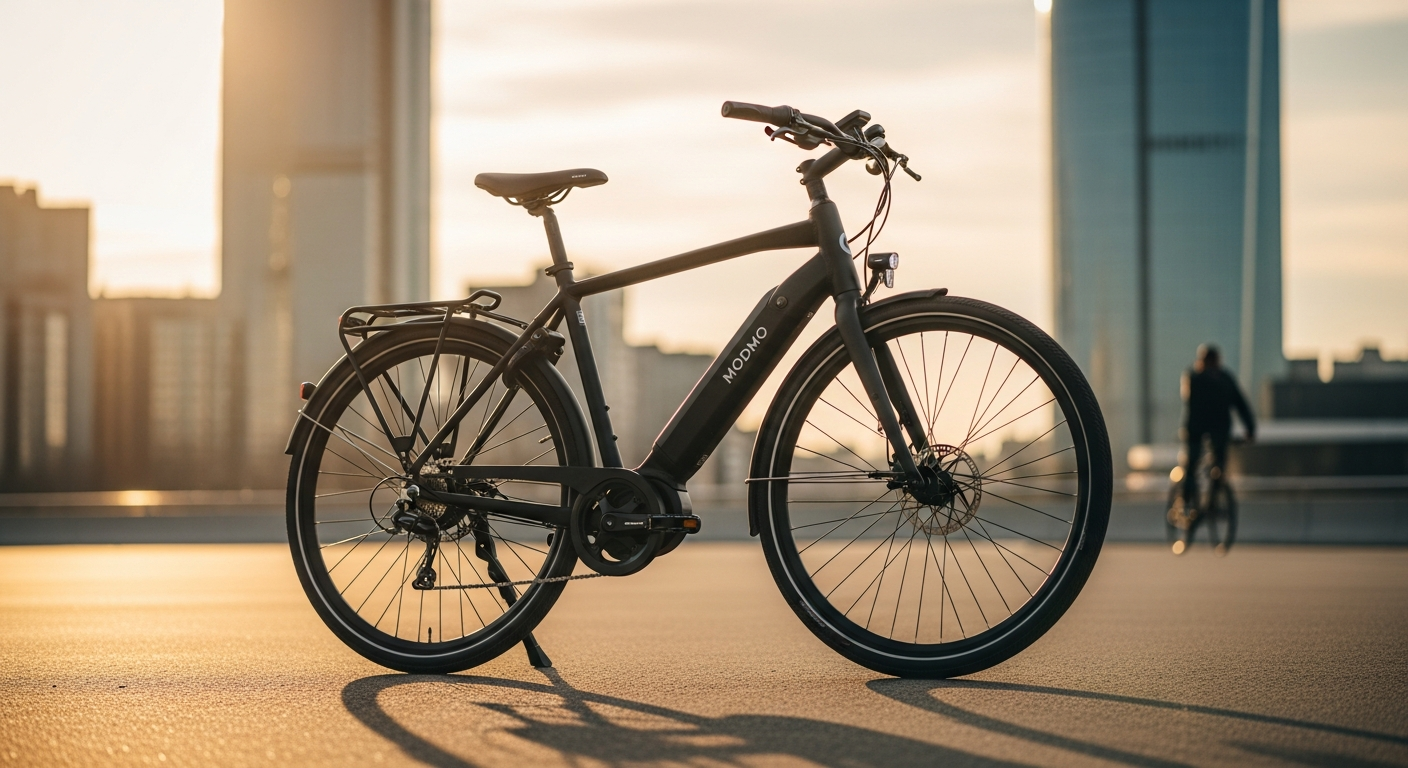
Discover why the Modmo Saigon+ Urban Electric Bike reshapes urban mobility with 200km range, smart GPS tracking, and discreet design. Explore features, pricing, and real-world performance for city riders.
The Modmo Saigon+ deliberately eschews the bulky, industrial aesthetic that dominates most e-bike designs. Instead, it mimics the clean lines and proportions of a traditional road bike, making it virtually indistinguishable from a non-motorized bicycle at first glance. This design choice isn’t merely cosmetic—it’s a strategic philosophy addressing real urban cycling concerns.
Riders who prefer discreet electric assist appreciate the Saigon+ for this reason alone. The minimalist frame geometry avoids the telltale oversized tubes and motor housings that broadcast “expensive electric bike” to potential thieves and casual observers. In densely populated cities where bicycle theft remains a persistent problem, this stealth factor provides genuine security advantages. The bike blends into the landscape of commuter traffic rather than standing out as a high-value target.
Visual Simplicity and Community Perception
The sleek aesthetic also influences how cycling communities perceive the bike. Traditional cyclists sometimes harbor skepticism toward e-bikes, viewing them as “cheating” or outside the spirit of cycling. The Saigon+ sidesteps this social friction by presenting itself as a legitimate bicycle first, with electric assistance as an invisible enhancement rather than the primary identity.
Comparing this approach to bulkier e-bike designs reveals the trade-offs clearly. Brands prioritizing power delivery and aggressive styling often accept the visibility that comes with larger motor housings and battery packs. The Saigon+ trades some of that raw aesthetic boldness for integration and restraint. For urban riders who care about how their bike looks and how others perceive it, this design language becomes a selling point rather than a compromise.
Explore the Modmo Saigon+ and experience stealthy urban e-biking today.
Motor Power & Assistance Levels: Understanding the 250W Front Hub System
The 250-watt front hub motor sits at the heart of the Saigon+ drivetrain. This power output represents the legal threshold in many European markets, making it a practical choice for urban riding where regulations matter. The motor provides smooth, responsive assistance through five adjustable power levels, allowing riders to customize how much boost they want at any moment.
In city traffic scenarios, this motor shines during acceleration from traffic lights and when navigating around slower-moving vehicles. The responsiveness is immediate—twist the throttle or trigger pedal assist, and the bike propels forward without lag. Real-world performance across varied terrain shows the motor handling moderate hills and inclines competently, though steeper climbs demand higher assistance levels and greater battery drain.
Front Hub Motors: Strengths and Limitations
Front hub motors differ significantly from mid-drive systems, and understanding these differences clarifies the Saigon+’s positioning. The front placement offers simplicity: the motor integrates directly into the wheel hub with minimal mechanical complexity. This reduces maintenance burden and eliminates the stress mid-drive motors place on the drivetrain components.
However, front hub motors come with recognized trade-offs. They can’t leverage the bike’s gearing system for mechanical advantage on hills, meaning the motor must work harder in lower-speed, high-torque situations. Weight distribution shifts forward, which some riders find affects handling characteristics. Safety considerations also arise—front-wheel drive can create traction issues on wet surfaces compared to rear-wheel systems. For urban commuting at moderate speeds on relatively flat terrain, these limitations rarely matter. For riders tackling sustained climbs or rough off-road sections, mid-drive alternatives become more attractive.
The Saigon+ motor maintains consistent efficiency across different riding conditions. In low-assist modes on flat terrain, battery drain remains minimal, extending overall range. In high-assist modes climbing urban hills, the power consumption increases proportionally but remains predictable. This predictability helps riders develop accurate expectations for range in their specific riding environment.
Range That Actually Reaches 200km: The 666Wh Battery Deep Dive
The custom removable 666Wh battery represents the Saigon+’s most compelling specification. Two hundred kilometers of range on a single charge positions this bike favorably against competitors, effectively eliminating range anxiety for most commuting scenarios. The removability factor adds practical convenience—you can charge the battery at home, in your office, or anywhere with a power outlet, rather than tethered to the bike.
Achieving that 200km range requires realistic expectations about the variables that influence real-world performance. Rider weight substantially impacts range; heavier riders experience noticeably shorter distances than lighter ones. Terrain plays an enormous role—flat, smooth urban streets yield maximum range, while hilly topography demands more battery capacity. Weather conditions matter too; cold temperatures reduce battery efficiency, while wind resistance increases energy consumption. Perhaps most importantly, the assistance level chosen by the rider determines range more than any other factor. Riding exclusively in high-assist mode drains the battery far faster than mixing lower and higher assistance strategically.
Battery Life and Practical Usage
The removable design opens possibilities beyond convenience. Riders can carry a spare battery for exceptionally long days, effectively doubling their range potential. The battery integrates standard charging protocols, meaning typical charging times fall in the four to six-hour range depending on charger capacity. Most users develop a routine of charging overnight, effectively providing fresh battery capacity for daily commutes.
Battery degradation represents a long-term consideration. Lithium batteries lose capacity gradually over years of use, with most batteries retaining 80-85% of original capacity after 500-1000 charge cycles. For typical urban commuters using the bike three to five days weekly, this translates to several years of excellent performance before noticeable range reduction occurs. Replacement costs and availability of future battery packs remain important questions, particularly given the brand’s organizational history.
Practical daily usage scenarios show the 200km range exceeds realistic urban commuting needs for most riders. A fifty-kilometer round-trip commute uses only a quarter of the battery capacity, allowing multiple commute cycles per charge. Weekend recreational rides remain viable with range to spare. Even ambitious exploration of a city spanning thirty to forty kilometers in a day with multiple stops and varied terrain leaves battery reserve.
Smart Technology Integration: Handlebars as Command Center
The integrated smart digital display built into the handlebars represents a defining feature of the Saigon+ experience. Rather than mounting a separate display unit, the information architecture lives within the handlebar controls themselves. This integration eliminates visual clutter and the appearance of aftermarket hardware bolted onto a minimalist bike.
Real-time data streams continuously: speed, distance traveled, cumulative trip information, and remaining battery percentage. A smartphone can pair via Bluetooth for app integration, extending functionality beyond the handlebar display. The 4G GPS tracking capability provides navigation assistance and security monitoring, creating a connected ecosystem that feels contemporary and purposeful.
Smart Features and Their Practical Application
Security alerts notify riders if someone attempts to move or tamper with the parked bike, addressing theft concerns beyond the visual stealth factor. Navigation guidance through the connected app system turns the Saigon+ into an intelligent urban companion rather than a basic transportation device. Speed and distance metrics appeal to riders who enjoy data tracking and performance monitoring across different routes and weather conditions.
The integration creates an enhanced riding experience that justifies the technological premium. Riders become aware of their efficiency improvements, can identify which routes and conditions maximize range, and develop more informed assistance level choices. This feedback loop encourages engagement with the bike’s capabilities rather than treating it as passive transportation.
Discover the smart integration that transforms your urban commute with Modmo Saigon+.
Safety Features That Keep You Visible & Protected
The multi-point LED lighting system strategically positions illumination across the bike for maximum visibility without creating a fragmented, chaotic appearance. Front, rear, handlebar ends, and seatpost all incorporate LED elements, creating a comprehensive lighting envelope that addresses visibility from multiple angles and distances.
Brightness performance in low-light urban conditions meets practical requirements for commuting. The front lights cut through darkness to illuminate roadway obstacles while making the bike visible to approaching traffic. Rear lights broadcast the bike’s presence to vehicles behind without excessive intensity that causes eye strain. Handlebar and seatpost lights enhance side visibility, particularly important when filtering through traffic or navigating busy intersections.
Braking Performance and Integration
Hydraulic disc brakes on both wheels provide consistent, powerful stopping force across varying conditions. Wet pavement reduces friction on traditional rim brakes; hydraulic disc systems maintain reliable braking despite moisture and temperature variations. Stopping distance remains predictable whether surfaces are dry or rain-slicked, building confidence in urban riding scenarios where sudden stops occur frequently.
The braking integration with the smart display extends beyond mechanical function. The system can alert the rider to brake maintenance needs and monitor braking patterns. On e-bikes, regenerative braking isn’t available with this motor configuration, but the hydraulic system provides superior modulation and control compared to mechanical alternatives. The overall visibility strategy combines active lighting with passive reflectivity, creating a bike that commands attention in busy city streets and minimizes the likelihood of traffic conflicts through clear, unmistakable presence.
The Gates Carbon Drive Belt: Durability Without the Chain Hassle
The Gates Carbon Drive belt replaces traditional chain systems with a modern alternative that fundamentally changes the maintenance and operational characteristics. This engineering choice prioritizes longevity and cleanliness over traditional mechanical simplicity.
Carbon belt technology transmits power through a synchronous design—teeth on the belt engage with cogs on the drivetrain components, preventing slippage while distributing force evenly. This mechanism runs cleaner than chains, which shed lubricating oil and attract dirt and grime that inevitably transfer to your clothing and skin. Urban commuters appreciate the elimination of grease stains and the need for frequent chain cleaning and maintenance.
Durability and Service Life
Low-maintenance operation extends service intervals dramatically. Traditional chains require regular lubrication, tension adjustment, and eventual replacement as wear accumulates. Gates Carbon Drive belts operate for thousands of kilometers with minimal attention. The manufacturer claims belt life exceeding chain systems, with many riders achieving 10,000+ kilometers before replacement becomes necessary. For urban commuters clocking 3,000-5,000 kilometers annually, a belt can last several years.
The durability advantages translate directly to reduced ownership costs and hassle. No chain cleaning sessions, no sudden breakdowns from worn links, no need to carry spare links for emergency roadside repairs. The smooth, quiet operation characteristic of belt drives enhances the riding experience—you hear the motor assist and wind noise, but not the mechanical whir of a chain engaging gears.
Cost implications require acknowledgment. Belt replacement isn’t cheap, and availability of replacement parts depends on Modmo’s supply chain and parts ecosystem. The Gates brand itself carries good reputation, but finding compatible replacements requires checking compatibility specifications carefully. Long-term, the total cost of ownership likely favors the belt system despite higher replacement costs, simply due to the extended intervals between replacements.
Modularity & Accessory Compatibility: Customizing for Your Lifestyle
The tool-free attachment system for baskets, child seats, and saddlebags transforms the Saigon+ from single-purpose commuter bike into a flexible urban platform. Riders can snap on a cargo basket for grocery runs, attach a rear rack for longer trips, or add a child seat for school pickup duty—all without tools and without permanently altering the bike’s profile.
This flexibility extends the bike’s utility significantly. A minimalist commuter can maintain the stealthy aesthetic on solo rides, then add cargo capacity when circumstances demand. Parents can switch between solo riding and family transport modes easily. Different accessories suit different seasons and purposes: lightweight road bag in summer, weatherproof saddlebag for winter commuting, cargo basket for weekend errands.
Accessory Ecosystem and Practical Customization
The available accessory ecosystem continues expanding, with both Modmo-branded options and compatible third-party products. This growing selection means riders can find solutions that match their specific needs rather than compromising on bike versatility. Weight distribution considerations become relevant with heavy cargo—the bike handles balanced loads well, but extreme weight concentration affects handling characteristics and range.
Practical examples illuminate the modularity benefits. A commuter might pair a small handlebar bag for everyday essentials, adding a rear cargo basket on days when carrying larger items. A parent might install a child seat and weatherproof saddlebag for school transport. Weekend explorers can optimize for longer rides with minimal carrying capacity. The flexibility extends the Saigon+’s appeal across different rider profiles and use cases, rather than forcing compromise between aesthetics, simplicity, and functionality.
Weight & Portability: 17kg in the Context of E-Bike Standards
At 17 kilograms, the Saigon+ ranks among the lighter e-bikes available, though context matters for proper perspective. Traditional road bikes weigh five to eight kilograms; mid-range e-bikes often exceed 25 kilograms. The Saigon+ finds a practical middle ground—noticeably heavier than acoustic bikes, yet meaningfully lighter than many electric alternatives.
This weight positioning creates practical implications for urban riders. Carrying the bike up apartment stairs remains feasible for average adults, though not effortless. Lifting it onto a bike rack or into a car trunk requires some effort but doesn’t demand exceptional strength. The lighter mass compared to heavier e-bikes improves handling characteristics, particularly in tight urban spaces where maneuverability matters.
Weight Impacts on Performance and Portability
Handling and maneuverability benefit from the relatively light weight. The bike responds quickly to steering inputs and feels agile when navigating through traffic or executing sharp turns on city streets. This responsiveness contributes to the overall riding experience, making the Saigon+ feel more like a performance bicycle than a utilitarian cargo hauler, despite its electric capabilities.
Battery life and motor efficiency improve with lighter overall mass. The 250-watt motor doesn’t work as hard propelling 17 kilograms compared to heavier e-bikes, extending range and reducing battery strain. For riders considering multi-modal commuting—combining e-bike segments with train or bus travel—the lighter weight matters. A 17-kilogram bike is manageable to carry onto public transportation; a 30-kilogram e-bike becomes genuinely burdensome.
Frame construction and material choices supporting lightweight design include aluminum alloys that balance strength and weight. The solid frame design without suspension contributes to the light weight while maintaining structural integrity. This engineering approach prioritizes efficiency and responsiveness over maximum comfort on rough surfaces, reinforcing the Saigon+’s positioning as an urban speed and efficiency platform rather than an all-terrain adventure machine.
Pricing Breakdown: Value Proposition at €1,599 and Beyond
The base model Saigon+ priced at €1,599 positions it firmly in the premium urban e-bike segment. This isn’t an entry-level platform—it represents a significant investment requiring serious commitment to e-biking. The companion Saigon S variant drops the price to approximately €1,749 while offering only 75-kilometer range and single-speed simplification, making it a less compelling value unless budget constraints dominate decision-making.
Seasonal discounts and promotional opportunities occasionally reduce the effective price, with occasional sales bringing the Saigon+ into the €1,400-€1,500 range. These promotions aren’t guaranteed, and availability varies by market and timing. Financing options and payment plans through select retailers improve accessibility for buyers unable to pay the full amount upfront, effectively lowering the monthly financial burden.
Long-Term Value Assessment
Cost-per-kilometer analysis provides perspective on long-term value. For a rider clocking 5,000 kilometers annually over a five-year ownership period, the total bike cost divided across 25,000 kilometers yields approximately €0.06 per kilometer. Factoring in minimal maintenance costs due to the belt drive and simple motor system, total operating costs remain low compared to car transportation. From this analytical perspective, the premium price justifies itself against the transportation alternatives it displaces.
Comparison with competing urban e-bikes in the same price bracket reveals the Saigon+ holds its position well. Competitors offering similar range and technology integration typically cost between €1,500-€1,800. The Saigon+ distinguishes itself through the stealthy aesthetic and smart integration, justifying the premium for riders who value these attributes. Budget-conscious alternatives exist below €1,000, but they sacrifice range, build quality, or design refinement.
Real-World Performance: What Urban Riders Actually Experience
Acceleration and responsiveness in stop-and-go city traffic position the Saigon+ as a capable commuter. The motor delivers assistance smoothly without jerky power delivery, making acceleration from traffic lights feel natural and controlled. Responsiveness to rider input remains immediate—the bike doesn’t lag when assistance activates, creating confidence in urban navigation.
Climbing ability on urban hills remains respectable within realistic expectations. Moderate inclines encountered in most cities present no challenge to the 250-watt motor. Steeper sustained climbs demand higher assistance levels, increasing battery consumption. On very steep grades, the motor works harder but doesn’t overwhelm or feel strained. Riders tackling regular steep climbs should expect range reduction and may want to consider higher-power systems.
Handling, Comfort, and Environmental Resistance
Handling and stability with the solid frame and no suspension creates a direct, responsive feel that experienced cyclists appreciate. The bike transmits road feedback clearly, allowing riders to feel exactly what’s happening beneath their tires. This directness comes with a trade-off: rough pavement, potholes, and poorly maintained road surfaces transmit vibration and impact directly to the rider rather than being absorbed by suspension.
Comfort considerations on rough pavement depend on individual tolerance and riding style. Riders who seek maximum shock absorption should test-ride extensively before committing. On smooth urban streets and maintained roads, comfort remains excellent. Weather resistance and performance in rain or wet conditions meet expected standards for urban bikes. The electrical components integrate weather-appropriately, though extended exposure to heavy rain warrants care—Modmo should specify IP ratings, but standard precautions apply with any e-bike electronics.
Noise levels remain admirably low. The motor runs quietly without the mechanical whirring of chain-driven systems. The Gates belt operates nearly silently, creating an exceptionally quiet riding experience that feels refined and sophisticated compared to acoustic bikes.
Known Limitations & Trade-Offs Worth Considering
The integrated handlebar controller represents a potential vulnerability. If the controller malfunctions, the entire handlebar unit may require replacement rather than individual component repair. This design choice concentrates complexity and potential failure points into one assembly, creating a single point of failure that some riders find concerning. For commuters dependent on their bikes, understanding warranty coverage and repair turnaround becomes essential due diligence.
The front hub motor positioning receives mixed assessments. While it offers simplicity and low maintenance, it lacks the power delivery and efficiency of mid-drive systems, particularly on steep climbs. Weight distribution shifts forward, potentially affecting handling characteristics for riders accustomed to rear-wheel-drive or mid-drive e-bikes. This isn’t necessarily a flaw—simply a different approach with different trade-offs that matter more to some riders than others.
Frame Rigidity and Historical Context
The solid frame design without suspension means every pothole, crack, and rough patch registers directly. Urban streets vary dramatically in surface condition; while maintained roads feel fine, rougher sections become noticeably rougher on the Saigon+ compared to bikes with suspension systems. This reality limits appeal for riders with physical limitations or those prioritizing maximum comfort over performance characteristics.
Historical company challenges deserve acknowledgment. The previous Modmo entity liquidated due to battery cap safety concerns. While the new company acquisition brought brand resurrection and retrofit solutions for affected bikes, this history raises legitimate questions about quality control and stability. Current ownership has implemented improvements and extended support, but potential buyers understandably want reassurance that organizational issues won’t recur.
Reported customer service experiences and quality control variability appear inconsistent based on user feedback. Some riders report excellent support and well-functioning bikes; others encountered faulty units and frustrating resolution processes. This inconsistency suggests organizational challenges in manufacturing quality assurance and customer service operations that prospective buyers should factor into their decision.
The Brand Story: From Challenges to Market Leadership
Modmo’s trajectory demonstrates resilience through adversity. The previous entity’s liquidation stemmed from battery cap safety issues that represented a serious flaw requiring complete resolution. Rather than allowing the brand to disappear, acquisition by new management signaled confidence in the core product concept and market potential. This restructuring, while disruptive, enabled a fresh organizational approach and renewed commitment to quality.
The retrofit solutions offered for existing bikes affected by safety issues show customer commitment beyond the legal minimum. Owners of earlier Saigon+ models gained access to retrofits addressing the previously identified concerns, establishing goodwill and demonstrating that Modmo takes safety and customer relationships seriously despite organizational turbulence.
Current Quality Assurance and Market Position
Current ownership has implemented quality assurance measures intended to prevent recurrence of earlier problems. Warranty support under new management represents genuine commitment to backing the product despite inheriting a reputation cloud. Building customer trust after organizational transitions requires consistent delivery, transparency about past issues, and demonstrated improvement in operational reliability—areas where Modmo continues establishing its track record.
Market positioning post-restructuring shows strong recovery, evidenced by the 1,000+ pre-orders that demonstrated market appetite despite the brand’s troubled history. Competitive advantages center on design differentiation and smart feature integration rather than technological innovation alone. The brand story itself becomes relevant context: Modmo survived challenges that would have eliminated lesser companies, reorganized under new stewardship, and continues delivering the products customers want.
Who Should Buy the Modmo Saigon+: Ideal Rider Profiles
Urban commuters seeking daily transportation alternatives to cars represent the primary target market. For riders covering 20-50 kilometers daily on city streets with secure home charging, the Saigon+ delivers compelling value. The 200-kilometer range provides buffer for variable route needs, while the 250-watt motor handles typical urban riding demands without struggle.
Eco-conscious riders prioritizing sustainability and low emissions find alignment with the Saigon+’s value proposition. E-bikes eliminate direct emissions while reducing personal transportation carbon footprints far below car travel. The 666Wh battery charges efficiently from renewable electricity, and the bike’s durability and modular design support extended useful life rather than frequent replacement cycles.
Aesthetic and Technical Considerations
Tech-savvy cyclists wanting integrated smart features and data tracking benefit significantly from the embedded display and Bluetooth connectivity. Riders who enjoy monitoring performance metrics, tracking routes, and leveraging GPS integration find the technology implementation compelling rather than excessive. The data-rich feedback loop appeals to riders optimizing their commute patterns and riding efficiency.
Aesthetic-focused riders who value discreet design over bulky e-bike appearance find the Saigon+ specifically engineered for their preferences. The stealthy appearance satisfies cyclists who want to maintain cycling identity without the visual statement of conventional e-bikes. This design philosophy appeals to riders with social concerns about e-bike perception or aesthetic preferences favoring minimalist elegance.
Riders with moderate daily distances under 100 kilometers and flat-to-rolling terrain represent ideal candidates. The Saigon+ doesn’t penalize varied terrain, but it excels on relatively flat or gently rolling routes within urban boundaries. City dwellers with secure storage and charging infrastructure maximize the removable battery benefits and integration advantages. Apartment dwellers benefit particularly from the ability to charge batteries in their units rather than requiring outdoor charging solutions.
The Verdict: Is the Modmo Saigon+ Your Next Urban Companion?
The Modmo Saigon+ represents a thoughtfully engineered approach to urban e-biking that balances design elegance, technological sophistication, and practical 200-kilometer range without compromise. The smart features embedded within the handlebars transform routine commuting into an interactive, data-informed experience that encourages engagement with the bike’s capabilities. The stealthy aesthetic distinguishes it meaningfully from conventional e-bikes, genuinely appealing to riders who prefer visual integration over aesthetic statements.
Realistic expectations require acknowledging trade-offs. The front hub motor doesn’t deliver the raw power or efficiency of mid-drive systems, particularly on steep climbs or extreme terrain. The solid frame means feeling every pothole and road imperfection—comfort considerations matter if you’re regularly navigating poorly maintained surfaces. The integrated controller creates a concentrated failure point; significant malfunction could necessitate expensive handlebar replacement. The brand’s tumultuous history, while addressed under new ownership and supported by retrofit programs, remains relevant context for evaluating organizational stability and quality assurance confidence.
The decision ultimately hinges on alignment between the Saigon+’s distinctive capabilities and your specific urban riding reality. If you’re a city dweller valuing smart technology integration, prioritizing bike-like aesthetics, and comfortable with the premium price point, the Saigon+ deserves serious consideration as your next commuter. The combination of features, design refinement, and practical range creates a compelling platform for daily urban transportation.
If you seek maximum power and raw performance, require suspension comfort, or need budget options, alternative e-bikes may serve you better. Some riders find mid-drive systems more suitable, while others prefer suspension-equipped platforms for rougher environments. The Saigon+ succeeds brilliantly within its intended niche—the premium, technology-forward, aesthetically sophisticated urban commuter segment—but doesn’t pretend to be a universal solution for all e-bike needs.
Your choice depends on whether the Saigon+’s particular blend of stealthy design, integrated smart features, practical range, and premium positioning aligns with what you actually want from an urban e-bike. Test-ride extensively, evaluate your local terrain and commute patterns honestly, and assess whether the brand’s stability improvements and current organizational commitment satisfy your confidence level. For the right rider, the Modmo Saigon+ becomes an exceptional urban companion; for others, different approaches fit better.