
Discover why Merino wool midweight base layer sets beat synthetic alternatives. Learn about temperature regulation, odor resistance, and versatile layering for every season and activity.
Most people waste hundreds of dollars on base layers that fail them when they need protection most. Whether you're hiking in unpredictable weather, traveling for weeks, or simply commuting through winter, cheap synthetic thermal wear leaves you damp, smelly, and frustrated. The difference between mediocre and exceptional thermal wear comes down to material science—and that's where Merino wool changes everything.
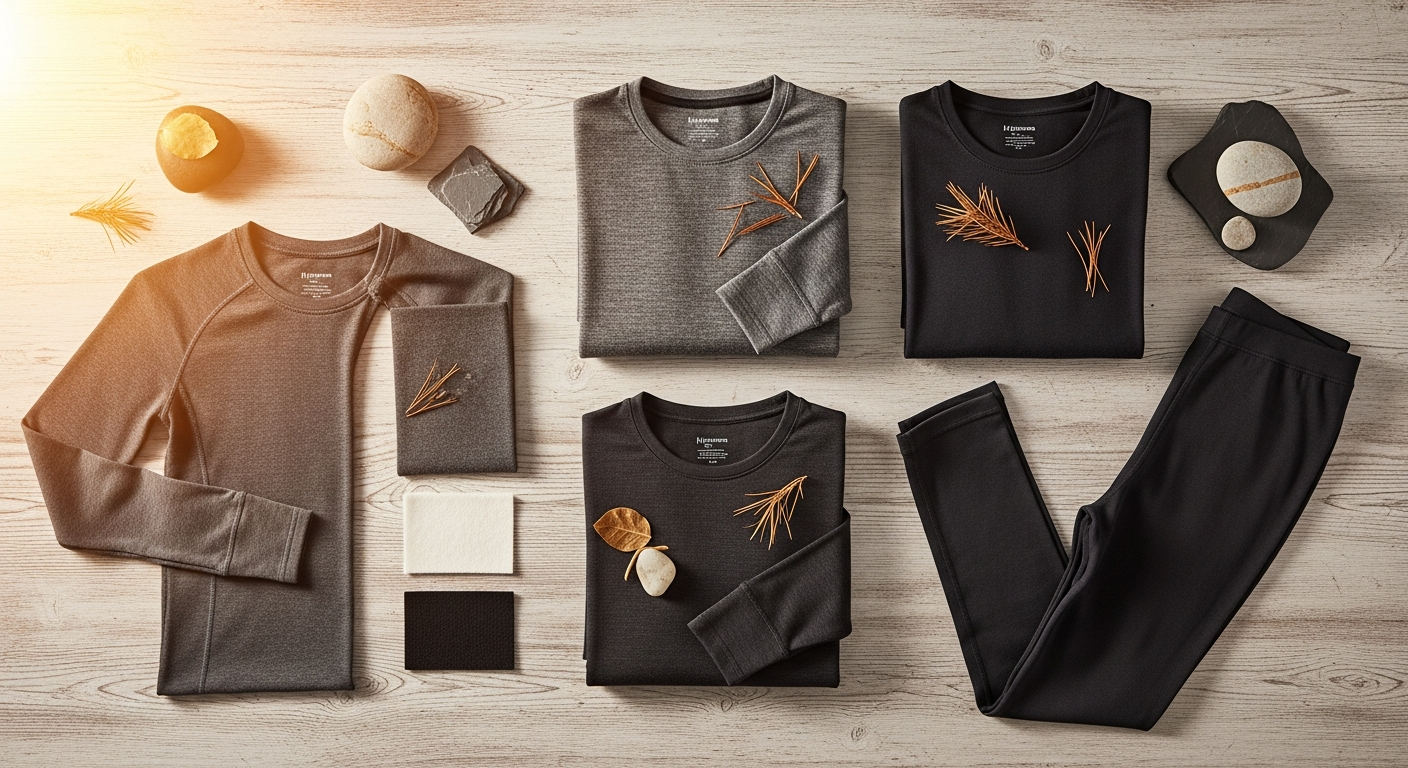
The Merino.tech Men's Merino Wool Midweight Base Layer Set represents a genuine category shift in how base layers perform. Engineered from superfine 17.5 micron New Zealand Merino wool, this material actually adapts to your body rather than fighting against it. The midweight 250 g/m² fabric provides balanced warmth without bulk, making it suitable for cool, cold, and changing conditions that would overwhelm lighter alternatives or overheat you in heavier gear.
Understanding the material science behind Merino wool's superiority, exploring real-world performance across different activities, and determining whether the investment justifies the price gives you everything you need to make a confident decision. By understanding precisely how to choose and care for a base layer, you'll own thermal wear that actually earns its place in your gear collection. Check the current price and bundle options for the Merino.tech set here.
The Science Behind Merino Wool's Temperature-Regulating Magic
How Superfine 17.5 Micron Fibers Create a Moisture-Wicking Barrier
Merino wool's molecular structure handles moisture in ways synthetic fibers simply cannot replicate. The superfine 17.5 micron fibers absorb moisture vapor from your skin and move it away from the surface—not by trapping sweat against you, but by drawing it through the fabric matrix itself. This creates a moisture-wicking barrier without any synthetic chemical treatments or petroleum-based coatings. Your skin stays dry because the moisture is actively managed at a molecular level, rather than just pushed outward like cheaper alternatives do.
Temperature Regulation Mechanism: Warmth When You Need It, Breathability When You Don't
The temperature-regulating capability of Merino wool operates through both physical and biological mechanisms. In cold conditions, the crimp structure of Merino fibers traps air efficiently, creating insulation that retains body heat without requiring additional bulk. When temperatures rise or your activity level intensifies, the same fibers allow heat and moisture vapor to escape freely. This isn't about layering strategy or manual adjustment—it's automatic regulation that responds to your actual body conditions in real time.
Comparison: Merino Wool Versus Polyester and Nylon Alternatives
Polyester and nylon excel at water shedding and durability, but they lack Merino's natural thermoregulation. Polyester typically requires active moisture management—either wicking sweat away or trapping warmth, but not both simultaneously. Nylon offers similar limitations, often feeling clammy in humid conditions because it doesn't absorb moisture vapor the way Merino does. A synthetic base layer works adequately for specific conditions, but Merino wool adapts across a spectrum of environments without requiring you to swap gear.
Why 250 g/m² Midweight Density Strikes the Optimal Balance
The 250 g/m² weight represents the sweet spot between warmth and versatility. Lighter weights (around 150 g/m²) offer breathability but sacrifice insulation in genuinely cold conditions. Heavier weights (350+ g/m²) provide superior warmth but become bulky under multiple layers and overheat during activity. The midweight 250 g/m² density provides meaningful insulation without the bulk that restricts movement or layering options. You maintain thermal protection across cool spring hikes, serious winter conditions, and even summer travel where temperature swings demand adaptability.
Odor Resistance and Extended Wear: The Travel Game-Changer
Natural Antimicrobial Properties That Prevent Bacterial Growth
Merino wool contains naturally occurring compounds that prevent bacterial colonization—the actual source of odor in worn clothing. While synthetic materials accumulate odor-causing bacteria rapidly, requiring frequent washing, Merino wool resists microbial growth without chemical treatments. This isn't marketing language; it's fundamental biochemistry. Bacteria thrive on synthetic fibers because the fibers themselves provide no resistance. Merino wool's natural structure actively inhibits bacterial development, meaning you can wear the same layer multiple days without odor development.
Real-World Advantage for Multi-Day Hiking, Backpacking, and Travel
Anyone who's spent a week backpacking knows the smell problem. Your synthetic base layer becomes noticeably funky by day three because bacteria colonizes the fabric. With Merino wool, you can wear the same thermal top for five, six, or even seven days in genuine backcountry conditions without developing persistent odor. This transforms multi-day expeditions—you pack one base layer top instead of three. On two-week travel trips, you reduce laundry frequency dramatically. The practical implications go beyond comfort; you're reducing pack weight and simplifying logistics.
How Merino Wool Stays Fresher Longer Than Synthetics
Synthetic base layers need washing after 2-3 days of active use. Merino wool extends that window to 5-7 days or beyond because bacterial growth simply doesn't accelerate on the fabric. This isn't about Merino being "cleaner" inherently—it's about the material actively resisting the microbial processes that create odor. Synthetics offer no resistance, so odor develops chemically and biologically within days.
Practical Implications for Minimalist Packing and Reducing Laundry Cycles
The odor resistance feature transforms how you pack for travel. A two-week trip requires just two Merino wool base layer tops and bottoms instead of six or seven with synthetics. You reduce luggage volume, weight, and laundry needs. The extended wear window means fewer hotel laundry sessions or wash days during camping trips. Discover how the bundled Merino.tech set revolutionizes travel packing efficiency.
Comfort That Actually Feels Premium
Why Superfine Merino Wool Eliminates the Scratchy Feeling
Traditional wool scratches because the fibers are coarse—typically 30 microns or larger. The superfine 17.5 micron fibers in this set are nearly half the diameter, making them soft enough to wear directly against sensitive skin without irritation. The finer structure bends more flexibly against skin, distributing pressure evenly rather than creating the prickling sensation of coarser wool. This is why Merino wool from New Zealand works differently than traditional wool sweaters—the fiber fineness changes the entire tactile experience.
Softness Comparison: Merino Versus Coarse Wool, Synthetics, and Cotton
Coarse wool scratches because those larger fibers irritate skin directly. Cotton offers softness but absorbs moisture and loses insulation when wet, leaving you damp and cold. Synthetic blends feel soft initially but develop a clammy sensation during moisture management. Superfine Merino wool delivers genuine softness while maintaining all performance benefits. It feels premium because it is premium—the fiber quality reflects in immediate tactile feedback.
Non-Itchy Experience Across Sensitive Skin Types and Extended Wear Periods
Users with eczema, psoriasis, or general skin sensitivity frequently report that superfine Merino wool doesn't trigger the irritation they experience with other materials. The soft fiber structure doesn't create the mechanical irritation of coarser alternatives. Extended wear—even sleeping in the thermal top—rarely causes itching or discomfort. This matters practically because you're more likely to actually wear the base layer when conditions demand it, rather than choosing something less effective but more comfortable.
Moisture Management That Keeps Skin Dry Without Clammy Feeling
Merino wool absorbs up to 30% of its weight in moisture while still feeling relatively dry. Your skin stays dry because the moisture is absorbed into the fiber itself rather than remaining as a damp film on the surface. Synthetics can't match this—they move moisture away from skin but often create a clammy sensation because moisture pools between the synthetic fibers and your skin. With Merino, the fiber absorbs moisture, keeping the sensation dry and comfortable regardless of activity level.
Versatility Across Activities and Seasons
Base Layer Functionality for Hiking, Skiing, Commuting, and Everyday Wear
A proper base layer works across dramatically different applications. For hiking, it manages moisture from exertion while providing insulation during rest breaks. Skiing demands similar moisture management during intense activity with passive insulation during lift rides. Commuting requires comfort during sedentary periods without overheating during physical effort. Everyday wear simply needs thermal protection without bulk under normal clothing. This set handles all these scenarios because Merino wool adapts to activity level and environmental conditions simultaneously.
Standalone Thermal Layer Option for Mild Conditions
The midweight 250 g/m² provides sufficient warmth for mild conditions without additional layering. Spring hiking, autumn commutes, and summer travel in cool climates often work perfectly with just the Merino wool base layer and a windbreaker. This eliminates the need for bulkier mid-layer systems in moderate conditions, simplifying your overall gear requirements.
Year-Round Utility: Spring Hiking, Summer Travel, Autumn Commutes, Winter Expeditions
Spring hiking demands moisture management and temperature adaptation as conditions shift throughout the day. Summer travel in cool climates or high elevations requires lightweight insulation. Autumn commutes benefit from thermal protection without excessive bulk under regular clothing. Winter expeditions demand serious insulation, and Merino wool provides that while maintaining the ability to regulate temperature during intense physical effort. Few base layer systems work genuinely across all seasons—this one does because the material adapts rather than forces conditions.
Activity-Specific Performance: Moisture Management During Intense Exercise Versus Passive Warmth
During high-intensity activities like steep hiking or skiing, Merino wool excels at wicking sweat away from skin while maintaining breathability. The fibers' natural moisture-wicking capability prevents the overheating problem that occurs with poor base layers. During lower-intensity activities or passive warmth situations—sitting at a campfire or commuting by bus—the same fibers provide insulation without overheating. This adaptive performance eliminates the need to swap base layers depending on activity level.
Bundle Value and What You Actually Get
Standard Set Composition: Long-Sleeve Thermal Top and Matching Thermal Bottoms
The core set includes a long-sleeve thermal top and matching thermal bottoms, providing complete coverage from neck to ankles. The long-sleeve design extends thermal protection to arms while the full-length bottoms keep legs insulated. This composition works for nearly all activities and conditions, from serious expeditions to everyday commuting.
Bonus Inclusions: Merino Wool Hiking Socks and Beanie in Bundled Packages
Many packages bundle additional Merino wool items—specifically hiking socks and a beanie. Merino wool socks prevent the blisters and discomfort of cotton alternatives while managing foot moisture during long hikes. The beanie extends thermal protection to your head and ears, critical areas for heat retention. These aren't throwaway extras; they're genuinely useful additions that would cost $30-40 to purchase separately.
Cost-Per-Item Analysis When Purchasing Bundled Versus Individual Pieces
The set costs approximately $99.99, translating to roughly $25-30 per individual item when you factor in bundle pricing. Purchasing these items separately would cost $35-40 per piece at retail—meaning the bundle saves you $20-40 depending on current pricing. The value proposition strengthens significantly if you actually use the socks and beanie, which you will if you're active in cool conditions.
Storage and Organization Tips for Maximizing a Complete Base Layer System
Keep the thermal top and bottoms together as your primary base layer—they're designed to function as a system. Store the socks separately with your hiking gear and sock inventory so you grab appropriate pairs for specific activities. The beanie lives with your cold-weather accessories. This organization ensures you access the right components for specific situations rather than hunting through scattered gear. A dedicated gear drawer or packing cube keeps everything organized and ready for quick deployment.
The Bottom Line: Investing in Thermal Performance That Lasts
The Merino.tech Men's Merino Wool Midweight Base Layer Set delivers on every promise it makes. You get genuine temperature regulation that adapts to your conditions, odor resistance that transforms how you pack and travel, and comfort that doesn't sacrifice performance. The bundled extras—hiking socks and beanie—sweeten the value proposition significantly. Yes, $99.99 sits higher than synthetic alternatives, but the durability, versatility, and real-world performance justify every penny. Whether you're planning a backcountry expedition, commuting through winter, or simply upgrading your everyday thermal wear, this set earns its place in your gear rotation. Stop settling for base layers that fail you when conditions get serious. Grab a Merino.tech set today and experience the difference that natural performance fibers actually deliver.