
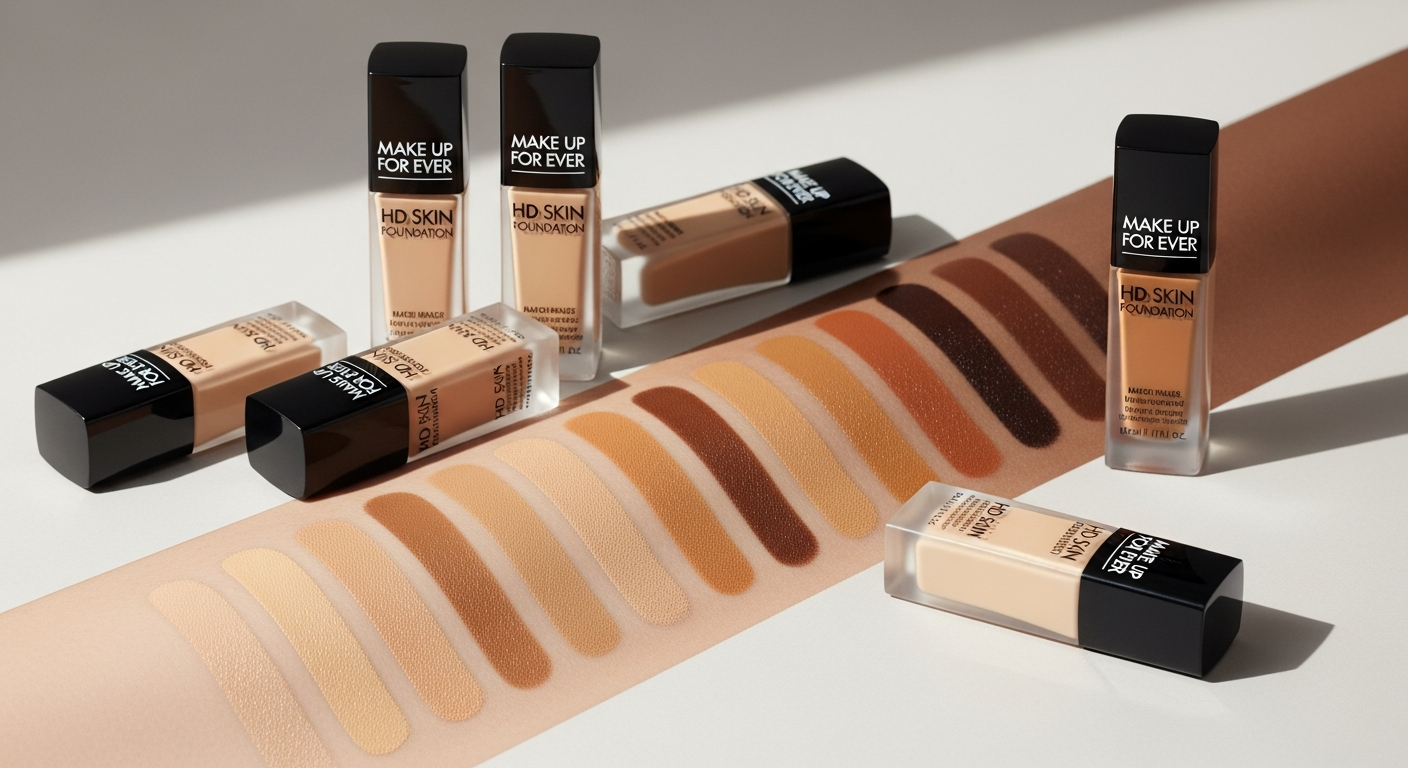
Discover how Make Up For Ever HD Skin Foundation works for oily, dry, combination, and sensitive skin types. Learn shade matching tips, application techniques, and whether this 24-hour foundation suits your skin.
Nearly three-quarters of foundation users struggle to find a product that performs consistently across their entire face, especially when their skin type shifts with seasons or hormonal changes. Make Up For Ever HD Skin Foundation has earned cult status among makeup artists and beauty enthusiasts for solid reasons. This reformulated successor to the Ultra HD Foundation delivers professional-grade performance with its innovative micro-skin system—technology originally engineered for 4K camera work that now serves everyday users seeking flawless results.
The 40-shade range with red, neutral, and yellow undertones represents a genuine commitment to inclusivity, yet the real question remains: does this $43 foundation actually work for your specific skin type? The formula promises up to 24 hours of wear, sweat-proof and waterproof performance, and a skin-like finish that blurs imperfections without appearing heavy or cakey.
Discover your perfect shade with Make Up For Ever HD Skin Foundation today.
How Make Up For Ever HD Skin Foundation Performs on Oily Skin
The Semi-Matte Finish and Oil Control
For oily skin types, this foundation’s semi-matte finish and sweat-proof, waterproof formula make it genuinely ideal. The formula doesn’t fight against natural skin oils—instead, the micro-skin system syncs with them, preventing that slippery, separated appearance that plagues many foundations on oily complexions. Throughout an 8-hour workday or gym session, the foundation maintains its position rather than sliding into pores or creating shine.
Buildable Coverage Without the Slick Factor
The buildable coverage from medium to full allows layering without creating a heavy, slippery appearance. Starting with a light layer and adding coverage only where needed prevents the overly matte, obviously-made-up look that some foundations create on oily skin. The ultra-light, fluid texture distributes evenly without requiring constant blending to avoid streaking.
The Challenge of Dry Skin: Managing Texture and Oxidation
Honesty About Texture Emphasis
This foundation can emphasize dryness and cling to dry patches if skin prep isn’t flawless. Users with very dry skin or seasonal dry patches have reported that the formula highlights texture rather than blurs it smoothly. This isn’t a flaw in the formula itself—rather, it reflects how most liquid foundations perform when applied to unprepared, dehydrated skin. The issue intensifies around the nose, forehead, or any area prone to flaking.
The Non-Negotiable Hydrating Primer
A hydrating primer becomes essential for dry skin types. Applying a nourishing primer before foundation creates a moisture barrier that prevents the foundation from clinging to dry patches. The primer essentially fills in texture and gives the foundation a smooth canvas to settle onto without emphasizing fine lines or dry areas.
Skincare Adjustments That Create the Smooth Canvas
Strategic skincare changes directly impact foundation performance. Using a hydrating toner before moisturizer, applying a hydrating serum under primer, and allowing each layer to set for 30-60 seconds gives dry skin the moisture foundation it needs. Exfoliating 1-2 times weekly (not daily) removes dead skin cells that cause the clinging effect, but over-exfoliating backfires by further sensitizing and drying the skin.
Combination Skin: Balancing Multiple Zones
The Strategic Application Approach
Combination skin requires thinking about each zone separately rather than applying foundation uniformly across the entire face. The oily T-zone needs less product and potentially a primer designed for oil control, while drier cheeks and under-eye areas benefit from hydrating primers and slightly heavier coverage. This isn’t complicated—it simply means using different strategies for different areas during the same application.
Coverage Layering by Zone
Start with medium coverage on the T-zone, blending downward. Add extra coverage to the cheeks and under-eyes where dryness tends to concentrate. The semi-matte finish that controls shine on the T-zone won’t appear flat on the drier cheeks because the foundation naturally settles differently on hydrated versus oily skin.
Primer Selection for Combination Skin
Using targeted primers for specific zones transforms how combination skin interacts with this foundation. A mattifying primer on the T-zone, a hydrating primer on cheeks, and a balancing primer on the forehead prevents the foundation from performing inconsistently across your face. This approach feels strategic rather than complicated once you’ve done it a few times.
Sensitive Skin Considerations and Ingredient Awareness
Formula Profile and Potential Sensitizing Components
The Make Up For Ever HD Skin Foundation contains several common ingredients that can trigger reactions in sensitive skin: fragrance, certain colorants, and preservatives that some people react to. While the formula doesn’t specifically target sensitive skin, many sensitive skin users tolerate it without issues. The key is knowing your personal sensitivities before full application.
Common Reactions and Patch-Testing
Users with sensitive skin have reported mild irritation, redness, or slight stinging in rare cases. These reactions typically occur with specific shades or after exposure to direct sun (the waterproof component can occasionally cause sensitivity in sun-exposed skin). Always patch-test on the jawline or behind the ear for at least 24 hours before applying to the full face.
The Balance Between Coverage and Irritation
With sensitive skin, less is genuinely more. Using the lightest possible amount and building coverage gradually allows you to detect reactions before committing to a full face of foundation. If sensitivity emerges, discontinuing use immediately prevents escalation. Some sensitive skin users successfully wear this foundation by using only 1-2 pumps for the entire face rather than the recommended amount.
Shade Matching Across the 40-Shade Range: Getting It Right
Understanding the Shade Range Breakdown
The 40 available shades include options with red, neutral, and yellow undertones across light, medium, and deep skin tones. This range means most people find at least one shade that matches their skin undertone, not just their depth. The undertone selection prevents the dreaded orange or ashy cast that derails foundation matching and makes skin appear artificial.
Undertone Selection and Oxidation Prevention
Choosing the correct undertone is half the battle in shade-matching success. Skin with warm undertones looks jarring in cool, ashy shades, while cool undertones appear muddy in warm, yellow-heavy shades. Understanding whether your skin leans warm (yellow, golden), cool (red, pink), or neutral helps you navigate the shade range confidently. Some shades oxidize slightly warmer after drying, so selecting a shade with a slightly cooler undertone compensates for this shift.
Testing Methodology That Actually Works
Swatching on the jawline and checking in natural daylight (near a window or outdoors) matters more than testing on the back of your hand or under artificial lighting. The jawline shows how the shade interacts with your neck and face, preventing mismatches that become obvious once you’re outside. If the swatch matches your jawline in natural light without appearing orange or ashy, you’ve likely found your shade.
Find your perfect shade match in the 40-shade range now.
Application Techniques That Maximize Foundation Performance
Prep Work Essentials
Moisturizer, primer, and proper skincare timing create the foundation for flawless application. Apply moisturizer, wait 2-3 minutes for it to set, then apply primer and wait another minute before foundation. This sequence ensures the foundation adheres to primer rather than sliding over wet moisturizer. Skipping this timing or layering products too quickly sabotages even the best foundation formula.
Tool Selection and Results Comparison
Brushes, sponges, and fingertips each produce slightly different finishes with this foundation. Brushes provide precise control and are excellent for building coverage in specific areas. Damp beauty sponges create the most blended, skin-like finish and are ideal for oily skin since they absorb excess product. Fingertips offer warmth that helps the foundation meld with skin, particularly beneficial for dry skin types. Most makeup artists use a combination of tools depending on the area they’re working on.
Layering Strategy for Natural Coverage
Building coverage from medium to full without an obvious, heavy appearance requires patience. Apply one thin layer, allow it to set for 30 seconds, then add another thin layer only where needed (typically around the nose, under eyes, and any blemished areas). This approach prevents the cakey, obviously-applied look that results from applying too much product at once. Two thin layers look more natural than one thick layer every time.
24-Hour Wear and Durability in Real-Life Conditions
Realistic Assessment of the 24-Hour Wear Claim
The 24-hour wear promise holds up on oily and combination skin under normal conditions, though “normal” is key. Extended wear through an office day, dinner out, and evening activities is absolutely achievable. Gym sessions, outdoor activities in direct sun, or swimming introduce variables that test the claim differently. Sweat production, friction from hands or clothing, and water exposure all reduce wear time compared to a sedentary 24 hours.
Sweat-Proof and Waterproof Testing in Real Scenarios
In gym sessions, the foundation maintains its position better than most competitors—the sweat-proof formula doesn’t separate or create obvious shine breaks. Outdoor activities in humid climates show similar resilience, though reapplication after heavy sweating prevents it from appearing patchy. The waterproof component genuinely resists water exposure, performing well near pools or during rainy days, though it doesn’t magically survive full submersion unchanged.
Makeup Reapplication and Touch-Up Performance
The foundation blends reasonably well with fresh product applied mid-day, though layering too much causes visible texture buildup rather than seamless coverage. Light touch-ups with a sponge and minimal product work better than trying to build additional coverage directly over dried foundation. Many users find that a setting spray applied mid-day extends wear time without requiring complete reapplication.
Price Point and Value Proposition for Your Skin Type
The $43 Price Tag in Context
At approximately $43, this foundation sits in the mid-to-high-end positioning. For comparison, drugstore foundations cost $8-15 while luxury brands exceed $60. The price reflects professional-grade formulation, extensive shade range, and genuine performance benefits that differentiate it from budget alternatives. Whether this justifies the cost depends entirely on whether the formula actually works for your skin.
Cost-Per-Wear Analysis
A 30ml bottle contains roughly 15-20 applications if using the recommended amount (about 1.5-2 pumps per full face). That equates to roughly $2-3 per wear for a long-lasting, professional-finish foundation—reasonable for someone who uses it regularly. If the foundation sits in your collection unused because it doesn’t work for your skin, the cost-per-wear becomes irrelevant since you’re not wearing it at all.
Value Variation Across Skin Types
Oily and combination skin users typically experience better longevity and fewer issues, making the $43 investment feel justified through extended wear and consistent performance. Dry skin users may find themselves purchasing additional primers and setting sprays to make the foundation work properly, increasing the true cost. Sensitive skin users who experience reactions waste money entirely. The foundation’s value is genuinely skin-type dependent.
Who Should Buy This Foundation—And Who Might Want to Skip It
Ideal Candidates for Success
Makeup artists, photography enthusiasts, and users seeking professional-grade performance are the strongest candidates. The formula’s original design for 4K camera technology ensures it performs under various lighting conditions without flashback, making it genuinely useful for anyone whose appearance matters in photos. Those who’ve struggled with foundations that oxidize or feel heavy will likely appreciate the stable color and lightweight texture.
Best Matches by Skin Type
Oily and combination skin users typically experience the strongest results—extended wear, consistent finish, and minimal texture issues. Normal skin with good moisture balance also performs well. Users with balanced, resilient skin get the most straightforward experience without requiring additional primers or extensive prep work.
When to Reconsider
Very dry skin requiring constant hydration support may find this foundation more frustrating than helpful, especially without strategic prep. Extremely sensitive skin with known reactions to fragrance or preservatives should absolutely patch-test first or consider alternatives. Those preferring dewy, glowing finishes won’t appreciate the semi-matte result—this foundation flatters matte-finish preferences, not glowing-skin enthusiasts.
Real User Experiences: Beyond the Marketing
Common Praise from Verified Purchasers
The undetectable, skin-like finish consistently earns praise—users describe it as looking like their own skin, just perfected. The buildable coverage from medium to full appeals to those wanting flexibility without committing to heavy coverage. The 40-shade range with multiple undertone options receives genuine appreciation from users who’ve struggled finding matches elsewhere. Long-wearing performance through work, events, and outdoor activities generates legitimate enthusiasm.
Frequent Criticisms and How They Manifest
Emphasis of dryness emerges repeatedly in reviews from dry skin users—this isn’t surprising given the formula’s design for oil control. Shade oxidation appears in reviews from users who didn’t account for the slight warmth shift after drying. Preference for the discontinued Ultra HD Foundation surfaces among long-time users who found the reformulation different in feel. These criticisms are real but mostly predictable based on skin type and expectations.
Before-and-After Scenarios and Visual Performance
In person, the foundation looks more natural and skin-like than most competitors—the micro-skin system genuinely creates a blurred, perfected complexion rather than an obvious makeup appearance. On camera, particularly in professional photography and under studio lighting, the performance justifies its design heritage. In poor lighting or without proper application, it can appear slightly flat or obvious, depending on undertone match and coverage amount.
Maximizing Results: Complementary Products and Skincare Synergy
Primer Recommendations by Skin Type
Oily skin benefits from mattifying primers like those with silicone bases that control shine without feeling heavy. Dry skin needs hydrating primers with glycerin or hyaluronic acid that prepare skin for the foundation without the formula clinging to texture. Combination skin does best with balancing primers that control T-zone shine while hydrating other areas. These primer choices directly impact how well the foundation performs.
Setting Sprays That Extend Wear Time
Setting sprays designed for long wear (rather than dewy finishes) extend the foundation’s durability without altering the signature semi-matte finish. Water-based setting sprays work well for those wanting a lightweight feel, while silicone-based versions provide more substantial hold. Applying setting spray after foundation has fully dried (usually 2-3 minutes) ensures the spray adheres to the dried foundation rather than reactivating it.
Skincare Ingredients That Prepare Skin
Niacinamide calms redness and regulates sebum production, benefiting both oily and combination skin. Hyaluronic acid plumps and hydrates, crucial for dry skin users. Salicylic acid exfoliates gently for those dealing with texture, though timing matters—exfoliate the night before application rather than right before foundation. These skincare ingredients create the optimal canvas for flawless foundation application.
The Bottom Line: Is This Foundation Right for You?
Make Up For Ever HD Skin Foundation delivers on its promise of a professional-grade, long-wearing finish that performs beautifully across multiple lighting conditions and situations. Whether you’re a makeup artist seeking reliable, camera-ready results or someone tired of foundations that oxidize or emphasize texture, this formula offers genuine value—provided your skin type aligns with its strengths.
Oily and combination skin users will likely experience the most seamless, extended wear, while dry skin requires strategic prep and complementary products to prevent texture emphasis. The 40-shade range with multiple undertone options represents a meaningful commitment to inclusivity, though shade-matching success depends on understanding how certain shades oxidize. At $43, it’s a mid-to-high-end investment that justifies itself through durability and professional performance, but only if it actually works with your skin.
Before committing to a full bottle, request a sample or test at a counter—your skin type’s specific needs deserve that confirmation.
Start your flawless foundation journey with Make Up For Ever HD Skin Foundation.