
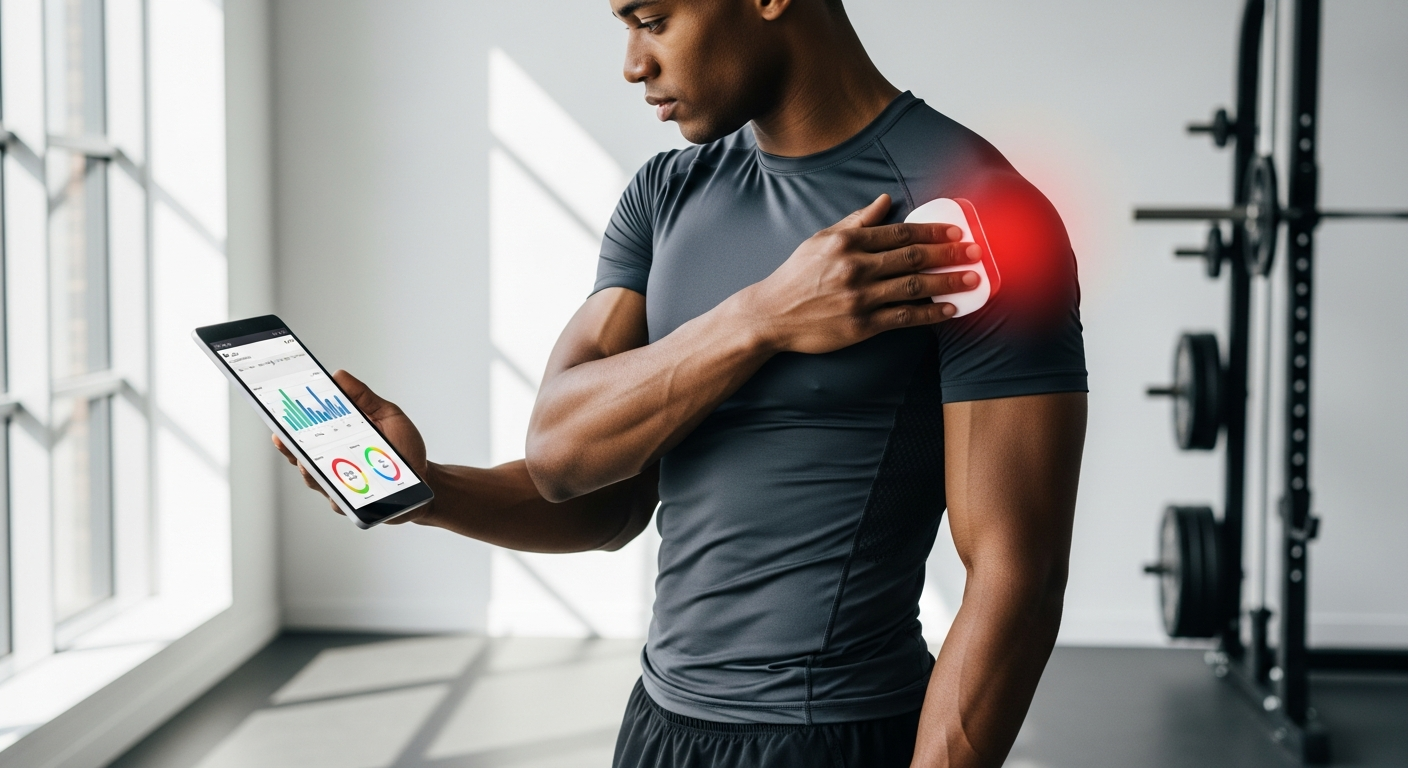
Looking for a smarter way to recover after intense workouts? The LumyHealth Red Light Therapy Pad combines red and near-infrared light technology designed to support muscle repair, reduce soreness, and improve recovery between training sessions.
Recovery has become one of the biggest priorities in modern fitness. Athletes are training harder, recovering faster, and relying more on science-backed recovery tools to stay consistent. From runners to weightlifters, many are now adding red light therapy into their routines to reduce soreness and improve recovery time.
The LumyHealth Red Light Therapy Pad has gained attention because it brings professional-style recovery technology into a more accessible home setup. Using both 660nm red light and 850nm near-infrared light, the device is designed to support muscle repair, circulation, and recovery after demanding workouts.
Instead of only masking soreness temporarily, red light therapy focuses on supporting the body’s natural repair process at the cellular level.
How Red Light Therapy Supports Recovery
Red light therapy works through a process known as photobiomodulation. This process stimulates mitochondrial activity inside cells, helping increase ATP production.
ATP is the energy source cells use for recovery and repair.
Increased ATP production may help support:
- Faster muscle recovery
- Reduced soreness
- Better circulation
- Lower inflammation
- Improved tissue repair
Because the therapy targets recovery at the cellular level, many athletes use it consistently between training sessions rather than only after injuries.
Why the Dual-Wavelength Setup Matters
The LumyHealth Pad combines two different wavelengths designed for different recovery depths.
660nm Red Light
The 660nm wavelength focuses more on surface-level tissues.
Potential benefits include:
- Improved circulation
- Surface muscle recovery
- Reduced skin-level inflammation
- Better post-workout recovery support
850nm Near-Infrared Light
The 850nm wavelength penetrates deeper into muscles and joints.
This deeper penetration may help support:
- Muscle fatigue recovery
- Joint discomfort relief
- Tendon recovery
- Deep tissue soreness reduction
The combination allows the device to target both surface discomfort and deeper muscular strain during the same session.
Athletes Are Using It Beyond Injury Recovery
Red light therapy is no longer used only for rehabilitation.
Many athletes now include recovery sessions as part of regular training routines to help maintain consistency and reduce accumulated fatigue.
The LumyHealth Pad is commonly used on:
- Legs
- Shoulders
- Lower back
- Knees
- Arms
- Neck muscles
This flexibility makes it useful for:
- Distance runners
- Weightlifters
- Cyclists
- CrossFit athletes
- Fitness enthusiasts
Instead of waiting for soreness to become severe, users often apply sessions proactively after workouts.
Research Continues Supporting Athletic Recovery Benefits
Research surrounding red light therapy continues expanding, particularly in sports recovery and muscle performance.
Several studies have shown improvements related to:
- Delayed-onset muscle soreness (DOMS)
- Muscle fatigue reduction
- Recovery speed
- Circulation support
- Exercise recovery timelines
Many athletes use red light therapy because it offers a non-invasive recovery method without relying heavily on medication or excessive downtime.
The portable pad format also makes consistent use easier compared to visiting clinics for repeated treatment sessions.
A Smarter Recovery Tool for Active Lifestyles
The LumyHealth Red Light Therapy Pad stands out because it combines dual-wavelength recovery support, portability, and ease of use into one recovery-focused device. The combination of 660nm red light and 850nm near-infrared therapy helps support both surface-level and deeper muscle recovery after demanding physical activity.
For athletes and active individuals looking to improve recovery consistency, reduce soreness, and support long-term training performance, red light therapy is becoming one of the more practical additions to modern recovery routines.