
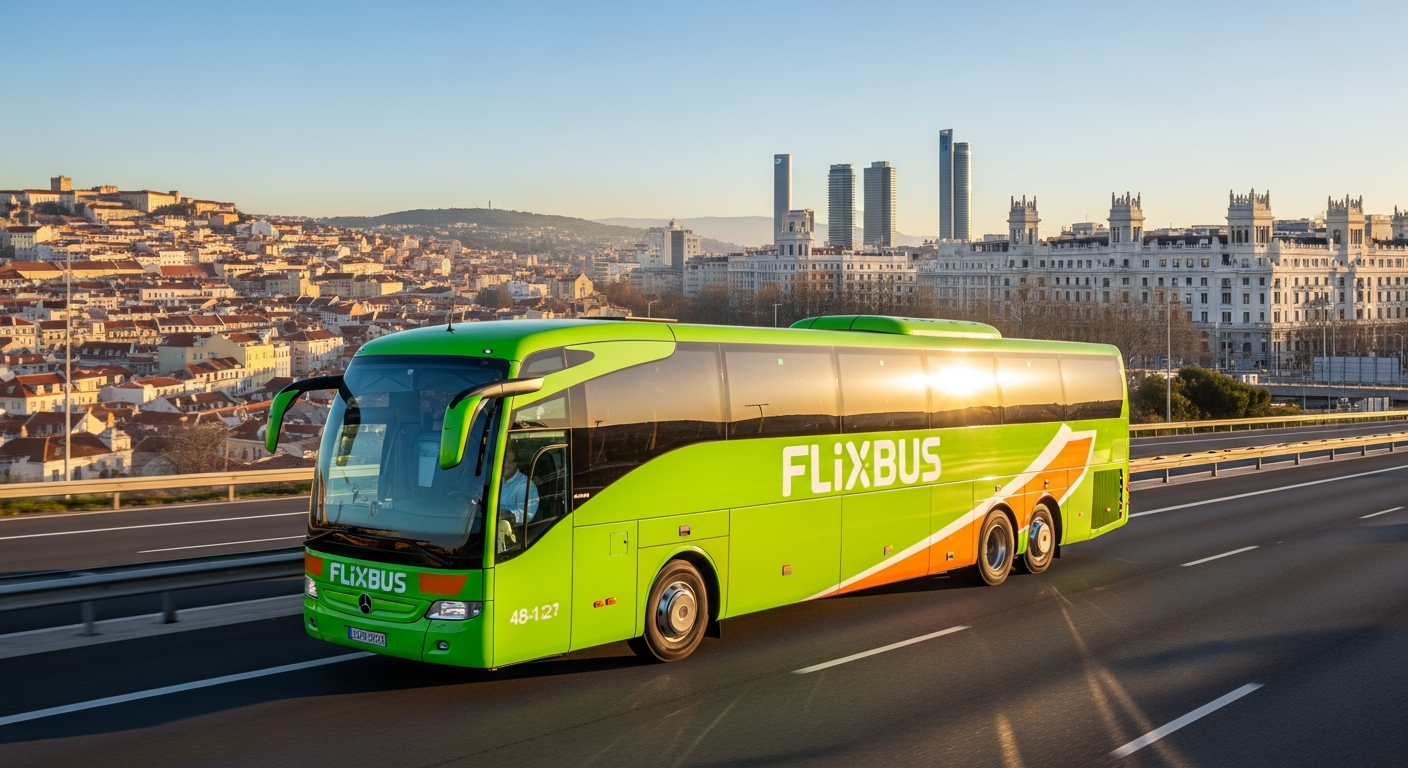
Discover why the Lisbon-Madrid Flixbus bus connection is Europe’s top-booked international route. Compare costs, amenities, travel times, and booking tips for budget travelers exploring the Iberian Peninsula.
Crossing the Iberian Peninsula: Your Complete Guide to the Lisbon-Madrid Flixbus Route
Every year, over 2 million passengers choose bus travel for cross-border journeys across Europe, and the Lisbon-Madrid connection consistently ranks among the top ten most-booked routes. What makes this particular journey so appealing? The answer lies in a simple but powerful equation: world-class convenience meets unbeatable affordability. Flixbus has fundamentally transformed intercity travel by making it possible to journey between two vibrant European capitals for a fraction of the cost of flights or car rentals.
This route has become the go-to choice for travelers who refuse to compromise between budget and comfort. Whether you're a backpacker stretching your euros, a digital nomad seeking cost-effective mobility, or a weekend explorer looking to maximize your travel budget, the Lisbon-Madrid connection delivers practical value without sacrificing the modern amenities you've come to expect. The service attracts diverse travelers—students discovering new cities, professionals attending meetings in multiple capitals, and curious explorers eager to experience the Iberian Peninsula's contrasting cultures.
The Economics of Lisbon-Madrid Bus Travel: Why Flixbus Wins on Price
Typical Ticket Price Ranges and Competitive Comparisons
Flixbus tickets on the Lisbon-Madrid route typically range from €10 to €40, depending on booking timing and demand—a stark contrast to the €80-150 you'd expect for a flight when factoring in airport transfers, baggage fees, and check-in time. Train travel falls somewhere in between, usually costing €35-60, while driving a rental car easily exceeds €70 once you account for fuel, tolls, insurance, and parking. The bus emerges as the clear economic winner, especially for solo travelers or small groups.
Seasonal Pricing Variations and Strategic Timing
Pricing on this popular route fluctuates considerably with the calendar. Summer months (June through August) see peak fares as tourists flock to both capitals, while shoulder seasons (April-May and September-October) offer better rates without sacrificing pleasant weather. Winter pricing drops significantly, with January and February providing the cheapest fares—sometimes as low as €8-15—though weather-related delays become a minor consideration. Understanding these patterns allows you to align your travel with both budget and climate preferences.
Early Booking Discounts and Last-Minute Opportunities
Flixbus rewards planning ahead. Booking 4-6 weeks in advance typically yields the lowest base fares, with occasional promotional campaigns offering 20-30% discounts for early bookings. However, the platform also releases last-minute deals within 48 hours of departure, particularly on mid-week routes with lower demand. These flash sales rarely dip below the early-bird rates but sometimes match them, providing flexibility for spontaneous travelers willing to take a small gamble.
Hidden Cost Advantages Often Overlooked
Beyond the ticket price itself, bus travel eliminates numerous hidden expenses. There are no airport transfer costs (flights require €10-20 taxi rides from city centers), no parking fees (car rental requires €15-25 daily parking), no fuel costs (Madrid is roughly 630 kilometers from Lisbon), and no baggage surcharges. When you calculate the total cost of alternative transportation methods, Flixbus's advantage expands to 70-80% savings compared to flying.
Modern Amenities That Transform Long-Distance Travel
Free Wi-Fi Connectivity for Remote Workers
Flixbus buses on this route feature complimentary Wi-Fi throughout the journey, a game-changer for digital nomads and remote workers who need to maintain productivity while traveling. The connection quality typically supports video calls, email management, and document editing, making the 7-8 hour journey feel like time spent rather than time lost. Business travelers frequently use this stretch to catch up on emails or attend virtual meetings, transforming what could be idle time into productive hours.
Power Outlets at Every Seat
Modern Flixbus vehicles include USB ports and power outlets at every seat, eliminating the anxiety of watching your device battery dwindle. This feature proves invaluable for travelers dependent on smartphones for navigation, communication, and entertainment. By the time you arrive in Madrid, your devices are fully charged rather than depleted from the journey.
Comfortable Seating and Legroom Specifications
Flixbus buses feature reclining seats with approximately 75-80 centimeters of legroom—not quite business class, but considerably more spacious than economy airline seating. The recline function typically allows a 40-50 degree angle, providing genuine rest potential during the longer daytime stretches. Seats come upholstered with modern fabrics designed for both comfort and easy cleaning, with armrests and cup holders integrated into the design.
Onboard Restroom Facilities and Hygiene Standards
Each bus maintains onboard restroom facilities (typically 1-2 per vehicle), regularly serviced throughout the journey with adequate supplies. While these facilities represent functional necessity rather than luxury, Flixbus maintains reasonable hygiene standards with regular cleaning schedules. For journeys of this length, having onboard facilities eliminates the discomfort of waiting for scheduled rest stops.
Strategic Booking Tactics for Maximum Savings
Optimal Booking Windows and Advance Purchase Strategies
The sweet spot for booking Lisbon-Madrid tickets falls between 4-6 weeks before your departure date. At this window, Flixbus typically releases inventory at promotional rates before demand begins climbing. Booking within 2-3 weeks still yields reasonable prices unless demand spikes due to holidays or special events. Within one week of travel, fares generally rise unless last-minute flash sales appear, making early planning your most reliable path to low prices.
Day-of-Week Pricing Patterns and Fare Optimization
Tuesday through Thursday departures consistently offer the cheapest fares, reflecting lower business and leisure travel demand. Weekend departures (Friday evening through Sunday) command premium pricing, sometimes 25-40% higher than mid-week equivalents. Planning your Lisbon-Madrid journey for a Wednesday departure instead of a Friday can save €15-25 per ticket—a significant amount when traveling with companions.
Flexible Date Selection Using Flixbus's Calendar View
Flixbus's booking interface displays pricing across multiple dates in calendar format, allowing you to compare fares across an entire month at a glance. This feature reveals pricing patterns immediately, showing you which days offer the best rates. Shifting your travel by even one or two days can unlock considerably cheaper tickets, making this flexibility tool invaluable for flexible travelers.
Mobile App vs. Website Booking and Exclusive Discounts
The Flixbus mobile app frequently features exclusive deals unavailable on the website, with app-only codes providing 5-15% discounts on select routes. Downloading the app and enabling push notifications ensures you catch flash sales and promotional campaigns targeting your preferred route. Many experienced Flixbus travelers comparison-shop on the website but finalize purchases through the app for these additional discounts.
Beyond the Journey: Making Your Iberian Peninsula Adventure Count
The Lisbon-Madrid Flixbus bus connection represents far more than just an economical way to travel between two European capitals. It's a statement about modern, conscious travel—one that prioritizes your budget, respects the environment, and connects you directly to the heart of both cities. With competitive pricing that undercuts flights by 70-80%, modern amenities that transform hours into productive or restful time, and the flexibility to choose departure times that fit your schedule, this route has earned its status as Europe's most-booked international bus connection.
The environmental dimension deserves recognition as well. Choosing bus travel over flights reduces your carbon footprint by approximately 75%, aligning your journey with sustainable travel values. You arrive refreshed in Madrid city center rather than exhausted from airport logistics, ready to explore rather than drained from connections and transfers. The 7-8 hour journey becomes part of your adventure rather than an obstacle to overcome.
Digital nomads appreciate the productivity potential—entire workdays completed while traveling between cities. Weekend travelers relish the cost savings that extend their Iberian explorations without financial strain. Business professionals benefit from direct city-center connections that eliminate the time and expense of airport transfers. This route succeeds because it serves genuine traveler needs across multiple segments, each finding unique value in the experience.
Ready to book your Lisbon-Madrid adventure? Start by checking the Flixbus website 4-6 weeks before your planned travel date, set up price alerts for your preferred dates, and consider traveling mid-week for the best fares. The journey awaits—affordable, comfortable, and ready to carry you between two of Europe's most captivating capitals.