
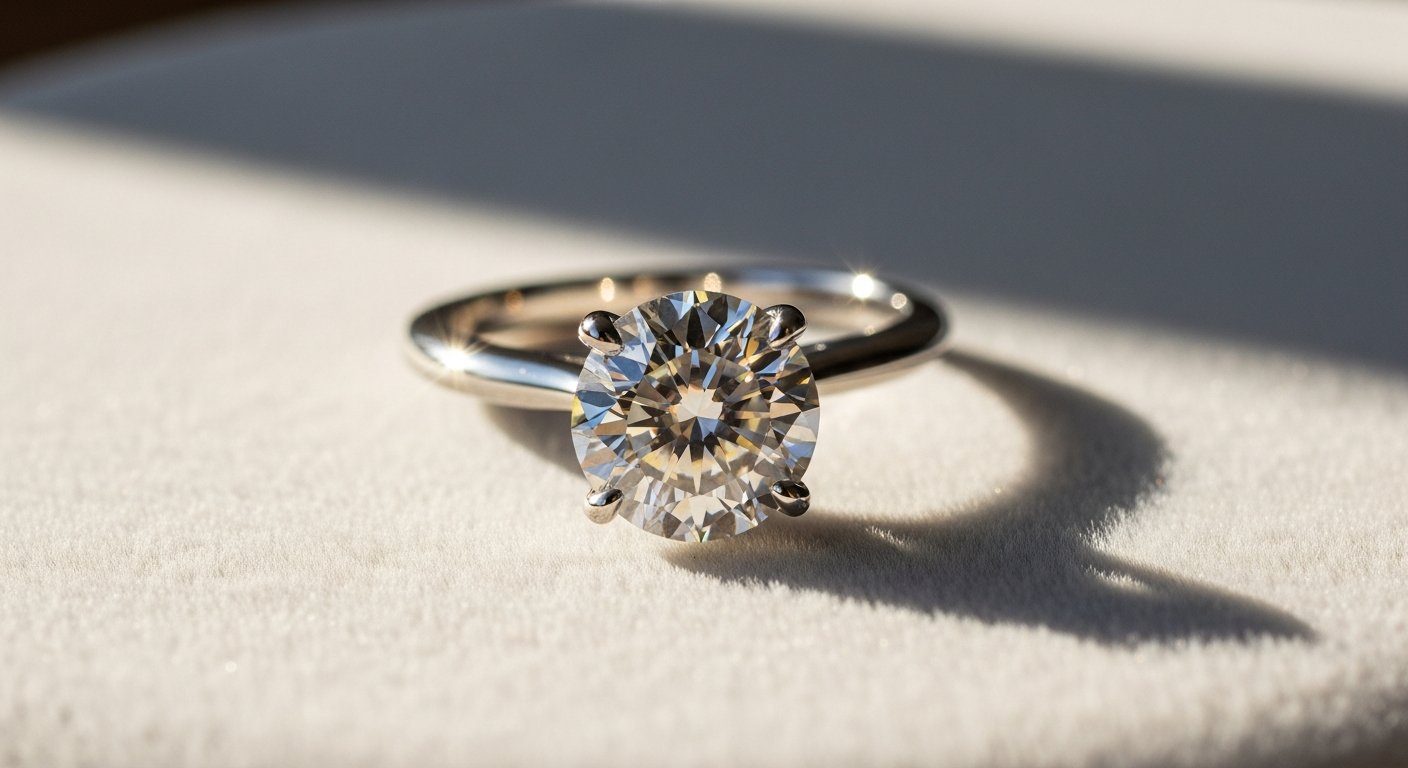
Learn how to choose a Lab Diamond Solitaire Ring by comparing cut, clarity, carat weight, grading documentation, settings, metals, and buying terms.
A Lab Diamond Solitaire Ring can be a strong choice when you want a classic design centered on a single diamond. The solitaire setting puts nearly all visual attention on the center stone, which means diamond quality, shape, proportions, and setting construction deserve close attention before you buy.
Laboratory-grown diamonds have essentially the same optical, physical, and chemical properties as mined diamonds, according to Federal Trade Commission guidance. They should be clearly identified using appropriate laboratory-grown terminology so buyers understand their origin.
What Should You Check in a Lab Diamond Solitaire Ring?
Start by evaluating the center stone rather than judging a ring by carat weight alone. A lab grown diamond ring can vary significantly in appearance depending on its cut, color, clarity, proportions, and shape.
The standard 4Cs are cut, color, clarity, and carat weight. GIA describes these as the established framework used to communicate diamond characteristics consistently.
For a solitaire, these factors can be particularly noticeable because there are no surrounding stones competing for attention.
1. Pay Close Attention to Cut
Cut influences how effectively a faceted diamond handles light. For round brilliant diamonds, GIA explains that cut affects brightness, fire, and scintillation.
That makes cut one of the first characteristics worth reviewing when shopping for a solitaire.
Do not assume a larger diamond automatically produces a better-looking ring. A well-proportioned stone may present attractively even at a lower carat weight.
For shapes other than round brilliant, examine proportions, polish, symmetry, measurements, and available grading information alongside photos or videos of the actual stone.
2. Understand Color Grades
Diamond color grades help describe the presence or absence of body color in diamonds within the standard color range. The difference between neighboring grades can be subtle, particularly once the diamond is mounted.
Your setting metal can affect how you perceive the finished ring. White metals create a different visual relationship with a diamond than yellow or rose-toned metals.
Instead of automatically paying for the highest available grade, compare several diamonds in the type of setting you plan to purchase.
3. Examine Clarity Carefully
Clarity describes internal and external characteristics evaluated under standardized conditions. GIA assesses diamond clarity using 10× magnification, taking into account characteristics such as their size, nature, position, and visibility.
A high clarity grade can increase the specification level of a diamond, yet the grade alone does not tell you exactly how noticeable a characteristic will appear during normal wear.
When comparing a lab created diamond solitaire, look at magnified images and normal-scale photographs when the seller provides them. Pay particular attention to characteristics near the center of the stone or areas that might affect appearance.
4. Check Carat Weight and Measurements
Carat measures weight rather than physical dimensions. One metric carat equals 200 milligrams, and two diamonds with the same carat weight can have different visible dimensions.
That distinction matters when comparing solitaire rings online.
Review the diamond’s millimeter measurements along with carat weight. Measurements can give you a clearer idea of how large the diamond may appear face-up.
Compare Diamond Shapes Before Deciding
The center-stone shape strongly affects the character of a solitaire.
Round brilliant diamonds emphasize symmetrical brilliance, while elongated shapes can create a different visual proportion on the finger. Your choice can come down to personal taste, setting compatibility, and how much surface area you prefer the stone to show.
Common options include:
- Round
- Oval
- Emerald
- Pear
- Cushion
- Radiant
- Princess
- Marquise
A solitaire engagement ring with a round stone may have a traditional appearance, while oval, pear, emerald, or marquise shapes can change the ring’s proportions without adding side stones.
When comparing shapes, review the actual dimensions instead of relying solely on carat weight.
Review the Diamond Grading Documentation
Independent documentation gives you another way to verify what you are buying.
IGI states that its laboratory-grown diamond reports document characteristics such as shape, measurements, carat weight, color, clarity, and relevant craftsmanship grades. Reports may also provide information concerning the growth process or treatments when applicable.
GIA currently uses a quality-assessment system for eligible loose colorless-to-near-colorless laboratory-grown diamonds and laser-inscribes assessed stones with a laboratory-grown designation and assessment number.
Because laboratory practices and report formats can differ, check which laboratory issued the documentation and verify the report through that laboratory’s official database when possible.
A grading report documents diamond characteristics. It should not be treated as the same thing as a monetary appraisal.
Check the Solitaire Setting
A solitaire looks simple, yet the setting can change appearance, security, profile height, and daily practicality.
Prong Setting
Prongs hold the diamond at several contact points while leaving much of the stone visible.
Four-prong designs expose a larger portion of the diamond, while six-prong designs use additional contact points. Construction quality matters in either case.
Bezel Setting
A bezel uses metal around the diamond’s perimeter. This creates a noticeably different appearance from traditional prongs and can provide added edge coverage.
It may suit you if you prefer a smoother profile or regularly use your hands for activities where raised prongs could catch.
Cathedral Setting
A cathedral design uses raised metal shoulders that rise toward the center stone. It can make the center setting appear integrated with the band while creating a higher-profile look.
Check the ring from the side as well as from above. Side-profile photos can reveal how high the stone sits and how the prongs or bezel connect to the band.
Compare Metal Choices
The band and setting material affect appearance, maintenance, durability, and cost.
Gold jewelry may be sold in different karat levels and colors, while platinum provides another option for fine jewelry. The FTC’s Jewelry Guides require marketers to represent precious-metal content accurately.
When comparing a lab diamond engagement ring, verify:
- Metal type and stated purity
- Band width and thickness
- Setting construction
- Available ring sizes
- Resizing policies
- Care recommendations
- Warranty terms, when provided
Do not assume two rings made from the same general metal category have identical construction or specifications.
How Important Is the Diamond’s Growth Method?
Laboratory-grown diamonds are commonly produced using HPHT or CVD processes. Specialized gemological testing can distinguish laboratory-grown diamonds from naturally formed diamonds and identify characteristics associated with their origin.
IGI notes that a laboratory-grown diamond report may identify the growth method and disclose treatments when applicable.
For most shoppers, the practical question is less about choosing one growth process automatically and more about confirming that the stone has been properly identified and that relevant treatments are disclosed.
Lab-Grown Versus Mined Diamond Solitaire Rings
Both categories contain diamonds, yet their origins differ.
Laboratory-grown diamonds are manufactured under controlled conditions. Natural diamonds formed through geological processes. FTC guidance recognizes that laboratory-grown products can have essentially the same optical, physical, and chemical properties as mined diamonds while requiring appropriate terminology that communicates their manufactured origin.
If you are comparing the two, evaluate the actual diamond specifications, documentation, setting, purchase price, retailer policies, and your preference regarding origin.
Avoid assuming that either origin automatically determines how attractive a particular diamond will look.
How Much Carat Weight Should You Choose?
There is no single ideal carat weight for every buyer.
Carat measures diamond weight, and appearance can vary according to shape and proportions. GIA notes that diamonds with identical carat weights do not necessarily have identical visible sizes.
Set your spending limit first, then compare several combinations of carat weight and quality characteristics.
For example, you might prefer a slightly smaller diamond with stronger cut characteristics rather than directing most of your budget toward weight. Another buyer may prioritize visible dimensions and accept different color or clarity specifications.
Your preferred balance matters more than reaching a particular carat number.
What Should You Check When Shopping Online?
Buying a certified lab grown diamond online requires careful comparison because professional photography and magnification can make stones difficult to judge at normal viewing scale.
Before placing an order, check:
- The exact diamond specifications
- Grading or quality-assessment documentation
- Report verification options
- Diamond measurements
- Photos or videos of the actual stone when available
- Metal type and purity
- Ring dimensions and profile
- Resizing terms
- Return policy
- Warranty and maintenance terms
Also confirm whether the listing shows the exact diamond you will receive or a representative product image.
If you are actively comparing rings, view the available Lab Diamond Solitaire Ring styles and current pricing from the retailer before choosing a stone and setting combination.
Questions to Ask Before Purchasing
Is a laboratory-grown diamond an imitation diamond?
No. FTC guidance describes laboratory-grown diamonds as products that can have essentially the same optical, physical, and chemical properties as mined diamonds. They are different from diamond simulants, which are different materials.
Does a bigger carat number mean a better diamond?
No. Carat measures weight. Cut, color, clarity, proportions, and other characteristics also affect how a diamond looks.
Should the diamond come with documentation?
Independent grading or quality-assessment documentation can help you confirm stated characteristics and laboratory-grown origin. Check the issuing laboratory and verify the report number through its official system when available.
Is a solitaire practical for everyday wear?
It can be, depending on the setting height, prong or bezel construction, band dimensions, your activities, and how you care for the ring. Examine the complete setting rather than focusing only on the diamond.
Choosing a Ring That Fits Your Priorities
A Lab Diamond Solitaire Ring gives you a straightforward design in which the center diamond does most of the visual work. That makes careful comparison worthwhile.
Start with your spending limit and preferred diamond shape. Then compare cut-related information, color, clarity, carat weight, measurements, documentation, setting construction, and metal specifications. Review retailer policies before purchasing as well.
The strongest choice for you will depend on which characteristics you value most. Focusing on documented specifications rather than a single grade or carat number can make it easier to compare rings on equal terms.