
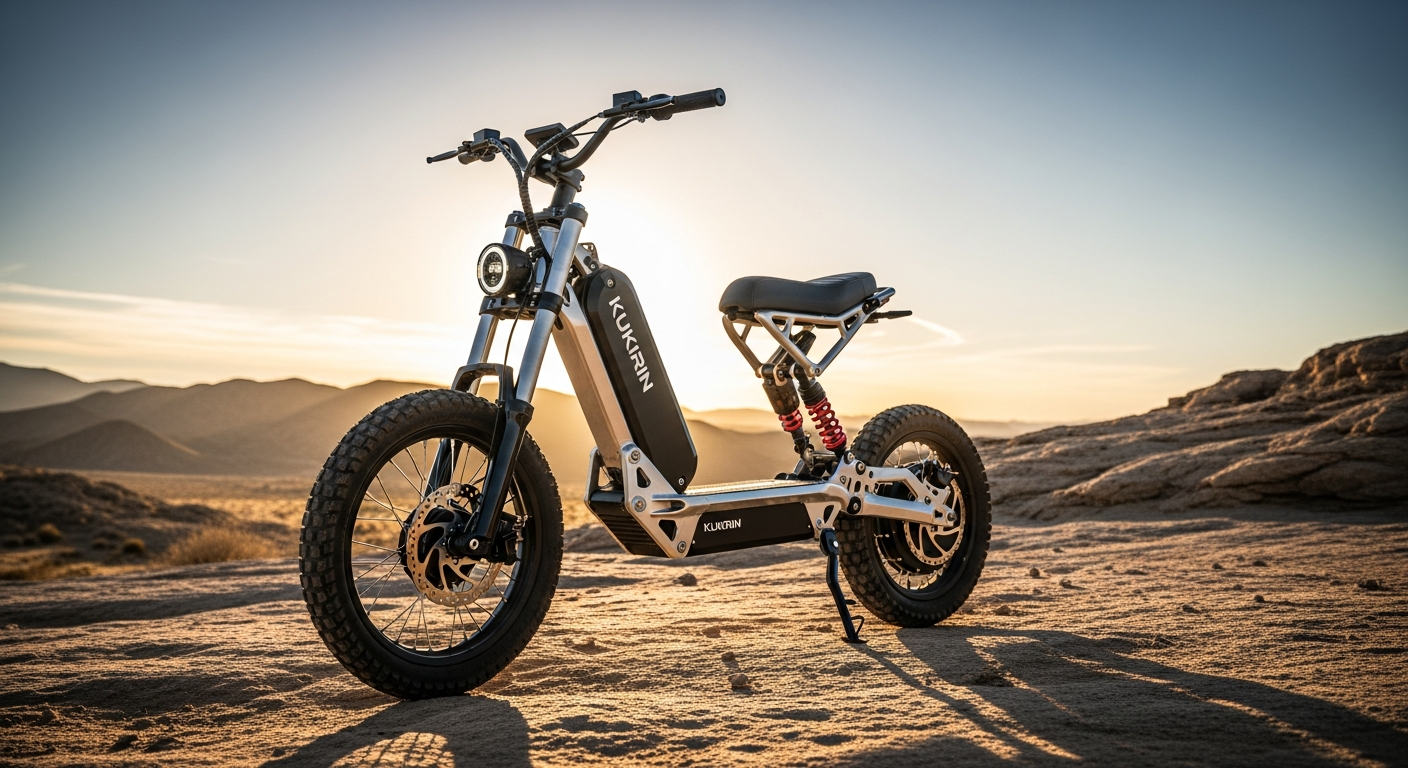
Discover why the KuKirin G2 2026 folding electric scooter dominates off-road riding with its 800W motor, 55km range, and dual suspension. Perfect for adventurous riders seeking power and comfort on challenging terrain.
Off-road electric scooter riders face a brutal choice: sacrifice comfort for capability, or settle for underpowered machines that can't handle rough terrain. But what if you could have both? The KuKirin G2 2026 shatters this false dilemma with a combination of raw power and suspension technology that transforms gravel paths, forest trails, and uneven surfaces into rideable adventures.
Electric scooters have evolved dramatically since their urban debut, and while most models remain confined to smooth asphalt, the KuKirin G2 2026 was engineered specifically for riders who crave more than predictable commutes. With its 800W brushless motor, advanced dual suspension system, and rugged 10-inch tubeless tires, this scooter bridges the gap between city transport and genuine terrain exploration at a price point that doesn't require a second mortgage.
Discover the KuKirin G2 2026 on Joom FR and start your off-road adventure today.
This guide helps you understand whether the KuKirin G2 2026 matches your riding ambitions by exploring its terrain-handling capabilities, examining how its suspension and tire technology perform on demanding surfaces, analyzing the power-to-range equation, and discovering what makes this model stand out for adventurous riders who refuse to stick to paved roads.
Tackling Rough Terrain—How the KuKirin G2 2026 Handles What Other Scooters Can't
10-Inch Tubeless Tires: The Foundation of Off-Road Performance
The vacuum-sealed, tubeless design eliminates the puncture vulnerability that plagues traditional pneumatic tires. Riding over gravel, dirt, and sand becomes manageable because the tread patterns are optimized for natural surfaces rather than just asphalt. This isn't marketing hype—the difference between urban-focused scooters and genuine off-road machines often comes down to tire selection. The KuKirin G2 2026 prioritizes grip and durability, meaning loose surfaces provide predictable traction instead of the slipping frustration of standard models.
Dual Suspension Engineering: Absorbing Impact Without Sacrificing Control
Front and rear shock absorbers work in tandem to handle the punishment of uneven ground. Roots, rocks, and ruts transfer their energy through the suspension rather than directly into your legs and back. Extended off-road sessions become genuinely comfortable because vibration and impact are effectively dampened. The solid construction supports aggressive riding while maintaining stability through optimized ground clearance and frame geometry that resists tipping or losing control on technical terrain.
Real-World Performance Expectations
Honest assessment matters here. The KuKirin G2 2026 excels on compacted dirt roads, gravel paths, and managed forest trails with moderate obstacles. Rocky inclines with loose debris present challenges but remain rideable with proper technique. Muddy slopes test your control during descent, while grassy hillsides provide surprisingly good traction. Extremely technical terrain with large boulders or severe washouts reaches the boundaries of what this scooter can handle safely. Understanding these limitations prevents disappointment and keeps you riding intelligently.
Motor Power Meets Practical Range—The 800W Engine That Doesn't Drain Batteries
Understanding Rated Power Versus Peak Performance
The 800W continuous output represents what the motor consistently delivers during normal riding. The 1200W peak performance kicks in during acceleration or hill climbing when you need maximum torque. This distinction matters because marketing often emphasizes peak numbers while real-world performance depends on sustained power. The KuKirin G2 2026 balances both effectively, providing strong acceleration when merging into traffic or climbing grades while maintaining efficiency during steady cruising.
Battery Capacity and Real-World Range
The 48V 15Ah or 15.6Ah lithium-ion battery delivers a substantial maximum range of up to 55 km on a single charge under ideal conditions. "Ideal" means consistent, moderate speeds on relatively flat terrain with minimal braking. Off-road riding typically reduces this range by 20-30% because rough surfaces require more motor effort to maintain speed, and hill climbing consumes significant energy. Mixed terrain adventures of 35-40 km represent more realistic expectations for a full battery cycle.
Charging Strategy for Extended Adventures
Eight to nine hour charging times mean planning ahead for multi-day trips. Overnight charging provides full battery capacity for the following day's exploration. However, this long charging window also benefits the battery's longevity compared to fast-charging systems that degrade lithium-ion cells. For multi-day excursions, positioning yourself near charging infrastructure or bringing a portable power solution becomes necessary. Weekend warriors typically manage fine with home charging before and after trips.
Battery Performance on Rough Terrain
Off-road riding accelerates battery degradation compared to urban commuting. The constant power demand from uneven surfaces and climbing means your battery experiences deeper discharge cycles. Protecting battery health involves avoiding complete drains, storing the scooter in moderate temperatures during off-season periods, and following manufacturer charging recommendations.
Hill-Climbing Mastery—20-Degree Incline Capability Explained
What 20-Degree Climbing Means in Practical Terms
A 20-degree incline translates to roughly a 36% grade—steep enough to handle most forest paths, steep driveways, and moderate mountain trail sections. This capability exceeds what single-motor scooters typically achieve, positioning the KuKirin G2 2026 in a different performance tier. Motor torque delivery maintains consistent power output when fighting gravity, preventing the speed loss that plagued underpowered competitors on grades.
Terrain-Specific Climbing Challenges
Rocky inclines demand precision and momentum; charging directly up loose stone requires commitment and steady throttle control. Muddy slopes test traction more than climbing power—the tires grip adequately, but the ground beneath them can shift. Grassy hillsides provide the most predictable climbing because roots anchor the surface and tires find firm ground beneath the vegetation. Rocky inclines versus muddy slopes versus grassy hillsides each present unique challenges requiring adapted technique.
Speed and Rider Technique Optimization
Velocity naturally decreases on climbs as the motor allocates power to fighting gravity rather than propulsion. Maintaining momentum before the climb, positioning your body weight appropriately, and applying steady throttle maximizes climbing potential. Descending terrain demands braking control and careful speed management to prevent loss of traction on steep grades.
Braking and Safety on Unpredictable Surfaces
Dual Disc Brake System Performance
Front and rear disc brakes deliver consistent stopping power across variable terrain. Wet and loose surfaces—muddy trails, rain-soaked paths, sandy beaches—all respond to reliable braking without the fade that traditional rim brakes experience. Stopping distance varies with speed and surface conditions, but the hydraulic or mechanical system maintains responsiveness without requiring constant maintenance adjustments.
Braking on Challenging Terrain
Emergency braking scenarios on rocky or uneven ground demand confidence that the brakes will respond predictably. The dual-disc design provides this assurance, enabling aggressive riding without fear of brake failure when you need stopping power most. Mud and debris accumulation requires regular cleaning to maintain brake responsiveness through the trail season.
Safety Beyond Braking
Lighting and visibility elements extend trail safety beyond mechanical stopping power. Riding in dusk or overcast conditions demands reflective components and functioning lights. Protective gear including helmets, knee pads, and appropriate clothing complete the safety picture for serious off-road sessions.
Portability Paradox—Balancing Weight, Durability, and Foldability
The 25-26 Kilogram Reality
The weight assessment determines whether the scooter remains genuinely portable or requires accommodation strategies. Twenty-five kilograms represents a genuine burden for extended carrying, though one-handed short-distance transport remains possible for most riders. Two-handed carrying or using a backpack strap becomes practical for anything beyond 50 meters. This heft reflects durability built for rough terrain—lighter competitors sacrifice ruggedness for portability.
One-Key Folding Mechanism
The folding design deploys quickly and enables storage in car trunks, apartment closets, and transportation scenarios where a fully extended scooter wouldn't fit. Folded dimensions of 1258×660×540mm fit standard vehicle storage spaces, making multi-location riding feasible. The mechanism requires minimal effort and functions reliably after hundreds of fold-unfold cycles.
Build Quality Versus Portability Trade-Off
The substantial weight and solid construction exist because off-road riding demands durability that light materials can't provide. Competing with lighter models means accepting portability limitations in exchange for performance capability. Understanding this trade-off prevents regret after purchase. If you need to carry the scooter frequently over significant distances, the KuKirin G2 2026 presents genuine challenges. If transport means short carries to storage or occasional trunk loading, the weight becomes manageable.
Explore current pricing and availability for the KuKirin G2 2026 on Joom FR.
Weather Resistance and Durability—IP54 Waterproofing for Trail Conditions
Understanding IP54 Rating Standards
IP54 classification means the scooter resists dust accumulation and water splashes from any direction. This doesn't equate to full submersion protection—fording streams or completely submerging the scooter in water remains risky. However, rain riding, wet grass, and muddy puddle splashes pose no threat to electronics or motor function. The rating acknowledges real trail conditions while maintaining honest expectations about limitations.
Component Protection on Technical Terrain
Motor, battery, and controller shielding prevents environmental hazards from reaching sensitive electronics during trail riding. After muddy sessions, water spray from cleaning won't infiltrate the system if you avoid directing high-pressure jets at sealed connection points. The protective design balances accessibility for maintenance with safeguarding core components.
Seasonal Riding and Long-Term Durability
Winter salt exposure accelerates corrosion on exposed metal components, making thorough rinsing necessary after riding in treated road conditions. Summer dust clouds deposit fine particles on mechanical systems requiring regular cleaning. Spring mud challenges the seal integrity, demanding inspection for water intrusion after particularly messy sessions. Seasonal care and protective measures extend lifespan through proper maintenance and storage practices.
Price-to-Performance Ratio—Why €350-€725 Represents Genuine Value
Competitive Feature Set Analysis
Comparable scooters at similar price points typically force compromises—adequate motor power but limited range, good suspension but weak brakes, impressive battery capacity but mediocre motor output. The KuKirin G2 2026 maintains balance across all performance categories, delivering specifications that competitors reserve for models costing €1,000 or more. This isn't overstated. The combination of 800W motor, 55 km range, dual suspension, and 10-inch tubeless tires places this scooter in a genuinely competitive position.
Joom FR Marketplace Variations
Pricing across different sellers ranges from €350 entry-level offerings to €725 premium listings, reflecting condition, included accessories, and promotional timing. Understanding seller differences and seasonal pricing patterns helps identify genuine opportunities versus overpriced inventory. Promotional periods typically offer better value than standard pricing.
Hidden Costs Beyond Purchase Price
Maintenance, replacement tires, and protective gear investments accumulate over time. Budget for eventual tire replacement (€50-100 per tire), brake fluid or pads (€30-60), and protective equipment including helmet, pads, and gloves (€100-200). These costs spread across years of ownership and shouldn't deter purchase, but they deserve acknowledgment when calculating true ownership expense.
Warranty and After-Sales Support
Purchase protection through reputable Joom FR sellers provides recourse if major components fail. Understanding warranty coverage and after-sales support channels gives confidence in long-term ownership. Some sellers offer extended protection plans worth evaluating based on your intended usage intensity.
Speed Modes and Terrain Adaptation—Matching Performance to Environment
Three-Speed Configuration Strategy
Twenty-five km/h urban commuting mode provides controlled city riding with extended battery life—useful when you need to arrive fresh or conserve power for extended journeys. Thirty-five km/h trail exploration mode balances speed and stability on uneven ground, offering the sweet spot for most off-road riding. Forty-five km/h open-road performance mode suits straight stretches and confident riders with appropriate terrain, though this speed exceeds legal limits on many EU public roads.
Automatic Mode Selection for Changing Conditions
Switching speeds based on terrain and riding conditions maintains safety while optimizing battery efficiency. Starting in 25 km/h mode on unfamiliar terrain, then increasing speed as confidence and surface conditions allow, represents intelligent progression. Lower speeds during descents preserve braking effectiveness. Matching mode to environment extends range and maintains control throughout varied riding.
Legal Compliance and Responsible Riding
Speed limitations in EU jurisdictions vary by region, with many countries restricting road-legal scooters to 25 km/h maximum. The KuKirin G2 2026's 45 km/h capability requires responsibility—using higher speeds only on private property where local regulations permit. Understanding these limitations prevents legal complications and ensures respectful interaction with community infrastructure.
Suspension Technology Breakdown—Why Dual Shock Absorbers Transform the Ride
Front Suspension Design and Impact Handling
Forward shock absorbers handle initial impact from obstacles and ruts, preventing the jarring sensation that rigid-frame scooters deliver. The front suspension compresses on impact, absorbing energy and then extending smoothly as the wheel passes over the obstacle. This responsiveness allows sustained riding comfort that competitors with rigid frames simply cannot match.
Rear Suspension Coordination
Rear suspension works with front suspension for balanced response across the entire ride. A scooter with only front suspension creates unstable rear-wheel behavior on rough terrain. The dual system maintains consistent contact between all wheels and ground, preserving traction and control. This coordination prevents the pitching motion that compromises safety and comfort on technical terrain.
Balancing Comfort with Terrain Feedback
Excessive suspension compliance creates disconnected, mushy handling where the rider loses awareness of what the wheels encounter. Minimal suspension creates jarring discomfort and fatigue. The KuKirin G2 2026's tuning balances these extremes, providing comfort while maintaining enough terrain feedback to ride confidently and adjust technique in response to changing surface conditions.
Maintenance and Wear Patterns
Regular inspection keeps suspension responsive through proper care. Shock fluid levels, seal integrity, and mounting point tightness require periodic checking. Sustained off-road use accelerates wear, particularly on rocky terrain where repeated impacts stress hydraulic systems. Budget for eventual shock replacement (€100-200 per unit) during the scooter's service life.
Real-World Riding Scenarios—Where the KuKirin G2 2026 Excels and Struggles
Forest Trail Performance
Roots, rocks, and uneven forest paths represent the KuKirin G2 2026's ideal environment. Suspension absorbs root strike, tires grip around rock formations, and motor power maintains momentum on technical sections. Single-track trails with moderate obstacles become confidently rideable. Extremely technical terrain with boulder fields or severe washouts reaches the scooter's boundaries.
Beach and Sandy Terrain
Loose, shifting surfaces challenge any scooter, but the 10-inch tubeless tires provide adequate grip for sand navigation. Weight distribution and momentum management matter more than raw power on sand. Packed beach areas work well; deep sand requires technique and accepted speed limitations. Salt spray afterward demands thorough rinsing to prevent corrosion.
Gravel and Dirt Roads
Compacted unpaved surfaces provide stability and control that exceed asphalt-only scooters. Gravel traction remains dependable even when slightly loose. Long-distance dirt road cruising becomes feasible with proper tire pressure and suspension settings. This represents a key performance area where the KuKirin G2 2026 genuinely excels.
Steep Hillside Climbing
Sustained grades and technical ascents test the 20-degree climbing ability under real conditions. Motor power delivery performs reliably when fighting extended grades. Weight and rider technique significantly influence climbing success—heavier riders or poor weight distribution reduces performance. Descending demands careful brake management to maintain control.
Wet Weather Conditions
Rain and post-storm conditions test braking, traction, and safety. The dual disc brakes respond reliably on wet surfaces. Tire grip slightly decreases on wet pavement but remains adequate on dirt. Visibility challenges matter more than mechanical limitations—ensure proper lighting and reflective gear.
Honest Boundary Assessment
Vertical rock faces, dense boulder fields, and severe erosion washouts present terrain types where this scooter reaches practical limits and rider safety becomes questionable. Recognizing these boundaries prevents overambitious riding decisions that result in accidents or damage.
Rider Experience and Comfort During Extended Off-Road Sessions
Handlebar Ergonomics and Grip Comfort
Handlebar design and grip texture provide comfortable hand contact during long rides on bumpy terrain without fatigue. Hand positioning impacts control during technical sections, with slight forward lean enabling better weight distribution than upright stance. Gloved grip remains important for vibration management and safety.
Standing Platform Stability
Deck size and standing platform design ensure foot placement and stable stance control. Confidence in foot positioning enables aggressive body movements during technical terrain navigation. Platform size accommodates various shoe sizes without restricting movement or creating instability.
Vibration Dampening Effectiveness
Physical demands of off-road riding versus smooth commutes require proper conditioning and technique. The suspension and tire design reduce fatigue through vibration absorption, but multi-hour sessions still demand core strength and leg endurance. Building riding fitness through graduated session duration prevents overuse injuries.
Protective Gear Recommendations
Helmets remain non-negotiable for any speed above walking pace. Knee pads and elbow protection prevent injury during inevitable learning crashes or accidental dismounts. Proper footwear with ankle support reduces twisting injuries. Gloves protect hands during braking and crashes while improving grip security.
Real Community Feedback
Adventure enthusiasts and off-road community members consistently praise the KuKirin G2 2026's capability-to-price ratio. Testimonials highlight reliable performance through muddy conditions, impressive hill-climbing, and comfortable suspension. Common feedback acknowledges the weight and charging time trade-offs while confirming that performance capabilities justify these limitations for serious riders.
Maintenance and Long-Term Ownership for Off-Road Warriors
Tire Replacement Schedules
Tubeless tire lifespan varies with riding intensity and terrain type. Aggressive rocky riding reduces life to 12-18 months; moderate gravel riding extends life to 24-30 months. Replacement costs range €50-100 per tire. Learning to replace tires yourself saves labor costs and builds maintenance capability.
Brake System Servicing
Disc brake pads wear faster on off-road terrain due to dust and debris. Inspection every 500 km of off-road riding identifies wear patterns. Pad replacement costs €30-60 and takes 30 minutes with basic tools. Brake fluid maintenance (if hydraulic system) requires annual inspection and replacement every 2-3 years.
Battery Care for Extended Lifespan
Avoiding complete battery drains, storing the scooter in moderate temperatures, and following manufacturer charging recommendations preserves battery health. Lithium-ion cells degrade with extreme temperature exposure and deep discharge cycles. Proper storage during off-season periods (cool, dry location around 20°C) prevents degradation.
Cleaning and Corrosion Prevention
Regular rinsing after muddy or salty rides prevents corrosion and component fouling. Avoid directing high-pressure water jets at sealed connections or electronics. Air-drying completely before storage prevents moisture accumulation. Protective spray coatings on exposed metal extend component life.
Spare Parts Availability
Joom FR and other channels provide access to replacement tires, brake pads, suspension components, and controller units. Building relationships with reliable sellers ensures parts availability when components inevitably wear. Keeping spare brake pads and fuses on hand prevents trip cancellation due to minor failures.
DIY Maintenance Versus Professional Service
Tire changes, brake pad replacement, and basic cleaning fall within DIY capability with minimal tools. Controller or motor issues demand professional service. Learning what you can handle builds confidence and saves costs; knowing when to seek professional help prevents compounding problems through improper repair attempts.
Your Off-Road Journey Starts Here
The KuKirin G2 2026 folding electric scooter represents a genuine breakthrough for riders who refuse to be confined to smooth pavement. Its 800W motor, dual suspension system, and rugged 10-inch tubeless tires combine to deliver off-road capability that punches well above its €350-€725 price range. You're getting performance features typically reserved for scooters costing significantly more.
That said, this machine demands respect. The 25kg weight means you'll feel it when carrying, the 8-9 hour charging time requires planning, and the 45 km/h top speed exceeds legal limits on many EU public roads. These aren't dealbreakers—they're realities that separate genuine adventure machines from compromised urban commuters.
If you're someone who craves gravel paths over sidewalks, forest trails over bike lanes, and the thrill of terrain exploration over predictable routes, the KuKirin G2 2026 deserves serious consideration. Start by identifying your local riding terrain, honestly assess your portability needs, and determine whether you're willing to invest in maintenance. Then take the plunge. The off-road community is waiting, and this scooter is ready to take you there.