
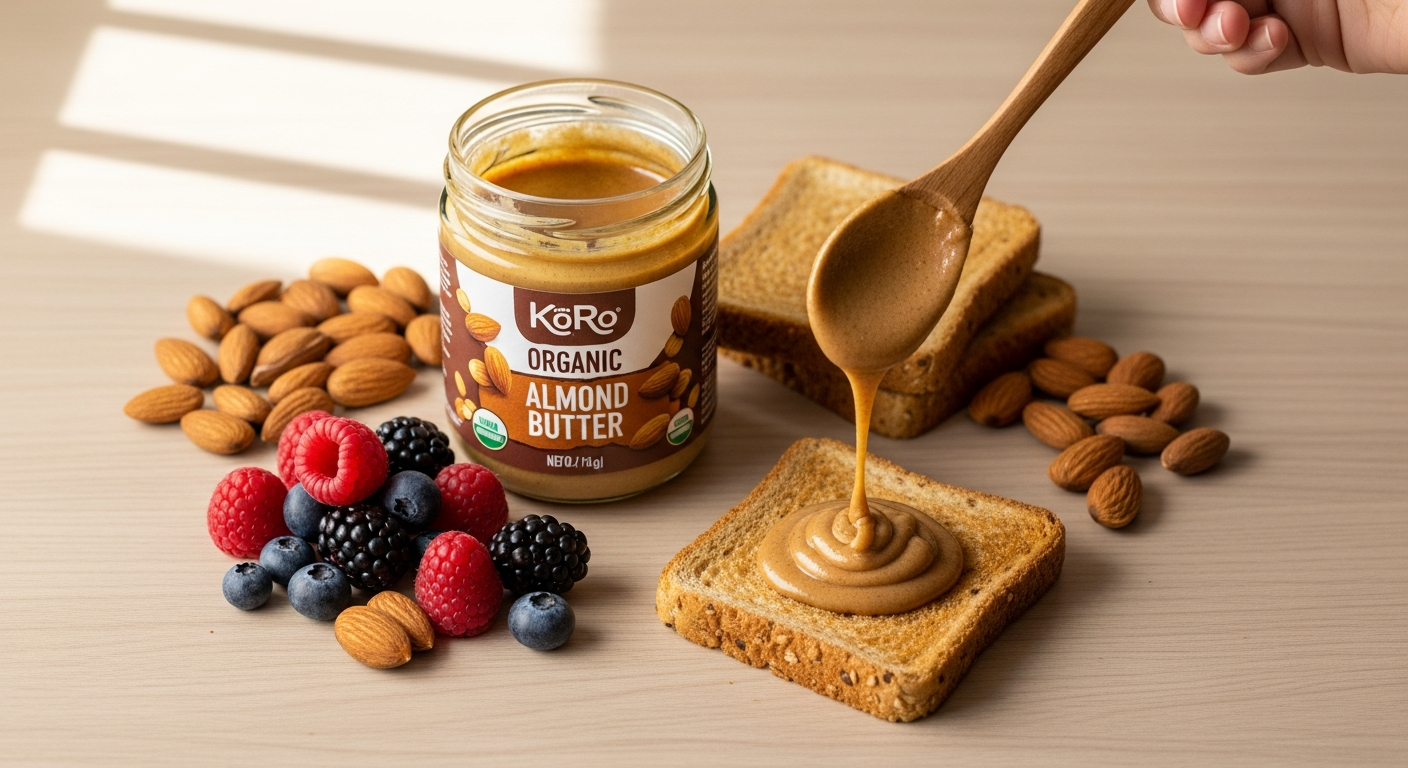
Discover 10+ creative uses for KoRo Organic White Almond Butter 500g—from smoothies to savory sauces. Learn why this 4.9-star rated spread is a kitchen staple for health-conscious cooks.
Over 3,500 customers have rated KoRo’s Organic White Almond Butter at 4.9 stars, yet most people still treat it as a simple breakfast spread. This versatile powerhouse deserves far more recognition than just a jar on your pantry shelf. The creamy texture and naturally sweet flavor profile hint at possibilities that extend well beyond toast and jam.
What makes this 500g jar stand out isn’t just its pure ingredient list of 100% blanched almonds—it’s the sheer adaptability. Whether you’re following a specific diet, experimenting with new recipes, or simply looking to elevate everyday meals, this organic almond butter transforms ordinary dishes into something genuinely special. The blanching process removes the almond skins, creating a lighter color and milder taste that works beautifully in both sweet and savory applications.
Why Blanched Almonds Change Everything
The blanching process explained
The blanching process involves briefly soaking almonds in hot water, then removing the protective outer skin. This seemingly simple step creates a fundamentally different product. By eliminating the almond skins, manufacturers produce a butter with a distinctly lighter appearance and noticeably gentler flavor profile. The skins, which contain tannins and contribute to a slightly bitter taste, are removed entirely, leaving behind the sweet, delicate kernel.
Texture advantages
Blanched almond butter spreads more smoothly than whole-almond varieties. Without the fibrous skins disrupting the texture, the natural oils blend seamlessly into a creamy consistency that doesn’t require vigorous stirring. This smoothness makes it practical for applications requiring easy incorporation—think smoothies, baking batters, and sauce bases. The uniform texture also means better coverage when spreading, eliminating the grainy mouthfeel some experience with whole almond butters.
Flavor implications
The delicate, naturally sweet taste works in both sweet and savory applications. In desserts, the subtle nuttiness complements chocolate, vanilla, and warm spices without overwhelming other flavors. For savory dishes, the mildness allows it to serve as a neutral base for bold seasonings in Asian-inspired dressings, curry pastes, and marinades. This flexibility makes it superior to assertive whole almond butters that demand specific pairing strategies.
Digestibility considerations
Some people find blanched almond butter easier on the digestive system. The removal of almond skins—which contain compounds that some individuals struggle to digest—creates a gentler option for those with sensitive stomachs. The blanching process doesn’t alter the nutritional density, but rather optimizes it for better absorption and reduced digestive discomfort for certain consumers.
Culinary flexibility
The neutral taste makes it ideal for ingredient-based cooking rather than standalone spreads. When you’re building a recipe rather than enjoying almond butter on its own, this subtle flavor profile becomes an asset. It won’t compete with other ingredients or require careful flavor matching. Instead, it contributes richness, creaminess, and nutritional value without asserting its own identity.
Visual appeal
Lighter-colored almond butter works better in certain recipes and presentations. The pale ivory hue of blanched almond butter creates visually appealing smoothie bowls, layered yogurt parfaits, and light-colored sauces. This aesthetic consideration matters for food photography, plating, and the visual experience of eating—something whole almond butter, with its deeper brown tone, cannot provide.
10+ Unexpected Kitchen Applications
Smoothie base
Creating creamy protein-packed drinks without dairy starts with a simple addition. Stir 2 tablespoons into fruit smoothies, green smoothies, or coffee-based blends. The almond butter adds creaminess, protein, and sustained energy without requiring milk, yogurt, or protein powders. The mild flavor disappears into berry blends while enhancing chocolate or vanilla variations.
Baking ingredient
Substituting for butter or oil in cookies, brownies, and cakes transforms texture and nutritional content. Replace up to 75% of the butter or oil in recipes with almond butter. The result is a denser, more moist crumb with added protein and healthy fats. Snickerdoodles, chocolate chip cookies, and brownies all benefit from this swap.
Oatmeal enhancer
Stirring into warm oats for creaminess and sustained energy creates a more satisfying breakfast. Add a spoonful to your morning bowl and mix thoroughly. The natural oils distribute throughout, creating a luxurious texture while the protein content keeps hunger at bay until lunch.
Yogurt swirl
Layering with Greek yogurt for a protein-rich breakfast bowl builds a substantial meal. Alternate layers of unsweetened yogurt with almond butter, then top with granola and fresh berries. This combination delivers over 20 grams of protein per bowl.
Savory sauce foundation
Building Asian-inspired peanut-free dressings and marinades becomes straightforward. Whisk 3 tablespoons with rice vinegar, coconut aminos, ginger, and garlic for a satay-style sauce. The almond butter provides richness without the peanut flavor, making it perfect for those with peanut allergies or anyone seeking novelty in familiar sauce formats.
Soup thickener
Adding richness to butternut squash, carrot, or cauliflower soups creates velvety depth. Whisk a few tablespoons into warm soup just before serving. The almond butter dissolves seamlessly, thickening the broth while adding nutritional value. This technique works particularly well in roasted vegetable soups where the natural sweetness of almond butter complements caramelized flavors.
Energy ball ingredient
Combining with dates and cocoa for homemade snacks eliminates store-bought options. Mix 1 cup almond butter with 1 cup chopped dates, cocoa powder, and a pinch of sea salt. Roll into balls and refrigerate. These no-bake bites provide sustained energy and satisfy chocolate cravings.
Nut milk alternative
Blending with water creates a creamy plant-based milk. Mix 3 tablespoons almond butter with 1 cup filtered water and a pinch of vanilla or sea salt. Blend until smooth and frothy. Strain through a nut milk bag if a thinner consistency is preferred. This fresh milk lasts up to 5 days refrigerated.
Dessert filling
Using between cake layers or in pastry applications adds sophistication. Whip the almond butter with a touch of maple syrup and vanilla extract, then spread between cake layers. The creamy texture provides an elegant alternative to traditional frostings while contributing protein and healthy fats.
Salad dressing base
Creating creamy vinaigrettes without mayo or cream happens by whisking 2 tablespoons with olive oil, lemon juice, and Dijon mustard. The almond butter emulsifies the dressing while adding subtle nuttiness. This approach creates rich dressings with improved nutritional profiles compared to cream-based alternatives.
Protein pancake mix
Incorporating into batter for nutrient-dense breakfast pancakes amplifies protein content. Add 2-3 tablespoons to your standard pancake batter. The resulting pancakes contain roughly double the protein, stay moist longer, and satisfy appetites for extended periods.
Unlock these 10+ applications and transform your cooking with KoRo’s versatile almond butter.
Nutritional Profile & Health Benefits
Healthy fat composition
Monounsaturated fats support heart health and satiety. The primary fat type in almonds—oleic acid—reduces inflammation and supports cardiovascular function. These fats digest slowly, providing sustained energy and reducing afternoon cravings. Unlike trans fats or excessive saturated fats, monounsaturated fats actually improve cholesterol profiles.
Protein content
Plant-based protein suitable for vegetarians and vegans makes this product valuable for diverse dietary approaches. Each serving delivers approximately 6 grams of protein, supporting muscle maintenance, recovery, and overall cellular function. For plant-based eaters, consistent almond butter consumption contributes meaningfully to daily protein targets.
Fiber advantages
Supporting digestive health and stable blood sugar levels, the fiber content in almond butter promotes regularity and reduces blood sugar spikes. The soluble fiber feeds beneficial gut bacteria while the insoluble fiber supports digestive motility. This dual action creates stable energy throughout the day.
Vitamin E richness
Antioxidant properties protect cells from oxidative stress. Almonds contain exceptionally high levels of vitamin E, a fat-soluble antioxidant that protects cell membranes from damage. Regular consumption supports skin health, immune function, and may reduce risk of chronic diseases linked to oxidative stress.
Magnesium abundance
Supporting muscle function, energy production, and sleep quality, magnesium deficiency affects millions. Almond butter provides meaningful quantities of this essential mineral. Regular consumption may reduce muscle cramps, improve sleep quality, and enhance exercise recovery.
Calorie density
Understanding portion sizes for weight management goals requires acknowledging that almond butter contains approximately 190 calories per 2-tablespoon serving. This density means small quantities provide substantial nutrition and satiety. Appropriate portions—typically 1-2 tablespoons—deliver benefits without excessive calorie intake.
Allergen considerations
Being naturally free from common allergens when purchased pure makes this product accessible to many. Unlike products containing peanuts, soy, dairy, or gluten, pure almond butter accommodates diverse dietary restrictions. The single-ingredient format eliminates hidden allergens found in blended products.
Bioavailability
Organic certification ensures nutrient absorption. The absence of pesticides and chemical residues means the digestive system processes almonds more efficiently. Organic farming practices typically result in higher micronutrient concentrations compared to conventionally grown alternatives.
The 500g Glass Jar: Sustainability Meets Practicality
Packaging material
Glass jars outperform plastic for long-term storage. Glass remains chemically inert, preventing any transfer of compounds into the almond butter. Unlike plastic, which can leach chemicals with age or temperature fluctuations, glass preserves product integrity indefinitely. The material also eliminates concerns about microplastics contaminating food.
Size efficiency
The 500g format balances bulk purchasing with freshness. This quantity provides several weeks of regular use for most households while remaining manageable enough to finish before quality deteriorates. Larger containers (1kg or more) may sit partially used for extended periods, allowing oxidation to progress unnecessarily.
Waste reduction
Contributing to KoRo’s commitment to sustainable practices, purchasing larger formats reduces per-unit packaging waste. One 500g jar generates less packaging waste than five 100g jars containing identical quantities. This scaling approach matters significantly when multiplied across thousands of customer purchases.
Reusability options
Second-life uses for glass containers extend their value. Empty jars serve purposes including overnight oats storage, homemade nut butter batches, bulk spice organization, or decorative dried flower arrangements. The quality glass construction means decades of reuse remain possible.
Storage longevity
Proper techniques for maintaining freshness prevent oil separation and rancidity. Storing jars in cool, dark pantries slows oxidation significantly. Airtight glass containers prevent exposure to oxygen and light, the primary culprits in product degradation. Unopened jars maintain quality for extended periods.
Cost per kilogram
Understanding the €12.50 value proposition compared to smaller jars clarifies the savings. At approximately €25 per kilogram, this pricing competes favorably with specialty almond butters while matching or undercutting premium brands. Bulk purchasing amplifies savings compared to single-serving packets.
Bulk buying appeal
Purchasing larger formats reduces overall packaging waste and supports sustainable consumption patterns. Customers purchasing 500g jars instead of smaller quantities simultaneously reduce plastic waste, transportation emissions, and per-unit costs. This approach aligns economic benefits with environmental responsibility.
Quality & Ingredient Transparency
100% organic certification
What this means for pesticide-free production extends beyond marketing claims. Organic almonds are grown without synthetic pesticides, herbicides, or fertilizers. Independent certification bodies verify farming practices, meaning purchasers can trust the “organic” designation represents actual production standards rather than aspirational labeling.
Single-ingredient simplicity
No added sugars, oils, or preservatives simplifies decision-making. The ingredient list reading “100% Organic Blanched Almonds” eliminates nutritional analysis paralysis. Consumers know exactly what they’re purchasing—nothing more, nothing less. This transparency builds confidence that health claims align with actual product composition.
KoRo’s quality standards
How the brand’s reputation translates to trustworthy products matters in an industry rife with misleading claims. KoRo’s consistent excellence across product categories, reflected in customer reviews, indicates rigorous quality control. The brand prioritizes transparency and sustainability across operations, suggesting systemic commitment rather than isolated success.
Third-party testing
What customer reviews reveal about consistency and purity demonstrates reliability. When thousands of customers report consistent texture, flavor, and performance, this indicates standardized production processes. The 4.9-star rating across 3,500+ reviews suggests minimal variation between batches, a hallmark of quality manufacturing.
Clean label movement
Why minimalist ingredient lists matter to modern consumers reflects broader food philosophy shifts. Contemporary consumers increasingly distrust complex ingredient lists containing unrecognizable compounds. Clean labels—those containing recognizable, minimal ingredients—align with intuitive food choices and provide peace of mind regarding what enters bodies.
Traceability
Understanding where organic almonds are sourced matters for environmental and social responsibility. Transparent sourcing information allows consumers to verify farming practices extend beyond certification papers. KoRo’s commitment to sustainability suggests detailed sourcing practices, though specific origin details would further enhance transparency.
Certification bodies
Which organizations validate the organic claim provides assurance beyond manufacturer promises. Independent certifiers such as EU organic certification bodies conduct regular audits and testing. These third-party verifications carry weight that manufacturer claims cannot match, providing genuine security for conscious consumers.
Managing Oil Separation & Storage Tips
Why natural separation occurs
Understanding the absence of emulsifiers in pure almond butter explains this common phenomenon. Without emulsifying agents—typically soy lecithin—the almond oil naturally separates from the solid almond particles over time. This separation is not deterioration but rather a natural consequence of purity. Commercial alternatives using emulsifiers prevent separation but sacrifice ingredient cleanliness.
Stirring techniques
Best methods for reintegrating oil without creating a mess involve gradual, patient stirring. Start with a fork or small spoon, working the oil in from the edges toward the center. Alternatively, inverting the jar several times before opening distributes oil throughout. For stubborn separation, allowing the jar to sit at room temperature for several hours softens the butter, easing the stirring process.
Storage location
Keeping the jar in cool, dark places slows oxidation. Pantries, cupboards, or cool counters work ideally. Direct sunlight accelerates oil separation and can degrade nutrients through exposure to UV light. Consistent temperatures prevent rapid expansion and contraction that encourages separation.
Refrigeration vs. room temperature
Pros and cons of each storage method warrant consideration. Room temperature storage allows easier spreading and access but accelerates oil separation. Refrigeration slows separation significantly and extends shelf life but makes spreading more challenging. Most users find a compromise—storing at room temperature but refrigerating during hot months—optimal.
Shelf life expectations
How long the 500g jar remains fresh after opening depends heavily on storage practices. At room temperature, expect 1-2 months before oxidation noticeably affects flavor. Refrigerated storage extends this to 3-4 months. Unopened jars maintain quality for 12 months or longer, with expiration dates on packaging confirming manufacturer estimates.
Prevention strategies
Minimizing oil separation through proper storage practices begins with consistent temperature maintenance. Keeping jars in stable, cool environments rather than fluctuating kitchen areas significantly reduces separation. Ensuring lids seal tightly prevents oxygen exposure, the primary driver of separation acceleration.
Turning separation into advantage
Using the oil layer for cooking or skincare applications provides benefits rather than requiring waste. The separated oil—pure almond oil—serves excellently for sautéing vegetables, drizzling over salads, or using as a natural skin moisturizer. This reframing transforms a “problem” into a feature, aligning with zero-waste philosophies.
Comparing KoRo to Other Almond Butter Brands
Price point analysis
How €12.50 compares to premium and budget alternatives clarifies value positioning. Budget brands may price at €7-9 for 500g but often include additives or lower-quality ingredients. Premium brands charge €15-18 for similar quantities, justifying costs through elaborate branding rather than ingredient superiority. KoRo’s pricing lands in a sweet spot—premium quality at accessible prices.
Ingredient purity
Why KoRo’s single-ingredient approach stands apart becomes obvious when examining competitor formulations. Many brands include added oils, salt, or sweeteners. These additions provide manufacturing advantages and longer shelf life but compromise the “purity” claim. KoRo’s refusal to compromise on ingredients differentiates the product meaningfully in crowded markets.
Texture consistency
Customer feedback on smoothness versus competitors consistently favors KoRo. The creamy, spreadable consistency that requires minimal stirring exceeds most competitor offerings. Users report that KoRo’s blanched almond butter integrates smoothly into recipes while some competitors present grainier textures or excessive oil separation.
Flavor profile
The subtle sweetness distinguishing blanched varieties positions KoRo differently from whole almond butter competitors. This delicate flavor opens culinary applications impossible with assertive alternatives. Users appreciate the versatility, noting that KoRo’s flavor works equally in chocolate desserts, savory Asian sauces, or as a simple breakfast spread.
Packaging sustainability
Glass jars versus plastic containers represent a fundamental values difference. While competitors may offer lower prices through plastic packaging, KoRo’s glass commitment reflects genuine sustainability priorities. The reusability and absence of microplastic contamination risks position KoRo as environmentally conscious.
Customer satisfaction metrics
The significance of 4.9-star ratings with 3,500+ reviews cannot be overstated. This volume of reviews eliminates statistical anomalies—the rating reflects genuine customer experience across diverse use cases. Few competitor products achieve such consistent positive feedback, suggesting KoRo delivers reliably where others disappoint.
Value proposition
Understanding cost-per-use over a month of regular consumption reveals true value. A 500g jar used at 2 tablespoons daily costs approximately €0.42 per use. This low cost for multiple daily applications beats coffee, specialty foods, or premium supplements, making it exceptional value for health-conscious consumers.
Who Benefits Most from This Product
Health-conscious home cooks
Seeking clean-label ingredients for everyday meals find KoRo’s product perfectly aligned with their values. The transparency enables confident purchasing decisions and ingredient control. These consumers actively avoid processed foods and appreciate the simplicity of 100% almonds without additives or hidden compounds.
Plant-based eaters
Needing versatile protein sources for varied cuisine, almond butter provides essential nutrients in flexible formats. The ability to incorporate it into everything from smoothies to savory sauces means plant-based eaters develop diverse diets rather than relying on repetitive meals. Regular consumption contributes meaningfully to daily protein requirements.
Fitness enthusiasts
Looking for nutrient-dense options supporting muscle recovery, almond butter delivers protein, healthy fats, and micronutrients in concentrated form. Post-workout smoothies incorporating almond butter optimize recovery windows, while pre-workout consumption provides sustained energy for training sessions.
Parents seeking alternatives
Replacing conventional spreads with organic options appeals to parents prioritizing child health. The ingredient transparency provides confidence in feeding children genuinely nutritious foods rather than marketing-driven products masquerading as health foods. Many parents report children readily accepting almond butter in place of conventional spreads.
Environmentally aware consumers
Prioritizing sustainable packaging and production, these purchasers actively seek brands aligning with values. KoRo’s glass jars, organic sourcing, and bulk formatting appeal directly to this segment. The reusable packaging removes guilt about purchasing convenience food while supporting environmental responsibility.
Allergy-conscious households
Avoiding additives and common allergen fillers, families managing allergies find safety in single-ingredient products. The pure formulation eliminates concerns about hidden peanut oils, soy lecithin, or other common allergens. This accessibility democratizes almond butter for populations typically restricted to limited options.
Budget-conscious bulk buyers
Maximizing value through larger format purchases, savvy consumers recognize that 500g jars cost-per-unit less than smaller quantities. These purchasers understand economies of scale and actively seek bulk options offering sustainability benefits alongside financial savings. KoRo’s pricing makes this strategy accessible rather than exclusive.
Culinary experimenters
Wanting a neutral-flavored base for creative recipes, ambitious home cooks appreciate almond butter’s versatility. The mild flavor disappears into unexpected applications, enabling experimentation without risking bold flavor clashes. These creative users repeatedly discover new applications, turning single products into multi-purpose kitchen staples.
Real Customer Experiences & Feedback Patterns
Why 3,500+ reviews matter
Statistical significance of the rating volume eliminates anomalies and isolated experiences. With this many reviews, outliers—both extremely positive and negative—balance each other, leaving the 4.9-star average representing genuine, typical experience. Smaller review counts could be skewed by a handful of passionate customers or detractors.
Common praise points
Recurring positive themes from verified purchasers highlight genuine product strengths. Users consistently emphasize the smooth texture, pure ingredients, and versatility. Many mention exceeding expectations regarding spreadability compared to other almond butters. The creamy consistency appears repeatedly as surprising in the best ways—easier to incorporate than anticipated.
Realistic concerns addressed
Oil separation and price transparency from honest reviews demonstrate customer authenticity. Rather than suppressing negative feedback, the 4.9 rating (not a perfect 5.0) indicates balanced reviews including legitimate concerns. Honest reviews mentioning oil separation actually build credibility, showing KoRo customers encounter normal, expected phenomena rather than perfect products.
Repeat purchase indicators
How customer loyalty reflects product quality becomes evident when examining purchase patterns. Many reviews mention multiple purchases, suggesting satisfaction sustains beyond initial trials. Repeat purchases indicate customers viewed experiences positively enough to continue choosing the product despite abundant alternatives.
Use case diversity
The range of applications mentioned across reviews demonstrates adaptability. Customers report smoothies, baking, oatmeal, energy balls, sauces, and dozens of other applications. This diversity validates product versatility claims while suggesting even creators of reviews haven’t exhausted possibilities.
Texture satisfaction
Why the creamy consistency resonates with users reflects successful product development. The blanching process and manufacturing produce a texture superior to whole almond alternatives. Users note that this texture requires minimal stirring—a practical advantage in actual kitchen use.
Value perception
How customers justify the price point through longevity and versatility demonstrates sophisticated purchasing logic. Rather than price-comparing as though products were interchangeable, satisfied customers recognize that KoRo’s quality and adaptability reduce need for multiple specialty products. One excellent multipurpose product replaces three adequate single-purpose alternatives.
Taking Your Cooking to the Next Level
The beauty of KoRo’s Organic White Almond Butter lies in its refusal to be confined to a single purpose. It transforms from a breakfast staple into the backbone of kitchen experiments—thickening soups, binding energy balls, and creating sauces that rival restaurant quality. The 500g glass jar sitting on your shelf isn’t just a pantry item; it’s a gateway to healthier, more creative cooking.
What resonates most with the 3,500+ customers who’ve rated this product is the honest simplicity: 100% blanched almonds, nothing else. No hidden additives, no unnecessary oils, no marketing fluff. That transparency builds trust, and trust builds loyalty. Whether you’re navigating dietary restrictions, reducing your environmental footprint, or simply tired of processed spreads, this almond butter delivers on every front.
Start with one application that excites you—maybe it’s a silky smoothie base or a savory sauce experiment. Once you experience how seamlessly it integrates into your cooking, you’ll understand why KoRo customers keep coming back. Your next jar is waiting, and your kitchen is ready for what comes next.