
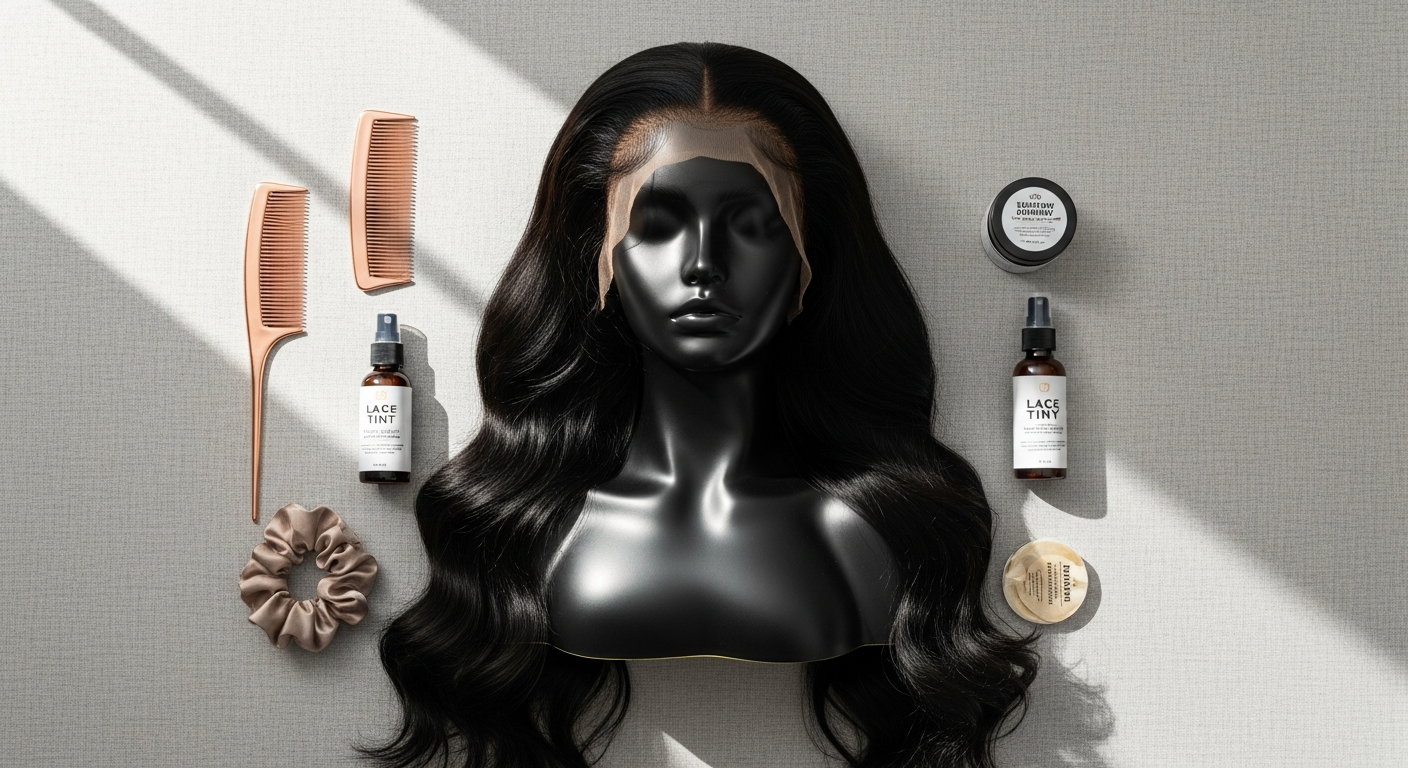
Discover why the ISEE HAIR Wear Go Glueless HD Lace Wig is perfect for on-the-go styling. Learn about HD lace technology, installation ease, and real user experiences in our comprehensive guide.
If you've ever spent thirty minutes wrestling with adhesive, waiting for glue to set, or dealing with a hairline that shifted mid-day, you're not alone. Over 60% of wig wearers cite installation time as their biggest pain point—yet most solutions still demand glue, heat application, or a trip to a professional. The frustration is real, and it's unnecessary.
The ISEE HAIR Wear Go Glueless HD Lace Wig represents a genuine shift in how people approach hairpiece styling. Built from 100% human virgin hair (typically 10A or 14A grade) and featuring revolutionary HD lace technology, this wig eliminates the adhesive equation entirely. The design prioritizes what busy people actually need: speed, comfort, and an undetectable natural appearance.
This guide walks through exactly what makes this wig function, from its innovative glueless construction to the science behind HD lace blending. You'll discover which textures work best for different lifestyles, how to maximize durability, and whether this investment truly delivers on its promises. Explore the ISEE HAIR Wear Go Glueless HD Lace Wig collection to find your perfect match.
What Makes the Wear Go Design Actually Work
How glueless technology differs from traditional glue-based wigs
Traditional glue-based wigs require careful application, drying time, and precise positioning—a process that often takes 20-45 minutes depending on hairline complexity. The adhesive sits against your scalp for hours, potentially causing irritation, allergic reactions, or buildup over time. Removal demands either special solutions or careful manipulation to avoid damaging both the wig and your hairline.
The Wear Go design sidesteps this entirely. Instead of relying on chemical adhesion, it uses a combination of strategic combs, adjustable straps, and a precisely engineered cap construction that creates mechanical stability. You're essentially wearing the wig rather than gluing it on—a fundamental difference in how the piece interacts with your head.
The role of adjustable straps and built-in combs in secure fit
Straps positioned at the nape and sides distribute weight evenly across your head, preventing the wig from shifting or slipping. These aren't afterthoughts—they're engineered to work in concert with the cap design. Most ISEE HAIR models feature adjustable straps with multiple settings, allowing you to customize tension without overtightening or creating discomfort.
Built-in combs anchor the wig at key points: along the front hairline and at the temples. These combs grip your natural hair (or a wig cap) and lock the piece into position. When properly adjusted, they're virtually imperceptible while providing remarkable stability.
Why the M-cap 9×6 design provides superior comfort and stability
The M-cap designation refers to medium-sized coverage, while the 9×6 measurement indicates the lace front dimensions—9 inches wide and 6 inches deep. This sizing standard provides extensive front lace coverage, creating plenty of room for a natural-looking hairline without requiring the entire frontal area to be lace (which can be delicate and prone to tangling).
The 9×6 footprint means more secure attachment points for the built-in combs and straps, distributing tension more effectively than smaller caps. Your scalp experiences less pressure concentration, reducing the discomfort that comes with traditional adhesive wigs. The cap also accommodates various head shapes more reliably than one-size-fits-all alternatives.
Real-world wear times: how long you can keep it on without adjustment
Most users report comfortable wear times of 8-12 hours without requiring adjustment. Some experienced wearers extend this to full 24-hour periods, removing the wig only for sleep. The mechanical stability of the glueless design means the wig doesn't gradually loosen throughout the day the way glued pieces sometimes do.
The actual duration depends on your activity level, head shape, and strap adjustment precision. Sedentary days allow longer wear; high-movement activities (cardio, dancing, intense sports) might require repositioning after 6-8 hours. Most people find this trade-off far superior to daily glue applications.
Comparison of glueless systems across different wig brands
ISEE HAIR's glueless approach centers on mechanical stability through combs, straps, and cap engineering. Other brands offer different glueless systems: some rely primarily on adjustable straps without built-in combs, while others use suction-based caps or elastic bands. The ISEE HAIR model balances simplicity with reliability—it doesn't require special suction preparation or multiple pieces, just straightforward adjustment.
Competitors' glueless wigs sometimes sacrifice hairline coverage for ease of use, offering smaller lace fronts. ISEE HAIR maintains the 9×6 lace extent while keeping installation effortless, striking an uncommon balance.
The mechanics of staying in place during movement and activity
The comb teeth grip hair (yours or a protective wig cap), preventing upward slipping. Straps anchored at multiple points prevent lateral movement. The cap structure itself creates a snug envelope around your head's shape. Together, these elements create redundant security—if one system shifts slightly, the others compensate.
This redundancy is why the wig performs well during movement. You can turn your head quickly, bend forward, or move with natural energy without the piece shifting noticeably. Dancing, exercising, or engaging in active play becomes feasible without fear of repositioning.
HD Lace Technology and Skin Tone Blending
What HD (High Definition) lace actually means in wig construction
HD lace refers to ultra-fine lace material with a lower knot density and thinner overall construction. Traditional lace uses thicker thread and more visible knots, creating a slightly textured appearance. HD lace employs finer threads and smaller knots, reducing visibility significantly. Under normal viewing conditions, HD lace essentially disappears, creating the optical illusion that hair is growing directly from your scalp.
The manufacturing process is more delicate and technically demanding, which explains why HD lace wigs command higher prices than standard lace alternatives. The material itself is also slightly more fragile, requiring gentler handling during installation and wear.
Why thinner lace creates more undetectable hairlines
Visibility comes down to contrast and texture. Standard lace, while functional, creates a slight grid pattern that catches light differently than skin. This subtle texture becomes noticeable when examining hairlines closely or in certain lighting. HD lace's thinness means less material exists to create this contrast—your skin tone shows through almost unimpeded, making the lace border functionally invisible.
From arm's length or farther, even standard lace appears natural. HD lace surpasses this by remaining undetectable even when someone examines your hairline up close. This confidence factor alone justifies the technology for many users who previously felt self-conscious about their wig lines.
How HD lace adapts to various skin tones and undertones
The thinner material allows your actual skin tone to dominate the visual landscape. Because less lace material exists to interfere, the lace essentially becomes transparent. This works across all skin tones—the principle remains the same regardless of whether your undertones are warm, cool, or neutral.
ISEE HAIR offers HD lace wigs in multiple color options, but even with color variations, the transparency of HD lace means the piece adapts to individual skin tones naturally. Someone with a warm undertone and a cooler-toned wig will see less obvious color mismatch along the hairline compared to standard lace, where the lace material itself becomes a visible intermediary.
Pre-bleached knots and their role in natural appearance
Knots—the anchoring points where individual hairs attach to the lace base—come in two states: unbleached (dark) or pre-bleached (light). Unbleached knots are more durable but highly visible against lighter skin tones, creating dark spots along the hairline. Pre-bleached knots lighten these anchor points, making them nearly invisible against most skin tones.
This customization arrives already done on most ISEE HAIR Wear Go wigs, eliminating a step many wig wearers traditionally handle themselves. It's convenience compounded—you receive a product that's already optimized for natural appearance without requiring bleaching knowledge or supplies.
Pre-plucked hairlines: what comes ready versus what needs customization
Pre-plucked hairlines feature individually removed hairs along the lace front, creating a less-dense appearance that mimics a natural hairline's density variations. Without pre-plucking, the lace front appears uniformly dense—hair seemingly grows at full density right to the edge, which looks unnatural.
ISEE HAIR's Wear Go wigs arrive pre-plucked, meaning you receive a hairline that already appears natural. However, the specific plucking pattern represents a standard template. Some users prefer additional customization—creating baby hairs or adjusting density in specific areas—but the foundational work is complete. This saves hours compared to receiving a fully unplucked lace front.
Comparing HD lace to standard lace quality and visibility
Standard lace remains functional and can appear natural from normal distances. However, examination at closer range reveals the lace grid pattern and knots. HD lace eliminates this reveal—even up close, the appearance remains convincing. If you value the security of knowing your hairline withstands scrutiny, HD lace provides genuine peace of mind.
The quality difference translates to confidence difference. You're not managing visibility concerns; you're simply wearing hair. This psychological benefit often proves as valuable as the technical advantage.
Potential lace thickness concerns and who might experience them
Some users report that even HD lace on certain wigs feels slightly thick for their preferences. This subjective perception likely stems from individual sensitivity to texture or previous experience with ultra-premium lace alternatives. A small percentage of reviews mention this concern, suggesting it's not universal but worth acknowledging.
For most users across all skin tones, the HD lace thickness remains imperceptible. Those with extreme sensitivity to tactile sensations or previous experience with premium alternatives represent the most likely segment to notice thickness. Testing a wig before committing to a large collection represents a sensible approach if this concern resonates with you.
Texture Variety and Styling Versatility
Available textures: straight, body wave, kinky curly, water wave, and deep curly
ISEE HAIR Wear Go wigs arrive in five primary texture options, accommodating vastly different aesthetic preferences and lifestyle needs. Straight hair offers the cleanest, most professional appearance with minimal styling requirement. Body wave provides subtle movement and dimension without the maintenance demands of tighter curls. Water wave creates defined wave patterns with moderate movement and manageable styling needs.
Kinky curly and deep curly textures deliver dramatic curl definition, providing volume and visual interest that transforms your overall appearance. These textures represent statements—they command attention and create distinctive looks that straight or wavy alternatives cannot achieve.
Which textures require the least daily maintenance
Straight textures demand virtually no daily styling beyond basic brushing and occasional refreshing with water. Body wave requires similar minimal attention—perhaps a quick hand-tousle to reset waves after sleeping or extended wear. These textures allow grab-and-go simplicity, making them ideal for people whose lifestyles don't accommodate extended styling routines.
Water wave occupies a middle ground, needing occasional finger-combing and light water refreshing but not intensive daily styling. Curly textures (kinky curly and deep curly) demand considerably more attention. Daily water and mousse application, careful detangling, and styling effort become part of your routine. These require genuine commitment to maintenance.
Styling requirements for curly textures (mousse, water, frequency)
Curly textures benefit from daily water misting and mousse application, ideally in the morning and again midday if needed. The water reactivates the curl pattern, restoring definition lost during sleep or extended wear. Mousse provides hold, frizz control, and curl definition enhancement. Without these daily applications, curly wigs develop frizz, lose definition, and become prone to tangling.
This isn't occasional maintenance—it's a daily commitment. Users report spending 5-15 minutes each morning refreshing curly wigs. For people accustomed to natural curly hair maintenance, this feels routine. For others, it represents a significant lifestyle adjustment.
Drying and heat styling options for human hair wigs
The 100% human hair composition means these wigs tolerate heat styling similarly to natural hair. You can air-dry, use a blow dryer, or apply heat tools like flat irons or curling irons to reshape or customize styling. This flexibility is impossible with synthetic wigs, which melt under heat exposure.
However, heat application carries consequences. Repeated heat styling accelerates texture degradation, potentially shortening the wig's lifespan. Most users find that strategic heat use (perhaps weekly reshaping rather than daily styling) balances versatility with longevity. Curly textures particularly benefit from reduced heat exposure, relying instead on water and mousse refreshing.
Color customization possibilities with 10A and 14A grade hair
Both 10A and 14A grade hair can be dyed and bleached, opening extensive customization possibilities. You can lighten the hair for highlights, create ombre effects, or shift the overall color entirely. This customization option distinguishes human hair wigs from their synthetic counterparts, which cannot be chemically altered.
However, customization carries responsibility. Each dyeing or bleaching session stresses the hair, potentially causing dryness or brittleness. Most users find that one or two chemical treatments maintain the wig's integrity, while excessive customization accelerates degradation. Plan your color strategy before purchasing to minimize processing.
Length options and how they affect overall appearance and wearability
ISEE HAIR offers various length options ranging from shorter styles (12-16 inches) to longer extensions (24+ inches). Shorter lengths create neat, manageable appearances while reducing weight and strain on the glueless anchor points. Longer lengths provide dramatic transformation and versatile styling options but increase weight and complexity.
The glueless design performs well across length ranges, though extremely long wigs (28+ inches) may require slightly more secure strap adjustment due to increased weight. Most users find mid-length wigs (16-22 inches) provide optimal balance between appearance impact and practical wearability.
Texture longevity and how maintenance impacts curl retention
Proper maintenance directly correlates with curl longevity. Wigs that receive consistent moisturizing (water and conditioner applications) and gentle detangling maintain their texture definition longer than those subjected to rough handling or neglect. Users reporting 1+ year durability with curly textures consistently emphasize their maintenance discipline.
Conversely, curly wigs receiving minimal care may appear worn or frizzy after 6-8 months. The difference isn't product quality variation—it's maintenance approach variation. Your commitment to the styling routine directly determines how long the texture remains visually appealing.
Installation and Setup Process for Beginners
Step-by-step installation without adhesives
Begin by securing your natural hair, typically with a wig cap or braid pattern that keeps it flat against your scalp. This creates a smooth foundation and protects your hair. Position the wig at your hairline, starting at the center front. The hairline should sit at your natural hairline position—roughly a finger's width above your brows.
Next, secure the front combs by gently pressing them into your wig cap or braids. Use both hands to ensure even pressure across the front lace area. Proceed to the sides, confirming the temple combs sit securely. Finally, fasten the back combs at the nape. Once all combs are in place, adjust the straps—typically one at the nape and one at each temple—until the wig sits snugly without creating uncomfortable pressure.
The entire process takes 2-5 minutes once you've practiced a few times.
Tools and products you'll actually need (and don't)
You need: a wig cap or method for securing your natural hair (braids), bobby pins or clips if desired for extra security, and a mirror. Optional: a wig comb for gentle styling, wig shampoo and conditioner, and mousse if styling curly textures.
You don't need: adhesive, adhesive remover, heat tools (unless customizing), specialized plucking or bleaching supplies (these arrive pre-done), or expensive conditioning treatments (regular human hair products work fine).
The beauty of the glueless design emerges in this simplicity. Your startup costs are minimal because you're not investing in adhesive supplies or specialized removal products.
Time required for first-time application versus experienced users
First-time installation typically requires 10-20 minutes as you learn the strap adjustment process and get comfortable positioning the lace front. You're learning muscle memory and discovering what "snug but comfortable" feels like for your head shape. This initial learning curve is entirely normal.
After 3-5 applications, most people reduce installation time to 2-5 minutes. Experienced users report essentially automatic application—they can install the wig without conscious thought, similar to putting on a hat. This speed advantage over glue-based wigs compounds throughout the wig's lifespan.
Adjusting straps and combs for your specific head size
Strap adjustment determines whether the wig feels secure or loose. Most ISEE HAIR wigs feature three adjustment points: nape and two temples. Start with straps slightly loose, then gradually tighten until the wig sits firmly without sliding. You should feel security without pressure or headache.
If the wig feels too loose after full strap tightening, the cap size likely doesn't match your head dimensions—a rare occurrence with proper sizing but worth noting. If tightening causes discomfort, you may need a larger size or different style with different cap architecture.
Combs should press firmly enough to grip (they shouldn't slide) but not so aggressively that they create tension headaches. Comfort is the calibration target.
How to ensure the hairline sits at the right position
Your hairline position affects how natural the wig appears. Too low, and the wig covers excessive forehead, creating an unnatural appearance. Too high, and it appears to be sitting on your head rather than emerging from your scalp. Ideally, the hairline should rest at your natural hairline—that point where your forehead transitions to where hair naturally grows.
Repositioning is straightforward with glueless wigs. Simply loosen the front combs, adjust the wig position, and resecure. This adjustability represents another advantage over glued pieces, which require adhesive removal and reapplication to reposition.
Removing and reapplying the wig between wear sessions
To remove the wig, reverse the installation process: loosen the back and side straps first, then gently pull the wig forward and away from your head, starting at the back and working toward the front. Disengage the combs carefully to avoid pulling your natural hair or the wig's lace.
Reapplication follows the same process as initial installation. No cleanup, no adhesive residue, no chemical smell—simply place the wig back on when you're ready. This reversibility makes glueless wigs ideal for people who prefer giving their scalp breaks or who alternate between multiple wigs.
Common installation mistakes and how to avoid them
Most errors stem from strap over-tightening, creating discomfort that makes people blame the wig rather than their adjustment. Start with looser settings and gradually tighten—this prevents excessive pressure while ensuring secure fit.
Another common mistake involves ignoring the hairline position until after full installation. Adjusting hairline placement after securing all straps and combs requires reinstalling combs, a tedious correction. Verify hairline position before finalizing strap tightening.
Finally, some beginners fail to secure their natural hair adequately before wig application, causing slipping as the wig combs encounter loose strands. A proper wig cap or braid base prevents this frustration.
Get started with expert installation guides available at ISEE HAIR's official collection.
Durability, Longevity, and Real-World Performance
Expected lifespan with proper care (reported 1+ year durability)
With consistent maintenance and reasonable wear patterns, ISEE HAIR Wear Go wigs typically last 12-18 months. Some users report extended lifespans reaching 2+ years, though this represents the optimistic end of the spectrum. The determining factors center on care quality, wear frequency, and whether the wearer maintains the styling routine.
The 100% human virgin hair construction supports this longevity better than lower-grade alternatives. 10A and 14A grades represent premium materials that withstand repeated washing, styling, and environmental exposure better than synthetic or lower-tier human hair.
How often you can wear the wig before needing breaks
Most experts recommend wearing glueless wigs 5-6 days weekly, with 1-2 break days allowing your scalp to breathe and the wig to air. However, many users wear their wigs daily for extended periods without issues, particularly those with sensitive scalps who specifically chose glueless options to avoid adhesive irritation.
Your personal comfort and scalp health should guide frequency. Some people comfortably wear wigs constantly; others prefer alternating between multiple wigs. The glueless design's comfort advantage means daily wear becomes feasible for people who previously couldn't tolerate glued pieces.
Washing frequency and techniques for human hair wigs
Most users wash their wigs every 7-14 days, depending on styling frequency and product buildup. To wash: wet the wig with lukewarm water, apply wig-specific shampoo (or gentle human hair shampoo) in downward strokes, rinse thoroughly, apply conditioner, and rinse again. Never scrub or agitate; gentle strokes prevent tangling and knot stress.
Some users deep-condition weekly, particularly those with curly textures requiring moisture. Others condition less frequently, adjusting based on how their wig responds. The key principle: human hair wigs require similar care to natural hair—gentle handling and adequate moisture.
Shedding patterns and whether they're within normal range
Some shedding occurs with all human hair wigs, particularly after washing. Minimal shedding (a few strands per wash) falls within normal range. Excessive shedding (noticeable clumps) suggests either manufacturing defect or care errors causing knot stress.
ISEE HAIR wigs generally exhibit normal shedding patterns. Users reporting excessive shedding sometimes discover the cause stemmed from aggressive detangling or neglected conditioning rather than product defect. Gentle care minimizes shedding considerably.
Impact of daily styling on curl texture longevity
Curly textures subjected to daily heat styling (blow dryers, flat irons) show accelerated degradation compared to those refreshed with water and mousse alone. Heat applications, while possible, trade immediate styling convenience for long-term texture integrity.
Users maximizing curl longevity typically avoid heat styling, relying instead on water and mousse refreshment. This approach maintains curl definition longer and preserves the hair's natural moisture balance. The trade-off: slightly more styling time spent on water and mousse application versus occasional heat tool use.
Storage methods that extend wig life
Store wigs on wig heads (mannequin heads) rather than crushed in bags, which causes tangling and matting. Position them away from direct sunlight, which fades color over time. Maintain moderate temperature and humidity—extreme conditions cause drying or frizzing.
For extended storage (months between wear), apply light conditioning and store in breathable bags rather than airtight containers, which trap moisture. Some users apply light oil to the ends before storage, protecting against drying. These modest precautions significantly extend lifespan.
When to retire a wig and signs of wear
Retire your wig when shedding becomes excessive (constant strand loss during styling), matting becomes permanent (tangles that won't release even with intensive conditioning), or texture degradation becomes visible (frizz that conditioning no longer controls, or curls that no longer hold shape). Color fading alone doesn't necessitate retirement unless appearance matters for your use case.
Most wigs show gradual degradation rather than sudden failure. You'll recognize the transition point when styling maintenance begins exceeding acceptable time investment or when appearance no longer meets your standards.
Maintenance Routines That Actually Prevent Tangling
Daily care requirements for curly versus straight textures
Straight and body wave textures require minimal daily attention—perhaps a quick brush-through and light water refreshing if desired, but nothing mandatory. Many wearers simply put on their straight wig and proceed without additional styling.
Curly textures demand daily care: water misting and mousse application in the morning, sometimes again midday, to maintain curl definition and prevent frizz. This becomes second nature for curly-hair-accustomed users but represents new routine work for those transitioning from straight hair. Budget 5-15 minutes daily for curly wig maintenance.
Detangling techniques without causing hair loss
Use a wide-tooth comb or wig brush, starting at the ends and working upward toward the roots. Never begin at the roots and comb downward, which forces knots tighter. Work gently, allowing combs to gradually release tangles rather than forcing them through. For stubborn tangles, apply conditioner and allow it to sit for several minutes before attempting detangling.
Detangle immediately after washing while the hair is still wet and conditioned—this moment of maximum pliability prevents breakage. Never detangle completely dry curly wigs; moisturize first, then comb gently. This preventive approach eliminates most tangling frustration.
Mousse application for curl definition and frizz control
Apply mousse to wet or damp curls, distributing it evenly through the hair by finger-combing or gentle brushing. Allow the mousse to dry naturally or with a blow dryer on cool setting. As it dries, the mousse sets the curl pattern and creates hold that prevents frizz throughout the day.
Quality matters—cheaper mousses often leave sticky residue. ISEE HAIR and other wig specialists recommend mousse specifically formulated for human hair. These cost slightly more but deliver superior results without buildup. Most users find a single bottle lasts through 2-3 months of daily use.
Washing protocols and product recommendations
Wash wigs in lukewarm water, never hot, which opens hair cuticles excessively and causes drying. Use sulfate-free shampoo and conditioner—regular hair products work fine. Some users prefer wig-specific products; others use high-quality human hair products. The key: gentle formulations, not clarifying or volumizing products that can dry the hair.
Wash frequency typically ranges from weekly to bi-weekly depending on styling intensity. More frequent styling and product use necessitates more frequent washing. Some users alternate between gentle cleansing weeks and deep-conditioning weeks, balancing cleanliness with moisture retention.
Deep conditioning and moisture management
Monthly deep conditioning treatments keep hair soft and manageable, particularly important for curly textures prone to drying. Apply deep conditioner, leave it on for 10-30 minutes (or follow product instructions), then rinse thoroughly. This intensive moisture treatment prevents the dryness that leads to frizz and tangling.
Between deep-conditioning sessions, light conditioning during regular washes maintains moisture balance. The goal: hair that feels soft and looks shiny, not dry or dull. If your wig begins feeling straw-like, increase conditioning frequency immediately.
How to prevent matting in curly styles
Matting occurs when curly hair tangles intensely, usually from inadequate moisture or rough handling. Prevention centers on three practices: daily mousse application to keep curls separated and defined, gentle detangling with wide-tooth combs, and adequate moisture from conditioning.
If matting begins developing, don't attempt aggressive detangling. Instead, apply deep conditioner, allow it to sit for 30+ minutes, then gently work through tangles with fingers or wide-tooth combs. Patience and moisture beat force every time. Many cases of apparent matting actually represent tangling that releases with proper conditioning and gentle handling.
Seasonal adjustments to maintenance based on humidity
Humidity causes frizz in curly textures, while dry seasons cause dryness and brittleness. In humid seasons, increase mousse application or use anti-frizz products designed for curly hair. More frequent deep conditioning in dry seasons maintains moisture levels that low humidity tends to strip away.
Some users adjust storage methods seasonally—using dehumidifiers in humid climates or humidifiers in dry environments to maintain stable conditions around their wig collection. These adjustments prevent seasonal texture degradation that otherwise would naturally occur.
Price Point Analysis and Value Proposition
Price range ($100–$500) and what determines cost variations
ISEE HAIR Wear Go wigs range from approximately $100 for basic styles to $500+ for premium variations. The pricing variation reflects several factors: hair grade (10A versus 14A, with 14A representing higher quality), lace type (standard versus HD), length (longer hair requires more material and labor), texture complexity (straight costs less than deep curly due to processing intensity), and pre-customization level (pre-plucked and pre-bleached knots add cost versus unworked lace).
A 16-inch straight wig in 10A grade with standard lace might cost $150-200, while a 22-inch deep curly wig in 14A grade with full HD lace customization could reach $400-500. Neither represents better value inherently—the choice depends on which features matter most for your specific needs.
Comparison to other glueless HD lace wigs on the market
ISEE HAIR's pricing aligns competitively with other reputable glueless HD lace wig providers. Some competitors charge slightly less but offer fewer customization options or lower-grade hair. Others charge significantly more without delivering proportional quality improvements. ISEE HAIR generally offers strong value—premium materials at fair prices compared to direct competitors.
The brand's competitive advantage centers on the Wear Go design's balance of simplicity and reliability, HD lace quality, and customer service reputation. You're not paying for hype; you're paying for functional advantage and proven durability.
Cost per wear over the wig's lifespan
A $250 wig worn 5 days weekly for 18 months represents roughly 375 wear days, equating to $0.67 per wear. For comparison, daily salon visits for hairstyling would cost $15-30 daily, or $1,125-2,250 monthly. The wig's cost amortized across its lifespan becomes exceptionally economical.
Even a $500 wig provides outstanding value when calculated this way. The cost-per-wear metric reveals why wig investment makes financial sense beyond the aesthetic benefits.
What you're paying for: quality indicators at different price points
Budget-tier wigs ($100-150) typically feature 10A hair grade, standard lace, minimal pre-customization, and shorter lengths. They work fine but may require more styling effort and offer less durability.
Mid-tier wigs ($200-350) introduce 14A hair grade options, HD lace, pre-plucking and pre-bleaching, and broader length/texture selections. This range represents where most customers find optimal value—noticeable quality improvements over budget options without premium pricing.
Premium wigs ($400-500+) emphasize premium hair grades, extensive pre-customization, specialty textures, and longer lengths. These appeal to customers who prioritize maximum convenience or specific aesthetic requirements.
Financing options and payment plans from ISEE HAIR
ISEE HAIR typically offers standard payment methods including credit cards and sometimes payment plan options through third-party providers. Check their website for current financing availability. Some credit cards offer their own payment plans without interest if you qualify. Financing transforms the purchase from a single large expense into manageable monthly payments, making premium wigs more accessible.
Whether premium pricing reflects actual quality differences
Generally yes—ISEE HAIR's price stratification reflects genuine quality differences. Premium-tier wigs genuinely deliver better longevity, easier styling, and superior aesthetics compared to budget options. However, the differences follow a diminishing returns curve: the jump from $100 to $250 wigs represents dramatic quality improvement, while jumping from $350 to $500 wigs produces more subtle enhancements.
Most customers find the $200-300 price range delivers the best quality-to-value ratio. Beyond this, you're increasingly paying for specific features you may not need (exceptionally long lengths, rare textures, specialized styling options).
Budget-friendly alternatives within the ISEE HAIR collection
The ISEE HAIR collection includes options at various price points. Shorter wigs (12-16 inches) cost less than longer alternatives. Straight textures cost less than complex curls. Standard lace costs less than HD lace. By strategically choosing lengths, textures, and specifications, you can acquire quality ISEE HAIR wigs for $100-150 that deliver solid value for basic styling needs.
The key: understanding your priorities and being willing to trade some features (HD lace, longer length, premium grade) for lower pricing. A $120 straight wig in 10A grade may not offer every premium feature, but it provides reliable performance at accessible pricing.
Customer Experience and Shipping Reliability
Real user feedback on product quality and softness
Customer reviews consistently praise ISEE HAIR wigs' softness and quality feel. The human hair construction delivers a tactile experience impossible with synthetic alternatives—soft, smooth hair that feels luxurious to touch. Users repeatedly mention pleasant surprise at how soft the hair feels compared to expectations.
This feedback appears across reviews regardless of price point, suggesting consistent quality throughout the line. The softness extends to styling comfort as well—the hair cooperates during detangling and styling rather than resisting like lower-quality alternatives.
Absence of chemical smell compared to other brands
A frequent complaint about some wig brands involves chemical odors that persist despite washing. ISEE HAIR wigs arrive with minimal to no chemical smell, or such faint odor that one or two washes eliminate it entirely. This represents meaningful quality—it indicates proper processing and storage.
Users moving from other brands frequently remark on the absence of that lingering chemical smell, suggesting ISEE HAIR's processing standards exceed those of lower-tier competitors.
True-to-length accuracy and sizing expectations
Reviews indicate that ISEE HAIR wigs arrive at the specified lengths, without the length inconsistency some brands exhibit. When you order a 18-inch wig, you receive 18 inches, not 16 or 20. This consistency builds confidence in sizing and eliminates the guessing game some customers face with unreliable brands.
Size consistency extends to cap sizing as well. The M-cap designation accurately represents medium sizing, fitting most head shapes appropriately. Some individuals require sizing outside standard parameters, but this limitation is shared across the industry rather than specific to ISEE HAIR.
Fast shipping timelines and tracking transparency
ISEE HAIR is frequently praised for rapid shipping—orders typically ship within 1-3 business days with