
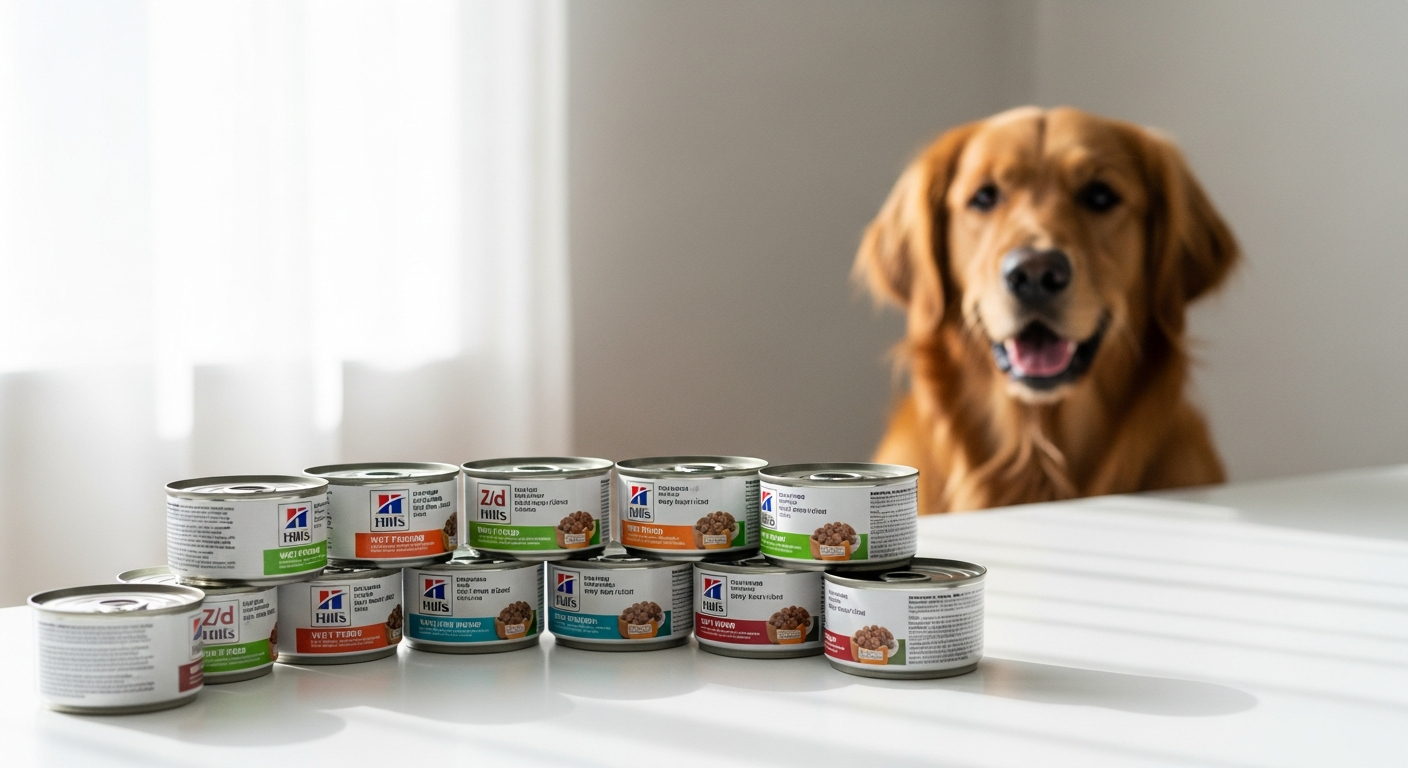
Discover how Hill’s Prescription Diet Canine z/d wet dog food helps manage food sensitivities and allergies. Learn about hydrolyzed proteins, digestive support, and real results for itching and digestive issues.
When your dog scratches constantly, experiences digestive upset, or suffers from chronic skin irritation, the culprit often points back to their food bowl. Food allergies and sensitivities affect a significant portion of the canine population, yet many pet owners struggle for months—or even years—trying different diets before finding relief for their furry companions. The frustration compounds when you realize that standard commercial diets simply weren't designed for dogs with these specific health challenges.
Hill's Prescription Diet Canine z/d represents a breakthrough approach to managing these difficult conditions. Developed specifically for dogs with food sensitivities and adverse reactions, this veterinary-formulated wet food has earned its reputation through clinical research and countless success stories from pet owners who've watched their dogs transform once placed on this specialized diet.
Discover how Hill's z/d can transform your dog's health today.
Throughout this article, you'll uncover exactly how Hill's z/d works at a nutritional level, why veterinarians recommend it so frequently, what real improvements you can expect to see in your dog, and whether the investment makes sense for your household budget.
Understanding Canine Food Sensitivities and Allergies
Definition of food sensitivities versus true food allergies in dogs
Food sensitivities and food allergies represent two distinct conditions in dogs, though pet owners often use the terms interchangeably. A true food allergy involves an immune system response where the body mistakenly identifies a specific food ingredient as harmful and mounts an allergic reaction. Food sensitivities, by contrast, are non-immune digestive reactions where the dog's system simply cannot tolerate or properly digest certain ingredients. Both conditions produce similar symptoms and require dietary management, but understanding the distinction helps explain why elimination diets work so effectively.
Common allergens that trigger adverse reactions
Certain ingredients appear far more frequently in canine food allergies and sensitivities than others. Chicken, beef, dairy, wheat, and soy top the list of common culprits that trigger adverse reactions in sensitive dogs. Interestingly, dogs often develop sensitivities to the proteins they've eaten most frequently throughout their lives—meaning that your dog's favorite food ingredient might actually be the source of their distress. Corn, eggs, and fish also trigger reactions in some dogs, though less commonly than the primary five allergens.
Symptoms that indicate your dog may have food-related issues
The signs of food sensitivities manifest in multiple ways across your dog's body and behavior. Persistent itching and scratching, particularly around the face, ears, paws, and underside, represent classic indicators. Many dogs develop chronic ear infections, excessive licking of paws, or hot spots on their skin. Digestive symptoms include vomiting, diarrhea, loose stools, or chronic constipation. Some dogs experience gas and bloating, while others show behavioral changes like lethargy or anxiety related to their digestive discomfort.
Why elimination diets are the gold standard for identifying problem ingredients
An elimination diet works by removing all suspected allergens and feeding only novel proteins and carbohydrates that the dog has never consumed before. Over a period of 8-12 weeks, veterinarians observe whether symptoms resolve. This approach pinpoints exactly which ingredients cause problems without relying on guesswork or expensive allergy testing. Once symptoms clear, veterinarians can carefully reintroduce individual ingredients one at a time to identify the specific triggers. This methodical process reveals the true culprits and forms the foundation for long-term dietary management.
The role of veterinary guidance in diagnosing and managing food sensitivities
Your veterinarian serves as the critical partner in this process, helping distinguish food sensitivities from other conditions like parasites, bacterial infections, or environmental allergies that produce identical symptoms. Vets provide professional oversight, monitor your dog's progress, and adjust feeding protocols based on individual response. They also rule out underlying conditions requiring separate treatment and ensure your dog receives complete nutrition during the elimination diet phase.
How many dogs are affected by food allergies and sensitivities
Current estimates suggest that 1-3% of dogs present with true food allergies, while food sensitivities affect a substantially larger portion of the canine population. Some studies indicate that approximately 10% of dogs experience adverse food reactions, making this a significant health concern that many pet owners encounter at some point in their dog's life.
The Science Behind Hydrolyzed Protein Technology
What protein hydrolysis means and how the process works
Protein hydrolysis is a chemical process that breaks down complete proteins into progressively smaller molecular fragments. During this procedure, water molecules are introduced to the protein chains, splitting them at specific points. This process reduces intact proteins into peptides and amino acids—components so small that your dog's immune system cannot recognize them as potential allergens. The hydrolyzed proteins retain their nutritional value while becoming dramatically less likely to trigger immune reactions.
Why hydrolyzed chicken liver reduces immune system triggers
Chicken liver serves as the protein source in Hill's z/d specifically because it's easily hydrolyzable and rarely triggers reactions even in severely allergic dogs. When proteins are hydrolyzed to the degree used in this formula, the molecular structure becomes unrecognizable to immune cells that would normally identify them as foreign invaders. This fundamental change at the molecular level prevents the cascade of immune activation that causes itching, inflammation, and other allergic symptoms.
Molecular breakdown: how hydrolyzed proteins differ from standard proteins
Standard proteins in conventional dog foods remain intact, with their complete amino acid chains fully assembled. These intact chains can trigger immune recognition if your dog's body misidentifies them as threats. Hydrolyzed proteins are fragmented into chains containing only 2-10 amino acids—so small that your dog's digestive system absorbs them without triggering immune activation. This molecular difference represents the fundamental advantage that makes hydrolyzed proteins ideal for elimination diets.
The effectiveness of hydrolyzed proteins in elimination diet protocols
The efficacy of hydrolyzed proteins in elimination diets has been demonstrated consistently across clinical settings. Dogs with severe allergies to standard proteins show marked improvement when switched to hydrolyzed versions of the same protein source. This evidence proves that the allergen response relates to protein structure rather than the specific animal source, making hydrolyzed chicken viable even for dogs with known chicken sensitivities.
Clinical studies supporting hydrolyzed protein safety and efficacy
Multiple peer-reviewed studies have validated the safety and effectiveness of hydrolyzed protein diets for managing canine food sensitivities. Research demonstrates that hydrolyzed proteins deliver complete amino acid profiles necessary for adult dog nutrition while maintaining hypoallergenic properties. These studies form the evidence base that veterinarians rely on when recommending Hill's z/d for diagnosis and management of food-related issues.
How hydrolysis makes proteins hypoallergenic without sacrificing nutritional value
The beauty of the hydrolysis process lies in its ability to maintain complete nutritional profiles while eliminating allergenicity. All essential amino acids remain present in the hydrolyzed protein, ensuring your dog receives proper nutrition. The process simply restructures these components into forms that bypass immune recognition—achieving therapeutic benefit without nutritional compromise.
Hill's z/d Formula Breakdown: Key Ingredients and What They Do
Highly hydrolyzed chicken liver as the primary protein source
Hill's z/d centers its formula around highly hydrolyzed chicken liver, selected specifically for its hypoallergenic properties and nutritional density. Chicken liver provides complete protein with all essential amino acids necessary for adult dog maintenance. The hydrolysis process reduces this protein source to minimal molecular size, making it suitable even for dogs with severe chicken sensitivities. This ingredient forms the nutritional foundation of the diet while serving the primary therapeutic purpose of eliminating allergen exposure.
Purified corn starch as the carbohydrate base and its digestibility advantages
Purified corn starch eliminates common allergens found in grain-based carbohydrate sources like wheat, barley, or oats. This simple carbohydrate provides readily available energy without triggering digestive upset in sensitive dogs. Corn starch's purity—stripped of protein components that might trigger reactions—makes it ideal for dogs requiring strict allergen elimination. The high digestibility means your dog's system can efficiently extract and utilize energy without gastrointestinal stress.
Absence of common allergens: gluten, soy protein, lactose, artificial additives
Hill's z/d's formulation deliberately excludes the allergens most frequently implicated in canine food reactions. Gluten, soy protein, and lactose are completely absent—removing three major triggers that plague sensitive dogs. The absence of artificial colors, flavors, and preservatives further reduces the potential for adverse reactions. This clean ingredient list represents a deliberate choice to minimize anything that could compromise the elimination diet's purpose.
Essential fatty acids (Omega-3 and Omega-6) for skin and coat restoration
Even though the primary focus targets allergen elimination, Hill's z/d includes balanced essential fatty acids to actively support skin healing and coat restoration. Omega-3 and Omega-6 fatty acids play crucial roles in managing inflammation and strengthening the skin barrier. These nutrients address the secondary damage caused by allergic reactions—the inflamed, irritated skin that persists even after removing allergens. Over time, these fatty acids facilitate visible improvements in coat quality and skin appearance.
ActivBiome+ Digestion blend and prebiotic fiber benefits for gut health
ActivBiome+ represents Hill's proprietary blend of prebiotic fibers designed to promote a healthy gut microbiome. These fibers selectively feed beneficial bacteria in your dog's digestive tract, fostering an environment that supports digestive health and immune function. A balanced microbiome contributes to firmer stools, reduced gas, and improved overall digestive comfort. This ingredient addresses the digestive component of food sensitivity responses by establishing conditions for long-term gut wellness.
S+OXSHIELD technology for urinary tract crystal prevention
S+OXSHIELD technology manages mineral balance to reduce the risk of struvite and calcium oxalate crystal formation in the urinary tract. This protective feature adds another dimension to the formula's comprehensive health support. Dogs with food sensitivities sometimes experience concurrent urinary health challenges, making this additional safeguard valuable for overall wellness.
Real-World Results: What Dog Owners Are Experiencing
Timeline for visible improvements in skin conditions (30 days or less)
Pet owners report visible skin improvements within 30 days of switching to Hill's z/d in many cases. Reduced redness, less flaking, and diminished itching become noticeable as the body's inflammatory response decreases. Some dogs show improvement within the first two weeks, though others require the full 30-day window for significant visible changes. This timeline makes the diet ideal for owners seeking concrete evidence of effectiveness before committing to long-term feeding.
Digestive improvements: firmer stools within 3 days for many dogs
Perhaps the most dramatic early indicator of z/d's effectiveness appears in stool quality. Many dog owners report noticeably firmer stools within 3 days of starting the diet. This rapid response reflects the digestive system's immediate relief from allergen exposure. Dogs previously experiencing chronic diarrhea or loose stools often stabilize quickly, reducing cleanup challenges and improving their sense of well-being.
Reduction in itching, scratching, and related skin irritation
The constant scratching that consumed your dog's attention often begins subsiding within the first week or two. As allergen exposure ceases and inflammation decreases, your dog experiences genuine relief from the maddening itch that disrupted their sleep and quality of life. This improvement in comfort translates to behavioral changes—dogs sleep better, play with renewed interest, and show obvious relief from their previous distress.
Improvements in coat quality and overall skin appearance
Beyond itch relief, owners observe tangible improvements in their dog's coat. Fur becomes shinier, less brittle, and more vibrant. Previously patchy areas where excessive licking damaged hair fill in with healthy growth. The skin itself appears less inflamed, with reduced redness and improved texture. These aesthetic improvements reflect deeper healing happening within the skin barrier and overall dermal health.
Relief from chronic gastrointestinal upset and inflammation
Dogs previously experiencing constant digestive discomfort—the gas, bloating, and unpredictable bathroom situations—find profound relief on Hill's z/d. The reduction in inflammatory responses throughout the digestive tract allows proper nutrient absorption and eliminates the systemic discomfort that affects their entire demeanor. Many dogs regain interest in food and mealtime, approaching their bowl with enthusiasm rather than anxiety about potential digestive consequences.
Success stories from dogs with severe allergies and inflammatory bowel disease
For dogs with severe allergies or inflammatory bowel disease that resisted other interventions, Hill's z/d frequently represents a transformative solution. Pet owners describe their dogs as "reborn" once placed on this specialized diet—going from miserable, suffering animals to healthy, comfortable companions. These dramatic transformations occur precisely because the diet addresses the root cause rather than merely managing symptoms.
Start your dog's healing journey with Hill's z/d now.
Nutritional Profile and Health Benefits Beyond Allergy Management
Complete and balanced nutrition for adult dogs
Hill's z/d meets AAFCO standards for complete and balanced nutrition for adult dogs, ensuring your dog receives all necessary nutrients despite the dietary restrictions. The formula delivers appropriate protein levels, essential amino acids, vitamins, and minerals in the correct proportions for adult maintenance. This completeness means you can feed z/d as your dog's sole diet without supplementation, making it practical for long-term management.
Digestibility rates and nutrient absorption efficiency
The high digestibility of Hill's z/d translates to superior nutrient absorption compared to conventional dog foods. Because all ingredients are carefully selected for digestibility and the proteins are pre-processed through hydrolysis, your dog's system can extract and utilize nutrients more efficiently. This heightened absorption means your dog receives maximum nutritional benefit from each meal.
Support for immune system function through specialized formulation
Beyond allergen avoidance, Hill's z/d's formula supports overall immune system function. The complete amino acid profile and targeted nutrient balance help your dog's immune system function optimally. This systemic support contributes to the overall health improvements that owners observe beyond just skin and digestive relief.
Skin barrier health and inflammation reduction mechanisms
The formula specifically targets skin barrier integrity through its omega fatty acid profile and micronutrient composition. A healthy skin barrier protects against allergen penetration and reduces inflammation at the source. By strengthening this barrier while reducing systemic inflammation, Hill's z/d addresses both the immediate irritation and the underlying vulnerability that led to the sensitivity in the first place.
Gut microbiome support and long-term digestive wellness
The ActivBiome+ blend and prebiotic fiber content foster a healthy gut ecosystem. A balanced microbiome supports not only digestive health but also immune function, since the digestive tract houses significant immune tissue. This long-term microbiome support provides sustained digestive wellness that extends beyond the initial elimination diet phase.
Urinary health protection and crystal prevention strategies
The S+OXSHIELD technology maintains mineral balance to prevent crystal formation in the urinary tract. This protective feature adds another health dimension, particularly valuable for dogs prone to urinary issues or those experiencing concurrent urinary and digestive sensitivities.
Pricing, Packaging, and Value Considerations
Single can pricing (370g): €3.08–€3.24 per unit
Individual 370g cans of Hill's z/d retail between approximately €3.08 and €3.24, depending on your location and retailer. This pricing reflects the premium nature of the veterinary prescription diet compared to standard commercial dog foods, which typically cost significantly less per serving.
Bulk purchase options: 12-can packs at €40.99–€44.99
Buying in bulk provides meaningful savings for owners committed to long-term feeding. A 12-can pack costs approximately €40.99 to €44.99, which works out to roughly €3.42 to €3.75 per can when averaged across the pack—slightly higher than buying individual cans at the best price, but offsetting the need for frequent shopping and offering modest convenience savings.
Per-unit savings with bulk buying strategies
While bulk purchasing offers some per-unit reduction, the primary advantage lies in supply consistency and convenience rather than dramatic price drops. Ordering multiple cases at once ensures you maintain continuity of the diet without the stress of running out unexpectedly during the critical elimination diet phase.
Cost comparison with conventional dog foods
Premium commercial dog foods might cost €0.50 to €1.00 per meal, while Hill's z/d typically costs €1.50 to €2.00 per meal depending on your dog's size and feeding amount. This price differential represents a significant long-term commitment when feeding your dog exclusively on prescription diet.
Long-term budgeting for prescription diet feeding
For a 20kg dog requiring approximately 400g daily, you'd need roughly 12-13 cans monthly, representing a cost of €36-€52 monthly or €432-€624 annually. Larger dogs require proportionally more food and higher annual expenses. This budget consideration proves critical for households making long-term dietary decisions.
Whether premium pricing reflects clinical efficacy and results
The premium pricing correlates directly with clinical efficacy. The specialized ingredient sourcing, hydrolysis processing, quality control standards, and veterinary oversight that goes into Hill's z/d drive its higher cost. For dogs where standard diets have failed, this premium reflects genuine therapeutic value—the cost becomes an investment in your dog's health rather than a premium for luxury.
Potential Drawbacks and Honest Limitations
Higher price point as a barrier for long-term feeding
The most significant limitation for many households is the higher cost relative to conventional dog foods. For budget-conscious pet owners or those with large dogs requiring substantial quantities, the ongoing expense can create financial strain. Some owners manage this through periodic use during flare-ups rather than year-round feeding, though this approach compromises the diet's full therapeutic potential.
Occasional reports of reduced palatability over extended periods
Some pet owners report that their dogs initially enjoy Hill's z/d enthusiastically but gradually lose interest over several months of exclusive feeding. While not universal, this palatability decline affects a subset of dogs and may require creative feeding strategies to maintain consumption. Adding warm water to soften the food or mixing with limited amounts of approved supplements can help maintain interest.
Rare instances of formula changes affecting highly sensitive dogs
Hill's occasionally reformulates products to improve nutrition or adjust ingredients. A small percentage of highly sensitive dogs that thrive on one version experience problems when the formula changes. This risk requires vigilance when switching between product batches, particularly for dogs with extreme sensitivity.
Transition period considerations when switching from other diets
Moving to Hill's z/d requires a gradual transition period, typically 7-10 days, to avoid digestive upset during the switch. This transition period delays the start of the elimination diet's diagnostic potential and requires careful monitoring. Some dogs experience temporary soft stools during transition even though the destination diet will eventually improve their stool quality.
Individual variation in response rates among different dogs
While most dogs show improvement, response rates vary considerably. Some dogs demonstrate dramatic improvement within days, while others require the full 8-12 week elimination period to show noticeable changes. A small percentage of dogs fail to respond adequately, requiring alternative approaches or identification of non-food-related causes for their symptoms.
Storage and shelf-life considerations for wet food cans
Wet food requires refrigeration after opening and has limited shelf life compared to dry kibble. Once opened, a can maintains quality for 24-48 hours, requiring diligent management to prevent waste. This practical limitation occasionally frustrates owners accustomed to the convenience of dry food storage.
How to Introduce Hill's z/d and Maximize Success
Proper transition protocols from previous diet to z/d
Introduce Hill's z/d gradually over 7-10 days, mixing increasing amounts of the new food with decreasing amounts of the previous diet. Begin with approximately 10% new food and 90% old food for the first 2-3 days, gradually increasing the proportion until reaching 100% Hill's z/d by day 7-10. This measured approach allows your dog's digestive system to adjust without upset while minimizing the chance of treatment confusion if digestive changes occur during transition.
Recommended feeding amounts based on dog weight and age
Hill's provides feeding guides on the packaging indicating appropriate daily quantities based on your dog's weight. These recommendations serve as starting points, requiring individual adjustment based on your dog's activity level and weight trends. Most adult dogs thrive on approximately 380-400g daily per 20kg of body weight, though individual variation requires monitoring.
Duration of elimination diet phase before introducing new ingredients
The diagnostic phase typically lasts 8-12 weeks of exclusive Hill's z/d feeding before introducing new ingredients. This window allows sufficient time for any lingering inflammation to resolve and for your dog's system to stabilize on the limited ingredient base. Only after this period has fully elapsed can you begin carefully reintroducing suspected ingredients one at a time to identify specific triggers.
Signs that your dog is responding positively to the diet
Positive responses appear in multiple forms: firmer stools, reduced itching, improved energy levels, and enhanced appetite. Noticeable improvements in skin appearance and coat quality develop over weeks. Behavioral changes like better sleep quality and increased playfulness often accompany physical improvements. These multifaceted positive signs indicate the diet is working effectively.
When to consult your veterinarian about progress
Contact your veterinarian if your dog shows no improvement after 4 weeks, experiences unexpected symptoms, or demonstrates only partial improvement. Your vet might recommend extending the elimination period, investigating additional factors, or adjusting feeding amounts. Regular check-ins ensure you're on track and help troubleshoot any concerns before they derail the dietary management plan.
Combining z/d with other therapeutic interventions if needed
Hill's z/d works optimally as the foundation of allergy management but can be combined with other therapies when necessary. Your veterinarian might recommend supplements, topical treatments for secondary skin infections, or environmental modifications alongside the dietary changes. Coordinating these interventions creates a comprehensive approach addressing all aspects of your dog's condition.
Veterinary Endorsement and Clinical Evidence
Why veterinarians recommend Hill's z/d for food sensitivity cases
Veterinarians recommend Hill's z/d because it consistently delivers results in their clinical experience and because clinical research supports its efficacy. The prescription diet status indicates it meets stringent standards for therapeutic use. Vets appreciate the product's scientific foundation and the reliability of outcomes when owners follow feeding protocols correctly. The ability to discuss measurable improvements with clients in concrete timeframes—30 days for skin, 3 days for stool quality—makes recommendation confidence high.
Clinical studies supporting product efficacy
Multiple published studies validate Hill's z/d's effectiveness in managing canine food sensitivities. Research demonstrates both short-term improvements in clinical signs and long-term sustained health benefits. These peer-reviewed publications form the evidence base that positions Hill's z/d among the most substantiated therapeutic diets available for dogs.
Prescription diet status and what that means for your dog
A prescription diet designation means the product is formulated to therapeutic standards and intended for use under veterinary supervision for specific health conditions. This status indicates adherence to rigorous quality control, consistent ingredient sourcing, and documented efficacy. It distinguishes prescription diets from over-the-counter alternatives marketed for sensitive dogs but lacking the clinical validation.
Veterinary oversight benefits when using specialized diets
Working with your veterinarian while using Hill's z/d provides multiple benefits: professional assessment of whether the diet appropriately addresses your dog's condition, monitoring of response and adjustment of protocols as needed, identification of complications or unintended reactions, and guidance on when and how to transition away from the elimination diet or incorporate new ingredients. This oversight transforms the diet from a guessing game into a structured therapeutic protocol.
How to discuss z/d with your vet and establish a feeding plan
Approach your veterinarian with information about your dog's symptoms, previous dietary attempts, and your interest in trying an elimination diet. Ask directly whether Hill's z/d suits your dog's specific situation or whether alternative prescription diets might be preferable. Request clear feeding guidelines, the intended duration of the elimination phase, and a plan for monitoring progress and making adjustments. Establishing this collaborative relationship ensures you're implementing the diet correctly and adjusting intelligently based on results.
Integration with broader allergy management strategies
Hill's z/d functions most effectively as part of a comprehensive approach to food sensitivity management. This might include identifying and avoiding specific triggers once the elimination phase concludes, managing environmental allergies if concurrent, addressing secondary infections that often accompany food sensitivities, and supporting skin barrier health through supplements or topical treatments. Your veterinarian can help coordinate these elements into a cohesive plan maximizing your dog's health outcomes.
Your Path Forward for a Healthier, Happier Dog
Hill's Prescription Diet Canine z/d wet dog food stands out as a genuinely effective solution for dogs plagued by food sensitivities and allergies. The combination of hydrolyzed proteins, allergen-free ingredients, and targeted nutritional support creates an environment where your dog's body can finally heal—whether that means clearer skin, firmer stools, or an end to constant scratching. Yes, the investment is steeper than conventional kibble. Yes, your dog might need time to adjust to the taste and texture. But when you witness your companion transform from a miserable, itchy, digestive-distressed animal into a thriving, comfortable dog again, that cost becomes irrelevant. The 30-day window for visible skin improvements and the potential for digestive relief in just 3 days make this worth discussing seriously with your veterinarian. If your dog has been struggling despite your best efforts with other diets, Hill's z/d deserves a place in your consideration. Schedule a consultation with your vet, discuss whether an elimination diet approach makes sense for your situation, and take that first step toward giving your dog the relief they've been waiting for.
Learn more about Hill's z/d and begin your dog's recovery journey.