
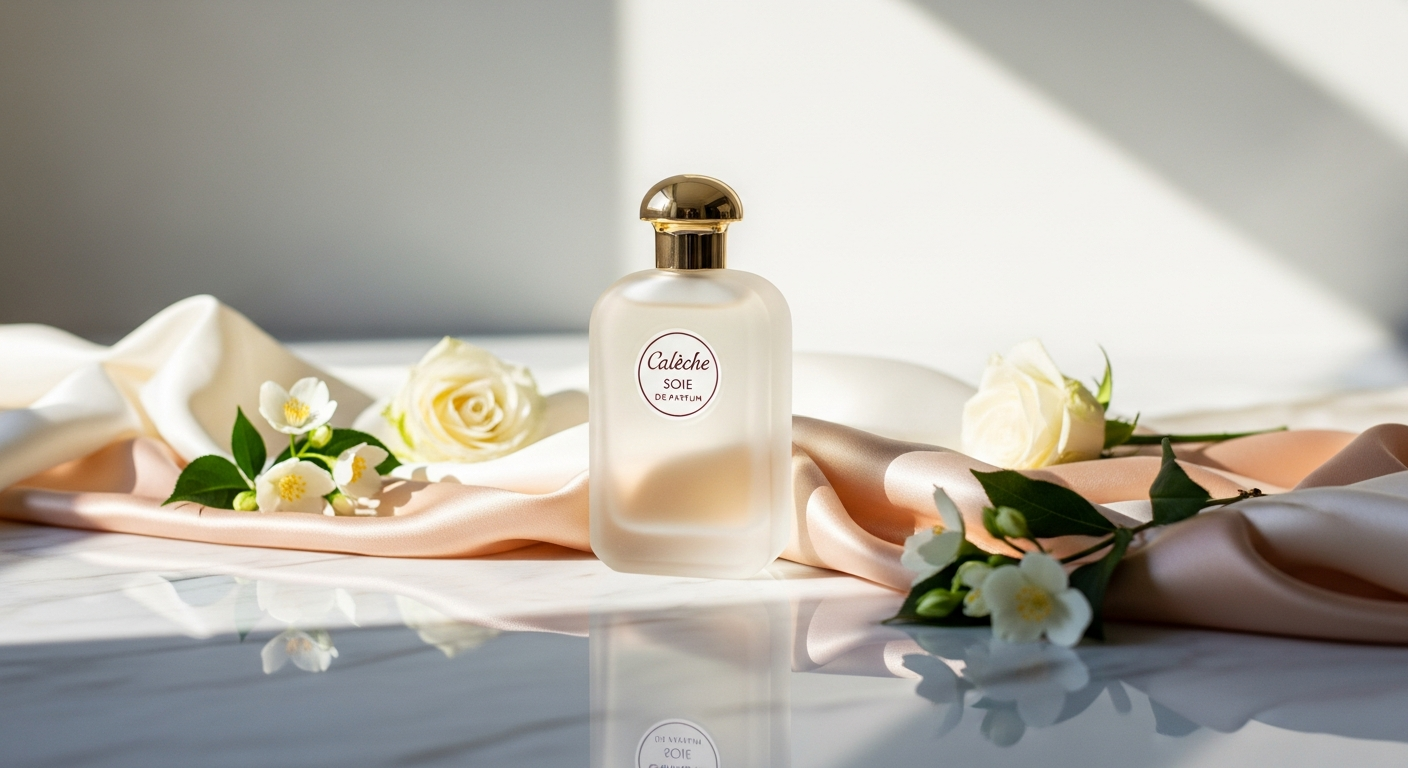
Discover why Hermès Calèche Soie de Parfum has captivated fragrance enthusiasts for decades. Explore its woody-floral composition, longevity, and whether this £88.75 classic lives up to the hype.
Fewer fragrances command the kind of devoted following that Hermès Calèche Soie de Parfum maintains—yet many people still hesitate to invest in a premium perfume without understanding what makes it tick. This particular scent has been turning heads since 1992, but is it genuinely worth the premium price tag, or are you paying for brand prestige alone? Hermès Calèche Soie de Parfum represents something rare in modern perfumery: a reinterpretation that respects its heritage while charting its own olfactory course.
Originally conceived by Guy Robert in 1961, the Soie de Parfum edition arrived three decades later with a mission—to infuse the original composition with woody generosity and contemporary sophistication. At approximately £88.75 for a 100 ml bottle, it occupies that sweet spot between accessible luxury and serious investment.
Discover Hermès Calèche Soie de Parfum today and experience timeless elegance firsthand.
I'll walk you through everything that separates Calèche Soie de Parfum from the fragrance noise cluttering department store shelves, examining its intricate note structure, assessing its performance across different skin types, addressing the polarizing aspects that divide reviewers, and helping you determine whether this iconic scent aligns with your preferences and lifestyle.
The Heritage Behind the Bottle: Understanding Calèche's Fragrance Lineage
Original 1961 Creation and Cultural Significance
Guy Robert's 1961 composition established Calèche as more than just a fragrance—it became a cultural artifact representing mid-century elegance. The original creation captured the sophistication of a particular era, when femininity expressed itself through refined floral arrangements rather than bold statements. This foundational work became immediately iconic, earning its place among the most significant fragrances of the decade.
The 1992 Soie de Parfum Reinterpretation
Three decades after its debut, Hermès reimagined Calèche through the Soie de Parfum lens. This reinterpretation maintained the fragrance's essential character while introducing woody undertones that felt contemporary without betraying the original vision. The shift reflected evolving tastes toward richer, more grounded compositions—a crucial evolution that prevented Calèche from becoming a museum piece.
Hermès' Parfums-Fondateurs Collection Status
Calèche's designation within the Parfums-Fondateurs collection signals Hermès' highest quality tier. This classification indicates a fragrance that has withstood time, maintained cultural relevance, and consistently delivered excellence across formulations. It's not an honorary title—it represents measurable standards in ingredient quality and olfactory integrity.
Positioning Among Heritage Fragrances
The luxury fragrance market overflows with heritage claims, yet few fragrances genuinely sustain their reputation across multiple decades. Calèche stands apart through unwavering consistency and authentic evolution rather than merely resting on historical laurels. Competitors like Chanel No. 5 share similar longevity, but Calèche maintains distinctiveness through its woody-chypre architecture.
Philosophy Behind Woody Reinterpretations
Modern perfumery has shifted toward deeper, more complex base structures. The 1992 revision tapped into this movement by emphasizing sandalwood, cedarwood, and oakmoss—elements that ground the fragrance and extend its performance. This philosophy acknowledges that contemporary wearers seek fragrances with gravitas and presence, not mere surface charm.
Deconstructing the Scent: A Complete Olfactory Breakdown
Opening Notes: Citrus and Aldehyde Character
The immediate experience reveals bright citrus notes that feel both cheerful and sophisticated. Modern aldehydes provide a crisp, somewhat metallic shimmer that divides wearers. For some, this creates an energizing prelude; for others, it registers as soapy or astringent. The opening establishes Calèche as a fragrance with backbone—it refuses to be immediately cuddly or comforting.
Heart Composition: Floral Interplay
Ylang-ylang brings creamy, exotic richness to the composition. Rose contributes classic femininity without softness, while jasmine adds complexity and slight green undertones. These three florals don't simply blend—they create a sophisticated dialogue where no single note dominates. The heart unfolds gradually, revealing different facets as the fragrance acclimates to skin.
Base Structure and Layering
Sandalwood provides creamy warmth, oakmoss adds earthy texture, and cedarwood brings woody dryness. Vetiver injects green, slightly smoky characteristics, while amber offers subtle sweetness. Musk grounds everything with skin-like qualities that blur the line between fragrance and personal scent. This complex base ensures Calèche develops complexity rather than simply fading.
Chypre Classification and Structure
The chypre family emphasizes a citrus-floral-woody architecture with pronounced base presence. Calèche exemplifies this structure—bright opening, sophisticated middle, grounded finale. This classification explains both its longevity and its timeless appeal; chypres age beautifully in a collection and remain relevant across fashion cycles.
Iris as Woody-Floral Bridge
Iris functions as a sophisticated bridge between floral and woody territories. Its powdery, slightly earthy character links the jasmine-rose heart to the woody base, creating seamless progression rather than abrupt transitions. This architectural choice demonstrates the perfumer's masterful construction.
Performance Metrics: Longevity, Sillage, and Skin Chemistry
Wear Time and Projection Distance
The 100 ml Soie de Parfum formulation typically delivers 6-8 hours of noticeable wear, with lighter presence extending to 10-12 hours. Sillage ranges from moderate to substantial depending on application amount and skin conditions. This performance positions Calèche as appropriate for full-day wear without requiring mid-afternoon reapplication in most scenarios.
Interaction With Different Skin Types
Oily skin amplifies Calèche's woody base while potentially intensifying aldehyde sharpness initially. Dry skin tends to emphasize the floral heart and soften the opening's metallic character. Combination skin often receives balanced performance, though individual variations remain considerable. Understanding personal skin chemistry becomes essential before purchase.
Seasonal Performance Variations
Calèche performs optimally in cooler months when its woody character feels luxurious rather than heavy. Summer wear requires strategic application since heat intensifies sillage and can amplify soapy perceptions on certain skin types. Spring and autumn present ideal conditions for full appreciation.
Comparison With Other Hermès Concentrations
Eau de Toilette versions provide lighter, fresher interpretations with shorter duration. The Soie de Parfum concentration balances substantial presence with refinement—stronger than cologne sprays but less intense than pure parfum extracts. This middle ground appeals to those seeking meaningful longevity without overwhelming projection.
Storage Recommendations
Hermès fragrances benefit from cool, dark storage away from direct sunlight and temperature fluctuations. Proper storage maintains fragrance integrity and prevents oxidation that degrades complex compositions. A 100 ml bottle stored correctly maintains peak quality for 3-5 years.
The Polarizing Factor: Why Some Skin Chemistry Rejects Calèche
Understanding the Sour Soap Perception
Certain skin chemistries react to aldehydes by amplifying their detergent-like qualities, creating a distinctly soapy impression. This isn't a fragrance flaw—it reflects chemical interaction between the composition and individual skin pH. Those who experience this reaction often appreciate the base notes but struggle through the opening phase.
Aldehyde Sensitivity and Fragrance Experience
Aldehydes trigger different responses depending on individual chemistry. Some perceive them as energizing and elegant; others find them harsh or artificial. The 1992 reformulation maintains stronger aldehyde presence than some contemporary fragrances, which explains why certain enthusiasts find the scent polarizing compared to softer alternatives.
Reformulation Debates
Fragrance enthusiasts hotly debate whether current formulations match historical versions. Some argue the aldehydes feel exaggerated in modern batches, while others insist consistency remains excellent. These conversations highlight how personal experience shapes perception—reformulation debates rarely reach consensus.
Skin pH Considerations
Natural skin pH variations affect how aldehydes and floral notes project. More acidic skin tends to diminish projection, while neutral to alkaline skin amplifies presence. Understanding personal pH patterns helps predict fragrance performance before committing to purchase.
Patch Testing Before Purchase
Department store samples and fragrance discovery boxes provide essential testing grounds. Wearing a sample for several hours reveals how opening harshness evolves and whether the base appeals to personal aesthetics. This approach eliminates expensive mistakes and prevents drawer-dwelling bottles that never quite work.
Investment Value: Pricing, Availability, and Resale Potential
Current Retail Pricing
The £88.75 baseline varies by retailer and geography. UK pricing often appears more favorable than European alternatives, while seasonal sales occasionally discount by 15-20%. Understanding price variations prevents overpaying for authentication and proximity convenience.
Finding Authentic Sources
Department stores like Selfridges and Harrods maintain reliable inventory with verified authenticity. Online retailers require scrutiny—legitimate sellers include Notino and FragranceBuy, while suspicious discounting signals counterfeit risk. Authentication matters significantly at this price point.
Fragrance Longevity as Investment
A £88.75 fragrance lasting 6-8 hours daily across 100 ml represents roughly £0.90-£1.20 per wear over 12 months. This cost-per-wear calculation positions Calèche as reasonable investment compared to dinner and drinks, yet requires honest assessment of whether you'll actually wear it regularly.
Secondary Market Resale Value
Hermès fragrances maintain decent resale value on platforms like Vestiaire Collective or FragranceBuy resale programs, typically recovering 40-60% of retail cost if minimally used. This buffer protects against poor purchases, though authentication requirements reduce convenience.
Seasonal Sales Patterns
Holiday periods and end-of-season clearances (January and July in UK retail) present optimal purchase windows. Building personal alerts through retailer websites helps capture sales without constant monitoring. Patience pays dividends in the luxury fragrance market.
Who Should Actually Buy This Fragrance: Audience Segmentation
Best Suited For
Calèche appeals to mature fragrance enthusiasts seeking timeless sophistication over novelty. Those with established scent preferences rather than impulse buyers typically appreciate its nuance. Individuals comfortable with woody, slightly austere compositions—as opposed to gourmand or fruity alternatives—find genuine connection here.
Ideal Occasions and Contexts
Professional environments benefit tremendously from Calèche's subtle elegance—it commands respect without demanding attention. Sophisticated social occasions, dinner dates, and cultural events become elevated through its presence. This fragrance whispers rather than announces, rewarding attentive listeners.
Personality Types and Fragrance Preferences
Those drawn to classic literature, vintage fashion, and established tradition typically appreciate Calèche's aesthetic. Individuals seeking fragrance as self-expression rather than conversation-starter find satisfaction here. Minimalist sensibilities align better with Calèche than maximalist maximalists who prefer bold, immediately obvious scents.
Age Considerations
While no age restriction applies, Calèche resonates strongest with wearers possessing developed tastes and appreciation for restraint. Those in their late twenties and beyond, with refined sensibilities, typically derive greatest satisfaction. Younger wearers occasionally discover Calèche and develop passionate devotion, though it remains less universal across that demographic.
Fragrance Collection Compatibility
Calèche functions beautifully as a signature scent for those maintaining focused collections. Alternatively, it complements minimalist wardrobes with sophisticated foundations. Those maintaining extensive fragrance collections benefit from Calèche's distinctive woody character, which differentiates effectively from gourmand, floral, or citrus alternatives.
Comparative Analysis: How Calèche Stacks Against Competitors
Hermès Fragrance Family Positioning
Within Hermès' own portfolio, Calèche occupies the classical femininity category. Eau de Gentiane Blanche offers fresher, more herbal appeal, while Jour d'Hermès presents brighter, more contemporary sensibility. Calèche remains the family's most established woody-floral expression, serving as collection anchor rather than experimental piece.
Premium Woody-Floral Alternatives
Chanel No. 5 remains the legendary competitor, though its composition emphasizes floral density over woody grounding. Dior's Miss Dior pursues romantic femininity, while Lancôme's La Vie Est Belle embraces gourmand warmth. Calèche distinguishes itself through woody emphasis and chypre structure rather than purely floral or sweet directions.
Price-to-Performance Within £80-£100 Segment
At £88.75, Calèche competes against fragrances like Guerlain La Petite Robe Noire (more gourmand-oriented) and Lancôme Idôle (more modern and fruity). Performance and longevity favor Calèche against most direct competitors, though personal preference ultimately determines value perception.
Uniqueness Factor
Calèche occupies rare territory—it feels neither dated nor trendy, neither experimental nor derivative. The woody-chypre structure, perfumer Guy Robert's original vision, and Hermès' quality reputation combine to create something genuinely distinctive. Mass-market fragrances cannot replicate this particular alchemy.
Longevity and Projection Benchmarks
Testing against designer fragrances at comparable price points reveals Calèche's superior staying power. Many £80-£100 fragrances fade within 4-5 hours; Calèche's 6-8 hour performance stands out. Sillage likewise remains moderate to substantial compared to more delicate alternatives, justifying the investment premium.
Real-World Application: Styling Calèche Into Your Fragrance Wardrobe
Layering Strategies
Unscented or matching body lotion extends Calèche's longevity without altering its character. Fragrance layering with complementary scents proves risky—Calèche's complex composition resists competing fragrances. Applying to pulse points (wrists, inner elbows, behind ears) optimizes sillage and evolution.
Wardrobe Color Psychology
Calèche pairs beautifully with classic, neutral wardrobes—black, cream, navy, and taupe gain sophistication through its presence. Jewel tones like emerald and sapphire benefit from the fragrance's woody elegance. Avoid overly casual athletic wear; Calèche demands slightly elevated presentation.
Professional Versus Casual Wear
Office environments thrive with Calèche's refined approach—it communicates professionalism without fragrance overwhelm. Casual daytime wear works less optimally unless intentionally sophisticated (upscale brunch, matinee performance). Evening and occasion wear represent Calèche's true habitat.
Climate Adaptation
Northern European climates suit Calèche year-round, though cooler months maximize woody appeal. Mediterranean summers occasionally prove challenging as heat intensifies sillage. Strategic application—lighter concentration during summer, fuller coverage during winter—maintains optimal balance.
Building Collections Around Signature Scents
Calèche functions as powerful collection anchor, particularly for those favoring woody-floral territory. Complementary fragrances might include fresher citrus alternatives for summer and gourmand options for evening occasions. This approach ensures variety within cohesive aesthetic direction rather than scattered eclecticism.
The Verdict: Legitimacy of Its Legendary Reputation
Hermès Calèche Soie de Parfum doesn't command decades of devotion through marketing alone—this fragrance earns its accolades through genuine olfactory sophistication and remarkable staying power. The composition delivers complexity, elegance, and memorable presence that justifies its reputation. Yes, some skin chemistries rebel against its aldehyde-forward opening, and yes, the price reflects luxury positioning. However, for those seeking a fragrance that whispers rather than shouts, that evolves throughout the day, and that garners genuine compliments from fragrance aficionados, Calèche represents a sound investment.
The real question isn't whether it deserves its reputation—it demonstrably does. The question is whether your skin chemistry, lifestyle, and fragrance preferences align with what this particular masterpiece offers. The woody-chypre architecture, the refined floral heart, and the grounded base combine to create something genuinely special in an overcrowded market. Testing remains essential before committing; a department store sample or fragrance discovery box reveals compatibility far better than assumptions or reviews alone.
If the opening notes captivate you and the base resonates with your aesthetic, you've identified something genuinely exceptional. Calèche rewards patient discovery and thoughtful application. The investment transcends mere purchase—it represents joining a tradition of sophisticated fragrance appreciation spanning decades.
Start your Hermès Calèche Soie de Parfum journey now and embrace timeless elegance.