
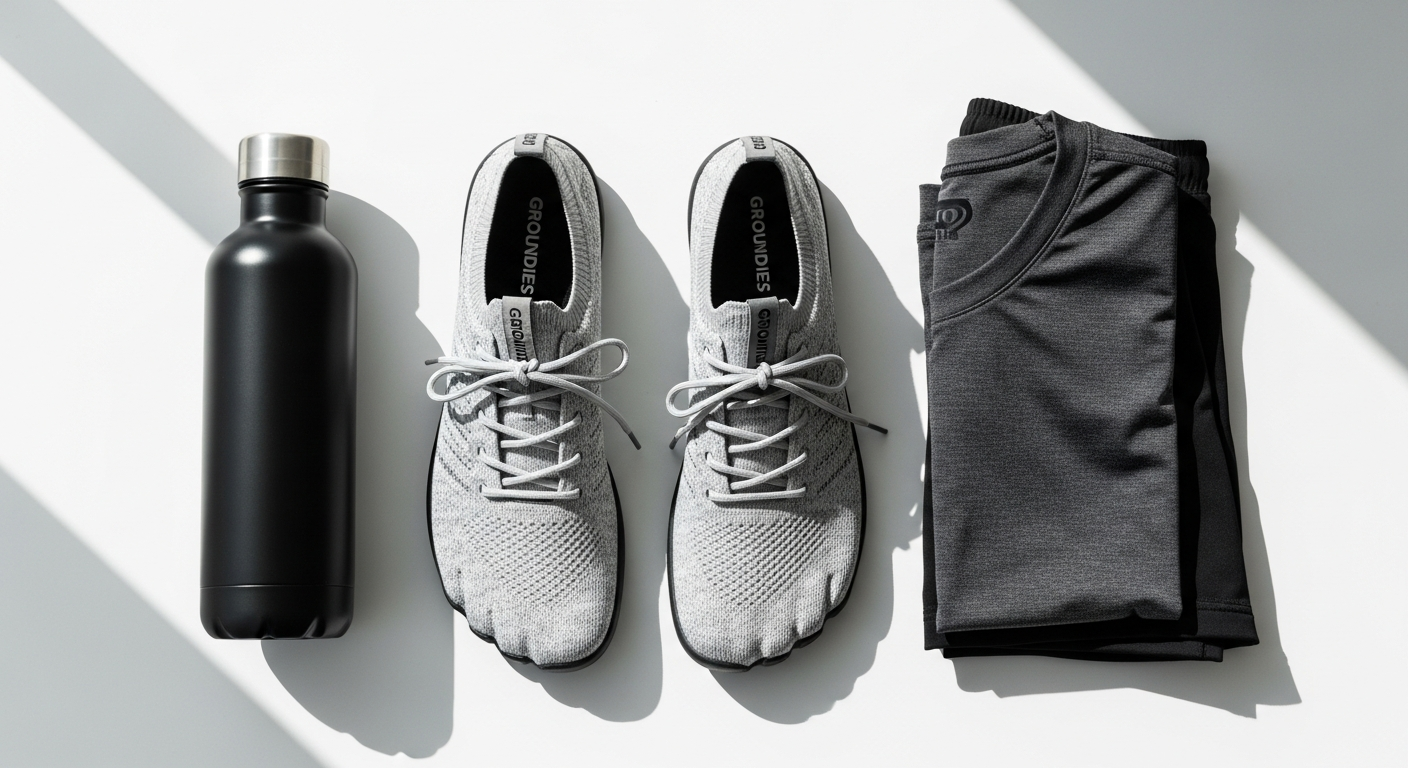
Discover why Groundies Nova barefoot sneakers are a top choice for minimalist footwear. Learn about sole options, fit, materials, and whether they’re right for your feet.
Over 80% of people who switch to barefoot shoes report improved foot strength and posture within three months—yet most still struggle to find a pair that actually looks good. The challenge isn't discovering the benefits of minimal footwear; it's finding shoes that deliver those benefits without looking clinical or out of place in everyday life. The Groundies Nova has solved this dilemma since 2019, becoming one of the most beloved barefoot sneakers on the market by proving that healthy footwear and genuine style aren't mutually exclusive.
The Nova represents a rare intersection in the footwear world: it's a shoe that appeals equally to barefoot enthusiasts seeking natural movement and everyday wearers who simply want comfortable, stylish sneakers. Groundies built this model on premium leather uppers and nubuck overlays, paired with two distinct sole options that let you choose your level of minimalism. Whether you're transitioning from conventional shoes or already committed to the barefoot lifestyle, the Nova meets you where you are.
Explore the Groundies Nova collection to find your perfect barefoot match.
GS1 vs. GO1: Choosing Your Sole Type
Understanding the Two Sole Options
The GS1 sole features a faux sidewall that mimics conventional sneaker aesthetics, providing a more familiar look for those easing into barefoot footwear. This design choice makes the transition feel less radical—your Nova looks like a regular sneaker from certain angles, which matters when you're building confidence in minimal shoes.
The GO1 sole takes a different approach with its thinner and more flexible construction that amplifies the barefoot sensation and ground feedback. Those who opt for the GO1 experience enhanced proprioceptive input with every step, creating a more direct connection between foot and ground.
Performance and Feel Differences
Sole thickness and flexibility directly affect proprioception and natural foot movement. The GS1's construction provides a gentle introduction to barefoot mechanics while maintaining familiar cushioning sensations. The GO1 removes more buffer, demanding more from your foot's intrinsic muscles and rewarding that effort with authentic ground contact.
Sole responsiveness differs noticeably between the two options. The GO1 delivers tactile feedback that teaches your foot to adapt and strengthen in real time. The GS1 offers gentler feedback, making it ideal for those still building foot strength or navigating professional environments where dramatic footwear changes might draw unwanted attention.
Transition considerations determine which sole type suits beginners versus experienced barefoot wearers. If you've never worn minimal shoes, the GS1 eases you in gradually. If you're already familiar with barefoot mechanics or simply crave maximum ground connection, the GO1 won't feel compromised.
Durability and Aesthetic Impact
Durability and wear patterns show how each sole type responds to different walking surfaces and activity levels. The GO1's thinner construction wears differently on pavement than on softer terrain, while the GS1's sidewall provides additional protection on edges and transitions.
The aesthetic impact of your sole choice extends beyond mere appearance—it influences how the shoe reads to others. The GS1 blends into mainstream sneaker culture more seamlessly, while the GO1 announces your commitment to minimalist principles more openly.
Fit, Sizing, and Foot Type Compatibility
True-to-Size Fit and Groundies' Design Philosophy
The Nova doesn't require sizing up or down like many barefoot alternatives, which simplifies the purchasing process significantly. True-to-size fit means you can order with confidence if you know your regular shoe size, eliminating the guesswork that frustrates many barefoot shoe shoppers.
Groundies' narrower shoe design reflects a deliberate choice to serve specific foot types rather than attempting universal appeal. This construction compares notably to mainstream brands and other minimalist options that often skew wider. Understanding this distinction matters before purchasing.
Volume and Accommodation Details
Low to average-volume foot accommodation explains what this means for arch support and midfoot security. Groundies designed the Nova with modest internal volume, which translates to a snug midfoot and secure heel cup for those with lower-volume feet or average foot proportions.
The GS1 sole works best for narrow to medium-wide feet with specific volume profiles. The GO1 accommodates medium-wide feet as well, though its flexibility means it adapts to varying volumes better than the more rigid GS1.
Toe Box Evolution and Width Considerations
Toe box width reflects the evolution of Groundies' design philosophy. Earlier models featured narrower toe boxes, but their newer Barefoot+ models expanded this space significantly. The Nova, as a mid-tier option, offers adequate toe room without the expansiveness of the Barefoot+ line—a practical middle ground for most feet.
A width measurement guide helps determine if your foot aligns with Nova specifications. Measure the widest part of your foot across the ball, then compare to manufacturer specifications before ordering.
Break-In and Comfort Transition
The break-in period for transitioning from padded sneakers typically spans one to two weeks of gradual use. Your feet will adapt faster if you increase barefoot shoe usage gradually rather than switching entirely overnight.
Heel and ankle considerations explain how the Nova's construction supports or challenges different foot shapes. The secure heel cup works well for standard heel shapes, though those with unusually high or low heels may experience minor adjustment periods.
Premium Materials and Construction Quality
Leather Selection and Durability
Leather upper selection involves careful sourcing, ethical tanning, and proven durability of the Nova's leather components. Groundies sources materials that age beautifully rather than simply wearing out, meaning your Nova develops character rather than falling apart after a year of regular use.
The nubuck overlay functionality combines smooth leather with nubuck for both aesthetics and durability. This layering approach prevents the shoe from looking too refined or delicate, contributing to its sporty yet sophisticated vibe.
Construction Standards and Longevity
Stitching and reinforcement serve as quality indicators that justify the price point in the barefoot category. When you inspect the Nova, you'll notice careful stitching patterns, reinforced toe areas, and attention to stress points—hallmarks of shoes built to last multiple years.
Material breathability shows how leather uppers manage moisture and temperature regulation. Despite being leather, the Nova's uppers don't trap heat excessively, making them suitable for extended wear across seasons.
Aging and Maintenance
Aging and patina demonstrate how the Nova's materials develop character over time. Rather than fading to a tired appearance, the leather and nubuck typically develop richer tones and a more personalized look the more you wear them.
Maintenance requirements include regular cleaning with a soft brush, occasional conditioning with leather-appropriate products, and prompt attention to spills. Proper care extends the Nova's lifespan considerably and enhances its aesthetic evolution.
Shop the Groundies Nova now and experience premium barefoot craftsmanship.
Design Philosophy: Retro Aesthetics Meet Minimalist Function
The Retro-Inspired Silhouette
The retro-inspired silhouette draws from vintage sneaker design while maintaining barefoot principles. Groundies succeeded here where many minimalist brands failed—they created a shoe that references classic athletic footwear without abandoning the functional principles that define barefoot shoes.
Colorway variety offers multiple available options, positioning the Nova for different style preferences and occasions. Whether you prefer classic neutrals or bolder statement colors, the range ensures you find something that aligns with your personal aesthetic.
Versatility and Style Integration
Visual versatility allows styling the Nova with casual, smart-casual, and even athleisure wardrobes. This adaptability explains much of the Nova's popularity—you're not buying a specialty shoe that limits your outfit options.
Brand identity shows how Groundies' design approach differs from competitors like Vivobarefoot or Xero Shoes. While those brands often lean heavily into either ultra-minimalist aesthetics or technical performance visuals, Groundies prioritizes creating shoes that simply look good to anyone, regardless of their barefoot knowledge.
Fashion-forward minimalism explains why the Nova succeeds where other barefoot brands struggle aesthetically. The shoe doesn't announce its minimalism aggressively; it whispers it through thoughtful details that reward close inspection while maintaining broad appeal.
Cultural Positioning and Trend Alignment
Retro trend alignment demonstrates how the Nova capitalizes on current sneaker culture preferences. Vintage-inspired footwear dominates contemporary fashion, and the Nova taps into this trend authentically rather than chasing it superficially.
Seasonal color releases feature limited editions that occasionally affect availability and resale value. Certain colorways become harder to find as they sell out, creating collector interest among devoted fans.
Health Benefits and Biomechanical Impact
Foot Strengthening and Sensory Feedback
Natural foot strengthening activates intrinsic foot muscles through barefoot design. Your foot contains small muscles that remain largely dormant when wearing heavily cushioned or supportive shoes—the Nova reawakens these muscles, leading to measurable strength improvements within weeks.
Proprioceptive feedback plays a critical role in balance and spatial awareness through direct ground connection. When your foot receives clear sensory input from the surface beneath you, your nervous system responds by making minute adjustments that improve stability and coordination.
Gait and Posture Transformation
Gait correction potential shows how transitioning to minimal shoes can reshape walking patterns. Many people unconsciously adopt inefficient gait patterns in cushioned shoes, landing heavily on heels and pushing off awkwardly. The Nova encourages more natural midfoot landing and smoother transitions.
Posture improvements connect barefoot walking to spinal alignment. When your feet work efficiently, your entire kinetic chain improves—your knees track better, your hips align properly, and your spine follows suit.
Pain Management and Injury Prevention
Arch support transition sets realistic expectations when moving from cushioned to barefoot footwear. Your arches will work harder initially, which can create temporary discomfort as they strengthen. This is normal adaptation, not injury, but patience matters during this phase.
Plantar fascia considerations address whether the Nova suits those with existing foot pain. If you have active plantar fasciitis, consulting a specialist before switching to barefoot shoes makes sense. However, many people find that proper barefoot mechanics actually resolve chronic plantar fascia issues long-term.
Injury prevention explains how proper foot mechanics reduce common running and walking injuries. Stress fractures, shin splints, and knee pain often stem from inefficient movement patterns that barefoot shoes naturally correct.
Scientific backing provides research supporting minimalist shoe benefits and realistic timelines. Studies consistently show that gradual transitions to minimal footwear improve foot strength and proprioception within three months, with continued improvements over six to twelve months.
Price Point and Value Assessment
Investment and Competitive Positioning
The Nova typically falls within the €100 to €160 price range, depending on materials and specific model variations. This positions it as a mid-premium barefoot option—not the cheapest entry point, but not the most expensive either.
Comparison to conventional sneakers reveals that the Nova's price aligns reasonably with mainstream athletic footwear when you account for quality, materials, and durability. Premium leather sneakers from established brands often cost similarly or more.
The barefoot brand pricing landscape shows Groundies sitting comfortably in the middle. Vivobarefoot and some high-end minimalist brands cost more, while entry-level barefoot options cost less but sacrifice durability and aesthetics.
Finding Value and Long-Term Economics
Sale opportunities and seasonality indicate when to find discounts on the Nova. Seasonal sales, color clearances, and promotional periods can bring prices down 20-30%, rewarding patient shoppers.
Longevity and cost-per-wear calculations justify the investment based on durability. If the Nova lasts three to four years of regular use—a reasonable expectation given the quality—your per-year cost becomes quite reasonable compared to replacing cheaper shoes annually.
Investment justification explains what you're paying for beyond the shoe itself. Premium leather, thoughtful construction, genuine design skill, and years of refinement all factor into the price. You're not just buying footwear; you're buying a company's reputation and expertise.
The resale market shows secondary market demand for the Nova remains strong, meaning you could potentially recoup 40-50% of your initial investment if your circumstances change and you need to sell.
Purchase Protection
Warranty and return policies provide protection and flexibility when purchasing. Groundies typically offers generous return windows and replacement warranties, reducing the risk of a poor purchase decision.
Real-World Wearability: Beyond the Gym
Professional and Daily Contexts
Daily commute suitability shows how the Nova performs for desk workers and urban professionals. The shoe's appearance means you won't draw second glances during your commute, and the barefoot mechanics mean your feet stay healthier despite spending hours in an office.
Workplace dress codes explain styling the Nova for office environments and client-facing roles. In most modern workplaces, the Nova passes as acceptable casual or business-casual footwear. Its retro sneaker aesthetic reads as intentional style rather than athletic wear.
Travel compatibility demonstrates impressive packing efficiency and versatility for multi-day trips. A single pair of Novas can transition from walking shoes to casual dinner footwear, reducing the number of shoes you need to pack.
Social Acceptance and Practical Performance
Social acceptability shows how the Nova reads to non-barefoot audiences in various settings. Unlike some minimalist shoes that clearly announce their unconventionality, the Nova simply looks like a well-designed sneaker to most people.
Odor and hygiene management address legitimate concerns about leather and barefoot shoes. The Nova's leather uppers breathe adequately for most conditions, and the minimal construction prevents the moisture buildup that plagues heavily cushioned shoes. Regular airing and occasional conditioning keep leather fresh.
Casual social settings confirm the Nova's appropriateness at restaurants, coffee shops, and social events. You'll feel comfortable wearing them anywhere casual dress is acceptable, and many semi-formal environments as well.
Aesthetic Longevity
Aesthetic longevity questions whether retro design choices age well or feel dated quickly. The Nova's design draws from timeless sneaker silhouettes rather than chasing temporary trends, suggesting it will remain visually relevant for years. The quality materials and construction also mean the shoe won't look tired or worn out prematurely.
Who Should (and Shouldn't) Buy the Nova
Ideal Candidates
Ideal candidates include barefoot enthusiasts seeking style without compromise. If you already understand the benefits of minimal footwear and simply want a pair that doesn't advertise its minimalism visually, the Nova fits perfectly.
Transition wearers—those moving from cushioned shoes to minimalist footwear—find the Nova's graduated approach appealing. The GS1 option particularly suits people still building confidence in barefoot mechanics.
Aesthetic-conscious minimalists refuse to sacrifice fashion for function, and the Nova delivers on both fronts. You can improve your foot health without adopting an unconventional appearance.
Narrow-footed individuals benefit from specific foot type alignment and fit advantages. If you've struggled with most shoes being too wide, the Nova's narrower construction becomes a feature rather than a limitation.
Potential Mismatches
Potential mismatches include wide feet, high-volume feet, and those needing maximum arch support. The Nova's narrow design and minimal construction won't suit everyone, and forcing the fit creates discomfort rather than benefit.
Budget considerations determine whether the €100-160 price point aligns with your footwear investment capacity. If you're accustomed to spending €50-70 on sneakers, the Nova might feel expensive, though the durability justifies the premium.
Activity level alignment clarifies when the Nova excels versus where it falls short. For casual wear and daily activities, the Nova performs excellently. For serious athletic training or high-impact sports, dedicated athletic shoes might serve you better.
Existing foot conditions like plantar fasciitis, bunions, or significant pronation may complicate barefoot transitions. Those with serious structural concerns should consult healthcare professionals before committing to minimal footwear.
The Nova's Place in Your Barefoot Journey
The Groundies Nova occupies a unique position in the minimalist footwear landscape—it's the barefoot sneaker you can actually wear to places beyond the gym and hiking trail. The combination of premium leather construction, thoughtful sole options, and genuinely fashionable design removes the biggest barrier most people face when considering barefoot shoes: the fear of looking unconventional. Whether you opt for the GS1's familiar aesthetic or the GO1's enhanced ground connection, you're investing in a shoe that respects both your foot health and your personal style.
That said, the Nova isn't universal. If you have wide feet, high-volume arches, or existing foot conditions requiring significant cushioning, explore other options or consult a specialist before committing. The price point—typically €100 to €160—requires genuine interest in the barefoot philosophy rather than casual curiosity.
For those who fit the profile, the Nova delivers on its promise: a stylish, durable, genuinely wearable barefoot sneaker that doesn't force you to choose between health and aesthetics. Your next step depends on where you stand in your barefoot journey. If you're already convinced of minimalist benefits and simply need a shoe that won't embarrass you in public, the Nova deserves serious consideration. If you're still skeptical about barefoot footwear, start with research on the GO1 sole and read real-world reviews from people with your foot type. Either way, the Nova's seven-year track record as a best-seller suggests it's worth the investigation.
Discover your perfect barefoot sneaker with the Groundies Nova today.