
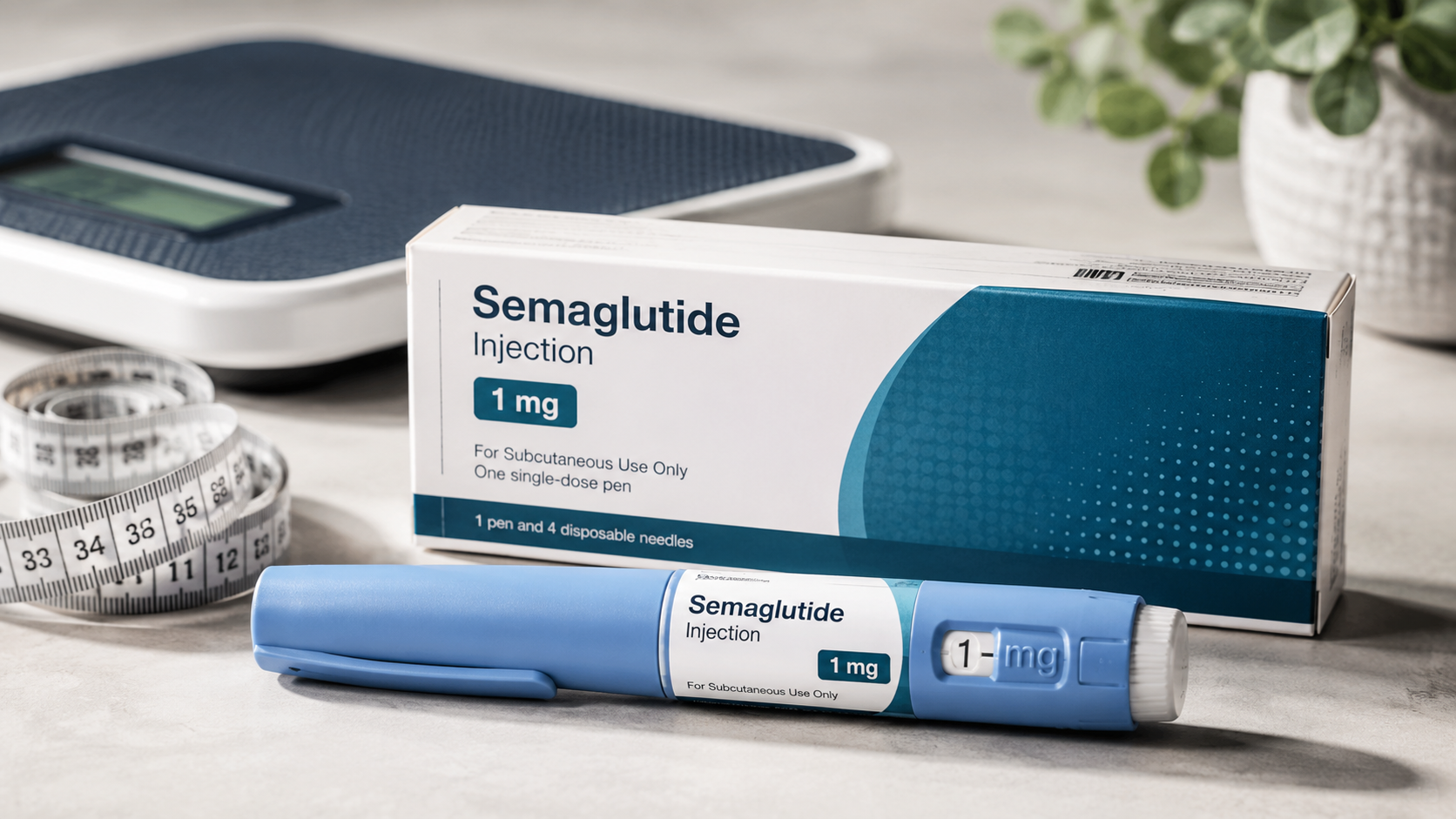
Discover how GLP-1 weight loss medications work, their benefits, side effects, and top options to help you achieve safe, sustainable weight loss.
Losing weight can be challenging, especially for people who have struggled with long-term obesity or weight-related health conditions.
While healthy eating and regular physical activity remain the foundation of weight management, prescription medications have become another option for certain individuals.
One of the most talked-about treatments today is GLP-1 weight loss. GLP-1 medications were originally developed to help manage type 2 diabetes.
Researchers later found that these medicines may significantly reduce appetite and help many people lose weight when combined with healthy lifestyle changes.
As a result, healthcare providers now prescribe specific GLP-1 medications for chronic weight management in eligible adults.
This guide explains how GLP-1 weight loss works, who may qualify, the benefits and risks, possible side effects, expected results, and practical tips for getting the most from treatment.
What Is GLP-1 Weight Loss?
GLP-1 stands for glucagon-like peptide-1, a hormone naturally produced in the intestine after eating.
This hormone helps regulate blood sugar, slows stomach emptying, and sends signals to the brain that promote fullness.
GLP-1 weight loss medications are designed to imitate this natural hormone. By activating GLP-1 receptors, these medicines help people:
- Feel full sooner
- Stay satisfied longer
- Reduce hunger
- Eat smaller portions
- Lower overall calorie intake
Because they target appetite regulation rather than simply increasing metabolism, GLP-1 medications may help some individuals develop healthier eating habits over time.
How Does GLP-1 Weight Loss Work?
GLP-1 medications work through several biological processes.
Reduces Appetite
The medication communicates with appetite-control centers in the brain, making hunger less intense.
Slows Digestion
Food remains in the stomach longer, helping people feel satisfied after meals.
Supports Blood Sugar Control
GLP-1 stimulates insulin release when blood sugar rises and decreases excess glucose production from the liver.
Helps Lower Calorie Intake
Since many people naturally eat less while taking GLP-1 medication, weight loss may occur gradually over several months.
Who May Be Eligible for GLP-1 Weight Loss?
Healthcare providers generally evaluate several factors before prescribing GLP-1 medications.
Treatment may be appropriate for adults who:
- Have obesity based on body mass index (BMI)
- Have overweight along with weight-related medical conditions
- Have attempted lifestyle changes without sufficient long-term success
- Are willing to follow ongoing medical supervision
Eligibility varies depending on the medication, health history, and local medical guidelines.
Lifestyle Habits Still Matter
Medication alone is rarely the complete solution.
Healthcare providers usually recommend combining GLP-1 treatment with:
- Balanced nutrition
- Regular exercise
- Adequate sleep
- Stress management
- Routine medical follow-up
Healthy habits may improve both weight loss results and long-term success.
How Much Weight Can People Lose?
Results vary from person to person.
Weight loss depends on factors such as:
- Starting weight
- Diet quality
- Physical activity
- Medication adherence
- Individual response
- Medical conditions
Some individuals lose modest amounts of weight, while others experience greater reductions. Your healthcare provider can explain realistic expectations based on your personal situation.
How Long Does GLP-1 Weight Loss Take?
GLP-1 medications are designed for gradual progress.
Many people notice:
First Few Weeks
- Reduced appetite
- Earlier feelings of fullness
- Smaller meal sizes
Following Months
- Steady weight reduction
- Improved eating habits
- Better control over cravings
Long-term success often depends on continuing healthy lifestyle practices alongside treatment.
Common Side Effects
Like most prescription medications, GLP-1 drugs may cause side effects.
Common examples include:
- Nausea
- Vomiting
- Diarrhea
- Constipation
- Stomach discomfort
- Reduced appetite
- Bloating
These symptoms often improve as the body adjusts, although some individuals continue to experience digestive issues.
Less Common but Serious Risks
Although uncommon, serious complications may occur.
Potential risks may include:
- Pancreatitis
- Gallbladder problems
- Severe dehydration from vomiting
- Kidney complications related to dehydration
- Allergic reactions
Patients should contact their healthcare provider if they develop severe abdominal pain, persistent vomiting, or other concerning symptoms.
Who Should Avoid GLP-1 Medications?
GLP-1 medications are not appropriate for everyone.
Your healthcare provider may recommend alternative treatments if you have:
- Certain thyroid conditions
- A history of pancreatitis
- Specific gastrointestinal disorders
- Allergies to medication ingredients
- Other medical conditions that increase treatment risks
Always discuss your complete medical history before beginning therapy.
Tips for Better GLP-1 Weight Loss Results
Healthy habits may improve your overall experience.
Eat Slowly
Taking time during meals helps your body recognize fullness.
Choose Protein-Rich Foods
Protein supports muscle maintenance while losing weight.
Stay Hydrated
Drinking enough water may help reduce constipation and dehydration.
Include Fiber
Vegetables, fruits, legumes, and whole grains support digestive health.
Exercise Regularly
Walking, strength training, and other physical activities help preserve muscle while reducing body fat.
Follow Medical Advice
Never adjust your dosage without speaking with your healthcare provider.
Frequently Asked Questions
Is GLP-1 weight loss permanent?
Weight loss maintenance often depends on continuing healthy habits. Some people may regain weight after stopping medication.
Can people without diabetes use GLP-1 medications?
Certain GLP-1 medications are approved specifically for chronic weight management in eligible adults without diabetes. Eligibility depends on medical evaluation.
Do GLP-1 medications replace diet and exercise?
No. They work best when combined with nutritious eating, physical activity, and other healthy lifestyle habits.
Are GLP-1 medications taken forever?
Treatment length varies. Some people use them for extended periods under medical supervision, while others may stop based on treatment goals and healthcare provider recommendations.
Can everyone lose the same amount of weight?
No. Individual responses differ based on genetics, health conditions, lifestyle, and medication adherence.
Pros and Cons of GLP-1 Weight Loss
| Pros | Cons |
|---|---|
| Helps reduce appetite | May cause nausea and digestive symptoms |
| Supports gradual weight loss | Requires medical supervision |
| Can improve blood sugar control | Not suitable for everyone |
| May reduce food cravings | Results vary between individuals |
| Encourages healthier eating habits | Weight may return after stopping treatment |
Making an Informed Decision About GLP-1 Weight Loss
GLP-1 weight loss has changed the way healthcare providers approach obesity treatment.
By helping regulate appetite and increase feelings of fullness, these medications may support meaningful weight reduction for eligible individuals when combined with healthy lifestyle changes.
Although many people achieve positive results, GLP-1 medications are not a quick fix.
Regular medical supervision, balanced nutrition, physical activity, and realistic expectations remain important parts of long-term success.
If you are considering GLP-1 weight loss treatment, speaking with a qualified healthcare professional is the safest way to determine whether it is appropriate for your individual health needs.