
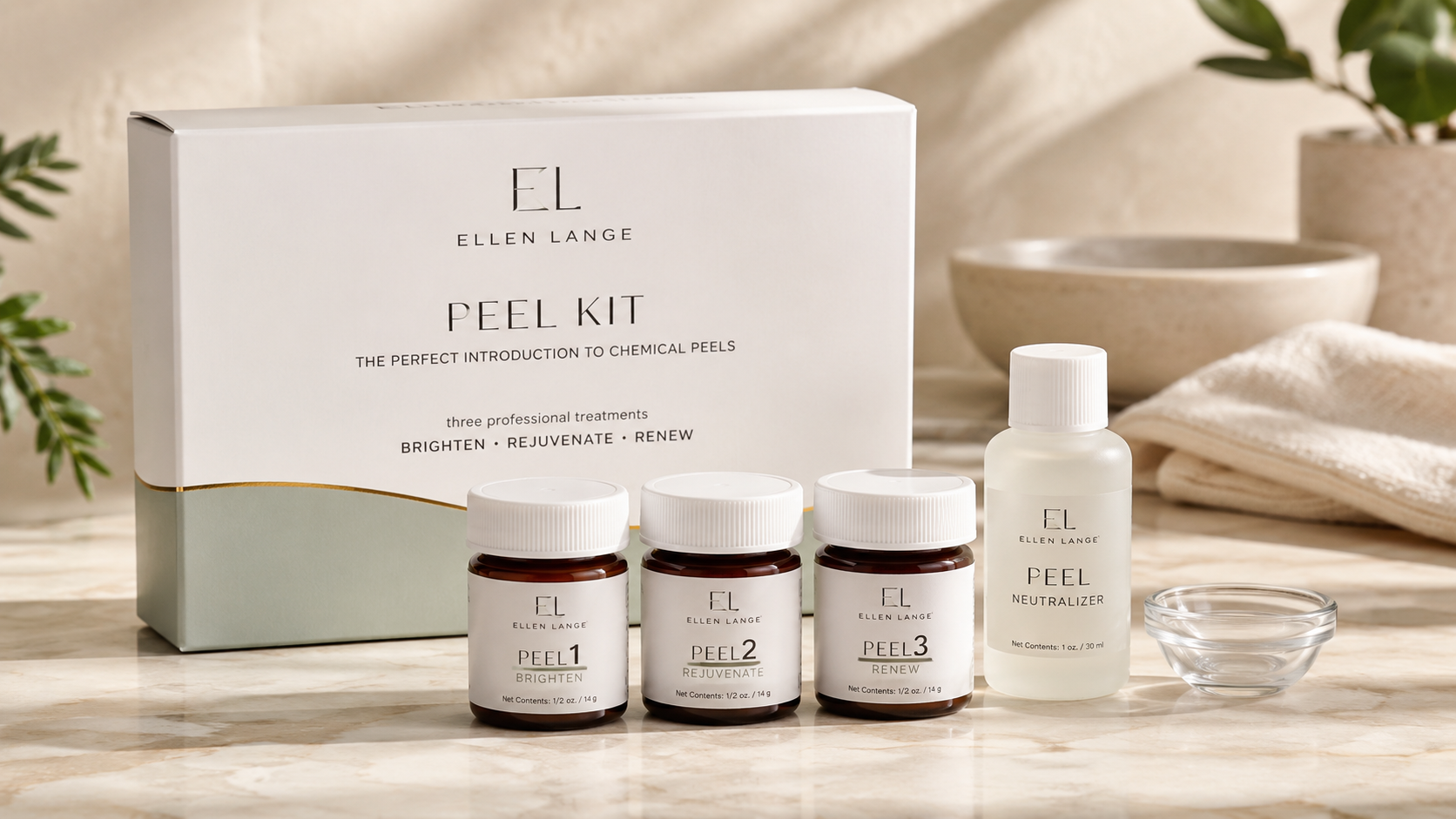
Discover the Ellen Lange Peel Kit for brighter, smoother skin. Learn its benefits, how it works, key ingredients, and whether this professional peel kit is worth trying.
Between back-to-back meetings, family commitments, and endless to-do lists, professionals sacrifice skincare for convenience—yet their skin pays the price. Monthly facial appointments become luxuries rather than necessities, pushed to the bottom of already-packed schedules. The Ellen Lange Retexturizing Glycolic Peel Kit changes that equation entirely by bringing professional-grade results into your home.
This award-winning at-home chemical peel system was Sephora's number one skincare product for two consecutive years, a distinction it earned through consistent, measurable results. Professionals using this kit report noticeable improvements in texture, tone, and clarity within days—transformations that previously required expensive salon visits and hours of travel time. The system delivers genuine clinical results in just 15-20 minutes.
You'll discover the science behind its effectiveness, step-by-step application guidance, what real users experience, and whether it's worth the investment compared to salon treatments. This breakdown covers the three-step system, active ingredients, realistic timelines for visible changes, and the non-negotiable aftercare protocols that maximize both safety and efficacy.
Explore the Ellen Lange Retexturizing Glycolic Peel Kit and start your skin transformation today.
Why Professionals Are Ditching Salon Peels for At-Home Alternatives
The Time Investment Gap
Salon peels demand a serious time commitment. Scheduling the appointment, traveling to the facility, waiting for your appointment slot, enduring the 30-60 minute treatment, and traveling home typically consumes 2-3 hours of your day. For professionals juggling client calls, project deadlines, and family obligations, this time drain simply doesn't fit. The Ellen Lange kit reduces this to 15-20 minutes—brief enough to slip into your evening routine on a Wednesday night without disrupting your schedule.
Cost Comparison Reality
A single professional glycolic peel ranges from $150-$300 depending on your location and provider. The Ellen Lange Retexturizing Skin Peel Kit costs $129 and contains enough product for multiple treatments, making the per-treatment cost substantially lower than salon alternatives. Over a year of regular maintenance peels, professionals using this kit invest a fraction of what they'd spend on professional treatments while achieving comparable results.
Scheduling Flexibility and Consistency
Salon appointments lock you into someone else's calendar. You wait weeks for availability, adjust your schedule to accommodate the time slot, and risk rescheduling when work emergencies arise. At-home peels belong to you. Apply them when your skin needs attention, not when the salon has an opening. This flexibility enables consistent treatment schedules—a critical factor for maintaining results. Many professionals find they can sustain superior skin quality through regular at-home treatments than sporadic salon visits.
Privacy and Comfort
Salon treatments expose your skin vulnerabilities to strangers. Some people feel self-conscious about the condition of their skin during professional appointments, creating hesitation about scheduling regular treatments. At-home peels eliminate this barrier. You perform treatments in complete privacy, eliminating any judgment or pressure and creating space to focus purely on results.
The ROI Reality
Professional-quality exfoliation shouldn't require a professional price tag. The Ellen Lange system delivers chemical peel efficacy—the same active ingredients and concentrations dermatologists use—at a fraction of in-office costs. You recoup the $129 investment after just one or two skipped salon appointments.
Understanding the Three-Step System and Its Active Ingredients
Peel Prep Enzyme Scrub
The first step prepares skin for optimal peel penetration. This enzyme scrub gently exfoliates the surface using enzymatic action rather than harsh mechanical scrubbing. Enzymes selectively break down dead skin cells and surface debris, creating a clean canvas for the glycolic acid to penetrate effectively. This preparation step increases treatment efficacy without adding unnecessary irritation.
Peel Accelerator Pads
Pre-moistened with 5% glycolic acid, these pads deliver a gentler introduction to the chemical exfoliation process. Users apply them gradually, allowing the glycolic acid to acclimate to skin and begin dissolving the intercellular matrix that bonds dead skin cells together. The 5% concentration represents a measured dose—strong enough to work but manageable enough for most skin types to tolerate.
Glycolic Peel Solution
The concentrated treatment step uses 4% glycolic acid to penetrate deeper into the epidermis. This formulation triggers more intensive exfoliation and collagen stimulation, driving the visible transformation that professionals experience after treatment.
Glycolic Acid Concentration and pH Balance
The total glycolic acid concentration across the system reaches approximately 10%, distributed strategically across the three steps. This approach allows for cumulative efficacy without overwhelming skin in a single application. The pH level of 3.5-3.7 maintains sufficient acidity to effectively denature keratin and dissolve cellular adhesion while remaining safe for at-home use. Professional salon peels often use higher pH levels (2.0-3.0) requiring trained application; the Ellen Lange formulation's pH represents the sweet spot for professional results with accessible safety parameters.
Microbeads and Enzyme Synergy
Combining mechanical exfoliation (microbeads) with chemical exfoliation (glycolic acid and enzymes) creates comprehensive cell removal. Mechanical action physically dislodges dead cells while chemical exfoliation dissolves the structures bonding them to skin. This dual approach proves more effective than either mechanism alone.
Collagen Stimulation Mechanism
Glycolic acid doesn't just remove dead skin—it triggers skin renewal. The chemical disruption stimulates fibroblasts to increase collagen production, initiating the repair response that results in firmer, smoother skin texture. This collagen-stimulating action continues for days after treatment, making the timeline for visible results extend beyond the immediate application.
Precision Application Tools
The kit includes a fan brush and dispensing cup designed for controlled, mess-free application. These tools enable even distribution across the face without the waste and difficulty of applying liquid treatments with fingers.
Real Results: What Happens to Your Skin After Treatment
Texture Transformation
Users report dramatic smoothing of rough patches and uneven surfaces within the first week. Buildup of dead skin cells creates a rough, dull texture; removing this layer instantly reveals the smoother skin beneath. Continued treatments trigger collagen remodeling, progressively improving skin smoothness at a deeper level.
Fine Line and Wrinkle Reduction
Expression lines and fine wrinkles fade noticeably as skin thickens and plumps through collagen stimulation. The initial results stem from surface hydration and cell renewal; cumulative improvements compound with repeated treatments as structural collagen increases.
Pore Minimization
Enlarged pores result partly from buildup of dead skin cells and sebum. Thorough exfoliation removes this congestion, allowing pores to return to their natural, smaller appearance. Improved skin elasticity from collagen stimulation further tightens pores, creating a refined complexion.
Hyperpigmentation and Dark Spot Fading
Dark spots and uneven pigmentation typically concentrate in the stratum corneum—the outermost layer of dead skin cells. Removing this layer immediately improves tone; continued treatments fade deeper pigmentation as new, evenly-pigmented cells cycle to the surface.
Breakout Control
Chemical exfoliation clears congestion, reduces bacterial buildup, and normalizes sebum production. Users with periodic breakouts often experience significant reduction in flare-ups following consistent peel use.
Radiance Boost
Dead skin cells scatter light diffusely, creating a dull, tired appearance. Fresh, healthy skin cells scatter light more evenly, producing visible luminosity. This radiance boost appears almost immediately after treatment as the dull layer lifts.
Skin Clarity
The combination of exfoliation, pore clearing, and breakout reduction creates noticeably clearer skin. Users frequently report that their complexion appears fresher and more refined within days of treatment.
Timeline Expectations
Results typically become noticeable within 3-5 days. Initial improvements stem from surface exfoliation and hydration; deeper transformations unfold over 2-4 weeks as collagen remodeling progresses and new skin cells migrate to the surface.
Cumulative Benefits
Each treatment builds on previous results. Initial peels establish the foundation; subsequent treatments deepen improvements and address deeper skin concerns. Over three to four months of regular treatments, professionals often observe skin quality approaching professional-grade standards they previously only achieved through expensive salon visits.
Application Protocol for Maximum Safety and Effectiveness
Pre-Treatment Skin Preparation
Begin with thoroughly cleansed, completely dry skin. Any residual moisture or cleanser interferes with peel penetration and increases irritation risk. Pat skin dry with a clean towel and wait 2-3 minutes to ensure complete dryness. Avoid applying any other products before treatment—serums, moisturizers, or oils create a barrier preventing proper peel contact.
Patch Testing
Before applying the full treatment, test the system on a small area (inside the jawline or behind the ear). Wait 24-48 hours to assess your skin's response. This cautious approach prevents uncomfortable reactions on the face and identifies potential sensitivity issues early.
Step-by-Step Application Sequence
Apply the Peel Prep enzyme scrub first, massaging gently across the face for the recommended time. Rinse thoroughly and pat dry. Next, apply the Peel Accelerator Pads using the included fan brush, distributing evenly across facial skin. Finally, apply the Glycolic Peel Solution using the same careful technique. Follow timing instructions precisely—each step depends on proper sequencing.
Timing Between Steps
Wait the recommended duration (typically 2-3 minutes) between the enzyme scrub and accelerator pads, and between the pads and peel solution. These intervals allow each step to work optimally without overwhelming skin. Rushing through the steps reduces efficacy and increases irritation risk.
Contact Time
The peel solution requires specific contact time—usually 10-15 minutes depending on your skin type and experience level. Follow product instructions precisely. Beginners should start at the shorter end of the range; experienced users can extend contact time as skin acclimates.
Neutralization and Removal
Thoroughly rinse the treatment with lukewarm water until all product residue clears. Don't rush this step—incomplete removal leaves active ingredients on skin, extending irritation unnecessarily. Some formulations include a neutralizing step; follow these instructions exactly if provided.
Post-Peel Hydration
Immediately after rinsing and patting dry, apply a soothing moisturizer or hydrating serum. The peel temporarily disrupts the skin barrier; rehydration restores barrier function and prevents excessive dryness. Many professionals use a dedicated post-peel moisturizer specifically formulated to soothe treated skin.
Frequency Recommendations
Beginners should space treatments 2-3 weeks apart, allowing skin to recover and adapt. Experienced users with resilient skin can progress to weekly treatments once their skin demonstrates tolerance. Never treat more frequently than weekly; skin requires adequate recovery time to avoid chronic irritation and barrier damage.
Adjusting Intensity
If skin responds with excessive redness, irritation, or sensitivity, extend the interval between treatments or reduce contact time during the next application. If skin tolerates the treatment easily and shows minimal response, gradually extend contact time or reduce the interval between treatments. This titration approach ensures consistent progress without overwhelming skin.
Sun Protection and Aftercare—The Non-Negotiable Part
Why Sun Exposure Matters Post-Peel
Glycolic acid increases skin's photosensitivity—the treated, freshly-exfoliated skin absorbs UV radiation more readily and suffers greater damage. Without protection, sun exposure causes hyperpigmentation, erases treatment benefits, and increases burn risk. The newly-exposed skin cells lack the protective melanin of weathered surface layers, making them particularly vulnerable.
Mandatory Sun Protection Window
Maintain strict sun avoidance and use protection for a minimum of one week following treatment. This doesn't mean staying indoors; it means consistently applying and reapplying sunscreen, wearing protective clothing, and seeking shade during peak sun hours (10 am-4 pm). Many professionals extend protection to two weeks during summer months when UV intensity peaks.
SPF Requirements
Use SPF 30 minimum; SPF 50+ provides superior protection. The higher number reflects increased UVA and UVB protection, particularly important for post-peel skin. Don't confuse SPF levels with the difference in protection—SPF 30 blocks 97% of UVB rays while SPF 50 blocks 98%. Both provide adequate protection when applied correctly, but SPF 50+ offers slightly superior margin.
Reapplication Schedule
Apply sunscreen every 2 hours during the first week post-peel, more frequently if swimming or sweating. Most people under-apply sunscreen initially; use approximately one-quarter teaspoon for your face. Reapplication maintains consistent protection as the initial application wears down through friction and environmental exposure.
Avoiding Other Actives During Recovery
Pause retinoids, vitamin C serums, benzoyl peroxide, and other active ingredients for at least one week post-peel. Combining chemical exfoliants with other actives increases irritation risk and can compromise the skin barrier. Return to your regular active ingredient routine only once any post-peel redness or sensitivity completely resolves.
Hydration Strategy
The peel temporarily compromises the skin barrier, increasing transepidermal water loss. Combat this through consistent moisturization—apply hydrating products immediately after treatment and again before bedtime for at least three days. Some professionals use hydrating face masks or sheet masks during the recovery period to accelerate barrier repair.
Timeline for Resuming Other Treatments
Wait one full week before reintroducing retinoids, vitamin C, or other active ingredients. Introduce them gradually—begin with lower concentrations or reduced frequency, scaling up to your normal routine over 7-10 days. This measured approach prevents overwhelming recently-sensitized skin.
Recognizing Signs of Overuse
Chronic redness, persistent sensitivity, increased breakouts, or a compromised skin barrier indicate you're treating too frequently or with too much intensity. If these signs appear, extend the interval between treatments to 3-4 weeks and reduce contact time during the next peel. Allow 2-3 weeks of rest before resuming normal treatment frequency.
Seasonal Adjustments
Summer months warrant reduced frequency or shorter contact times due to increased sun exposure and UV intensity. Winter months allow for more aggressive treatment since natural sun exposure decreases. Some professionals treat weekly during winter but reduce to every 2-3 weeks during summer, adapting their protocol seasonally for optimal results.
Transform Your Skin Without Transforming Your Schedule
The Ellen Lange Retexturizing Glycolic Peel Kit isn't another skincare product gathering dust on your bathroom shelf—it's a legitimate solution for professionals who refuse to sacrifice results for convenience. You gain professional-grade chemical exfoliation, proven efficacy across multiple skin concerns, and the flexibility to treat your skin on your own timeline. The award-winning formulation works because it's backed by solid science: glycolic acid penetration, enzymatic exfoliation, and collagen stimulation all working in concert.
Yes, you'll need to commit to sun protection and proper aftercare. Yes, sensitive skin types should proceed with caution. But these aren't dealbreakers—they're simply the requirements of serious skincare results. At $129 for multiple treatments, you're investing less than two professional salon peels while gaining the ability to maintain your skin's radiance consistently throughout the year.
If you're tired of watching your skin deteriorate under stress and neglect, this kit offers a realistic pathway to the polished, youthful appearance that commands respect in professional settings. Start with a patch test, follow the protocol precisely, and prepare yourself for the kind of skin transformation that makes people ask what you're doing differently. Your future self—and your reflection—will thank you.