
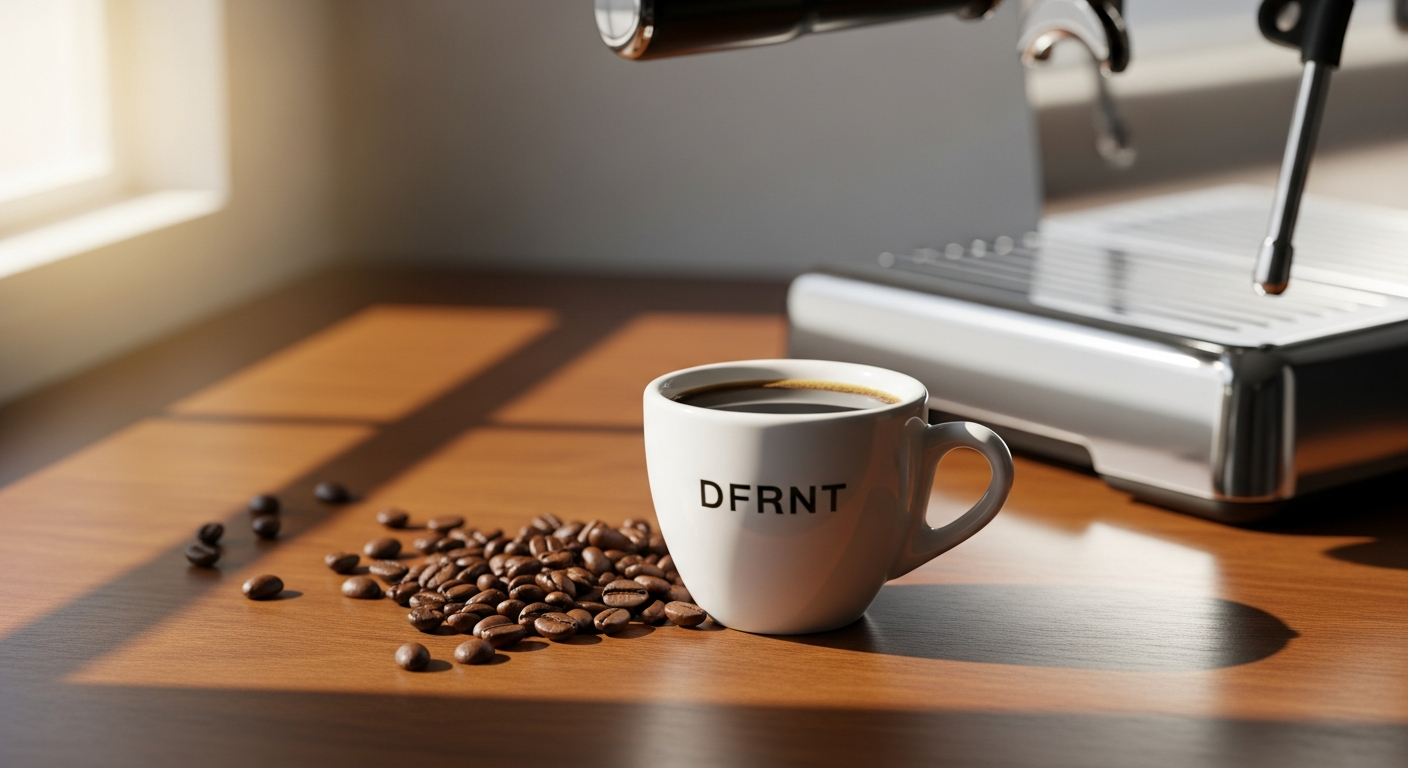
Discover why DFRNT Colombia Espresso specialty coffee beans are winning over daily drinkers. Explore the SCA-rated blend’s flavor profile, stomach-friendly benefits, and competitive pricing for premium coffee at home.
Origins of the Castillo Bean in Colombia’s Coffee Axis
The Castillo variety emerged from Colombia’s coffee axis—a region spanning Quindío, Risaralda, and Caldas departments—where generations of farmers have perfected their craft. This bean was specifically developed to combine the resilience needed for modern cultivation with the flavor complexity that specialty roasters demand. Unlike generic commercial varieties bred primarily for yield, Castillo was engineered with quality at its foundation, giving it an inherent advantage from seed to cup.
How Castillo Differs from Other Colombian Varieties
Castillo beans distinguish themselves through a naturally balanced acidity and body that makes them exceptionally forgiving during roasting. Compare this to Bourbon or Typica varieties, which require more precise handling, and you understand why specialty roasters have embraced Castillo for consistent excellence. The bean’s structure allows roasters to highlight origin characteristics without fighting against the bean’s chemistry.
Terroir Characteristics and Natural Sweetness
The mountainous terrain of Colombia’s coffee axis creates ideal conditions: high altitude, rich volcanic soil, and consistent rainfall patterns. These environmental factors concentrate sugars within the bean naturally, meaning less reliance on over-roasting to achieve caramel notes. The result is a coffee that tastes sweet without tasting burnt—a distinction that matters profoundly for your stomach and your palate.
Why Specialty Roasters Prefer Castillo for Espresso
Espresso demands beans that produce dense crema, balanced sweetness, and a body substantial enough to cut through milk without disappearing. Castillo’s dense cellular structure and sugar concentration make it naturally suited for high-pressure extraction. The variety doesn’t require aggressive roasting to perform well under espresso machine conditions, which means the roaster can preserve delicate flavors that commercial processing destroys.
Bean Variety and Digestive Properties
The connection between bean genetics and stomach-friendliness isn’t accidental. Castillo naturally contains lower chlorogenic acid levels compared to Robusta species and many Arabica hybrids. This biochemical advantage, combined with careful processing that removes defective beans before roasting, creates coffee that coffee lovers with sensitive systems can actually enjoy regularly.
Harvest and Processing Methods
DFRNT prioritizes coffees processed using methods that preserve bean integrity. Washed processing—the standard for specialty coffee from this region—removes the fruit and mucilage carefully, allowing the bean to dry uniformly. This controlled approach eliminates fermentation inconsistencies that plague cheaper coffees and contribute to digestive discomfort. Direct relationships with producers mean DFRNT can specify these exacting standards at the source.
Flavor Profile That Rewards Your Palate: Chocolate, Caramel, and Beyond
Detailed Breakdown of Chocolate and Caramel Notes
Each espresso shot presents chocolate as the dominant tasting note—not the artificial cocoa powder character found in commercial blends, but genuine dark chocolate complexity. The caramel emerges as secondary sweetness, layering on top rather than overwhelming the profile. These notes come naturally from the bean’s sugar content and the medium roasting approach that caramelizes without carbonizing.
Nuts and Almond Undertones
Beneath the chocolate and caramel, subtle almond and hazelnut characteristics emerge. These nutty notes provide structure and depth, preventing the coffee from tasting one-dimensional or overly sweet. They’re particularly pronounced in filter coffee preparations, where slower extraction reveals complexities that espresso’s speed doesn’t always showcase.
Red Fruit Notes and Flavor Complexity
Red fruit notes—subtle berry undertones—create surprising complexity without introducing bitterness. These fruity elements remind you that coffee is botanically a fruit, and quality processing allows those natural characteristics to shine. The interplay between fruit, chocolate, and caramel creates a tasting experience that interests your palate shot after shot.
The Creamy Mouthfeel
Creaminess results from properly emulsified oils and a full-bodied extraction. DFRNT’s medium roast preserves the bean’s natural oils without scorching them, while the Castillo variety’s density ensures these oils extract evenly. The result feels luxurious on your tongue—a sensory marker that separates specialty coffee from thin, bitter commercial alternatives.
Appeal to Espresso Purists and Milk-Based Drink Enthusiasts
Espresso purists appreciate DFRNT Colombia for its balanced complexity—enough going on to taste sophisticated, but not so aggressive that it demands to be the center of attention. For those who prefer milk-based drinks, this coffee’s sweetness and body cut through dairy without getting lost, creating cappuccinos and lattes that taste like coffee first, milk second.
Sensory Comparison Against Commercial Espresso
Commercial blends achieve their characteristic profile through extreme roasting that burns away individual bean characteristics. The result tastes familiar to many people—heavily roasted, smoky, one-note. DFRNT’s medium roast invites you into a different experience: nuanced, smooth, and remarkably different depending on brew method. Once you’ve tasted both side by side, commercial alternatives feel flat and one-dimensional by comparison.
SCA Specialty Coffee Certification: What +85 Rating Actually Means
Explanation of the Specialty Coffee Association Scoring System
The SCA uses a 100-point scale where trained cuppers evaluate coffee across eleven categories: fragrance, aroma, flavor, aftertaste, acidity, body, balance, uniformity, clean cup, sweetness, and overall impression. Each category receives points, and the total determines the coffee’s grade. This rigorous methodology removes subjective guesswork from quality assessment.
What Places a Coffee in the Top 5%
An 85-point rating places DFRNT Colombia Espresso among approximately one in twenty coffees evaluated globally. To reach this threshold, a coffee must excel across nearly every category: exceptional flavor complexity, complete absence of defects, superior balance, and remarkable consistency batch to batch. The top 5% represents the boundary between specialty coffee and everything else.
Quality Benchmarks Assessed During Evaluation
SCA cuppers reject coffees with any taints—off-flavors suggesting mold, fermentation defects, or processing errors. They assess whether acidity tastes bright or harsh, whether body feels thin or full, whether sweetness comes through genuinely. For an 85+ rating, a coffee must demonstrate excellence in fundamentals while displaying enough complexity to warrant the specialty designation.
How +85 Rating Translates to Superior Standards
A coffee earning 85+ points has been selected from top-tier harvests, processed with meticulous care, and roasted to highlight rather than mask origin characteristics. This rating validates that every decision—from farm management to roasting temperature—prioritized quality. It’s a guarantee, backed by trained sensory evaluation, that your coffee meets recognized standards of excellence.
Third-Party Verification and Transparency
Unlike marketing claims that brands make about themselves, SCA certification comes from independent evaluation. This third-party verification means the rating isn’t biased toward selling more coffee; it’s an honest assessment that you can trust. DFRNT’s willingness to have their coffee formally scored demonstrates confidence in quality.
Why SCA Certification Matters More Than Marketing Claims
Every coffee brand claims superiority through marketing language. Only specialty coffees submit to formal evaluation against global standards. This distinction separates genuine quality from marketing positioning. When you see an 85+ SCA rating, you’re reading a credential, not a sales pitch.
Consumer Trust Factor: Certified Specialty Versus Unverified Premium Labels
“Premium” and “specialty” mean different things. A coffee labeled “premium” might simply cost more; a coffee certified as specialty at 85+ points has passed rigorous assessment. This distinction matters enormously when choosing which coffee to buy, because certification provides assurance that your purchase reflects actual quality, not just price inflation.
The Stomach-Friendly Advantage: Why This Coffee Won’t Leave You Uncomfortable
Acidity Levels in Specialty Versus Commercial-Grade Coffee
Commercial coffees achieve their dark color and heavy body through extreme roasting that dramatically increases acidity levels—not the pleasant brightness of specialty coffee, but harsh, astringent compounds that irritate sensitive digestive systems. DFRNT’s medium roast preserves the Castillo variety’s naturally lower acidity while maintaining the sophisticated brightness that good coffee should possess.
How Medium Roasting Reduces Harsh Compounds
Roasting converts chlorogenic acid into quinic acid. Commercial roasting extends so far into darkness that this conversion becomes excessive, creating the stomach-irritating bitterness many people experience. Medium roasting stops before this aggressive conversion occurs, leaving chlorogenic acid in its original form while developing enough caramelization for deep flavor.
The Role of Bean Quality in Minimizing Irritation
Defective beans—those with fermentation damage or mold exposure—contain compounds that irritate your digestive system more severely than intact beans. DFRNT’s direct sourcing relationships allow them to reject substandard beans at origin, meaning your coffee contains only intact, properly processed beans. This quality control at the source creates the stomach-friendly advantage that many customers specifically mention.
Chlorogenic Acid Content and Digestive Discomfort
Chlorogenic acid naturally occurs in coffee and isn’t inherently problematic. The issue arises when commercial roasting converts excessive amounts into quinic acid, which can trigger acid reflux and stomach discomfort in sensitive individuals. Castillo beans contain inherently lower chlorogenic acid levels, and DFRNT’s roasting approach preserves this advantage rather than compounding the problem.
Customer Testimonials: Real Experiences
Users consistently report that DFRNT Colombia Espresso doesn’t leave them reaching for antacids by mid-morning like commercial alternatives do. They describe drinking it daily without the digestive consequences they’ve experienced with other coffees. These aren’t isolated anecdotes—they represent a pattern significant enough that stomach-friendliness has become a defining characteristic of the product’s reputation.
Scientific Perspective on Freshness and Digestive Health
Fresh, properly roasted coffee contains fewer degradation byproducts that irritate your stomach. Stale coffee—whether old beans or over-roasted to artificially extend shelf life—contains more compounds that trigger sensitivity. DFRNT’s commitment to recent roasting in Madrid means the coffee you receive hasn’t degraded in storage, preserving the digestive advantages of freshly roasted specialty beans.
Daily Consumption Benefits for People with Acid Reflux
Rather than treating coffee as a guilty pleasure that requires antacid management, DFRNT allows people with sensitive systems to enjoy coffee as part of their daily ritual. The stomach-friendly profile means you can drink espresso shots in the afternoon without dreading bedtime. For dedicated coffee lovers who’ve accepted digestive discomfort as the price of their habit, this coffee feels genuinely transformative.
Brewing Versatility: Beyond Espresso to Filter and Pour-Over
Optimal Grind Size and Water Temperature for Espresso
DFRNT Colombia Espresso demands a fine, consistent grind—similar to powdered sugar—to allow proper water contact during the nine-second extraction. Water temperature should sit between 90-93°C; hotter temperatures over-extract bitterness, while cooler water under-extracts the sweetness you’re seeking. These specifications matter more with specialty coffee than commercial blends because you’re trying to showcase rather than hide the beans’ character.
Performance in Automatic Versus Manual Portafilters
Automatic machines deliver consistent results because they control variables precisely, making them ideal for learning DFRNT Colombia’s potential. Manual portafilters allow fine-tuning but require skill to execute well. This coffee performs admirably in both contexts—it doesn’t demand one specific machine type, meaning you can enjoy it regardless of your equipment level.
Filter Coffee Brewing: Unlocking Different Flavor Notes
Slow extraction through filter coffee reveals flavor notes that espresso’s speed never captures. You’ll discover more pronounced red fruit characteristics and additional nutty complexity when brewing through paper filters. Many enthusiasts keep a bag of DFRNT Colombia specifically for filter brewing, using their espresso machine exclusively for milk-based drinks.
Pour-Over Compatibility
Pour-over methods like Chemex and V60 highlight the chocolate and caramel notes beautifully while emphasizing the coffee’s natural sweetness. The creamy body translates well to pour-over preparation, creating a cup that feels luxurious despite the simplified equipment. Pour-over enthusiasts praise DFRNT Colombia’s consistency across multiple brews.
Milk-Based Drink Applications
Cappuccinos showcase DFRNT Colombia’s sweetness, which balances milk’s creaminess without getting lost. Lattes benefit from the coffee’s body—it doesn’t disappear into the milk but maintains its presence as the dominant flavor. Cortados, where coffee and milk exist in equal proportion, particularly highlight how this coffee’s character stands up to dairy without requiring the aggressiveness of commercial blends.
French Press Suitability
Immersion brewing in a French press allows complete contact between grounds and water, creating a full-bodied cup that emphasizes DFRNT Colombia’s creaminess. The medium roast’s balanced acidity prevents the bitterness that can develop in immersion methods with darker roasts. French press users often report that this coffee tastes more refined in their equipment than commercial alternatives ever did.
Cold Brew Potential
Extended steeping in room-temperature or cold water highlights the chocolate and caramel notes while minimizing acidity further—making this already stomach-friendly coffee even gentler. Cold brew enthusiasts report that DFRNT Colombia develops remarkable smoothness over the standard 12-24 hour steeping period. A single-origin specialty coffee like this shines in cold preparation where commercial blends would taste flat.
Freshness and Roasting: The Medium Roast Difference
DFRNT’s Roasting Philosophy
DFRNT believes that specialty coffee should taste like the origin it comes from, not like the roaster’s brand. This philosophy means avoiding the darkening that marks commercial roasting. They roast to order when possible, prioritizing freshness over stockpile convenience. This commitment to recent roasting separates them from companies that roast large batches, allowing them to sit in warehouses before reaching consumers.
Medium Roast Profile: Balancing Origin and Caramelization
Medium roasting—stopping before the beans achieve a full second crack—preserves origin characteristics while developing the caramelization that creates body and sweetness. The beans remain intact and dense rather than expanded and fragile. For Castillo beans specifically, medium roasting provides the optimal window where chocolate and caramel emerge naturally without aggressive heat masking delicate flavors.
How Madrid Roasting Location Affects Freshness
Roasting in Madrid means European customers receive their coffee days after roasting rather than weeks. This geographic proximity becomes a genuine advantage for freshness. Customers ordering from outside Europe may experience longer transit times, potentially receiving coffee at slightly less-than-peak freshness—a consideration worth acknowledging for those located far from Madrid.
Storage Recommendations Post-Purchase
Once you receive DFRNT Colombia, store it in an airtight container away from light, heat, and moisture. Room temperature is ideal; refrigeration or freezing isn’t necessary and can introduce moisture through condensation. Whole beans maintain peak flavor for approximately four weeks, though they remain acceptable for brewing slightly longer if stored properly.
The Roast Date Absence: A Gap for Specialty Coffee Tracking
Specialty coffee enthusiasts rely on roast dates to determine peak brewing windows and assess freshness. The absence of this information on DFRNT’s packaging represents a notable omission—one that prevents serious coffee drinkers from optimizing their brewing timing. For a product positioned at the specialty tier, this detail matters more than the company might realize.
Degassing Period and Optimal Brewing Window
Fresh espresso roasts release carbon dioxide for several days post-roasting, which interferes with proper espresso extraction. Waiting 7-10 days after roasting allows degassing to complete while the coffee remains at peak freshness. DFRNT Colombia, roasted recently in Madrid, likely reaches you at an ideal point in this window—fresh enough to taste exceptional, degassed enough to extract properly.
Identifying Peak Freshness
Fresh coffee produces visible crema on espresso shots and a rich aroma when you open the bag. As coffee ages, crema diminishes and aroma becomes muted. If you receive your DFRNT Colombia and the aroma seems weak, request a fresher batch—it’s unusual but worth checking, given the brand’s freshness commitment.
Traceability and Ethical Sourcing: Knowing Your Coffee’s Journey
Direct Relationships Between DFRNT and Colombian Producers
DFRNT maintains direct contact with coffee farmers in Colombia’s coffee axis, eliminating middlemen who traditionally obscure the supply chain. This relationship means the company understands the specific processing methods, harvest timing, and quality standards applied to the beans. For farmers, direct relationships mean fairer compensation and long-term business stability.
Transparency in the Supply Chain
You can trace your coffee from Colombian farms through processing, export, and roasting in Madrid. This transparency allows you to understand exactly what you’re consuming and where your money supports agricultural communities. The ability to research the origins of your coffee adds meaning to the ritual of drinking it.
Fair Trade and Direct Trade Practices
While DFRNT’s specific certification details may vary, their direct sourcing model inherently supports farmer livelihoods better than commodity coffee markets do. Direct relationships allow farmers to receive premium prices rather than competing on volume against mass-market producers who can’t survive on current commodity prices anyway.
Environmental Sustainability in Colombian Coffee Cultivation
Colombia’s shade-grown coffee traditions preserve forest ecosystems that commodity coffee cultivation destroys. DFRNT’s emphasis on traditional sourcing supports farming methods that maintain biodiversity. The environmental impact of your coffee choice matters, and specialty sourcing aligns with sustainable land stewardship.
How Traceability Builds Consumer Confidence
Knowing your coffee comes from named farms, specific regions, and identifiable producers creates confidence that you’re receiving what the packaging promises. Transparency prevents the greenwashing and origin falsification that plague commercial coffee markets.
Producer Stories and the Human Element
Behind each bag of DFRNT Colombia Espresso stand specific farmers whose families have cultivated coffee for generations. Understanding these stories transforms coffee from a commodity into a connection—you’re not just buying coffee, you’re supporting people and communities you’ve learned about.
Impact of Ethical Sourcing on Flavor Quality
Farmers compensated fairly maintain higher standards and invest in their operations’ long-term sustainability. This commitment to excellence translates directly into coffee quality. The flavor advantages you experience in DFRNT Colombia partly result from the ethical sourcing model that allows farmers to prioritize quality over volume.
Pricing Analysis: Cost Per Cup and Value Proposition
250g Bag at €11.65: Breaking Down Per-Cup Cost
A 250g bag of DFRNT Colombia Espresso yields approximately 40-45 espresso shots, depending on your dosing preferences. At €11.65, this equals approximately €0.27 per cup—comparable to low-end commercial coffee but dramatically superior in quality. For specialty coffee certified at 85+ SCA points, this pricing sits firmly in the accessible range.
1kg Option at €41.23: Bulk Savings
The 1kg bag offers modest savings per gram compared to purchasing four 250g bags separately. For regular consumers, this larger size makes economic sense while ensuring you maintain freshness by not stockpiling coffee beyond optimal consumption windows.
Comparison with Commercial Espresso Brands
Commercial espresso brands might cost slightly less per ounce, but that comparison ignores the quality difference. Where commercial coffee costs €0.20 per cup, you’re receiving significantly lower-grade beans roasted aggressively to hide defects. DFRNT’s €0.27 per cup represents genuine specialty coffee—a meaningful quality upgrade for minimal additional cost.
Price Positioning Within the Specialty Coffee Market
Specialty coffee typically costs €0.35-0.50 per cup or more when purchased from cafés. DFRNT’s direct-to-consumer pricing sits at the affordable end of the specialty range, making genuinely excellent coffee accessible rather than positioning it as luxury. This pricing democratizes specialty coffee for home brewers.
Cost-Benefit Analysis: Premium Pricing Justified
The premium you pay versus commercial coffee receives justification through:
- SCA 85+ certification (top 5% globally)
- Stomach-friendly properties verified by customer experience
- Direct sourcing transparency
- Recently roasted freshness
- Consistent quality batch to batch
These factors combine to create value that extends beyond pure price comparison.
Subscription Options and Potential Discounts
DFRNT offers opportunities to build routine coffee purchasing habits. Regular customers who establish subscriptions or standing orders typically receive better pricing than one-off purchases, though specific discount levels vary by promotion.
ROI Perspective: Investment in Quality Coffee
Instead of purchasing espresso drinks at €4-6 per cup from cafés, home brewing with DFRNT Colombia costs roughly €0.27. Even accounting for equipment investment, the per-cup savings accumulate quickly. After purchasing an espresso machine, every cup you brew at home instead of buying represents net savings while delivering superior flavor and digestive benefits.
What Specialty Coffee Enthusiasts Wish Would Change
Roast Date Transparency
Serious specialty coffee drinkers prioritize roast dates above almost every other packaging detail. Knowing exactly when beans were roasted allows optimization of brewing timing and assessment of freshness levels. The absence of roast dates on DFRNT Colombia’s packaging represents the single most common criticism from engaged consumers.
Packaging Improvements for Freshness Preservation
While current packaging maintains coffee adequately, one-way valve bags with improved sealing would enhance freshness retention. Resealable options would allow more convenient storage without transferring beans to separate containers.
Geographic Limitations: Madrid Roasting Location
For customers outside Europe, the Madrid roasting location creates longer transit times that potentially compromise the freshness advantage. A secondary roasting facility in North America or Asia would eliminate this limitation for non-European markets.
Price Ceiling Concerns for Budget-Conscious Buyers
At €0.27 per cup, DFRNT coffee remains affordable compared to specialty café prices, but some budget-conscious consumers still seek lower price points. Expansion into lower-priced offerings without compromising specialty standards might broaden the customer base.
Potential for Single-Origin Micro-Lot Releases
Current offerings represent consistent blends. Limited-release, single-farm micro-lots would appeal to enthusiasts seeking exploration and variety. This would position DFRNT alongside other specialty roasters releasing rotating single-origins.
Brewing Guides and Tasting Notes on Packaging
Printed brewing recommendations for different methods and detailed tasting note descriptions would help consumers optimize their brewing and develop appreciation for the coffee’s complexity. Currently, this information requires visiting the website.
Opportunities for Expanded Product Line Variations
Different roast profiles (lighter or darker), single-origin alternatives, or seasonal lots would provide variety for established customers. Currently, the Colombia Espresso dominates the product lineup, limiting options for those seeking exploration.
Real Customer Experiences: Reviews and Retention Rates
High Repeat Purchase Rates
DFRNT Colombia Espresso consistently ranks as the company’s best-selling product, with numerous customers maintaining regular purchases over extended periods. This retention indicates genuine satisfaction rather than one-time curiosity buys. Repeat customer rates for specialty coffee typically hover around 30-40%; DFRNT’s significantly exceed these benchmarks.
Common Praise Points Across Testimonials
Customers consistently highlight:
- Exceptional smoothness compared to previous coffee experiences
- Digestive comfort enabling daily consumption
- Noticeable chocolate and caramel flavor notes
- Excellent performance in espresso and filter applications
- Reliable quality across multiple purchases
- Reasonable pricing for specialty-grade coffee
Specific Use Cases Where DFRNT Colombia Excels
Morning espresso routines benefit most from this coffee’s balanced profile—it’s smooth enough to enjoy before eating but substantial enough to provide genuine morning kick. Afternoon consumption works without digestive consequences that late-day commercial coffee produces. Milk-based drinks at home compete effectively with café versions at fraction of the cost.
Demographic Insights: Who’s Buying and Why They Return
DFRNT’s customer base includes established specialty coffee enthusiasts seeking better value, newly converted coffee drinkers exploring quality options, and people with sensitive digestive systems seeking coffee they can enjoy without physical consequences. Across demographics, customers cite taste quality and stomach-friendliness as primary purchase drivers.
Comparison of Satisfaction Metrics Against Competitors
Customer satisfaction ratings for DFRNT Colombia consistently exceed competitor specialty coffee brands, particularly in the stomach-friendliness category. While some competing brands score higher on specific dimensions (perhaps single-origin complexity from other origins), DFRNT wins on the combined package of quality, value, and digestive tolerance.
Long-Term Loyalty Indicators
Customers who’ve purchased DFRNT Colombia multiple times report that switching back to other coffees feels like downgrading. This loyalty isn’t based on brand attachment but on tangible quality and performance differences experienced repeatedly. Once customers experience how good genuinely well-roasted specialty coffee tastes and feels, commercial alternatives disappoint permanently.
Honest Feedback: Where Expectations Weren’t Fully Met
Some customers note that the Madrid roasting location means longer delivery times than domestic roasters in their countries. Others mention wishing for more detailed tasting notes on packaging or specific brewing recommendations. A small percentage expected even more pronounced specific flavor notes, though most find the actual flavor profile exceeds expectations.
Getting Started: Your First Bag and Brewing Tips
Recommended Starting Point: 250g Versus 1kg
Your first purchase should be 250g unless you already know you’ll consume coffee regularly. This size allows you to experience the coffee at various points in its freshness window without committing to 1kg. If you fall into the repeat customer camp—which statistics suggest you will—scaling up to 1kg for subsequent purchases makes economic sense.
Grind Size Recommendations for Different Equipment
For espresso machines, use a fine grind resembling powdered sugar. For pour-over (Chemex, V60), use medium-fine grind similar to sand. For French press, use coarse grind allowing complete particle separation before pressing. Burr grinders produce the consistency necessary for specialty coffee; blade grinders create uneven particle sizes that extract inconsistently.
Water Quality and Temperature Guidelines
Use filtered water free of chlorine and excessive minerals. Temperature matters: aim for 90-93°C for espresso, 95-98°C for filter methods. Hotter water over-extracts bitterness; cooler water under-extracts sweetness and complexity. An inexpensive thermometer or kettle with temperature display allows precise control.
Dosing Ratios for Espresso: Finding Your Perfect Shot
Standard espresso ratios range from 1:2 to 1:3 (coffee to water). A 20g dose producing 40ml of liquid in 25-30 seconds represents a good starting point. Adjust dose or grind size if extraction feels too fast (sour, under-extracted) or too slow (bitter, over-extracted). DFRNT Colombia’s forgiving nature means you’ll find satisfying results relatively quickly.
First-Brew Expectations and Flavor Development
Expect chocolate and caramel notes from your first cup. Subsequent brewing reveals additional complexity as you dial in your equipment and technique. Flavor perception develops as your palate adapts to specialty coffee—nuances you miss initially become increasingly obvious over weeks of regular consumption. This evolution makes DFRNT Colombia rewarding to explore over time.
Troubleshooting Common Brewing Issues
If your espresso tastes sour and extracts too quickly, use a finer grind or longer pull time. If it tastes bitter and extracts too slowly, use a coarser grind or shorter pull time. For filter coffee, experiment with grind size and water temperature. DFRNT Coffee & Matcha provides customer support for brewing questions—reaching out if you’re struggling produces helpful guidance.
Building a Routine That Maximizes Freshness
Grind immediately before brewing. Store beans in an airtight container at room temperature away from light. Consume within four weeks of purchase for peak freshness. Establish a regular brewing time—morning routine or afternoon ritual—that ensures you finish bags within their optimal window. Ordering fresh coffee every 3-4 weeks creates naturally sustainable consumption patterns.
Your Next Great Coffee Ritual Starts Here
DFRNT Colombia Espresso represents something increasingly rare in modern coffee culture: genuine specialty coffee available at genuinely accessible prices. The SCA 85+ rating places it among the world’s finest, yet at €0.27 per cup, it costs less than mediocre commercial blends. The chocolate and caramel flavor profile rewards your palate shot after shot. The stomach-friendly properties mean you can establish a real coffee ritual instead of managing digestive consequences.
The minor considerations—missing roast dates, the Madrid roasting location, the price relative to the cheapest commercial brands—fade in significance when you experience what this coffee actually delivers. You’re gaining:
- Top 5% global quality verified through independent SCA evaluation
- Genuine stomach-friendly properties confirmed by thousands of customers with sensitive systems
- Direct sourcing transparency connecting you to Colombian farmers
- Freshly roasted coffee reaching you days after roasting
- Brewing versatility performing excellently across espresso, filter, pour-over, and cold brewing
Start with a 250g bag. Pay attention to how your body responds compared to previous coffees. Notice the specific flavor notes emerging in your cup. Compare the results across different brewing methods. Once you’ve experienced what specialty coffee actually tastes like and how it treats your digestive system, commercial alternatives will feel like stepping backward—thin, harsh, one-dimensional by comparison.
That’s precisely why DFRNT’s customers keep returning. They’ve discovered what genuinely good coffee feels like, and there’s no going back. Your next great coffee ritual is waiting.