
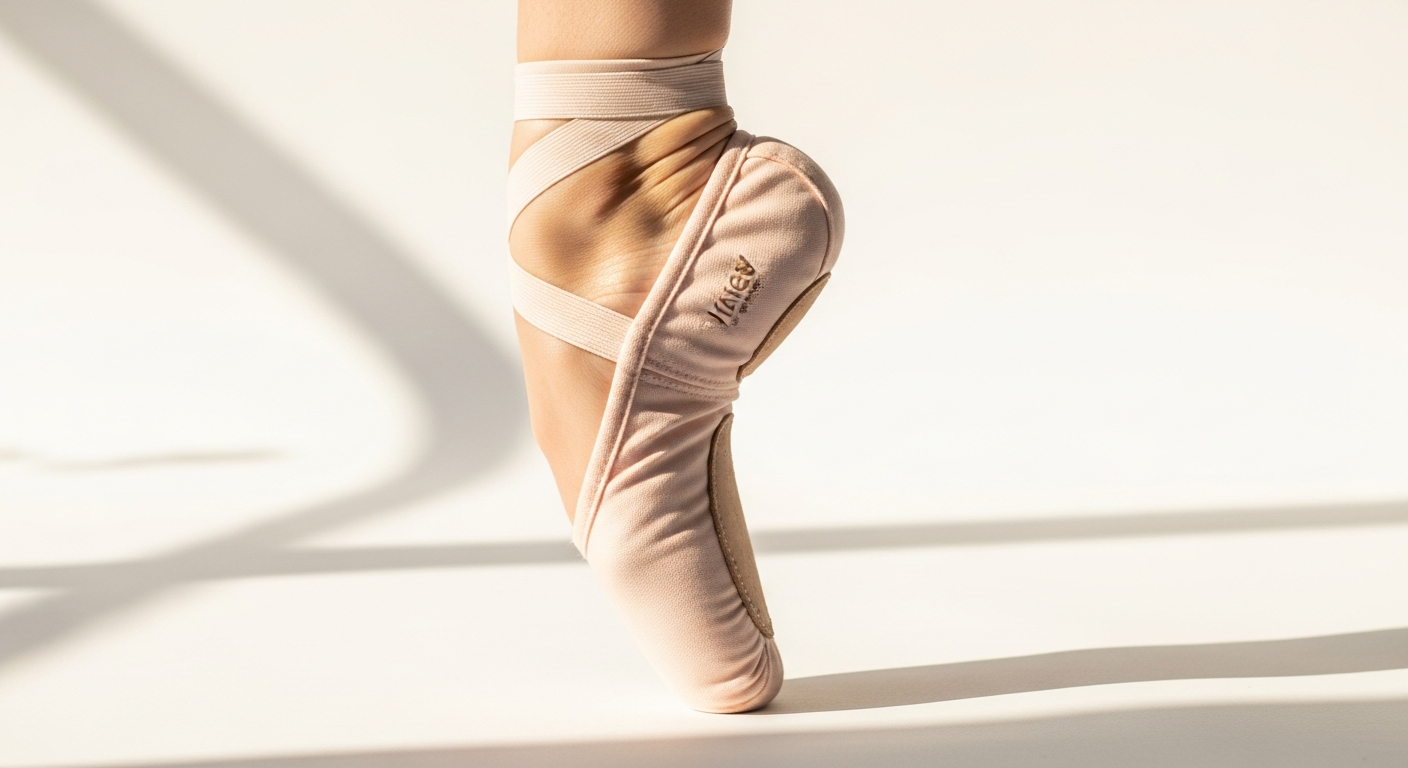
Discover how Dansez-Vous Vanie Stretch Canvas Ballet Slippers deliver exceptional comfort and flexibility for all foot types. Learn sizing tips, features, and why dancers trust this best-selling ballet shoe.
Over 60% of ballet dancers struggle to find slippers that don't pinch, slip, or compromise their technique—yet the right shoe can completely transform your practice experience. The search for that perfect fit often feels endless, with countless pairs failing to deliver on basic promises of comfort and support.
The Dansez-Vous Vanie Stretch Canvas Ballet Slippers have earned their reputation as a consistent best-seller because they're engineered with thick, elastic canvas that naturally molds to your foot's unique contours, paired with a split suede sole that promotes genuine articulation. These aren't marketing claims—they're technical realities backed by years of dancer feedback and studio performance data.
Discover the Vanie slippers that dancers trust for exceptional comfort and flexibility.
The Anatomy of Comfort: What Makes Vanie Slippers Different
The foundation of the Vanie's success lies in its construction philosophy. Rather than forcing your foot to adapt to rigid shoe architecture, the stretch canvas construction adapts to your foot's contours. This fundamental difference shapes the entire wearing experience.
The elasticated contour design eliminates pressure points and gapping without relying on drawstrings. Many dancers find drawstring systems frustrating—they slip, create visible bunching, and require constant adjustment during class. The Vanie's integrated elastication solves this problem by maintaining consistent pressure across the entire foot.
Central inserts provide integrated support while maintaining the shoe's essential softness. This balance matters tremendously. You need support for technique, but excessive rigidity prevents the natural articulation that defines beautiful ballet movement.
The split suede sole deserves particular attention. This isn't a minor detail—it fundamentally changes how your foot responds during movement. The suede splits naturally as you point and flex, promoting smooth transitions between positions rather than forcing your foot into predetermined bend points. Two-way stretch technology completes the picture, allowing unrestricted movement in all directions.
The cumulative effect? Dancers consistently report that the Vanie feels like an extension of their foot, not a separate object strapped to their ankle.
Sizing Strategy: Getting the Right Fit on Your First Order
Vanie slippers run small. This isn't a design flaw—it's a consistent characteristic that requires strategic planning. Order one size larger than your street shoe size, and you'll typically land in the correct ballet shoe size.
Accurate foot measurement remains your best tool. Measure your foot length in the evening when your feet are slightly swollen from daily activity. Stand on a flat surface, place a ruler against your heel and extend it to your longest toe. This measurement, converted to your region's sizing standard, provides the foundation for correct ordering.
The Vanie L model exists specifically for dancers with wider feet. Standard ballet slippers often fail these dancers, creating pressure across the midfoot that impacts both comfort and technique. The Vanie L maintains all core technical features—the split suede sole, elasticated design, and stretch canvas—while accommodating broader foot structures. Pricing sits around €16.60, offering excellent value for a specialized fit.
Test fit your slippers during their first wear without damaging the shoe for proper evaluation. The canvas typically takes one to two weeks to fully mold to your foot. Initial tightness often resolves naturally as the material settles. Return and exchange policies with most retailers provide flexibility if your initial size doesn't align with your foot's needs.
The Vanie L Advantage: Designed for Wider Feet
Standard ballet slippers create genuine hardship for dancers with wider feet. Pressure across the arch, numbness in the midfoot, and visible discomfort during class shouldn't be accepted as normal. These issues directly compromise technique and discourage dancers from pursuing their passion.
Find your perfect fit with the Vanie L model, specially designed for wider feet.
The Vanie L maintains structural integrity while accommodating broader feet. The elasticated design still wraps securely, the split suede sole still promotes articulation, and the stretch canvas still molds naturally. The difference lies in width distribution—the shoe doesn't squeeze lateral sections of your foot, allowing full circulation and comfortable pressure distribution.
Dancers who transition to Vanie L after struggling with standard sizes report finding their perfect slipper match. What was previously uncomfortable suddenly feels secure and supportive. This transformation matters—comfort directly influences how long dancers can maintain focus during demanding classes.
Color Selection & Aesthetic Appeal
The classic palette includes White, Black, Ballet Pink, and Dansez Vous Pink across all sizes. Color selection involves more than personal preference—it affects visual appearance and practical durability.
Different colors influence how your foot and leg appear during performance. White tends to elongate the line, making legs appear longer and more elegant. Ballet Pink creates a seamless extension of skin tone, which many classical dancers prefer. Black offers dramatic contrast and works well for contemporary and jazz styles. Dansez Vous Pink sits between traditional Ballet Pink and a deeper rose tone.
Certain colors show wear faster depending on studio flooring and usage patterns. White slippers on dusty floors accumulate visible discoloration quickly, while darker colors mask wear more effectively. Consider your studio environment when making this choice.
White and Ballet Pink tend to sell out fastest due to their enduring popularity in classical ballet training. If color choice matters for your classes or performances, ordering early prevents disappointment.
Performance Across Dance Styles
The Vanie excels in classical ballet technique from barre work to center combinations. The enhanced flexibility supports the grounded, fluid movement patterns essential to traditional technique. The split suede sole responds beautifully to precise footwork, allowing dancers to articulate through each position without resistance.
This versatility extends beyond classical training. Contemporary dancers appreciate the flexibility that supports flowing, grounded movement patterns. Jazz and hybrid styles benefit from the shoe's responsiveness. Dancers training across multiple genres trust the Vanie for consistent performance regardless of the class focus.
Both beginner and advanced dancers report reliable performance. Beginners value the security and support that builds confidence during initial technique learning. Advanced dancers appreciate how well the shoe responds to nuanced articulation and complex combinations.
Slippers maintain performance consistency across different environments. Studio classes and solo rehearsal sessions both showcase the Vanie's reliability. During high-volume practice weeks—when dancers attend multiple classes daily—the shoes demonstrate consistent durability and support retention.
Durability & Maintenance: Making Your Investment Last
Canvas typically maintains shape and support for several months of regular use. Unlike leather that can become overly soft and lose structure, quality canvas holds its form while remaining flexible. The thick, elastic material resists premature breakdown even with consistent wear.
Canvas may wear faster on rough surfaces like concrete or unfinished wood, but excels in traditional studio environments with sprung floors. This distinction matters when evaluating longevity expectations.
Proper care extends slipper lifespan significantly. Gentle cleaning with a soft brush removes dust and grime. Air drying preserves material integrity—never use heat sources. Appropriate storage in a cool, dry location prevents mold and material degradation.
The suede sole can sometimes be re-glued or replaced when worn through, extending the shoe's useful life beyond typical expectations. Replace slippers when elastication loses its grip or the sole becomes too thin for safe dancing.
The price-to-lifespan ratio offers excellent value compared to premium ballet shoe brands. You're not paying inflated prices for brand names—you're investing in functional design that delivers measurable performance.
The Price-to-Value Equation
Adult sizing costs range from €14.90 to €18.40 for standard Vanie slippers, depending on color and retailer. The Vanie L wider model costs approximately €16.60 for specialized fit, while the Junior version available at approximately €15.64 serves younger dancers.
This budget-friendly positioning delivers premium comfort features at accessible price points. Dancers choose Vanie over cheaper alternatives that sacrifice comfort and flexibility. The gap between entry-level slippers and the Vanie isn't enormous in cost, yet the performance difference is substantial.
Authorized retailers and seasonal sales provide opportunities for cost savings. Building a collection—multiple pairs for rotation during intensive training—becomes financially realistic at these price points.
What Dancers Are Actually Saying: Real Reviews & Feedback
Dancers praise the second skin fit that feels like an extension of their foot rather than a foreign object. This feedback appears consistently across reviews from dancers with varying experience levels.
Many report that the Vanie solved chronic discomfort, gapping, and fit issues from other shoes. These aren't minor adjustments—dancers describe transformative experiences where previous frustrations simply disappear.
Beginner dancers feel supported and secure in their first ballet classes, building confidence as they develop foundational technique. Experienced dancers across skill levels recommend the Vanie to peers and students without hesitation.
Some dancers note that canvas offers less ankle support than more rigid shoe styles. This matters for dancers with specific stability needs, though many find the trade-off worthwhile for the flexibility benefits.
High repeat purchase rates demonstrate dancer satisfaction and brand loyalty. When dancers replace their worn slippers, they typically return to the same model rather than experimenting with alternatives.
Potential Limitations & How to Navigate Them
Canvas slippers naturally offer less structured ankle support than rigid shoes. If you experience chronic ankle instability or have specific medical conditions requiring maximum support, this matters. Consider alternative shoes designed for stabilization if support is your primary concern.
Canvas wears faster on rough surfaces, so studio flooring impacts longevity. Dancers using unfinished or concrete floors should expect shorter slipper lifespans than those in traditional sprung-floor studios.
Dancers with high arches or flat feet should test fit before committing to full purchase. While the stretch canvas adapts well to most foot types, extreme arch variations sometimes benefit from specialized shoes.
The initial break-in period may cause minor discomfort before the shoe molds to your foot. This typically resolves within one to two weeks as the material settles and adapts. Canvas also absorbs moisture more readily than synthetic alternatives in humid conditions, which matters for dancers in hot climates or humid studios.
Making Your Purchase Decision
Assess your comfort needs honestly and compare them to your current slipper performance. Are you experiencing specific issues—pinching, gapping, inadequate flex? Or are you exploring an upgrade to improve good-but-not-perfect fit?
Evaluate whether an upgrade makes sense based on current fit issues or wear patterns. If your existing slippers still perform adequately, your purchase can wait. If discomfort impacts your training or technique, ordering now makes sense.
Use the sizing checklist to ensure you order the correct size and model. Measure your foot accurately, remember to size up, and consider whether you need the standard or wider Vanie L model.
First-time Vanie buyers should follow step-by-step guidance for confident ordering. Purchase multiple pairs strategically during intensive training periods when you'll wear through slippers faster. Build a well-rounded dance footwear collection with Vanie slippers as the foundation.
Your Path to the Perfect Ballet Slipper
The Dansez-Vous Vanie Stretch Canvas Ballet Slippers aren't just another option—they're a deliberate choice made by thousands of dancers who refuse to compromise between comfort, flexibility, and affordability. From the moment you slip them on, you'll feel the difference that thoughtful engineering makes. The stretch canvas molds to your foot, the split suede sole responds to every articulation, and the elasticated design keeps everything secure without restriction. Whether you have standard feet or need the wider Vanie L model, these slippers deliver consistent performance.
Order your Dansez-Vous Vanie slippers today and transform your dance experience.