
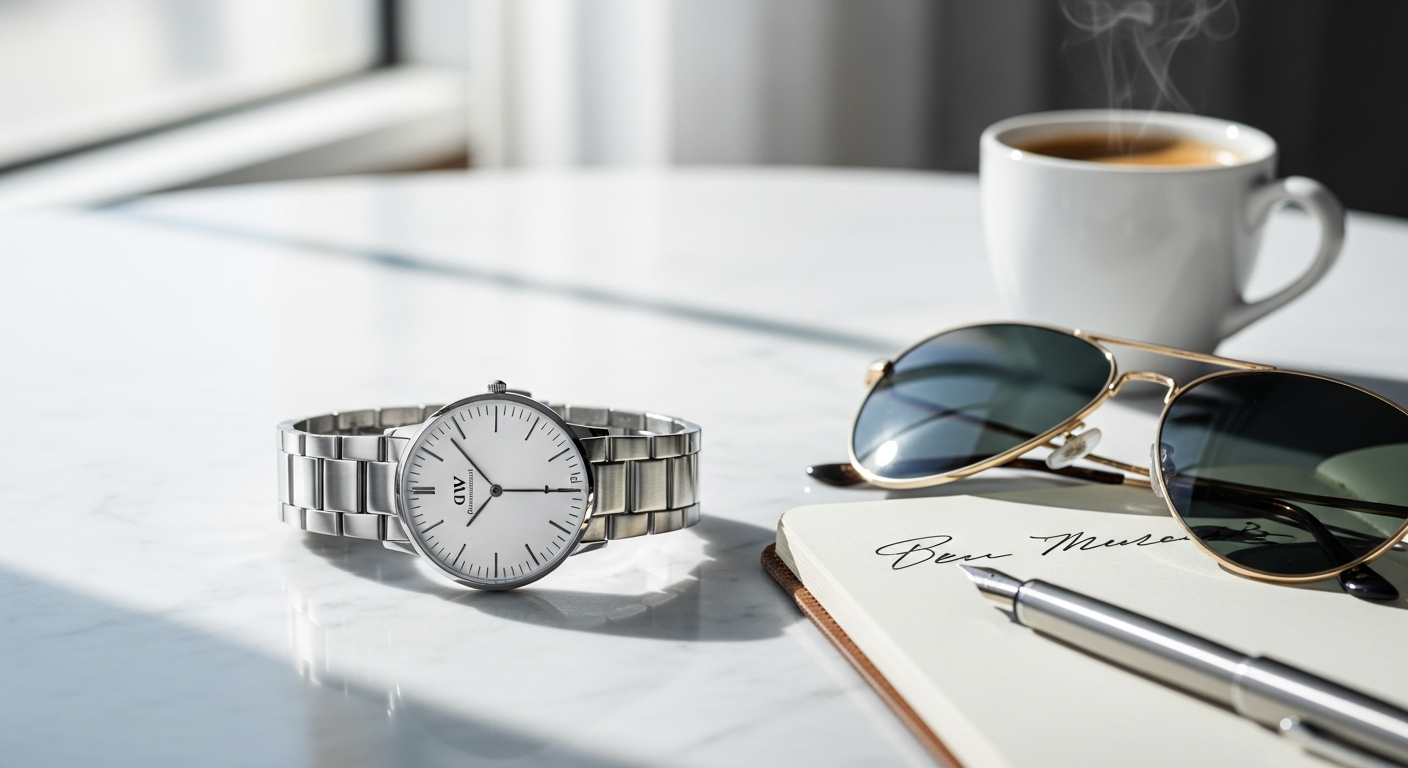
Discover why the Daniel Wellington Iconic Link Watch dominates wrists worldwide. Explore its luxurious steel bracelet, design evolution, specifications, and whether this $200-400 timepiece deserves your investment.
Over 50% of luxury watch buyers under 35 prioritize versatile, everyday-wearable timepieces over high-end complications. The Daniel Wellington Iconic Link watch has quietly become the metal bracelet collection that sparked a category shift for an entire brand—moving them from minimalist leather straps to sophisticated steel engineering. For years, Daniel Wellington built its reputation on slim, interchangeable leather bands and understated elegance. The Iconic Link represents a bold departure: a permanent metal bracelet watch that combines accessible pricing with the tactile luxury of solid stainless steel.
This shift matters because it signals how contemporary watch brands are redefining affordable luxury for a generation that wants substance without the five-figure price tag. The Iconic Link isn’t just another addition to the catalog—it’s a strategic repositioning that reflects real changes in how younger buyers think about watch ownership. They’re willing to invest in quality materials and design, but within realistic budgets and with genuine wearability in mind.
I’m breaking down what makes the Iconic Link genuinely different—from its sculptural three-piece bracelet engineering to the real trade-offs you’ll encounter. You’ll learn the technical specs, see how it compares to Daniel Wellington’s earlier designs, understand the pricing strategy, and get honest insights on whether this watch justifies the hype or falls short of expectations. Explore the full Daniel Wellington Iconic Link collection today.
The Design Revolution Behind the Iconic Link’s Steel Bracelet
The three-piece link construction sits at the heart of what makes this watch distinctive. Each segment is crafted from solid steel with a tapered form that creates a seamless transition from the watch case directly to the clasp. This isn’t just aesthetic refinement—the tapering affects how the bracelet sits on your wrist and how light plays across the metal surface.
The sculptural raised midpiece lines distinguish the Iconic Link from competitor metal bracelet watches that often opt for flat, uniform designs. Daniel Wellington’s signature twelve-index dial has been redesigned for modern silhouettes, abandoning the ultra-minimalist aesthetic the brand had previously championed. The result is a watch that feels heavier in presence without actually being heavy in hand.
This departure from the brand’s minimalist heritage represents something significant. For over a decade, Daniel Wellington was synonymous with thin leather straps and near-invisible watch cases. The Iconic Link challenges that identity entirely. It’s the first major bracelet-focused collection, signaling confidence that the brand can expand beyond its founding principles without losing its core appeal.
The visual balance between boldness and understated elegance is carefully calibrated. The watch commands attention on the wrist, but it doesn’t shout. The proportions work because the case diameter remains reasonably compact even when paired with the substantial bracelet. Metal gives it weight; design restraint keeps it from feeling ostentatious.
Materials, Finishes & What You’re Actually Getting
The solid 316L stainless steel construction matters more than you might initially think. Medical-grade steel offers durability that resists corrosion and maintains its finish longer than lower-grade alternatives. This isn’t marketing language—316L is genuinely better steel.
Three finish options are available: polished silver, rose gold plating, and gold. The polished silver offers the most versatile everyday aesthetic. Rose gold plating adds warmth and contemporary appeal, though long-term durability of the plating warrants consideration. Gold finishes provide a more luxurious appearance, though with similar longevity questions as rose gold.
Bracelet adjustability spans from 130mm to 204mm, accommodating most standard wrist sizes without requiring extreme adjustments. Case size variety includes 28mm, 32mm, and 36mm options, allowing different wrist proportions to find an appropriate fit. The smaller 28mm skews toward delicate wrists or those preferring minimalist proportions; the 36mm serves those wanting a more commanding presence.
Dial colors come in two classic options: black or sophisticated eggshell white. Both work across different outfits and lighting conditions. Strap width specifications of 14mm or 18mm correspond to case size, maintaining visual balance between case and bracelet proportions.
The non-interchangeable design represents the most significant departure from Daniel Wellington’s earlier collections. The permanent metal bracelet removes the customization flexibility that made the brand famous. You’re buying a complete package, not a modular system. Check current Daniel Wellington Iconic Link prices and availability.
Technical Performance & Daily Wearability
Japanese Quartz Movement provides reliable timekeeping without requiring regular winding or maintenance. This isn’t cutting-edge horological technology, but it’s proven and dependable for everyday wear.
Water resistance rating of 3 ATM (approximately 30 meters) makes the watch suitable for rain and splashes but not submersion. You can wash your hands wearing it without concern. Swimming, snorkeling, or water sports are off-limits. This limitation matters if your lifestyle involves water exposure beyond incidental contact.
Lightweight construction despite solid steel composition is a genuine strength. The watch doesn’t feel substantial until you’re already wearing it, then the balanced weight becomes comfortable rather than burdensome. All-day wear happens without fatigue—the clasp doesn’t dig, the bracelet doesn’t feel restrictive, and the case doesn’t create wrist fatigue.
Everyday durability suits both professional and casual environments. The polished steel resists scratching reasonably well without requiring obsessive care. This is a watch you can actually wear, not one you’ll baby out of fear of damage. Battery life expectations with quartz movement typically run 2-3 years before requiring replacement at a jeweler or watch service center.
The Price-to-Quality Debate: Is $200-400 Fair?
Market positioning between affordable and luxury segments creates the entire value conversation. At $200, you’re in accessible territory where the watch becomes impulse-adjacent. At $400, you’re approaching territories where serious watch enthusiasts expect mechanical movements or higher water resistance.
Price variation across models, sizes, and retailers creates shopping complexity. Rose gold and gold finishes command premiums over silver. Larger case sizes may cost slightly more than compact options. Understanding what’s driving price differences helps identify whether you’re getting fair value or paying for aesthetic preferences.
Comparison to competitor metal bracelet watches reveals the Iconic Link sits in middle ground. Fashion-forward brands offer similar aesthetics at lower prices; established watch brands offer better technical specs at comparable or slightly higher prices. You’re essentially paying for Daniel Wellington’s design and social positioning rather than superior mechanics.
Cost of professional bracelet adjustments often requires watchmaker visits, introducing friction and expense that didn’t exist with interchangeable leather straps. A single adjustment might cost $20-50 depending on location. Over ownership, multiple adjustments could accumulate.
Brand reputation versus production methods creates legitimate tension. Daniel Wellington watches achieve widespread recognition through effective influencer marketing and social media presence. Yet mass manufacturing in China leads some enthusiasts to question whether pricing reflects quality or brand cachet. This debate has no objective answer—it depends on how you weigh brand value.
Resale value and depreciation considerations matter if you see watches as investments. The Iconic Link, like most fashion-forward watches, doesn’t hold value like mechanical timepieces from established horological brands. Expect to recoup 40-60% of purchase price at resale.
Hidden costs extend beyond purchase price. Professional sizing adjustments, potential bracelet polishing or refinishing after years of wear, and occasional battery replacements add incremental expense over the watch’s lifetime.
What Makes the Iconic Link Stand Out (Real Strengths)
Timeless design transcends seasonal trends without feeling dated or derivative. The sculptural details won’t look quaint in five years—they’re proportioned for longevity. Watch design is often cyclical; the Iconic Link sits in a sweet spot that avoids both overly trendy and completely safe aesthetics.
Versatility across professional, casual, and formal settings is genuine. Silver finish works in boardrooms and coffee shops equally well. Rose gold adds warmth for casual contexts without clashing with business dress. This adaptability means the watch functions as your primary timepiece rather than a special-occasion piece.
Luxurious metal finish elevates everyday style in tangible ways. The weight and solid construction create a presence that leather straps simply can’t replicate. You feel the quality when you clasp it.
Comfortable all-day wearability without compromise distinguishes it from watches with aggressive design language or uncomfortable clasps. The bracelet sits smoothly; the clasp doesn’t pinch; the overall proportions work across different arm sizes without requiring extensive adjustment.
Strong social proof through influencer adoption and brand visibility creates genuine momentum. People notice the watch, often recognizing it immediately. For some buyers, this social recognition represents actual value.
Accessible entry point to metal bracelet watch ownership matters for those previously limited to leather strap designs. The Iconic Link democratizes metal bracelet ownership without requiring luxury brand prices.
Consistent compliment-generating aesthetic speaks to broad appeal. The watch generates positive responses because it genuinely looks considered and well-proportioned, not because it’s visibly expensive.
The Honest Trade-Offs You Should Know About
Non-interchangeable bracelet limits personalization options entirely. You cannot swap to leather for warmer months or different occasions. The metal bracelet is permanent, which appeals to some buyers seeking simplicity and concerns others who valued Daniel Wellington’s modular approach.
Professional adjustment requirement creates friction and added cost. Unlike leather strap watches where you adjust holes, metal bracelets require link removal. This process demands tools or professional service, introducing inconvenience and expense.
Criticism of overpricing relative to production quality persists among watch enthusiasts. Some argue that mass manufacturing and quartz movement don’t justify $200-400 price points compared to mechanical watches from established brands at similar prices.
Mass manufacturing concerns for those seeking artisanal craftsmanship represent legitimate philosophical differences. If you value handcrafted production, the Iconic Link won’t satisfy that preference.
Water resistance limitations exclude active lifestyles. Runners, swimmers, or water sports enthusiasts need different watches.
Limited dial color options—only black or eggshell white—reduce aesthetic flexibility. Some buyers want additional choices.
No strap-swapping capability removes the original appeal that built Daniel Wellington’s reputation. This represents a fundamental philosophical shift away from the brand’s founding principle.
Potential durability questions on rose gold and gold plating longevity concern long-term ownership prospects. Plating can wear or flake over time, potentially requiring refinishing that adds cost beyond the initial purchase.
Should You Join the Iconic Link Movement?
The Daniel Wellington Iconic Link watch occupies a fascinating space in the contemporary watch market. It’s genuinely beautiful, undeniably versatile, and accessible enough for first-time metal bracelet buyers—yet it carries legitimate criticisms about pricing, customization limitations, and production methods that deserve consideration.
The Iconic Link excels for professionals and fashion-forward buyers who prioritize aesthetics, wearability, and social recognition over mechanical complexity or investment potential. The solid steel construction, thoughtful design proportions, and three-finish options create a watch that genuinely works across multiple contexts. The brand’s strong social media presence and influencer marketing have made it a statement piece that resonates with buyers seeking contemporary style within realistic budgets.
If you’re seeking deeper horological value, superior water resistance, or maximum customization, better options exist at similar price points. Mechanical watches from established brands offer superior technical specifications; fashion watches from other brands provide similar aesthetics at lower costs.
The $200-400 investment makes sense if you value the complete package—design, comfort, brand prestige, and everyday reliability. It makes less sense if you’re comparing pure specifications to watches with mechanical movements or higher water resistance ratings. The non-interchangeable bracelet is a dealbreaker for some; for others, it’s irrelevant.
Try one on. Feel the weight, test the clasp, and honestly assess whether the design resonates with your personal style. The Iconic Link’s popularity isn’t pure marketing hype—it’s built on genuine wearability and aesthetic appeal. Enter the purchase with clear eyes about what you’re getting: a stylish, comfortable daily watch, not a mechanical investment piece.
That clarity transforms the Iconic Link from an impulse buy into a genuinely satisfying choice. Discover your perfect Daniel Wellington Iconic Link watch now.