
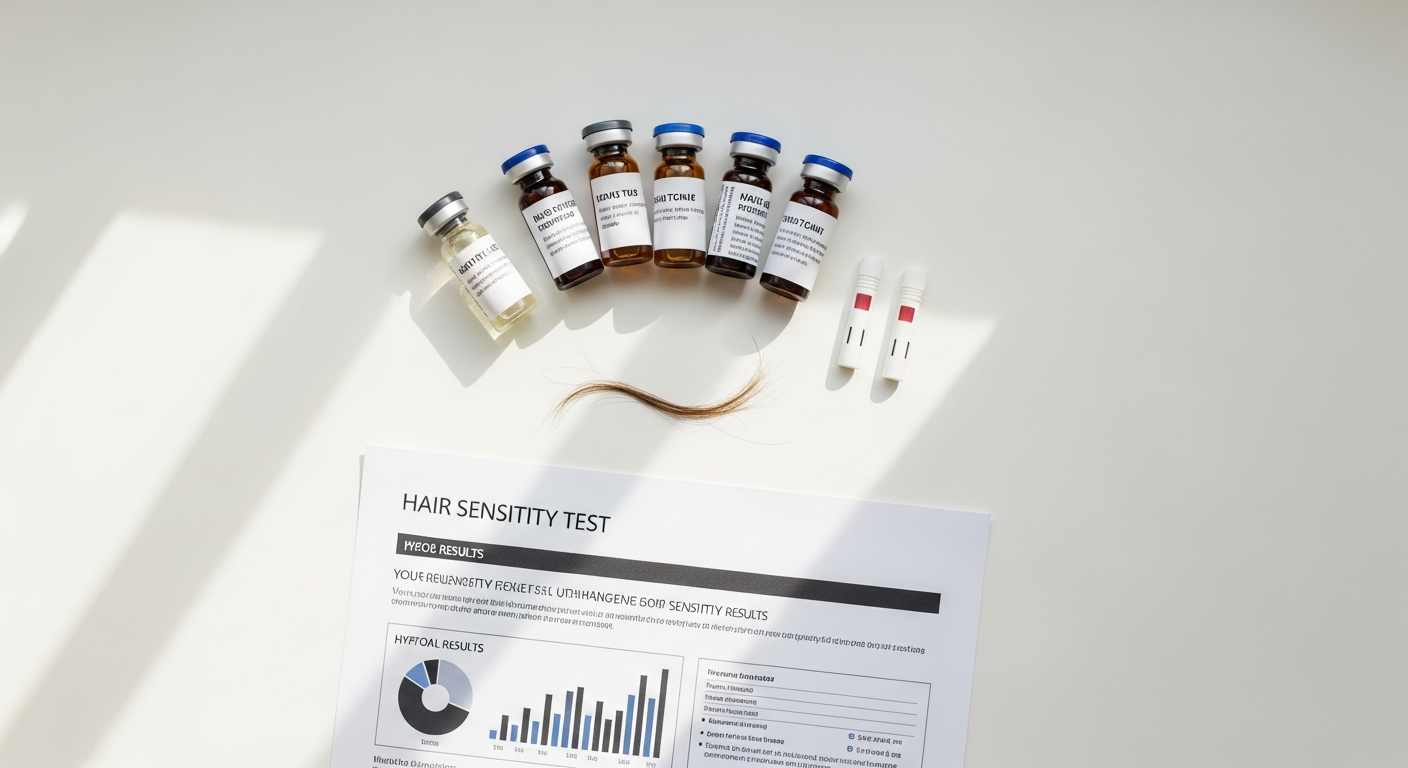
Discover how hair analysis food sensitivity testing works. Learn about the Complete Food Sensitivity Test’s 990-item screening, bioresonance technology, and whether it reveals hidden food sensitivities.
Roughly 20% of Americans report experiencing food sensitivities, yet most never identify the culprits causing their bloating, fatigue, or skin flare-ups. You might have tried everything—cutting out common triggers, visiting specialists, enduring expensive tests—only to walk away with more questions than answers. The problem is that traditional allergy testing misses these sensitivities entirely, leaving you stuck in a cycle of guesswork.
The Complete Food Sensitivity Test from Check My Body Health uses bioresonance technology to analyze your hair and detect imbalances across nearly 1,000 food and environmental items. This approach offers something different: comprehensive screening without blood draws, office visits, or weeks of waiting. This guide breaks down exactly how this hair analysis test works, what makes it different from conventional allergy testing, and whether the results actually help you feel better. Discover how the Complete Food Sensitivity Test can identify your hidden triggers in just a few simple steps.
The testing landscape has shifted dramatically over the past decade. Where once only blood-based allergy tests dominated, complementary medicine now offers multiple pathways to understanding how your body reacts to foods and environmental factors. Understanding these distinctions matters because your approach to testing should match your actual health goals—whether that's confirming a suspected allergy, exploring chronic symptoms, or optimizing your diet.
What Is Bioresonance Hair Analysis Testing?
Bioresonance technology operates on a principle fundamentally different from conventional allergy testing. Rather than measuring immune markers like IgE antibodies in your blood, bioresonance devices are designed to detect electromagnetic frequencies and imbalances within your body through analysis of a hair sample. The theory suggests that every substance—food, metal, chemical—emits a unique frequency that can be measured and compared against your body's baseline patterns.
Definition and Mechanism
Bioresonance differs sharply from traditional allergy testing in both methodology and underlying assumptions. Standard allergy tests measure your immune system's response—specifically, antibodies produced when your body encounters a trigger. Bioresonance, by contrast, claims to measure energetic imbalances without directly assessing immune function. This distinction explains why bioresonance can detect "sensitivities" in people who show no immune reaction on conventional tests.
How Hair Analysis Works
Hair samples contain biomarkers—physical and chemical traces—that practitioners believe reflect your body's overall state. The Complete Food Sensitivity Test uses your hair as a window into these patterns. You mail a small sample to the lab, where bioresonance technology analyzes it against a database of 990+ substances. The device measures imbalances associated with each item and generates a sensitivity profile.
Why Bioresonance Gained Traction
Complementary and functional medicine practitioners embraced bioresonance because it offered a non-invasive, comprehensive screening tool. Unlike elimination diets (which can take weeks) or blood tests (which can feel invasive), hair analysis felt accessible and thorough. People frustrated with conventional medicine's limitations found appeal in a method that acknowledged sensitivities beyond classical IgE allergies. The technology gained particular momentum among those exploring functional approaches to chronic conditions.
Sensitivities Versus Allergies: A Critical Distinction
This test detects sensitivities, not allergies. A true food allergy triggers an immune response—sometimes severe enough to cause anaphylaxis. A sensitivity is broader and vaguer: your body reacts unfavorably to a substance, but not necessarily through the immune mechanisms that define allergies. This distinction matters because your doctor won't recognize a sensitivity result as a clinical allergy diagnosis. However, for your daily quality of life, a sensitivity can matter just as much.
Scientific Acceptance and Current Evidence
Mainstream medical organizations have not validated bioresonance as a diagnostic tool. The American Academy of Allergy, Asthma & Immunology, the FDA, and most conventional medical bodies classify bioresonance as unproven. That doesn't mean practitioners don't use it or that patients don't report benefits—it means clinical evidence remains limited. Some studies suggest placebo effects, while others show modest correlations with symptoms, but rigorous, large-scale validation remains absent.
Despite this scientific skepticism, many functional medicine practitioners and naturopaths continue offering bioresonance testing. They argue that waiting for conventional validation shouldn't prevent exploration of potentially helpful tools, particularly when the financial and physical risk is low.
The Complete Food Sensitivity Test's Scope: What Gets Tested?
The breadth of this test sets it apart from standard allergy panels. Rather than testing 10–20 common allergens, the Complete Food Sensitivity Test screens nearly 1,000 items across eight categories.
What's Included in the 990+ Item Panel
Food & Drink: Your report covers everything from common grains and proteins to specific additives and flavorings. Rather than just "wheat," the test might identify reactions to different wheat varieties, gluten specifically, or preservatives often found in wheat products.
Environmental Sensitivities: Pollen, dust mites, mold spores, and pet dander appear alongside household chemicals and common irritants. This allows users to understand environmental triggers contributing to symptoms.
Metals and Minerals: Heavy metals like lead, mercury, and cadmium get screened, along with mineral imbalances (iron, zinc, magnesium, etc.). This subset interests people concerned about toxin exposure or nutritional deficiencies.
Vitamins: The test identifies potential deficiencies in key vitamins, helping you understand whether supplementation might benefit your health.
Additives: Food colorings, preservatives, sweeteners, and flavor enhancers—substances often overlooked in simple allergy tests—get evaluated.
Gut Health and Digestion: Markers related to digestive function and gut flora health appear in this category, connecting your sensitivities to underlying digestive processes.
The comprehensive scope appeals to people seeking a complete picture rather than fragmented information from multiple specialists.
How This Compares to Standard Allergy Panels
Traditional allergy testing typically screens 20–50 items—usually common allergens like peanuts, shellfish, tree nuts, eggs, and milk. Bioresonance panels cast a far wider net. For someone with symptoms not explained by the standard panel, this breadth can feel revelatory. However, the trade-off is that more items tested increases the chance of false positives or over-identification of minor sensitivities.
The At-Home Testing Process: From Sample to Results
One major draw of the Complete Food Sensitivity Test is its simplicity. The entire process happens at home without appointments or invasive procedures.
Ordering and Initial Steps
You purchase the test online at Check My Body Health's website. The order includes submission forms, instructions for sample collection, and guidance on mailing your sample. No collection kit arrives—you'll use your own envelope or small container for the hair sample.
Hair Sample Collection
Take approximately 5–10 strands of hair directly from your scalp (the lab needs hair with roots attached). Cut the sample about 1–2 inches from the scalp and place it in a clean envelope. The process takes less than a minute. No special preparation or fasting is required—you can collect your sample anytime that's convenient.
Submission and Mailing
Complete the submission form with basic health information: age, gender, primary health concerns, and any symptoms you're investigating. This context helps the lab interpret your results. Mail your sample and form to the lab's provided address. Most people use standard mail; the sample is durable and doesn't require special handling.
Lab Processing Timeline
Once your sample arrives, the lab typically processes it within 3–5 days. You can track your submission online to know when the lab has received your package. During processing, the bioresonance device analyzes your hair against the 990+ substance database and generates your personalized sensitivity profile.
Receiving and Reviewing Results
Results arrive as a detailed PDF report via email, often within 5–7 days of initial purchase. The report includes your sensitivity ranking across all tested items, color-coded by severity level. You'll also receive an elimination diet guide and food diary template to help you track symptoms as you adjust your diet based on the findings.
Decoding Your Sensitivity Report and Recommendations
Your report arrives organized by category, with substances ranked from highest to lowest sensitivity. Understanding how to read and apply this information determines whether your test becomes truly useful.
How Results Are Presented
The sensitivity report typically uses a color-coding system: red or high sensitivity, yellow or moderate sensitivity, and green or low sensitivity. Items are listed within each category, allowing you to scan quickly for your primary triggers. Some reports include numerical scores that correspond to sensitivity strength, making comparisons easier.
Interpreting Sensitivity Levels
High-sensitivity items warrant immediate attention—these are your primary suspects. Moderate sensitivities may contribute to symptoms but often become relevant only when combined with other triggers. Low sensitivities typically don't warrant elimination, though if you eat these items frequently and suspect they contribute to symptoms, you might note them for observation.
The Elimination Diet Guidance
Your report includes practical advice for removing high-sensitivity items from your diet. The guidance typically suggests eliminating top triggers for 2–4 weeks, then monitoring how you feel. This structured approach helps isolate whether specific foods actually cause your symptoms or whether the result reflects a false positive.
Food Diary Template and Symptom Tracking
The included food diary prompts you to record what you eat, how much, and any symptoms that occur—bloating, energy dips, skin reactions, mood changes. This correlation between food and symptoms provides the real confirmation that a sensitivity is meaningful to your health.
Understanding Personalization and Generic Recommendations
Some users note that recommendations feel general rather than personalized. The report tells you what to eliminate but doesn't always address how to structure your remaining diet, suggest specific recipes, or account for your food preferences and cultural background. This limitation matters if you were hoping for dietitian-level customization rather than a starting point for exploration.
Real-World Applications: Who Benefits Most from This Test?
The Complete Food Sensitivity Test serves different purposes depending on your health situation. Certain people find it transformative; others see minimal change.
Chronic Digestive Issues and IBS
People struggling with irritable bowel syndrome, bloating, constipation, or unpredictable digestive episodes often find this test helpful. IBS symptoms frequently link to food sensitivities, yet identifying triggers can take months or years through elimination diets alone. The test narrows possibilities, making exploration faster.
Mysterious Skin Conditions
Eczema, acne, rosacea, and other inflammatory skin conditions sometimes stem from food sensitivities rather than external factors. People who've tried topical treatments without success frequently discover that eliminating certain foods improves their skin within weeks. This test helps identify dietary culprits when skin flare-ups seem random.
Persistent Fatigue and Energy Crashes
Unexplained exhaustion—the kind that doesn't improve with sleep—often points to foods your body struggles to tolerate. You eat, and suddenly you need a nap. The test can identify items triggering energy dips, allowing you to maintain stable, sustained energy throughout your day.
Headaches and Migraines
Migraines frequently trace back to food triggers. Common suspects include tyramine-containing foods, artificial sweeteners, and processed items, but individual triggers vary widely. Testing can shortcut the months of food journaling typically required to pinpoint migraine culprits.
Athletic Performance and Optimization
Athletes exploring how diet impacts performance sometimes use this test to identify foods that cause inflammation, sluggishness, or digestive distress during training. Eliminating these items can improve energy availability and recovery time.
Pediatric Concerns
Parents investigating behavioral changes, learning difficulties, or developmental concerns in children sometimes explore dietary connections. Food sensitivities can affect concentration, mood, and sleep in ways that feel puzzling without a clear trigger. Testing provides a concrete starting point for dietary experiments.
Autoimmune Conditions
People managing autoimmune conditions often modify their diet as part of their health strategy. This test helps them identify additional foods that might trigger immune activation, complementing broader autoimmune protocols.
Transitioning to Specialized Diets
Those moving toward elimination diets, paleo, low-FODMAP, or other structured eating patterns use this test to guide their transition intelligently rather than cutting out entire food groups blindly.
Pricing, Discounts, and Money-Back Guarantee
Cost considerations often drive testing decisions. The Complete Food Sensitivity Test offers pricing flexibility that makes it accessible to more people.
Standard and Sale Pricing
The test's standard price is $139.99, but Check My Body Health frequently discounts it to $54.99–$95 during promotional periods. Subscribing to their mailing list or shopping during seasonal sales often yields the lower price. The regular discounting suggests the actual cost basis is lower than the standard price, so waiting for a sale makes financial sense if you're flexible on timing.
Money-Back Guarantee
The 100% money-back guarantee removes financial risk. If you order the test, complete it, receive your results, and feel unsatisfied, you can request a refund. This guarantee typically applies within 60–90 days of purchase, though terms vary, so confirm before ordering. The guarantee reflects the company's confidence in the test's value while protecting your investment.
Cost Versus Specialist Visits
A single appointment with a functional medicine doctor or allergist runs $150–$300 and often doesn't include comprehensive testing. Multiple specialist visits easily exceed $500–$1,000. The Complete Food Sensitivity Test, at $54.99–$95 on sale, provides broad testing at a fraction of specialist costs. If the results point you toward targeted dietary changes without requiring paid follow-up consultations, the ROI becomes even stronger.
Value Proposition
The appeal lies in breadth, speed, and cost combined. You're not paying for one blood test or one visit; you're getting results for 990+ items, elimination diet guidance, and a food diary template—all delivered within a week. For someone balancing budget constraints with health curiosity, this pricing tier makes experimentation viable.
Strengths That Make This Test America's #1 Rated Option
Check My Body Health markets the Complete Food Sensitivity Test as the "#1 Rated Food Sensitivity Test in the US" by Verywell Health. Several concrete strengths support this positioning.
Convenience and Accessibility
No blood draws, no office visits, no schedules coordinated with clinic hours—you collect your sample at home, mail it, and wait for results. This accessibility appeals to busy professionals, parents with packed schedules, and anyone who finds clinic visits stressful.
Speed of Results
Results arrive in 3–5 days from lab receipt, often within 7–10 days total from purchase. Compare this to some specialized testing that takes weeks or requires multiple follow-up appointments. The speed allows you to start dietary experiments quickly.
Comprehensive Scope
990+ items tested across eight categories offers breadth that standard allergy panels don't touch. This comprehensiveness appeals to people with complex, multi-category reactions or those seeking a holistic health picture.
Clear Report Formatting
The sensitivity report uses color-coding and categorical organization that even without medical training, you can understand. You don't need a specialist to interpret your results; the information is accessible.
Practical Guidance Included
Elimination diet instructions and a food diary template come with your results. You're not left wondering what to do next; the test provider offers immediate, actionable guidance.
No Invasive Procedures
A hair sample feels less invasive and less stressful than blood draws, particularly for people anxious about needles or medical settings. This comfort factor shouldn't be underestimated—it increases actual testing completion rates.
Trusted Brand Recognition
The Verywell Health ranking and repeat customer base signal reliability. People aren't just trying this once; many reorder or recommend it to friends, suggesting satisfaction despite the test's limitations.
Important Limitations and Honest Considerations
Enthusiasm for this test shouldn't obscure important caveats. Understanding these limitations prevents disappointment and misuse.
Bioresonance Lacks Scientific Validation
Mainstream medicine doesn't recognize bioresonance as a validated diagnostic method. The FDA hasn't approved bioresonance devices for medical diagnosis. Major medical organizations haven't endorsed the technology. This gap between popular use and scientific validation is significant.
Medical Professional Skepticism
Bring your bioresonance results to a conventional doctor, and you may face skepticism. Your physician might discount the findings, refuse to integrate them into your treatment plan, or question the test's legitimacy. This professional disagreement creates tension if you're seeking a comprehensive medical picture.
Personalized Recommendations Can Feel Generic
While the test results are detailed, the recommendations sometimes lack personalization. You get a list of foods to avoid but not specific meal plans tailored to your preferences, allergies, or cultural background. If you were hoping for dietitian-level customization, you might feel underwhelmed.
No Collection Kit Provided
The test doesn't include a collection kit. You provide your own envelope and mailing materials. This increases convenience slightly (no waiting for kit delivery) but requires self-sufficiency in sample collection and mailing.
Results Don't Diagnose Allergies
Critical distinction: this test identifies sensitivities, not allergies. If you have a true peanut allergy that could cause anaphylaxis, this test doesn't confirm or rule out that risk. Never rely on bioresonance results to determine whether a food is genuinely dangerous for you—work with allergists for that determination.
Follow-Up Support Is Limited
After you receive your report, follow-up consultation or support is minimal. You're largely on your own to interpret findings and adjust your diet. If you struggle with elimination diets or need guidance navigating your results, you'll likely need to hire a separate nutritionist or dietitian.
Potential for False Positives
Testing 990+ items increases the statistical likelihood of false positives. Some items flagged as high sensitivity might not actually trigger reactions in your body. Over-elimination of foods based on overly cautious interpretation can lead to unnecessarily restricted diets.
How Hair Analysis Compares to Other Sensitivity Testing Methods
Several testing approaches exist beyond bioresonance hair analysis. Understanding how they compare helps you choose the right tool for your situation.
Hair Analysis Versus Blood-Based IgG Testing
IgG blood tests measure immune antibodies to specific foods—a more conventional approach than bioresonance. IgG testing has stronger research backing than bioresonance, though conventional allergists still debate its clinical utility. IgG tests typically cost $150–$300 and test fewer items than bioresonance panels. Hair analysis is cheaper, faster, and broader but lacks the immune mechanism measured by IgG testing.
Bioresonance Versus Elimination Diet
The gold standard for identifying food sensitivities remains the elimination diet: remove suspects for 2–4 weeks, then reintroduce them while monitoring symptoms. This approach costs nothing and requires no technology, but it demands patience and detailed self-observation. Bioresonance accelerates the process by suggesting which items to eliminate first, potentially saving weeks of trial and error.
Hair Testing Versus Skin Prick Testing for Allergies
Skin prick tests measure immediate allergic reactions (IgE-mediated) by introducing allergen extracts into your skin and observing whether welts form. They're considered the gold standard for true allergies but won't identify sensitivities. These tests happen in allergist offices and provide definitive allergy confirmation. They don't address sensitivities, however—their scope is narrower but their validity for allergies is stronger.
Hair Analysis Versus ALCAT Testing
ALCAT (Antigen Leukocyte Cellular Antibody Test) measures white blood cell responses to foods using blood samples. ALCAT costs roughly $300–$400 and tests fewer items than bioresonance. ALCAT has slightly more research support than bioresonance but costs more and requires blood draws. Both sit outside mainstream medical validation but offer broader screening than IgE allergy tests.
Cost Comparison Across Methods
- Hair bioresonance: $54.99–$139.99
- IgG blood testing: $150–$300
- ALCAT testing: $300–$400
- Skin prick allergy testing: $200–$500
- Elimination diet: Free
Accuracy and Reliability Considerations
No test perfectly captures individual sensitivity without symptom correlation. Even validated tests occasionally produce false results. The most reliable approach combines testing results with careful symptom observation during elimination and reintroduction phases. Hair bioresonance offers the broadest screening at the lowest cost but carries the most scientific skepticism.
When Hair Analysis Makes Sense
Choose hair bioresonance testing if you want comprehensive screening at minimal cost, prefer avoiding blood draws, and view results as a starting point rather than definitive diagnosis. Combine it with professional guidance from a functional medicine practitioner or dietitian to interpret results responsibly.
Making the Most of Your Results: Action Steps After Testing
Receiving your report marks the beginning, not the end, of your exploration. Converting test results into actual health improvements requires strategic action.
Implementing Elimination Safely
Rather than eliminating every high-sensitivity item simultaneously, start with your top 3–5 suspects. Removing too many foods at once makes it harder to identify which items actually matter and risks creating an overly restricted diet. Eliminate for 2–4 weeks before assessing changes.
Working With a Nutrition Professional
If possible, consult a registered dietitian or functional medicine practitioner before making drastic dietary changes. A professional can help you interpret your results, ensure nutritional adequacy during elimination phases, and customize recommendations to your lifestyle. This guidance prevents unnecessary restrictions and maximizes the likelihood of meaningful improvements.
Symptom Tracking During Elimination
Use the provided food diary religiously. Note not just symptoms but energy levels, sleep quality, mood, and skin appearance. Subtle improvements often precede obvious ones. After 2–4 weeks of elimination, review your journal to identify patterns.
Reintroduction Protocols
After your elimination period, reintroduce eliminated items one at a time, every 3–5 days, while continuing to monitor symptoms. This phased reintroduction confirms whether items flagged on the test actually trigger your symptoms or represent false positives. Many people discover that only a few items on their high-sensitivity list truly matter.
Avoiding Over-Elimination
The test's comprehensiveness can encourage over-restriction. Removing every flagged item creates an unsustainably limited diet. Let symptom response guide you; if eliminating something produces no noticeable improvement, consider reintroducing it rather than permanently removing it.
Monitoring Changes Over Time
Track changes across several weeks. Some improvements emerge quickly (energy, digestion), while others develop gradually (skin clarity, joint inflammation). If you've made significant eliminations and feel no better after 4 weeks, you might reconsider your approach or seek professional guidance.
Retesting Considerations
Some people retest after 6–12 months, particularly if they've made significant lifestyle or dietary changes. Repeat testing can confirm whether sensitivities have resolved or shifted. However, retesting isn't necessary unless you want to reassess your baseline.
Integrating With Broader Health Data
Don't view test results in isolation. Consider them alongside blood work results, symptom patterns, stress levels, sleep quality, and medical history. Sensitivities often occur alongside other imbalances—addressing only food triggers while ignoring sleep deprivation or chronic stress may yield minimal improvement.
Should You Order the Complete Food Sensitivity Test? Your Next Steps
The Complete Food Sensitivity Test delivers real convenience and breadth—you get results for nearly 1,000 items without leaving your home, and your report arrives in days. For people frustrated by mystery symptoms or those exploring dietary triggers before investing in specialist visits, the comprehensive scope and accessible process genuinely appeal.
That said, bioresonance technology sits outside mainstream medical validation. Your doctor may raise an eyebrow at the results, and the personalized guidance sometimes feels generic rather than tailored to your unique situation. The test works best as an exploration tool—a starting point for conversations with a functional medicine practitioner or registered dietitian who can help you interpret findings responsibly.
If you're willing to view this as a complementary screening rather than definitive medical diagnosis, and if the $54.99–$95 sale price fits your budget, the 100% money-back guarantee removes financial risk. The decision ultimately hinges on whether you approach the test with realistic expectations: not as a replacement for medical diagnosis, but as a practical first step in understanding how foods and environmental factors influence your body.
Order it, take your hair sample, and use the results to guide thoughtful dietary experiments. Track your symptoms meticulously during elimination phases and reintroduction cycles—your real-world experience will confirm or contradict what the test suggests. Work with a nutrition professional if possible to ensure your dietary changes remain balanced and sustainable. Most importantly, remember that confirmation comes from how you actually feel when you eliminate suspected triggers, not from the test result alone.