
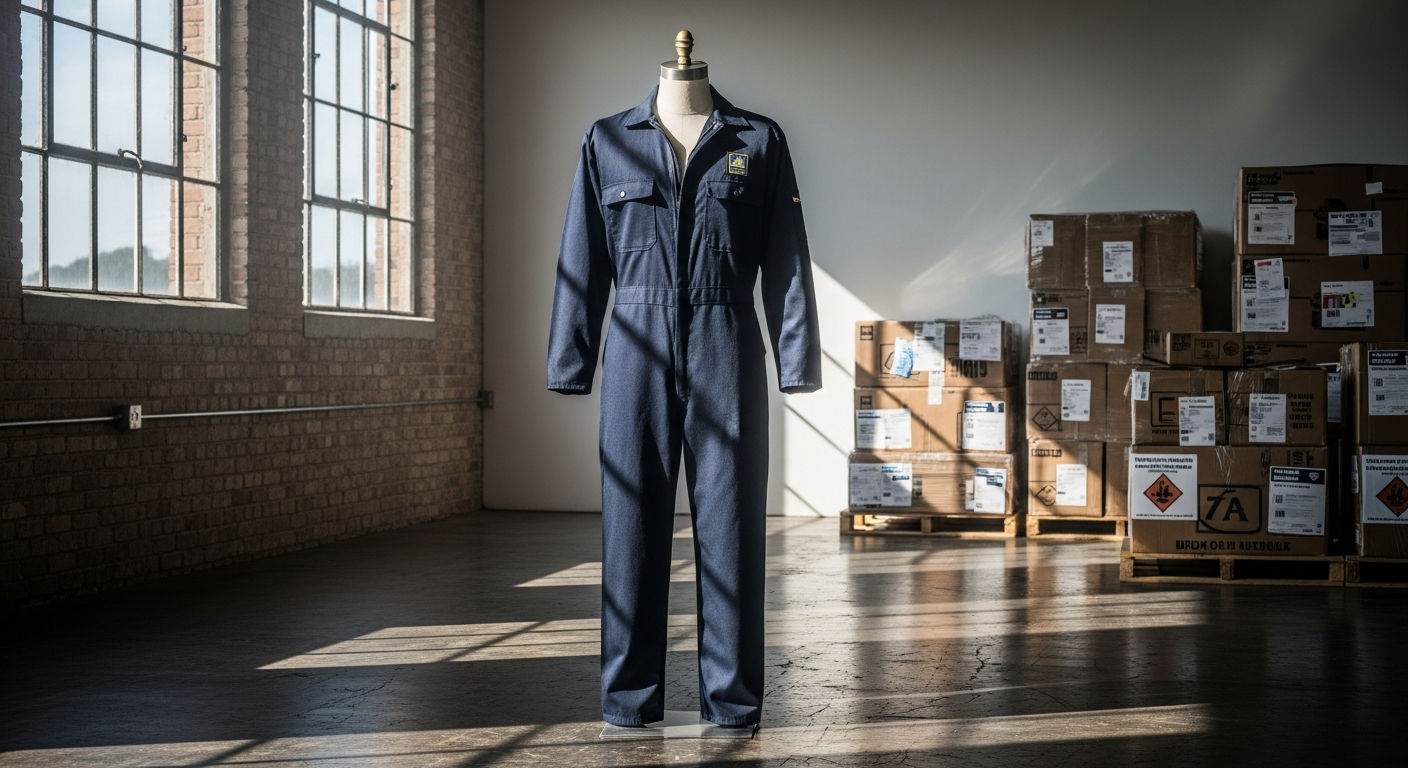
Discover why contractors choose the Bulwark FR Deluxe Cotton Coverall CED2 for bulk orders. Learn about NFPA compliance, Excel FR fabric, and cost-effective fleet outfitting strategies.
Excel FR Fabric Technology: The Foundation of Protection
100% Flame-Resistant Cotton Construction
The Bulwark FR Deluxe Cotton Coverall CED2 starts with a fundamental advantage: 100% flame-resistant cotton specifically engineered by Bulwark using their proprietary Excel FR fabric. This isn't standard cotton treated with a topical finish—the flame-retardant properties are built into the fiber itself, which means protection doesn't wash away after the first industrial laundry cycle or fade over time.
Fiber-to-Factory Traceability and Consistency
Bulwark maintains rigorous control over their supply chain, ensuring that every yard of Excel FR fabric carries the same flame-retardant properties from raw material through finished garment. This traceability matters when you're buying dozens or hundreds of coveralls for your crew. You're not gambling on inconsistent protection batches; you're getting predictable, documented safety performance across your entire fleet.
Soft-Touch Comfort Without Compromising Safety
Workers who resist wearing proper PPE often cite discomfort as their reason. Excel FR cotton delivers softness to the touch that rivals conventional workwear while maintaining full flame-retardant performance. This balance removes one of the most common excuses workers use to avoid wearing their coveralls properly, which translates directly to better safety outcomes on the job site.
Breathability Advantages Over Synthetic Blends
Cotton naturally breathes better than polyester-heavy FR blends, making the CED2 particularly valuable for extended wear periods in moderate climates. Workers can move through their shift without excessive heat buildup or moisture accumulation, which reduces fatigue and keeps them focused on the task at hand rather than battling discomfort.
Industrial Laundry Durability and Maintenance
The flame-retardant properties in Excel FR fabric withstand repeated industrial washing cycles without degradation. Standard commercial laundry temperatures and detergents won't strip the protection—a critical factor when you're standardizing across a large crew and want consistent protection throughout the garment's service life.
Optimized Weight and Durability Balance
At 9.0 oz. fabric density, the CED2 strikes the right balance between protection and practicality. This weight is substantial enough to handle demanding job site conditions and resist tearing or abrasion, yet light enough that workers don't feel weighed down during a full eight-hour shift. Heavier isn't always better; this density was engineered specifically for contractor environments.
Dual-Hazard Compliance: Meeting NFPA 2112 and NFPA 70E Standards
NFPA 2112 and NFPA 70E Certification
The CED2 meets both NFPA 2112 (flash fire protection) and NFPA 70E (arc flash hazard) standards simultaneously. This dual certification matters because it means one garment covers multiple hazard types—something oil and gas operations, electrical utilities, and manufacturing facilities all require. You're not buying separate products for different work environments; one coverall handles both risks.
Arc Thermal Performance Value (ATPV) Ratings
The CED2 typically carries ATPV ratings in the CAT 1 or CAT 2 categories, depending on the specific variant and fabric weight. These numerical ratings indicate the fabric's ability to prevent second-degree burns when exposed to an arc flash event. Higher ATPV values provide greater protection, and the CED2's ratings place it squarely in the reliable range for most contractor operations.
Real-World Application Across Industries
Certification documents mean nothing if they don't translate to actual worker protection. In oil and gas operations, the dual-hazard compliance prevents burns from both flash fires and arc flash incidents. For electrical utility workers, NFPA 70E compliance is non-negotiable when working near live circuits. Manufacturing facilities benefit from sustained protection in high-heat production areas. The certifications aren't theoretical—they're the result of rigorous testing that mirrors real hazard scenarios.
Certification Verification and Regulatory Documentation
When safety audits occur, you need documentation proving your PPE meets required standards. Bulwark provides comprehensive certification data with the CED2, making it straightforward to demonstrate compliance during regulatory inspections. This documentation also protects your company from liability claims, showing that you took documented, industry-standard steps to protect workers.
Contractor-Focused Design Features That Drive Productivity
Heavy-Duty Brass Zippers Built for Repeated Use
Cheap plastic zippers fail after dozens of opening-and-closing cycles. The CED2 features heavy-duty brass zippers engineered to withstand the punishment of job sites where workers need quick access throughout their shift. A stuck zipper might seem like a minor annoyance, but on a construction site or in an electrical utility truck, quick fastening and unfastening saves time and reduces frustration.
Reinforced Seams for Durability
Seams are failure points in any garment. The CED2's reinforced seam construction is specifically engineered to handle the tearing and stress that occur during demanding job site work—climbing, bending, reaching, and moving equipment. This durability means the coverall lasts longer, which directly improves your cost-per-wear calculation and reduces replacement frequency.
Multiple Pocket Configurations for Tool Organization
Contractors work with tools, and the CED2 includes multiple pockets strategically positioned for organized storage and accessibility. Workers can carry small tools, measuring devices, or personal items without having to run back to their truck multiple times. This design consideration keeps productivity high and reduces downtime searching for misplaced equipment.
Freedom of Movement for Demanding Tasks
The cut and fit of the CED2 prioritize freedom of movement over a fashion-forward silhouette. Workers need to climb, bend, reach overhead, and move laterally without restriction. The coverall's design accommodates these real-world demands, reducing fatigue and allowing workers to maintain proper form when performing physically demanding tasks—which also reduces injury risk.
Explore bulk purchasing options for the Bulwark FR Deluxe Cotton Coverall CED2 today.
Bulk Purchasing Economics: Calculating Your True Savings
Individual Unit Pricing Versus Volume Discounts
Individual CED2 coveralls typically price between $99.99 and $110.99 per unit through standard retail channels. However, bulk purchasing unlocks volume-based discounts that significantly reduce the per-unit cost. A crew of 50 workers might see $15 to $25 savings per coverall when ordering in bulk, translating to $750–$1,250 saved on a single order.
Cost-Per-Worker Analysis at Different Scale
For a crew of 10 workers buying at retail prices, you're looking at roughly $1,000–$1,100 for initial outfitting. Order the same 10 coveralls in bulk, and you might reduce that to $800–$900. Scale this to 100 workers, and the savings multiply dramatically. A company outfitting 100 workers could save $1,500–$2,500 on initial purchase, plus additional savings on regular replacement orders.
Total Cost of Ownership Comparison
Comparing the CED2 to synthetic FR alternatives requires looking beyond initial purchase price. Calculate the cost-per-wear by dividing the garment's price by the number of wear cycles before replacement. The CED2's durability through industrial laundering often results in a lower cost-per-wear than cheaper alternatives that degrade faster, even if the initial price is slightly higher.
Inventory Management and Reorder Strategy
Bulk purchasing doesn't mean buying six months' worth of coveralls at once and hoping you ordered the right sizes. Establish a reorder schedule based on your crew's replacement cycle—typically every 18–24 months depending on use intensity. Order in quantities that align with your crew size, accounting for new hires and seasonal adjustments. This approach keeps inventory costs manageable while ensuring you never run short.
ROI Timeline for Standardization
When you commit to standardizing on a single coverall model across your operation, you gain purchasing leverage and eliminate the inefficiency of managing multiple product lines. Most contractors see ROI within the first year through combined savings from bulk pricing, reduced administrative overhead managing inventory, and fewer replacement coveralls due to consistent durability across the fleet.
Sizing and Fit Strategy for Diverse Crews
Proper Measurement Protocol
Accurate sizing starts with proper measurement. Chest circumference, sleeve length, and inseam are the primary measurements, but torso length also matters for coveralls. Develop a simple measurement guide that your HR or safety team can use consistently across the crew. When workers are properly measured rather than self-sizing, fit improves and discomfort decreases—which improves compliance.
Available Size Range Accommodation
The CED2 comes in a range of sizes designed to accommodate different body types and builds. Taller workers get full inseams to prevent bunching at the ankles, while larger workers get appropriately proportioned chest and sleeve dimensions. Not every worker will fit the same size, and that's by design. Standardizing on the CED2 doesn't mean standardizing on one size—it means having confidence that proper sizes exist.
Fit Considerations for Layering
In cold climates, workers need to layer thermal underwear beneath their coveralls. Proper fit accounts for this additional bulk without becoming restrictive. If you're outfitting crews in northern regions or for winter work, size slightly larger to allow comfortable layering while maintaining proper movement and safety fit.
Color Options and Workforce Standardization
The CED2 is available in multiple colors, which allows for team standardization and visual identification across job sites. Some companies assign specific colors to different trades or departments, creating visual order and making it easier to spot someone from your crew in a multi-contractor environment. This standardization also reinforces safety culture by creating a visible commitment to uniform protection standards.
Bulk Order Sizing Sheet Templates
Streamline the ordering process by creating a spreadsheet that lists each worker's name, primary size, and any fit notes. When it's time to reorder, your team fills in the sheet, and you submit it to your supplier. This removes guesswork and ensures replacements match original sizes, maintaining consistency across replacement cycles.
Maintenance and Longevity: Maximizing Your Investment
Industrial Laundry Compatibility
The CED2 is designed for commercial industrial laundering, which means your crew can wash coveralls using standard contractor laundry services. The flame-retardant properties remain intact through repeated wash cycles at standard commercial temperatures. This durability is critical for operations where workers change coveralls daily or multiple times per week.
Proper Care Instructions and Extended Lifespan
Following care instructions extends garment lifespan well beyond baseline expectations. Avoid chlorine bleach and excessive heat drying, which can degrade both the fabric and the flame-retardant properties. Most contractors find that proper care extends the CED2's useful life to 18–24 months of regular use—far longer than cheaper alternatives that degrade after 12 months.
Stain Removal Best Practices
Industrial work creates stains—grease, oil, and dirt are inevitable. Pre-treat stains before washing using methods that don't compromise flame-retardant properties. Oxygen-based cleaners work well for most stains without the harsh chemistry that can damage the FR finish. Spot-cleaning between full washes preserves the garment and extends its appearance and functionality.
Off-Season Storage Recommendations
If your operation is seasonal or you stockpile coveralls during off-season, store them in a clean, dry environment away from direct sunlight and heat sources. Proper storage prevents mildew, moth damage, and color fading. Many contractors store coveralls in sealed bins or bags to protect them until the next season begins.
Inspection Protocols for Timely Replacement
Establish a routine inspection process to identify when replacement is necessary. Check for loss of flame-retardant properties (which typically manifest as visible degradation of the fabric), significant tears or seam separation, or worn zippers that no longer function reliably. Rather than waiting for failure, replace coveralls on a schedule that ensures protection remains consistent.
Cost-Per-Wear Calculation
Calculate the true cost by dividing the coverall's price by the number of wear cycles before replacement. If a $105 CED2 lasts for 100 wear cycles, the cost-per-wear is $1.05. Compare this to cheaper coveralls that might last only 60 cycles; at $75, they cost $1.25 per wear. The CED2 often wins the cost-per-wear calculation despite a higher initial price.
Industry-Specific Applications: Where the CED2 Excels
Oil and Gas Operations
Oil and gas workers face dual hazards: both flash fires and arc flash incidents. The CED2's simultaneous NFPA 2112 and NFPA 70E compliance makes it ideal for these environments. Workers moving between different hazard zones need one coverall they can trust across all conditions—the CED2 delivers that simplicity and protection.
Electrical Utility Work
Electrical utilities require strict NFPA 70E compliance, and the CED2 meets these standards definitively. Linemen, troubleshooters, and maintenance electricians work near live circuits where arc flash is a constant risk. The documented compliance and ATPV ratings provide the protection that regulatory bodies and safety managers require.
Manufacturing Facilities
Manufacturing environments involve sustained heat exposure and fire risk from machinery and processes. The CED2's breathable cotton construction keeps workers comfortable in high-heat areas while maintaining full flame-retardant protection. Industrial laundry compatibility means coveralls survive the frequent washing that manufacturing environments demand.
Contractor Crews and Multi-Site Operations
Contractors working across multiple job sites benefit from the CED2's versatility. Whether the next project involves electrical work, gas operations, or general construction, one standardized coverall handles diverse hazard scenarios. This simplicity reduces logistics overhead and ensures consistent protection regardless of assignment.
Renewable Energy Installations
As renewable energy industries grow, protection standards for solar, wind, and geothermal installations are becoming clearer. The CED2's dual-hazard compliance positions it well for emerging industries where arc flash and thermal hazards coexist. Early standardization on proven products gives renewable energy contractors a competitive advantage in safety compliance.
Comparing CED2 to Synthetic FR Blends and Alternatives
Weight and Comfort Trade-offs
Synthetic FR blends are often lighter than 100% cotton, which appeals to workers in extreme heat. However, lighter weight sometimes correlates with reduced durability and shorter lifespan. The CED2's 9.0 oz. cotton is heavier than some synthetic alternatives but offers superior comfort for extended wear in moderate climates and exceptional durability that extends the garment's service life.
Thermal Performance Across Climate Conditions
In extremely hot climates, lightweight synthetic blends have an advantage because they shed body heat more efficiently. However, in moderate climates or temperate seasons, the CED2's breathable cotton performs comparably while offering better comfort and durability. Choose based on your typical work environment rather than assuming lighter is always better.
Durability and Industrial Wash Resilience
The CED2's 100% cotton construction and reinforced seams survive aggressive industrial laundering better than many synthetic blends. After 50 commercial wash cycles, the CED2 typically retains full protection and appearance, while cheaper synthetic alternatives show signs of degradation. This durability directly impacts cost-per-wear calculations.
Price-to-Protection Ratios
Some competitors offer lower initial prices, but when you factor in durability and cost-per-wear, the CED2 often comes out ahead. A $65 coverall that lasts 60 cycles costs $1.08 per wear. The CED2 at $105 lasting 100 cycles costs $1.05 per wear, and that's before accounting for bulk discounts that reduce the CED2's effective price further.
Why Contractors Consistently Choose the CED2
Despite alternatives being available, contractors keep returning to the CED2. This preference reflects real-world experience: workers like wearing it, it lasts longer than alternatives, and bulk pricing makes financial sense. Purchasing decisions compound over time, and contractors who standardize on the CED2 stay loyal because the product delivers.
Hybrid Approaches: When Cotton Works Best
For crews working in moderate climates with standard industrial conditions, 100% cotton like the CED2 is ideal. For extreme heat operations in deserts or tropical regions, synthetic blends may have an edge. Most U.S. contractors operate in moderate climates, which is why the CED2's cotton construction dominates the market.
Implementation: Transitioning Your Team to Standardized Workwear
Phased Rollout Strategies for Large Operations
If you're currently using multiple coverall brands or models, transition deliberately rather than all at once. Phase in the CED2 by assigning new units to replacement cycles, allowing workers to become familiar with the product gradually. For a large operation, a phased rollout over two to three quarters prevents confusion and allows you to gather feedback before complete transition.
Employee Feedback Collection During Transition
Ask workers for honest feedback on comfort, fit, and functionality. Provide a simple feedback form or conduct brief conversations with a sample of the crew. Workers who feel heard about their PPE are more likely to wear it properly and comply with safety standards. Use feedback to confirm that sizing and fit are correct before full commitment.
Sizing and Distribution Logistics
For bulk orders across multiple locations, coordinate sizing data collection well in advance. Ship coveralls to central distribution points or directly to job sites based on your operation's structure. If workers are spread across multiple locations, staging inventory at regional hubs prevents shipping delays and ensures everyone receives their sizes simultaneously.
Training on Proper Care and Maintenance
Provide brief training on how to care for flame-resistant coveralls properly. Explain why certain detergents should be avoided, why excessive heat damages the FR properties, and why proper storage matters. Workers who understand the "why" behind care instructions are more likely to follow them, which extends garment life and reduces replacement costs.
Establishing Replacement Schedules and Reorder Timelines
Calculate your crew's typical replacement cycle based on work intensity and frequency. Most contractors replace coveralls annually or biannually. Establish a reorder schedule that aligns with your cycle—for example, placing orders every six months to maintain supply without excessive inventory. Communicate the schedule to your team so workers know when replacements arrive.
Documenting Compliance and Creating Accountability
Keep records of which workers received which sizes and when. Document initial outfitting and replacement dates. This documentation serves dual purposes: it proves compliance during safety audits, and it helps you track wear patterns and identify whether certain sizes wear out faster than others. Use these insights to optimize your future orders.
The CED2 Advantage: Building a Safer, More Cost-Efficient Workforce
The Bulwark FR Deluxe Cotton Coverall CED2 represents far more than just another safety garment—it's a strategic decision that compounds across your entire operation. When you standardize on a product with proven NFPA compliance, genuine comfort for all-day wear, and pricing that rewards bulk commitment, you're not simply buying coveralls; you're investing in a culture where safety and cost-effectiveness work together.
Contractors who've made this single choice report transformations across their operations. The dual-hazard protection keeps workers safe in arc flash and flash fire environments. The Excel FR fabric delivers comfort that actually gets worn properly, eliminating the temptation to skip PPE. The reinforced construction withstands the punishment of job sites and industrial laundering. The brass zippers and multiple pockets keep workers productive without requiring frequent trips back to equipment.
If you're managing a crew of any size, the CED2 deserves serious consideration. Start by calculating your current per-worker cost across all coveralls purchased in the past year, then compare that to bulk pricing for the CED2. Account for durability and cost-per-wear over the garment's lifespan, not just initial purchase price. Run the numbers, and the financial case often becomes obvious.