
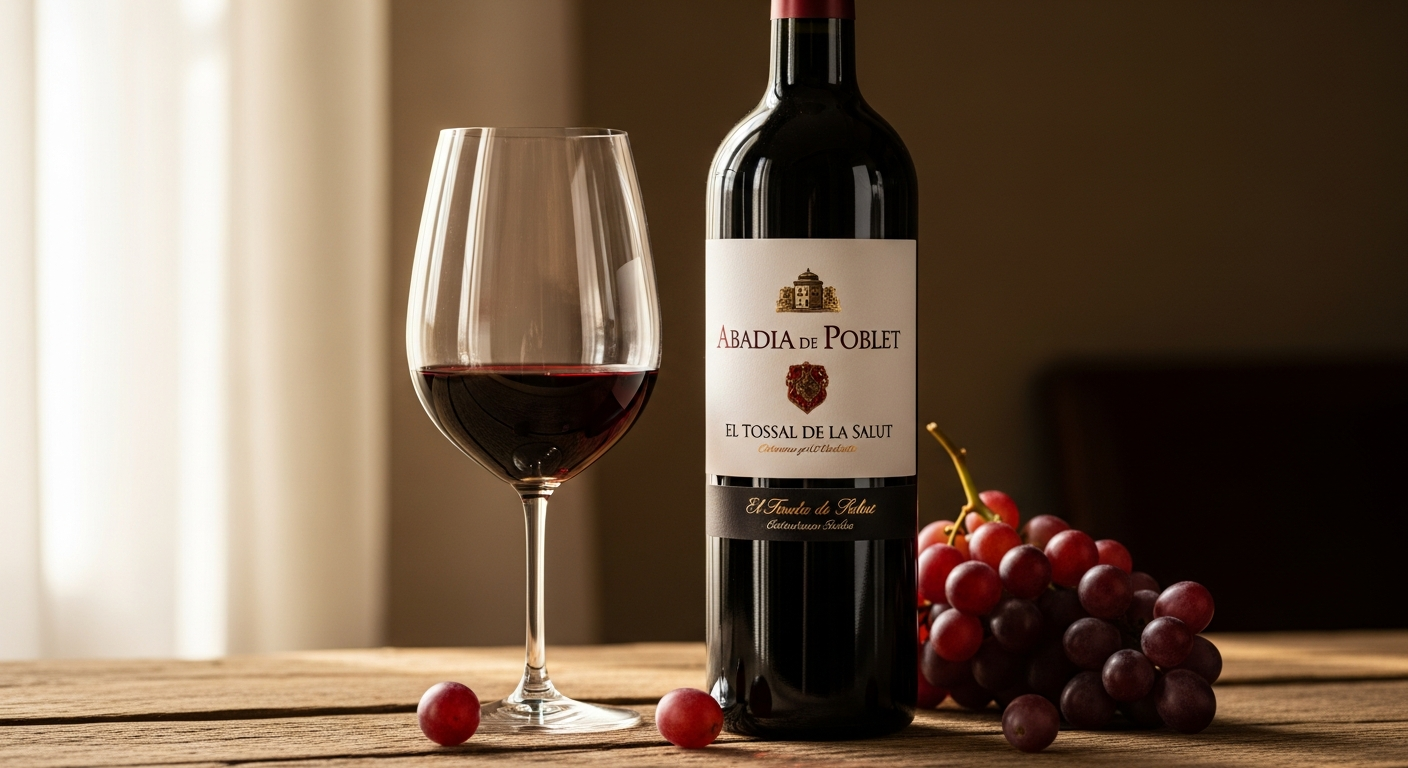
Discover why Abadia de Poblet El Tossal de la Salut red wine stands out among Spanish Garnacha offerings. Explore its heritage, tasting notes, and critical acclaim.
Spain produces over 4,000 different wine varieties, yet only a handful achieve the legendary status of a true collector's piece. The Abadia de Poblet El Tossal de la Salut isn't just another bottle sitting on a wine merchant's shelf—it's a rare expression of Cistercian winemaking tradition meets modern viticulture. When a wine consistently earns 92-96 point scores from the world's most respected critics, you know you're holding something genuinely special.
I've spent considerable time exploring Spain's wine regions, and the Conca de Barberà keeps surprising me with its depth and character. This particular wine emerges from the Abadia de Poblet winery, nestled within a UNESCO World Heritage monastery in Catalonia, where monks have been crafting wine for centuries. What makes this Garnacha remarkable is its distinction as the first monovarietal black Grenache from the region—a bold statement in a wine world often dominated by blends.
The Historic Winery Behind the Bottle
Centuries of Monastic Tradition
The Monestir de Poblet stands as one of Catalonia's most significant cultural landmarks, recognized as a UNESCO World Heritage site. Within its ancient walls, the Abadia de Poblet winery carries forward a winemaking heritage stretching back through centuries of Cistercian stewardship. These monks understood something fundamental about wine production: that patience, precision, and respect for natural processes yield superior results. Their philosophy wasn't about maximizing yield or chasing market trends—it was about creating wines that reflected both the land and the values of those who tended it.
The Cistercian Influence on Modern Production
Cistercian monks revolutionized medieval agriculture through their meticulous approach to land management and production. This same discipline shapes Abadia de Poblet's operations today. The winery doesn't chase fashionable techniques or over-extraction methods. Instead, it maintains a restrained approach that allows the grape's natural character to emerge. The monks' legacy lives in every decision—from grape selection to fermentation control to the choice of aging vessels. This isn't romantic nostalgia; it's practical wisdom that has proven its worth across generations.
Grupo Raventós Codorníu's Quality Stewardship
Abadia de Poblet operates as part of Grupo Raventós Codorníu, one of Spain's most respected wine conglomerates. This ownership structure ensures rigorous quality control while preserving the winery's distinctive identity. The group's commitment to excellence means that every bottle bearing the Abadia de Poblet label undergoes the same exacting standards applied across their portfolio. This backing provides both financial resources for proper viticulture and the institutional knowledge of Spain's wine heritage.
Tradition Meets Sustainability Within Monastery Walls
Producing wine within an active monastery creates unique advantages beyond marketing appeal. The monastic environment naturally encourages sustainable practices—the monks have an incentive to maintain the land for future generations. There's no pressure to extract maximum profit through intensive farming. Water usage, soil health, and biodiversity aren't afterthoughts; they're integral to the operation. This translates into grapes grown with genuine care rather than treated as commodities.
Conca de Barberà's Role in Flavor Expression
The Conca de Barberà region possesses distinct geographical characteristics that profoundly influence the wines it produces. Situated in inland Catalonia, this denomination of origin enjoys a continental climate with significant diurnal temperature variation—warm days and cool nights that allow grapes to develop complexity while retaining freshness. The region's elevation and soil composition create conditions where Garnacha achieves remarkable balance between ripeness and acidity. These terroir factors aren't secondary to the winemaker's craft; they're foundational.
Monastic Values Expressed Through Elegant Character
The restraint inherent in monastic philosophy manifests in the wine's sensory profile. Rather than bombastic power or obvious extraction, El Tossal de la Salut presents itself with quiet confidence. The spice notes don't overwhelm the fruit; the tannins remain refined rather than aggressive; the finish lingers without demanding attention. This elegance reflects a worldview that values subtlety and balance—qualities the Cistercians cultivated across every aspect of their work.
Garnacha's Reign in Conca de Barberà
Why Garnacha Thrives in This Specific Terroir
Garnacha (known internationally as Grenache) finds exceptional expression in the Conca de Barberà's continental climate and calcareous soils. The variety naturally produces lower alcohol wines with vibrant acidity when grown in cooler regions—a characteristic that distinguishes Spanish expressions from the heavier fruit bombs of Southern France or Australia. The region's elevation prevents excessive ripeness, preserving the grape's elegant characteristics. Garnacha in this terroir becomes something altogether different: sophisticated rather than jammy, mineral-influenced rather than purely fruit-driven.
The Pioneering Status of El Tossal de la Salut
El Tossal de la Salut holds the distinction of being the first monovarietal black Grenache from the Conca de Barberà D.O.—a significant achievement in wine history. This designation matters because it represents a winery's confidence in its terroir and varietal expression. Historically, winemakers blended Garnacha with other varieties to achieve desired complexity or balance. By releasing a monovarietal expression, Abadia de Poblet makes a bold declaration: our Garnacha, from this place, requires no assistance. The critical acclaim backing this decision validates that confidence entirely.
Soil Composition and Altitude's Impact on Ripeness and Acidity
The Conca de Barberà's calcareous and limestone-rich soils impart mineral characteristics that define the region's identity. These soils naturally limit water retention, forcing vine roots deeper and creating stress conditions that concentrate flavors. The region's altitude—ranging from 400 to 800 meters above sea level—significantly moderates temperatures. This combination creates grapes with excellent acidity retention and complex phenolic development. The result is a wine with structural integrity that supports both immediate drinking and meaningful aging.
Garnacha's Natural Characteristics and Versatility
Garnacha possesses inherent fruit-forward qualities coupled with surprising spice potential. Red cherry, strawberry, and raspberry notes form the aromatic foundation, while black pepper, garrigue, and dried herb undertones add layers of complexity. The variety's natural tannin structure tends toward finesse rather than power, making it remarkably food-friendly. This versatility explains Garnacha's resurgence among serious wine professionals—it bridges the gap between approachable wines and age-worthy expressions without sacrificing either characteristic.
Monovarietal Versus Blended Garnacha
Single-variety Garnacha wines reveal the grape's complete potential in ways that blended expressions cannot. When winemakers blend Garnacha with other varieties, they're typically addressing perceived shortcomings—adding structure from Tempranillo, complexity from Carignan, or tannin support from Syrah. Monovarietal expressions force consumers to engage with the variety on its own terms, discovering nuances that blending might obscure. Collectors recognize that monovarietal wines provide clearer terroir expression and vintage variation documentation—critical factors for building meaningful wine collections.
Indigenous Varieties and Regional Identity
Garnacha represents Catalonia's indigenous identity in ways that Cabernet Sauvignon or Pinot Noir never can. International varieties homogenize wine regions, making Spanish wines taste more like California or Burgundy than like Spain itself. Indigenous Garnacha, grown in its historical homeland with established viticultural traditions, preserves regional distinctiveness. This matters beyond romantic notions of terroir; it ensures genetic diversity in global vineyards and maintains the cultural heritage embedded in specific wine regions. When you choose El Tossal de la Salut, you're voting for regional authenticity.
Tasting Profile & Sensory Experience
Aromatic Complexity on the Nose
Opening a bottle of El Tossal de la Salut reveals layered aromatics that evolve as the wine breathes. Initial encounters present ripe red fruit characters—bright cherry and strawberry emerging first. These primary aromas gradually reveal secondary complexity: black pepper, dried thyme, and subtle earthiness that speaks to the calcareous soils. The herbaceous hints add intellectual intrigue without dominating the bouquet. There's nothing aggressive about the aromatics; they invite closer inspection rather than announce themselves loudly.
Palate Characteristics and Textural Qualities
The transition from nose to palate demonstrates refinement throughout the wine's structure. The initial impression is silky—not oily or flabby, but genuinely smooth. Fine tannins provide gentle grip without astringency. The fruit character echoes the aromatics while mineral notes emerge from the mid-palate, creating tension between fruit and earth. Red cherry and wild strawberry flavors persist, gaining textural complexity as the wine develops in the glass. The interplay between ripe fruit and restraint defines this wine's essential character.
Acidity Structure and Aging Implications
The wine's balanced acidity serves multiple functions simultaneously. First, it provides freshness that prevents the fruit from becoming cloying—especially important given the wine's fruit-forward character. Second, acidity provides structural backbone that supports extended aging. This is no flabby, short-lived expression; the acid framework suggests that the wine will develop gracefully over time. The acidity feels natural rather than aggressive, suggesting harvest timing that prioritized phenolic ripeness without chasing sugar accumulation. This balance indicates the winemaker's expertise in reading the vineyard's readiness.
The Persistent Finish and Lasting Impression
The finish extends well beyond the initial swallow, with flavors lingering for thirty seconds or longer. Red fruit characters persist, accompanied by subtle spice that continues to evolve. There's no sharp cut-off point—instead, the flavors fade gradually, leaving an impression of mineral-tinged fruit. This persistence indicates proper extraction and quality fruit. A wine with a short, abrupt finish suggests either rushed production or inferior raw materials; El Tossal de la Salut offers neither. The finish rewards patience and attention, revealing new nuances with each glass.
Optimal Serving Temperature and Decanting
Serving temperature dramatically influences this wine's expression. Consume it at 16-18°C (60-64°F)—cooler than many red wines, which allows the acidity and mineral notes to shine. Serving it at room temperature (21°C+) emphasizes the fruit and alcohol, potentially overwhelming the wine's subtlety. Regarding decanting, younger vintages benefit from 30-45 minutes of aeration to open up the aromatics and integrate the tannins. Older vintages should be decanted only if necessary to separate sediment; extended air exposure can exhaust delicate secondary characteristics.
The Impact of Cement Tank Aging
The decision to age El Tossal de la Salut in cement tanks rather than traditional oak fundamentally shapes its character. Cement provides neutral maturation—it doesn't impart vanilla, toast, or other oak characteristics. This allows pure fruit and mineral expression to dominate. Additionally, cement permits micro-oxygenation that facilitates gentle tannin polymerization without the aggressive oxidation that sometimes accompanies barrel aging. The result is a wine with integrated tannins and pristine fruit character—qualities that collectors increasingly value in modern Spanish winemaking.
Critical Acclaim & Award Recognition
Consistent 92-96 Point Scores Across Multiple Vintages
The 92-96 point range represents the upper echelon of wine quality, typically reserved for wines demonstrating exceptional balance, complexity, and aging potential. Multiple vintages of El Tossal de la Salut achieving these scores isn't coincidental—it reflects consistent quality from a winery that understands its terroir intimately. These aren't one-off successes; they're systematic excellence. For collectors evaluating purchases, this consistency provides confidence that you're acquiring quality rather than chasing a single fortunate vintage.
Recognition from Prestigious Wine Publications
Publications like Guía Peñín, James Suckling, Robert Parker Wine Advocate, and Guía Gourmets represent different evaluative perspectives, yet all have awarded El Tossal de la Salut high scores. Guía Peñín reflects Spanish wine industry standards; James Suckling brings international perspective; Robert Parker's organization maintains perhaps the most recognizable scoring system globally; Guía Gourmets represents Spanish gastronomy expertise. That the wine earns respect across these diverse evaluative frameworks demonstrates broad appeal and undeniable quality.
Quality Assurance Through Critical Validation
High critical scores serve a practical function beyond prestige. They provide third-party quality assurance. Consumers cannot taste every wine before purchasing; professional critics serve as reliable guides. When multiple respected publications agree that El Tossal de la Salut deserves 92-96 points, they're essentially confirming that the bottle delivers genuine quality. This removes significant purchasing risk, particularly for consumers exploring unfamiliar wines or regions.
El Tossal de la Salut's Standing Among Regional Peers
Within the Conca de Barberà designation, El Tossal de la Salut ranks among the most celebrated expressions. It competes favorably with other award-winning Garnacha expressions from regions like Priorat or Campo de Borja, which typically command higher prices. This relative value proposition makes El Tossal de la Salut particularly attractive to collectors seeking quality without stratospheric pricing. The wine punches above its price category, which partly explains its inclusion in Monlacata's "Top Ventas" selections.
Vintage Consistency as Proof of Excellence
Recognition across multiple vintages proves something fundamental: the winery's commitment to quality transcends individual growing seasons. Some wines achieve high scores through fortunate vintage conditions; truly excellent producers earn consistent recognition despite vintage variation. El Tossal de la Salut's track record suggests that the winemaking team possesses the skill to navigate variable conditions while maintaining quality standards. This consistency matters to collectors building serious wine portfolios.
Pricing & Value Proposition
Price Range and Vintage Variations
El Tossal de la Salut typically retails between €16.67 and €30.00, depending on vintage age and retailer. The 2019 vintage, released relatively recently, commands the higher end of this spectrum at approximately €30.00. Older vintages, particularly those from the mid-2010s, may be sourced at the lower end. This price progression reflects typical wine market dynamics where newer releases command premium pricing until they mature. For consumers, this means strategic timing can yield better value—purchasing slightly older vintages often provides superior pricing than buying the latest release.
Value Assessment and Quality Justification
The question of whether this price represents genuine value depends on your wine consumption philosophy. Compared to everyday wines priced €8-12, El Tossal de la Salut costs significantly more. However, compared to other award-winning Spanish Garnacha expressions or international wines with similar critical scores, it offers genuine value. The 92-96 point scores and consistent critical recognition justify premium pricing. You're not paying for a fashionable label or clever marketing; you're paying for measurable quality recognized by professionals.
Competitive Analysis with Award-Winning Spanish Garnacha
Many Spanish Garnacha wines with comparable critical acclaim command €35-50 price points. El Tossal de la Salut's €16.67-€30.00 range positions it as remarkable value in its quality category. Wines from Priorat—another celebrated Catalonian region—often exceed €40 for similar point scores. Campo de Borja expressions with 92+ points typically start at €25-35. By this comparison, El Tossal de la Salut offers genuine pricing advantage without sacrificing quality. This value positioning explains its popularity among serious collectors and its selection as a "Top Venta."
Aging Potential and Long-Term Investment Perspective
The wine's structural characteristics—balanced acidity, fine tannins, and complexity—suggest meaningful aging potential. While El Tossal de la Salut is certainly enjoyable within five years of release, the wine likely improves through ten to fifteen years of proper cellaring. This aging potential transforms the purchase from a consumption decision into a modest investment. Collectors might purchase multiple bottles at €20-25 per unit, cellaring some for future enjoyment while opening others within five years. Over time, well-stored bottles often appreciate in value, particularly if the winery continues producing acclaimed vintages.
Sourcing Authentic Bottles at Competitive Prices
Purchasing from established wine retailers specializing in Spanish wines offers both authenticity assurance and competitive pricing. Monlacata, as an authorized merchant, provides guaranteed authentic bottles and knowledgeable guidance. Direct purchases from the winery (when available) sometimes offer pricing advantages. Auction platforms and secondary wine markets can yield deals on older vintages, though authentication remains crucial. Comparing prices across multiple retailers before purchasing larger quantities makes financial sense; price variation between merchants sometimes exceeds €5 per bottle for identical vintages.
Food Pairing & Serving Suggestions
Mediterranean Dishes That Complement the Wine
El Tossal de la Salut's spicy and herbaceous character creates natural affinity with Mediterranean cuisine. Spanish ratatouille or similar vegetable preparations work beautifully, as do herb-forward dishes featuring rosemary, thyme, or oregano. The wine's fresh acidity and red fruit balance complement tomato-based preparations without overwhelming them. Paella with seafood or vegetables pairs exceptionally well, as the wine's mineral notes echo the seafood's briny character while the fruit provides pleasant counterpoint. These pairings showcase the wine's regional character—after all, this wine grew in the same landscape as many Mediterranean staples.
Red Meat and Game Preparations
The wine's fine tannin structure makes it ideal for lamb, particularly Mediterranean-style preparations with garlic and herbs. Game birds like quail or partridge benefit from the wine's complexity without requiring the muscular tannins of heavier reds. Beef preparations work well when avoiding heavily charred or smoky preparations that might overshadow the wine's subtlety. Braised dishes where meat develops tender, complex flavors through slow cooking align perfectly with El Tossal de la Salut's structure. The key is matching the wine's refined power with equally refined food—let both elements shine rather than compete.
Cheese Pairing Strategies
Aged sheep's milk cheeses represent ideal pairings, particularly Spanish varieties like Roncal or Idiazabal. The wine's tannin structure provides pleasant grip against fatty cheese, while the acidity cleanses the palate between bites. Hard cheeses with complex aging character work better than soft, delicate varieties that might be overwhelmed. Semi-firm cow's milk cheeses aged six to twelve months also pair well. Avoid pairing with very sharp or pungent cheeses that might clash with the wine's subtle spice character. The goal is complementary interaction—the wine and cheese should enhance each other's positive qualities.
The Versatility of Silky Texture and Balanced Acidity
Unlike heavier reds that demand specific food contexts, El Tossal de la Salut's silky texture and balanced acidity make it remarkably flexible across multiple courses. It works as an aperitif wine with charcuterie and nuts, transitions seamlessly through savory courses, and remains appropriate alongside cheese. The wine's refreshing acidity prevents palate fatigue across longer meals. This versatility makes it ideal for restaurant wine lists seeking single bottles that pair across diverse menus without requiring difficult substitutions between courses.
Spanish Tapas and Charcuterie Showcase
Spanish ham (jamón ibérico), chorizo, and local cured meats find natural partners in this wine. The wine's regional connection to Catalonia creates cultural resonance—you're experiencing foods and wine from complementary traditions. Croquetas, fried seafood preparations, and roasted vegetables all work well. The wine's moderate alcohol (typically 13.5-14.5%) prevents overwhelm with salty cured meats. Serve these pairings casually with multiple small dishes, allowing the wine and food to create dialogue rather than dramatic statement.
Temperature and Glassware Recommendations
Serve El Tossal de la Salut in medium-sized burgundy or tempranillo glasses—slightly larger than pinot noir glasses but smaller than bordeaux glasses. These shapes funnel aromatics toward the nose while allowing proper aeration. The temperature recommendation of 16-18°C remains crucial; cooler service emphasizes freshness and mineral character, while warmer service brings forward fruit and alcohol. If wine has been refrigerated, remove from the fridge 20-30 minutes before opening to reach optimal temperature. Proper glassware and temperature transform the tasting experience, revealing qualities that random glasses might obscure.
Who Should Collect This Wine?
Serious Collectors Seeking Authenticated Terroir Expressions
Collectors building wine portfolios around specific regions and varietals find El Tossal de la Salut essential. The monovarietal Garnacha designation means the wine clearly expresses both terroir and varietal character without blending obscuring these factors. The critical acclaim ensures that the wine's quality is documented and recognized beyond personal preference. Collectors understand that wines with strong critical validation, produced by established producers, maintain value better than obscure bottles from uncertain origins.
Wine Enthusiasts Exploring Catalonian Regions
Beyond mainstream Spanish wine regions like Rioja or Priorat, Catalonia offers remarkable depth for exploratory drinkers. The Conca de Barberà remains relatively undiscovered compared to internationally famous denominations, which means exceptional wines offer value premiums. Enthusiasts exploring this region discover that El Tossal de la Salut provides an ideal entry point—the critical acclaim makes quality immediately evident, while the price remains approachable compared to more famous regional names. Building familiarity with emerging regions often yields both financial advantage and intellectual satisfaction.
Heritage and Monastic Wine Traditions Enthusiasts
The monastery context appeals to drinkers interested in wine's historical and cultural dimensions. Understanding that Cistercian monks shaped this wine's production philosophy adds narrative depth to the tasting experience. These consumers appreciate that the wine's elegance and restraint reflect centuries of tradition rather than contemporary marketing trends. The UNESCO World Heritage site connection provides context that transforms a simple purchase into meaningful cultural engagement.
Collectors Building Spanish Wine Portfolios
Those systematically building Spanish wine collections recognize the importance of geographic representation. A truly comprehensive Spanish collection includes expressions from every significant region—including the Conca de Barberà. El Tossal de la Salut's critical acclaim and monovarietal status make it the obvious choice for this region's representation. Collectors benefit from strategic purchasing before wines achieve expensive cult status; El Tossal de la Salut currently offers exceptional value before potential broader recognition drives pricing upward.
Gift-Givers Seeking Prestigious Bottles with Compelling Stories
Wine gifts work best when they combine quality with narrative—something interesting to discuss while drinking. El Tossal de la Salut delivers both. The UNESCO monastery backstory provides conversation material. The critical acclaim ensures the recipient receives genuinely good wine, not a mediocre bottle marketed through story alone. The price point allows gift-giving without excessive expense, yet the wine feels special rather than utilitarian. Giving this wine communicates taste and thoughtfulness in ways that generic premium wines cannot.
Wine Trade Professionals Seeking Distinctive Additions
Restaurant wine directors and wine bar professionals need selections that stand apart from predictable lists dominated by famous names. El Tossal de la Salut offers sophistication without international celebrity pricing. The story appeals to curious diners; the quality justifies recommendations; the price allows profitable margins. Staff members can confidently recommend this wine knowing it delivers quality while helping diners discover wines they might not find at every establishment.
Storage, Aging & Cellaring Potential
Optimal Storage Conditions and Environment Requirements
Proper cellaring requires consistent cool temperatures between 12-15°C, with minimal fluctuation. Temperature swings damage wine through repeated expansion and contraction, often causing cork seepage or oxidation. Horizontal bottle storage keeps cork moist, preventing dry cork syndrome that allows oxidation. Darkness protects wine from light degradation, which breaks down color compounds and creates unpleasant flavors. Humidity between 50-80% prevents label damage and cork drying. A wine fridge or professional storage facility provides these conditions far more reliably than kitchen cabinets, which typically experience uncontrolled temperature and light exposure.
Expected Aging Windows and Peak Drinking Recommendations
Current vintages of El Tossal de la Salut are drinking beautifully upon release, yet they possess structure supporting ten to fifteen years of aging in proper conditions. The 2019 vintage, for example, will develop gracefully through 2029-2034. Rather than a single "peak" year, quality wines typically show progressive development—different but equally enjoyable qualities at five, ten, and fifteen years. The choice between drinking young or aging depends on personal preference. Young El Tossal de la Salut emphasizes vibrant fruit and freshness; aged versions develop tertiary characteristics like leather, dried fruit, and mineral complexity.
Structural Analysis of Short-Term versus Long-Term Cellaring
The wine's fine tannin structure and balanced acidity suggest excellent long-term aging potential, yet it's not one of those brutal, nearly undrinkable young wines requiring decades to soften. Consumers uncomfortable with cellaring can drink young vintages with genuine pleasure. Those with cellaring capacity will be rewarded by patient aging. This flexibility—enjoying the wine excellently at multiple stages—is a hallmark of truly well-made expressions. The winemaker didn't create a wine that's miserable young and magnificent old; instead, it's excellent young, interesting at mid-age, and developing at full maturity.
Recognizing Proper Aging Versus Oxidation or Cork Issues
Well-aged wine develops color deepening—moving from bright ruby toward garnet with age—while clarity improves as sediment settles. Secondary aromatic development (leather, dried fruit, tobacco) accompanies these visual changes. Oxidized wine shows browning earlier than expected and smells of sherried or cooked fruit characters. Cork taint presents as moldy, musty aromas. Leakage evidence—staining around the capsule or low fill level—indicates potential oxidation. Proper storage maintains the wine's integrity; improper storage causes deterioration that's often obvious upon opening. When purchasing aged bottles, inspect condition carefully before committing financially.
Building a Small Collection Strategy
Rather than purchasing single bottles, collectors might acquire cases at €20-25 per unit, allowing diverse consumption patterns. Some bottles can be opened within five years for immediate enjoyment; others can be cellared longer. This approach spreads purchasing cost while providing variety. If El Tossal de la Salut continues receiving critical acclaim and the winery maintains quality consistency, older vintages from this collection will likely appreciate. Even without appreciation, the pleasure of watching wine develop through cellaring often justifies the strategy independent of financial return.
Monitoring Vintage Variations and Strategic Consumption
Each vintage expresses slightly different characteristics based on that year's weather patterns. Some years produce rounder, fruitier profiles; others yield more structured, mineral-focused expressions. Collectors benefit from tasting notes and reviews for specific vintages to understand expected characteristics. Purchasing multiple vintages allows direct comparison—exploring how the same wine expresses differently depending on harvest conditions. This practice deepens wine understanding while providing intellectual engagement beyond simple consumption.
The Monastery's Gift to Modern Wine Lovers
The Abadia de Poblet El Tossal de la Salut represents something increasingly rare in today's wine market: authenticity wrapped in centuries of tradition. This wine doesn't shout for attention—it earns it quietly through consistent quality, critical recognition, and a story that connects you directly to monastic winemaking heritage. Whether you're a seasoned collector or someone discovering premium Spanish Garnacha for the first time, this bottle delivers both complexity and elegance in every pour.
I've found that wines carrying this level of critical acclaim and historic significance often become the bottles people remember years later. The €16.67–€30.00 price range positions it as an investment in quality rather than an everyday sipper, and that distinction matters. You're not paying for a label; you're paying for decades of Cistercian expertise, indigenous terroir expression, and the kind of consistent excellence that earns 92-96 point scores repeatedly.
The wine's silky texture and balanced acidity make it remarkably versatile—equally at home with Mediterranean dishes, game preparations, or contemplative solo tasting. Its modest alcohol and refined tannin structure invite multiple glasses without fatigue. The persistent finish rewards attention, revealing new nuances with each sip. Whether you age bottles for future appreciation or open them within five years, El Tossal de la Salut delivers quality that justifies both approaches.
Ready to experience what a true Spanish Garnacha masterpiece tastes like?