
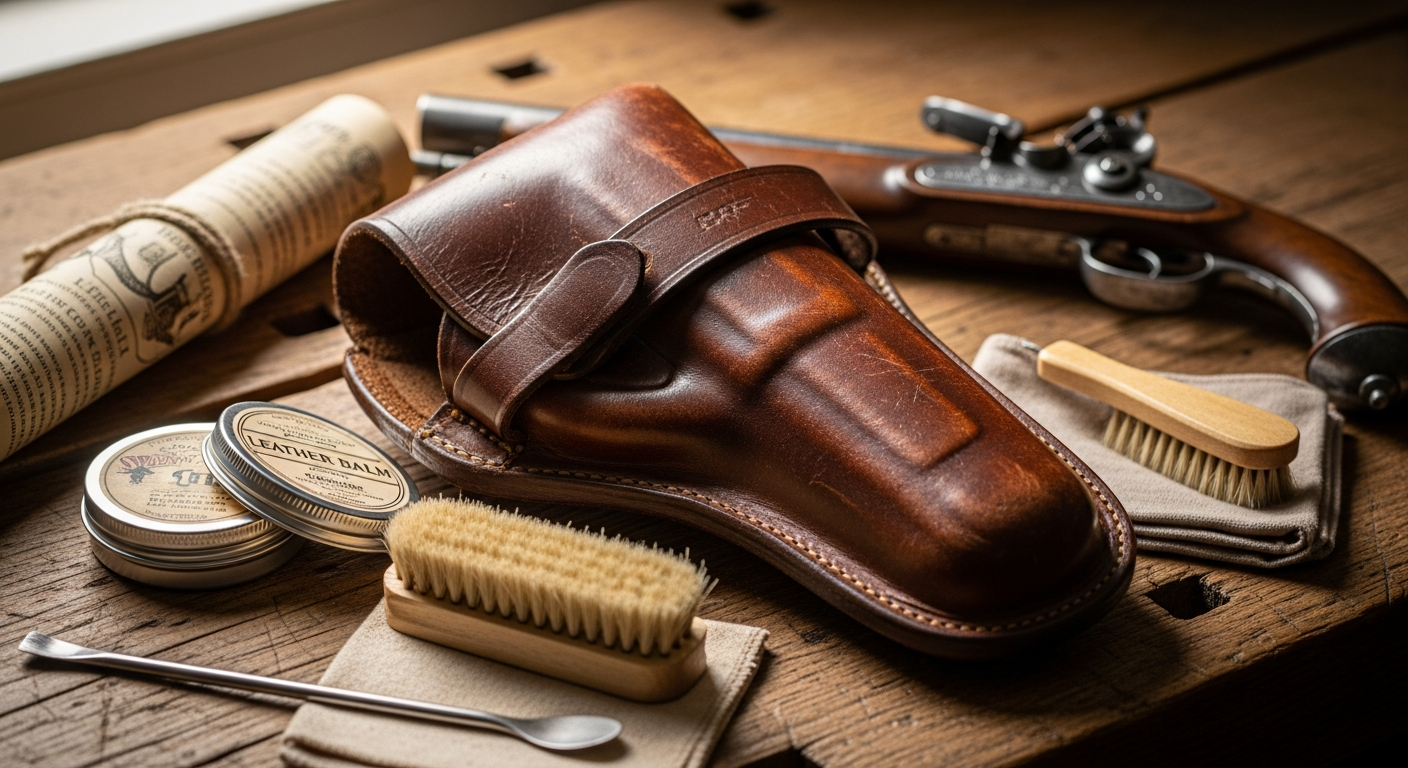
Discover how to break in your 1791 Gunleather Smooth Concealment Holster for optimal comfort and fit. Learn molding techniques, care tips, and why this leather IWB holster becomes more comfortable over time.
Leather holsters that actually get better with age sound like a myth—until you experience it firsthand. Most gun owners spend hundreds on gear that never truly feels like it's part of their body, yet the 1791 Gunleather Smooth Concealment Holster does something different: it molds to you, conforms to your shape, and becomes more comfortable the more you wear it. The break-in period is where this holster's magic happens.
Unlike rigid Kydex alternatives, the 100% Certified American soft cowhide leather in the SCH requires patience and intentional wear to unlock its full potential. This isn't a drawback—it's the foundation of why thousands of concealed carriers swear by this holster for daily wear. The initial stiffness you experience during those first weeks is actually a sign of quality craftsmanship and premium materials at work.
Discover how the 1791 Gunleather Smooth Concealment Holster transforms during break-in.
Understanding the Break-In Timeline for Leather IWB Holsters
The break-in period for the SCH typically spans four to eight weeks before reaching peak comfort, though some carriers report continued improvement over several months. This timeline varies based on wear frequency, body chemistry, and environmental conditions. The first week brings the most noticeable changes as body heat begins softening the leather fibers.
How Long the Typical Break-In Period Lasts
During week one, expect the holster to feel firm and somewhat restrictive. The leather hasn't yet adapted to your body's contours, and reholstering may feel awkward. By week two, the initial stiffness begins yielding to your body's natural movements. Week four marks the transition point where most carriers notice a significant comfort jump—the leather has absorbed enough body heat and moisture to start molding meaningfully. Beyond week six, the holster enters its sweet spot, with continued gradual improvement extending well into month three and beyond.
Why Soft Cowhide Leather Requires Conditioning
The American soft cowhide in the SCH arrives in a relatively untreated state compared to pre-conditioned leather. This is intentional. The leather's natural fibers need exposure to your body's heat, oils, and moisture to fully activate. Conditioning isn't something applied from a bottle during break-in—it happens organically through consistent wear. The leather gradually becomes more supple, allowing it to wrap around your body and firearm with increasing precision.
The Science Behind Leather Molding to Your Body Shape
Leather is a protein-based material with memory. When exposed to consistent pressure and heat, the collagen fibers realign to accommodate that specific shape. Your body's contours, combined with the weight and position of your firearm, create a unique pressure map that the leather learns over time. This isn't metaphorical—it's actual structural change at the fiber level, resulting in a holster that fits no one else's body quite like yours.
Initial Stiffness and What It Means for Your Carry Experience
The firmness of new leather actually provides a benefit: it holds your firearm securely without any break-in period adaptation needed. The downside is reduced comfort during extended wear. This trade-off resolves itself naturally as the leather softens. The reinforced stitching throughout the SCH ensures that all this molding happens without compromising structural integrity or safety.
Milestones to Expect: Week One, Week Two, Week Four, and Beyond
Week one focuses on adjustment. You'll notice the holster grips your waistband firmly and the leather feels almost stiff against your skin. By week two, you've worn it through multiple daily cycles, and the leather begins responding to repeated pressure points. Week four is the magic checkpoint where most carriers experience their "aha moment"—the holster suddenly feels like an extension of your body rather than an external device. Beyond four weeks, the improvements become more subtle but still meaningful, with ongoing comfort gains extending through month three and continuing indefinitely.
How the Open-Top Design Accelerates the Break-In Process
The open-top design plays a crucial role in faster molding. Unlike closed-top holsters that restrict leather movement, the SCH's open top allows the leather to flex and adapt more freely to your body's movements. This flexibility actually speeds up the conditioning process because the leather experiences greater range of motion and receives more varied pressure from different angles throughout your day.
Comparing Break-In Times to Other Leather Holster Brands
Most quality leather holsters require similar break-in periods, typically ranging from four to ten weeks. However, the SCH's soft cowhide and open-top design tend to produce faster noticeable improvements compared to stiffer leather alternatives. Premium brands sometimes pre-condition their leather, shortening break-in, but this often comes at significantly higher price points than the SCH's mid-range positioning.
Accelerating the Molding Process Without Damaging Your Holster
Breaking in your holster doesn't require special techniques or risky shortcuts. The most effective approach combines consistent daily wear with intentional positioning and minimal intervention. Patience remains the primary accelerant, but several proven methods help optimize the process.
Wearing the Holster Daily to Speed Up Leather Conditioning
Consistency matters more than duration. Wearing your SCH for a few hours every single day produces faster results than occasional all-day wear. Daily exposure keeps the leather's conditioning process active without allowing it to "reset" during extended rest periods. The cumulative effect of daily moisture absorption, heat exposure, and pressure molding compounds rapidly over the first month.
Proper Body Positioning Techniques That Encourage Even Molding
Position your holster at your natural carry spot—typically 3-4 o'clock for most right-handed carriers. This positioning ensures your body weight and movement naturally apply consistent pressure to the same areas daily. Avoid repositioning frequently during break-in; let the leather mold to one specific location. Moving the holster around your waistband during the break-in period disrupts the molding process by distributing pressure unevenly.
Using Heat to Soften the Leather
Body heat is your primary tool. Wear the holster against your skin whenever feasible, allowing your natural body temperature to gently soften the cowhide. Never apply external heat sources like hair dryers or heat guns—this risks damaging the leather or the stitching. Some carriers report success wearing the holster for an hour after a warm shower when body heat is elevated, speeding up that week's conditioning.
The Role of the Leather Flap in Shaping the Holster's Interior
The smooth leather flap separating the gunmetal from your skin isn't just a comfort feature—it also molds during break-in. This flap adapts to your specific firearm's shape and your body's contours simultaneously. Allow it to fold and adjust naturally rather than forcing it into a specific position. Over time, this flap becomes contoured perfectly to your carry setup.
Moisture Application Methods and When to Use Them
Controlled moisture accelerates leather softening. Some carriers lightly mist their holster with water and wear it for short sessions, allowing the moisture to penetrate the fibers. This should be done sparingly and only with light misting—never submerge or drench the holster. Allow it to dry naturally afterward. This technique works best during week two or three when initial softening has already begun.
Avoiding Common Mistakes That Delay the Molding Process
Don't store your holster folded or compressed during break-in. This creates unwanted creases that interfere with proper molding. Avoid excessive manipulation or constant adjustment—let the holster settle into your body's natural position. Don't rush to condition with leather treatments during the first two weeks; allow the natural molding process to establish itself first. Resist the temptation to switch to different holster positions; consistency accelerates results.
How Reinforced Stitching Protects Your Holster During Break-In
The SCH's reinforced stitching withstands the stresses of molding without compromising. You don't need to baby the holster during break-in—the stitching is designed for active carry. This durability means you can wear it confidently while it's still adjusting, knowing the structural integrity remains solid.
Start your molding journey with the 1791 Gunleather Smooth Concealment Holster today.
Addressing Common Break-In Challenges and Solutions
Every carrier encounters at least one challenge during the break-in period. These aren't defects—they're normal parts of the adaptation process with straightforward solutions.
Why Reholstering Feels Stiff Initially and How It Improves
During week one, reholstering can feel awkward because the leather hasn't yet learned to collapse slightly as you insert the firearm. The leather's firmness creates resistance. This improves dramatically by week three as the leather becomes more flexible. By week four, reholstering feels smooth and natural. The key is consistent practice—each reholster trains the leather to respond appropriately.
Managing Leather Collapse When Drawing Without a Manual Safety
Some carriers report that the leather collapses inward when they draw, making reholstering difficult. This is more pronounced in the SCH because the open-top design allows flexible movement. The solution involves deliberately spreading the holster opening with your thumb as you reholster, gradually training the leather to maintain proper shape. This technique becomes second nature by week two.
Dealing with Initial Discomfort at Pressure Points
Certain areas may create pressure points during the first week—typically where the belt clips attach or where the holster's edge contacts your hip. These pressure points naturally resolve as the leather softens and molds to your body's specific contours. If a particular area persists beyond week three, a slight adjustment to holster positioning often resolves it.
Solutions for the Leather Flap That Separates Gunmetal from Skin
The flap may feel restrictive during reholstering initially. This is normal. As the leather breaks in, the flap becomes more pliable and adapts better to your firearm. You can manually soften this flap by gently bending and flexing it during the first week, but avoid aggressive manipulation. Natural molding produces the best long-term results.
Adjusting the American Steel Clip for Optimal Positioning
The steel clip may feel too tight or too loose during initial wear. Minor adjustments can be made by carefully bending the clip slightly to increase or decrease tension. Older SCH models occasionally shipped with clips that required adjustment; modern versions are more consistent. Make small adjustments gradually rather than dramatic bends, which risk damaging the clip or the holster's attachment point.
Handling Moisture and Sweat During the Break-In Phase
Your body's natural moisture actually accelerates the molding process, so don't avoid wearing the holster during warmer weather or physical activity. The moisture helps condition the leather. However, ensure proper drying afterward to prevent mildew or odor. Air dry your holster in a well-ventilated area if you've worn it during heavy sweating.
When to Seek Adjustments Versus Waiting for Natural Molding
Give the holster four full weeks of consistent daily wear before considering professional adjustments. Most issues resolve naturally during this period. Only after the four-week mark, if problems persist, consider contacting 1791 Gunleather about adjustments. The lifetime warranty covers legitimate defects, but patience during break-in usually eliminates the need for service calls.
Maintenance Practices That Preserve the Custom Fit
Once your holster has broken in, maintaining that custom fit requires minimal but intentional care. The goal is preventing accelerated aging or damage while allowing the leather to continue improving.
Cleaning Your Holster Without Compromising the Leather
Use a soft, dry cloth for regular cleaning. For stubborn dirt, slightly dampen the cloth and gently wipe the exterior. Never use harsh soaps, aggressive scrubbing, or chemical cleaners. The leather's natural patina develops beautifully over time—embrace it rather than fighting it. Avoid cleaning the interior where it contacts your firearm; this area benefits from the natural oils that accumulate.
Conditioning Schedules During and After the Break-In Period
Skip conditioning treatments during the first four weeks. After the initial break-in period, consider conditioning every six months to a year depending on climate and use. Use quality leather conditioners designed for gun holsters, applying sparingly. Over-conditioning can soften the leather excessively and reduce its structural integrity. The leather's natural aging process often produces better results than frequent conditioning.
Protecting Your Holster from Excessive Moisture and Heat
While some moisture is beneficial during break-in, excessive exposure causes problems. Don't intentionally submerge or heavily wet your holster. If caught in rain, allow it to dry naturally in a well-ventilated space. Keep the holster away from direct heat sources like radiators or car dashboards, which can cause the leather to crack or warp.
Storing Your Holster Properly to Maintain Its Molded Shape
Store your holster flat or with the firearm inserted during extended periods of non-use. This prevents unwanted creasing or folding that disrupts the molded shape. A gun safe with good airflow provides ideal storage conditions. Avoid plastic bags or airtight containers, which trap moisture and can promote mildew.
How to Handle the Leather Flap as It Ages and Softens
The flap becomes increasingly supple over time, which is perfect for reholstering comfort. As it softens, it may occasionally stay slightly inside the holster after drawing. This is minor and actually desirable—it means the leather is aging beautifully. Gently pull it back out before reholstering. The flap's continued softening is a sign your holster is maturing properly.
Reinforcing Stitching Areas That See High Wear
Inspect your holster periodically for any loose stitching, particularly around the belt clip attachment points. The SCH's reinforced stitching is durable, but threads can occasionally loosen with heavy use. If you notice any separation, it's typically minor. You can carefully apply a small amount of clear thread sealant to prevent further loosening, or contact 1791 Gunleather if stitching failure becomes extensive.
Leveraging the Lifetime Warranty for Durability Concerns
1791 Gunleather stands behind the SCH with a lifetime warranty, covering manufacturing defects and structural failures. If your holster experiences stitching failure, hardware problems, or leather damage beyond normal wear, you can pursue warranty service. This coverage provides confidence that your investment remains protected indefinitely.
Why Patience Delivers Superior Comfort for Everyday Carry
The break-in journey culminates in a level of comfort and security that unbroken-in holsters simply cannot provide. This isn't just comfort for its own sake—it translates directly to better carry consistency and reliability.
The Forget-It's-There Comfort That Users Report After Break-In
After completing the break-in period, most SCH carriers report genuinely forgetting they're armed during normal daily activities. This isn't achieved through lightweight design alone—it results from the holster's perfect conformity to your specific body shape and firearm. When something molds to you rather than forcing you to adapt to it, invisible carry becomes reality.
How Custom Molding Provides Better Concealment Than Rigid Holsters
A molded leather holster conforms to your body's actual shape, minimizing printing and creating a smoother profile under clothing. Rigid Kydex holsters maintain their shape regardless of body contours, often creating noticeable bumps or edges. The SCH's ability to truly conform means better concealment with standard everyday clothing—no need for oversized shirts or special carry wear.
The Security of a Holster That Grips Your Specific Firearm
As the leather molds to your exact firearm, retention becomes personalized. The holster learns the specific contours and weight distribution of your gun, providing consistent grip without requiring mechanical retention devices. This security develops gradually through break-in and improves with continued use.
Long-Term Durability Benefits of Leather That's Properly Broken In
Leather that's been properly broken in experiences less stress during daily use. The fibers have already adapted, so ongoing wear simply maintains rather than forces change. This means a properly broken-in SCH will remain reliable and comfortable for decades. The lifetime warranty backs this durability, but properly broken-in holsters rarely require service.
Cost-Effectiveness: One Holster That Lasts a Lifetime
At the SCH's mid-range price point—typically between $40-$70—you're investing in a holster that will outlast multiple Kydex alternatives. The break-in period of a few weeks is small compared to the years of superior comfort and reliability that follow. When amortized over a decade of daily carry, the SCH becomes one of the most cost-effective choices available.
Comparing Comfort Levels Across the Seven Size Options
The SCH's seven size options—accommodating everything from micro-compact to large-frame handguns—each deliver the same comfort trajectory during break-in. Smaller sizes break in slightly faster due to reduced overall leather volume, while larger frames may take an extra week or two. Regardless of size, the molding principle remains identical, and the comfort payoff at the end follows the same pattern.
Real User Experiences from the Break-In Journey to Daily Carry
Thousands of carriers have documented their SCH break-in journeys, consistently reporting that week four marks a turning point where the holster transitions from "good gear" to "part of my body." Most users report that by week six, they're genuinely amazed at how comfortably they've carried all day. These aren't isolated experiences—they're the norm for properly broken-in SCH holsters.
Multi-Fit Compatibility and Break-In Across Different Firearms
One of the SCH's defining features is its multi-fit design, accommodating seven size options across a broad range of firearms. This versatility introduces unique break-in considerations.
How the Seven Size Options Accommodate Micro-Compact to Large-Frame Handguns
The SCH's sizing system ensures appropriate leather thickness and internal dimensions for each firearm category. Size 1 accommodates micro-compacts like the Ruger LCP, while Size 7 handles full-size frames like the 1911. Each size breaks in the same way, but the leather's thickness relative to the firearm means break-in character differs slightly. Larger frames may require marginally longer break-in due to increased leather volume and weight.
Does Break-In Differ Based on Firearm Size and Weight?
Break-in fundamentally follows the same timeline regardless of firearm size, but weight distribution affects the experience. Carrying a heavier full-size frame accelerates molding in some areas because increased pressure encourages faster fiber realignment. Lighter micro-compact carry produces slower but equally effective molding. The timeline difference is typically only one or two weeks.
Transitioning Between Different Guns in the Same Holster Size
If you carry different firearms within the same SCH size, the holster gradually adapts to the most frequently carried gun. Transitioning to a less-common firearm will feel slightly less molded initially, but the holster's inherent flexibility accommodates different shapes reasonably well. Most carriers report that multi-gun carry works, though single-gun dedication produces optimal molding.
The Role of the Open-Top Design in Accommodating Various Firearms
The open-top design's flexibility is crucial for multi-fit functionality. It allows the holster to accommodate slight variations in firearm dimensions without requiring different internal dimensions. This same flexibility that enables multi-fit also accelerates the molding process, as the leather can adjust to your specific gun's exact shape.
Retention Consistency as the Leather Molds to Your Specific Gun
Initial retention feels uniform across all holsters due to the leather's firmness. As the holster molds to your specific firearm, retention becomes more precise and personal. The leather learns your gun's exact contours, providing consistent grip without any thought. This personalized retention is one of the SCH's most appreciated features after break-in.
Choosing the Right Size for Optimal Break-In Performance
Selecting the correct size is critical for proper break-in. A holster that's too large will never mold optimally, while one that's too tight creates unnecessary pressure. 1791 Gunleather provides clear sizing guidance; follow it precisely. When sized correctly, the break-in process unfolds exactly as described, regardless of which specific firearm you're carrying within that size category.
Testing Fit During the Break-In Period Before Committing to Daily Carry
Before committing to daily carry, wear your new SCH for short sessions—an hour or two at home—during week one. This allows you to assess comfort and fit without full commitment. If the initial fit feels wrong, contact 1791 Gunleather during this period; they can advise on sizing or adjustments. After two full weeks of daily wear, your investment is genuinely committed, so getting the size right initially matters significantly.
The Long Game: Why Your 1791 Gunleather Investment Pays Off
The break-in period isn't something to rush through—it's the foundation of everything that makes the 1791 Gunleather Smooth Concealment Holster legendary among concealed carriers. Those first few weeks of slightly stiff leather, careful molding, and intentional wear transform a quality holster into something genuinely custom-fitted to your body and your firearm. The American soft cowhide doesn't just soften; it adapts, creating a level of comfort and security that rigid alternatives simply can't match.
Your patience during break-in directly translates to years of reliable, invisible carry—the kind where you genuinely forget you're armed. Combined with reinforced stitching, a lifetime warranty, and pricing that sits comfortably in the mid-range, you're not just buying a holster; you're investing in a tool that improves with age. Every day of wear after the break-in period enhances the molding, creating an increasingly personalized fit that makes the initial investment feel like the smartest gear decision you've made.
Start your break-in journey with realistic expectations, follow these proven techniques, and you'll understand why this holster remains 1791 Gunleather's best-seller. The patience you invest now compounds into decades of superior carry performance.
Experience the transformation with your own 1791 Gunleather Smooth Concealment Holster.